
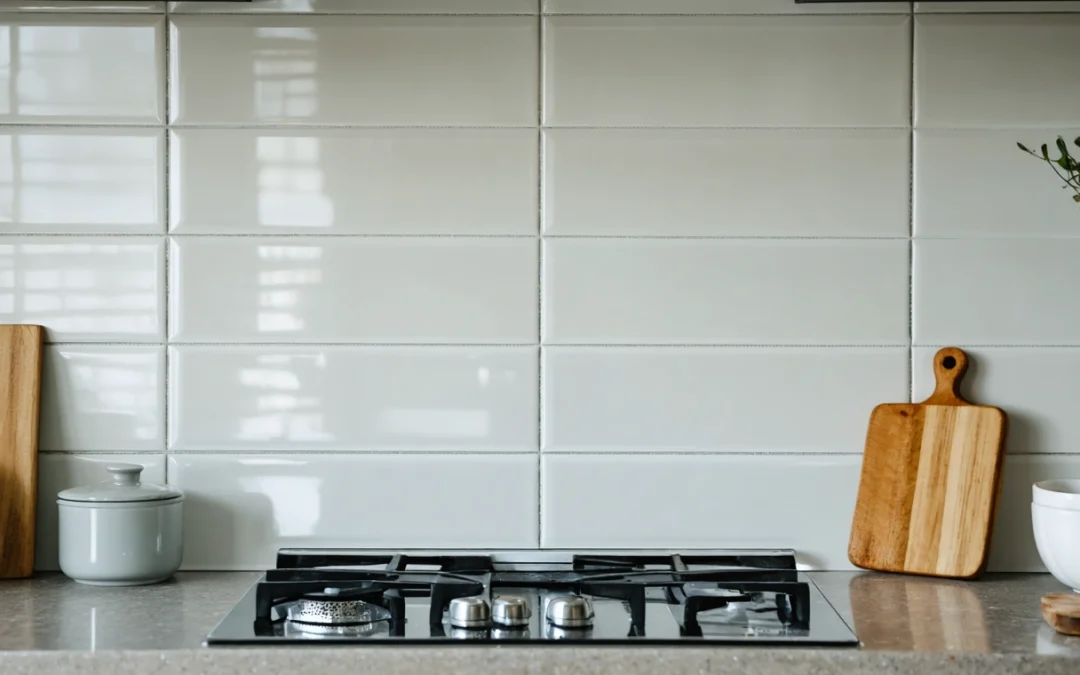
Introduction to Backsplash Sealing
Backsplashes are a crucial aspect of kitchen and bathroom design, serving both aesthetic and functional purposes. They protect walls from water damage, stains, and other kitchen mishaps. However, to maintain their beauty and functionality, they require proper care and maintenance. One key aspect of this maintenance is sealing.
Sealing backsplashes is an essential process that helps in preserving their longevity and appearance. This comprehensive guide will delve into the importance of sealing, the types of sealants available, the sealing process, and the benefits of regular maintenance. Whether you’re a homeowner or a professional designer, understanding the intricacies of backsplash sealing will ensure your spaces remain pristine and protected.
Understanding Sealing and Its Importance
Sealing is the process of applying a protective layer over the surface of a backsplash. This layer acts as a barrier, safeguarding the material from moisture, stains, and other potential damage. While many natural stones and tiles are porous, applying a sealant can significantly enhance their durability and resistance.
The primary purpose of sealing is to prevent materials like water, oil, and grime from penetrating the surface. This is particularly crucial in kitchens and bathrooms, where exposure to moisture and stains is frequent. Without proper sealing, backsplashes can become breeding grounds for mold, mildew, and bacteria, which can compromise both aesthetics and hygiene.
The Science Behind Sealing
Sealing works by filling the microscopic pores and gaps present in materials such as natural stone, ceramic, and grout. These pores, if left unsealed, allow liquids and other substances to seep in, leading to discoloration and degradation. By creating a barrier, sealants prevent these substances from infiltrating the material.
Moreover, the chemistry of sealants is designed to bond with the surface, creating a long-lasting shield. Different sealants have varying levels of effectiveness, depending on their formulation and the material they are applied to. This scientific approach ensures your backsplash remains protected under various conditions.
Types of Sealants for Backsplashes
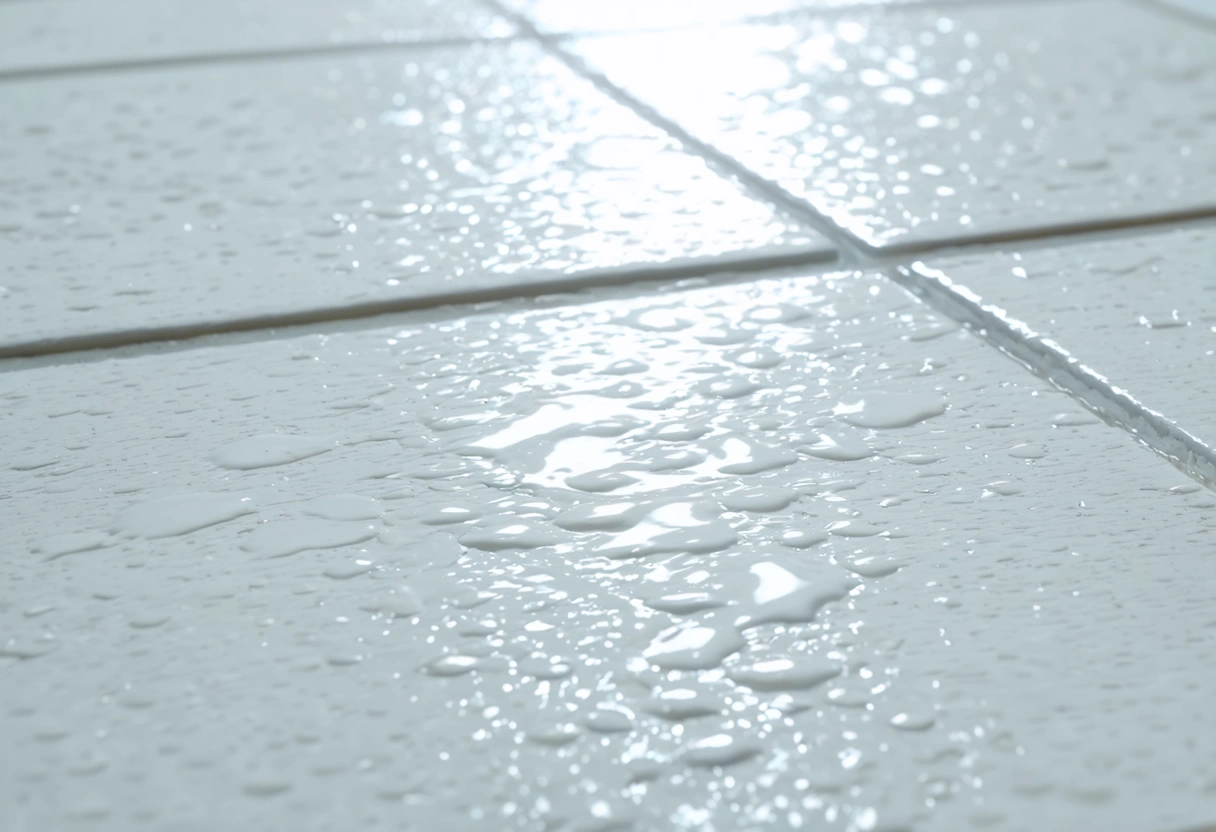
Choosing the right sealant is crucial for effective backsplash maintenance. There are several types of sealants available, each with unique properties and applications. Understanding these differences can help you make informed decisions when it comes to sealing your backsplash.
Penetrating Sealants
Penetrating sealants are designed to seep into the material’s pores, providing protection from within. They are particularly suitable for natural stones such as marble, granite, and limestone. These sealants are breathable, allowing trapped moisture to escape while preventing new moisture from entering.
One of the main advantages of penetrating sealants is their durability. They are less likely to wear off over time compared to surface sealants. However, they may require regular reapplication depending on the level of exposure and the type of material.
Surface Sealants
Surface sealants, also known as topical sealants, form a protective layer on top of the material. They are commonly used for sealing ceramic tiles and certain types of grout. Surface sealants provide a glossy finish, enhancing the visual appeal of the backsplash.
While surface sealants offer excellent protection against stains and moisture, they may wear off faster in high-traffic areas. Regular maintenance and reapplication are crucial to ensure continued protection.
Specialty Sealants
In addition to the general categories, there are specialty sealants designed for specific applications. For example, some sealants offer enhanced UV protection, making them ideal for areas exposed to direct sunlight. Others may have antimicrobial properties, providing an extra layer of protection in kitchens and bathrooms.
When selecting a sealant, it’s essential to consider the specific needs of your backsplash and the environment it is in. Consulting with professionals or researching reputable sources can provide valuable insights into the best sealant for your project.
The Sealing Process: Step-by-Step
Sealing a backsplash is a straightforward process, but it requires careful attention to detail to ensure optimal results. Here is a step-by-step guide to help you through the process of sealing your backsplash effectively.
Preparation
Before applying a sealant, it’s crucial to clean the backsplash thoroughly. Remove any dirt, grease, or existing stains using a suitable cleaner. Allow the surface to dry completely, as moisture can interfere with the sealant’s effectiveness.
Next, inspect the backsplash for any cracks or gaps in the grout. Repair these areas to ensure a smooth and even surface for the sealant application. Mask off areas that do not require sealing, such as adjacent walls or fixtures.
Application
Once the preparation is complete, you can begin applying the sealant. Use a brush, roller, or spray bottle, depending on the type of sealant and the size of the area. Apply the sealant evenly, ensuring complete coverage.
Allow the first coat to penetrate the surface, and then apply a second coat if necessary. Follow the manufacturer’s instructions regarding drying times and additional coats.
Post-Application Care
After applying the sealant, allow it to cure for the recommended time before exposing the backsplash to water or other substances. This curing process ensures the sealant bonds effectively with the material.
Regular maintenance, such as cleaning with a mild detergent and avoiding harsh chemicals, will help prolong the life of the sealant. Periodic reapplication may be necessary, depending on the type of sealant and the usage conditions.
Benefits of Regular Sealing and Maintenance
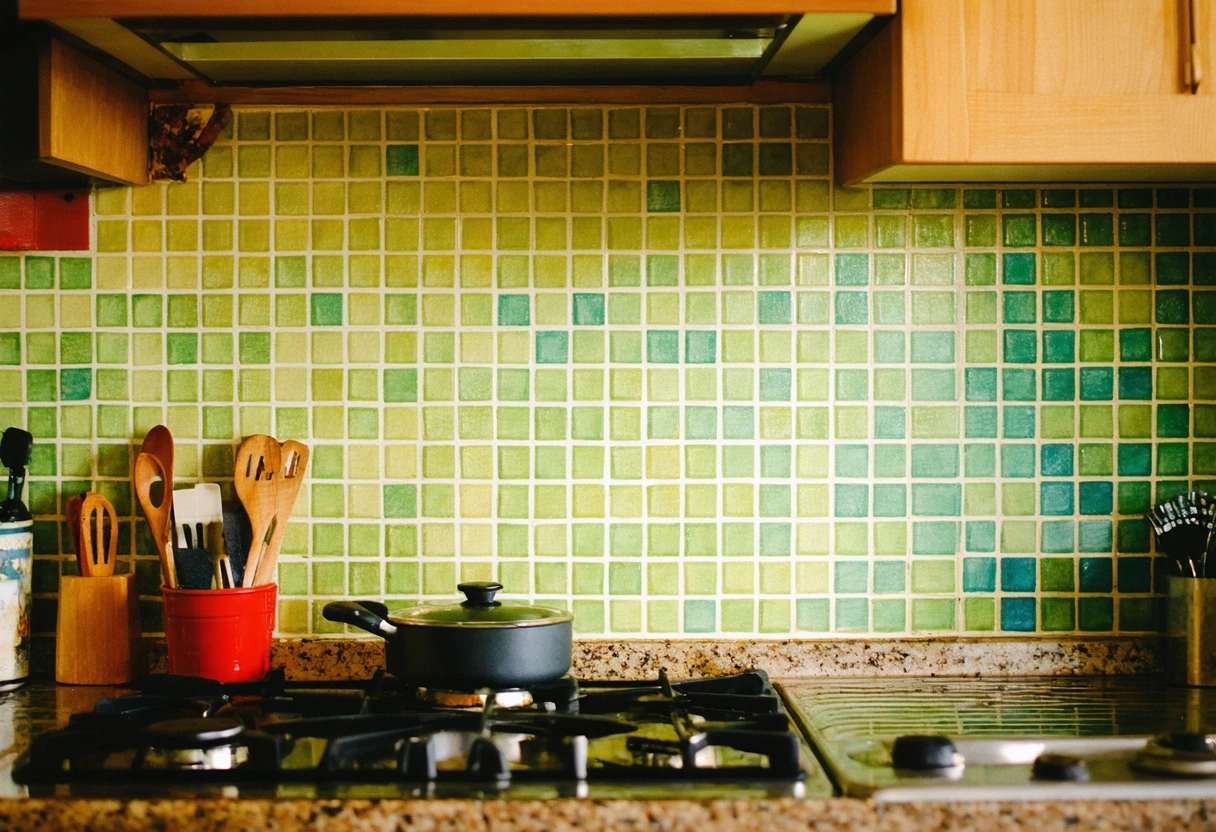
Regular sealing and maintenance of your backsplash offer numerous benefits, both in terms of aesthetics and functionality. By investing time in sealing, you can enjoy a beautiful and long-lasting backsplash that enhances your home’s overall appeal.
Enhanced Durability
Sealing significantly enhances the durability of your backsplash by protecting it from moisture, stains, and other damaging elements. This added layer of protection ensures your backsplash remains intact and visually appealing for years to come.
Durability is especially important in high-use areas like kitchens and bathrooms, where exposure to water and other substances is frequent. By sealing your backsplash, you can prevent costly repairs and replacements down the line.
Improved Aesthetic Appeal
A well-sealed backsplash not only functions better but also looks more attractive. Sealants can enhance the color and texture of natural stones, giving them a polished and refined appearance. Surface sealants also provide a glossy finish that adds a touch of elegance to any space.
Maintaining the aesthetic appeal of your backsplash is essential for preserving your home’s overall design and value. Regular sealing ensures your backsplash remains a standout feature in your kitchen or bathroom.
Hygienic Benefits
In addition to protecting against stains and moisture, sealing provides hygienic benefits by preventing the growth of mold, mildew, and bacteria. This is particularly important in areas where food is prepared, ensuring a clean and safe environment.
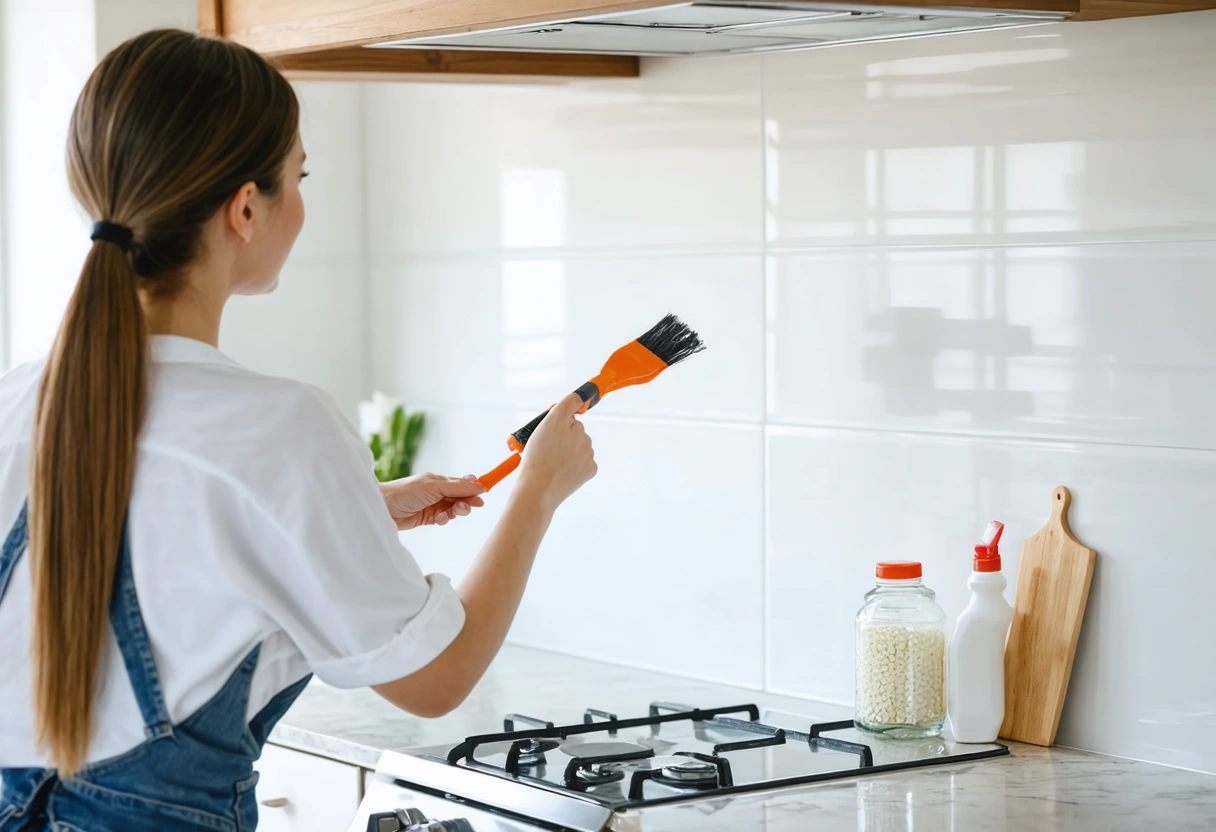
By creating a barrier against moisture, sealants help maintain a healthier living space, reducing the risk of allergens and contaminants affecting your home.
The Necessity of Sealing in Backsplash Maintenance
In conclusion, sealing is an indispensable aspect of backsplash maintenance and preservation. It protects against moisture and stains, enhances durability, and contributes to a cleaner and more beautiful living environment. Whether you’re dealing with natural stone, ceramic, or other materials, understanding the role of sealing is key to ensuring your backsplash remains in top condition.
Regular sealing and maintenance not only prolong the life of your backsplash but also save you time and money on repairs and replacements. By investing in the right sealants and following proper application techniques, you can enjoy a stunning and functional backsplash for years to come.
For more information on the benefits of sealing and how to choose the right sealant for your project, consider consulting expert resources and guides. This will provide you with the knowledge needed to make informed decisions and achieve the best results for your backsplash.
Common Mistakes in Backsplash Sealing
Despite the straightforwardness of the sealing process, certain common mistakes can undermine its effectiveness. Being aware of these pitfalls can help ensure that your sealing efforts are both efficient and successful.
Using the Wrong Type of Sealant
One of the most frequent errors is using a sealant that is not suitable for the backsplash material. For example, using a surface sealant on a porous stone can prevent the stone from breathing properly, leading to trapped moisture and potential damage. Always select a sealant that is specifically designed for the material you are working with.
Consulting with a professional or conducting thorough research before purchasing a sealant can prevent these costly mistakes. Resources like guides on tile sealers provide valuable information on choosing the right product.
Insufficient Surface Preparation
Proper surface preparation is a critical step often overlooked in the sealing process. Failing to clean the surface thoroughly or to repair cracks and gaps can lead to uneven application and ineffective sealing. The presence of dirt, grease, or moisture can interfere with the sealant’s bonding properties, resulting in poor protection.
Taking the time to ensure the surface is clean and dry can make a significant difference in the outcome of the sealing process.
Neglecting Regular Maintenance
Even the best sealants require regular maintenance to remain effective. Neglecting this can lead to the sealant wearing off prematurely, leaving the backsplash vulnerable to damage. Establishing a routine for inspecting and reapplying sealant as needed will help maintain its protective qualities.
Resources like tile and grout maintenance tips can provide practical advice on keeping your backsplash in excellent condition.
Final Thoughts on Backsplash Sealing
Sealing your backsplash is more than just a protective measure; it is an investment in the longevity and beauty of your home. By understanding the importance of selecting the right sealant, preparing the surface properly, and committing to regular maintenance, you can ensure your backsplash remains a stunning focal point in your kitchen or bathroom.
For those new to backsplash sealing, seeking guidance from professionals or trusted online resources can be invaluable. Websites like This Old House offer expert advice on sealing techniques and best practices.
Incorporating these insights into your home maintenance routine will not only enhance the appearance and function of your space but also provide peace of mind knowing your backsplash is well protected.
Need help with Sealing the Deal: The Role of Sealing in Backsplash Maintenance and Preservation?