
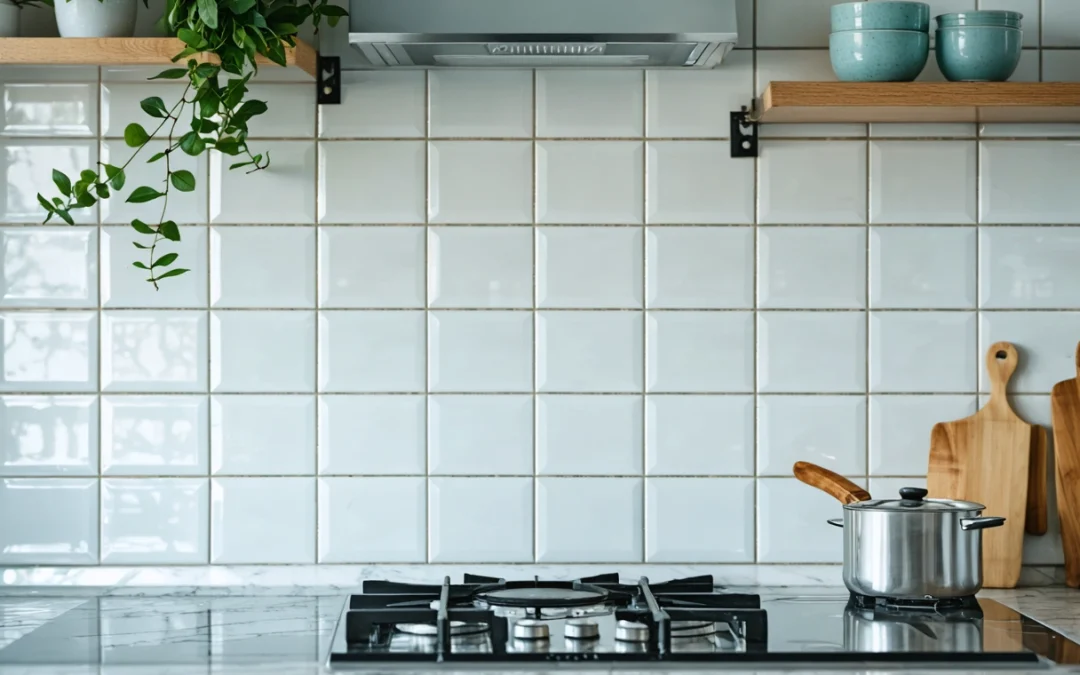
The Do’s and Don’ts of Backsplash Cleaning: Expert Advice from Floor Medix
A kitchen backsplash is more than just a functional element; it’s a statement of style and personality in one of the most utilized spaces in your home. While it serves the important purpose of protecting your walls from splashes and stains, maintaining its pristine condition requires regular and effective cleaning. Here, we delve into the expert advice from Floor Medix to provide you with a comprehensive guide on the do’s and don’ts of backsplash cleaning. Whether you have a classic subway tile, a modern glass finish, or a rustic stone design, understanding the right cleaning practices is essential.
Understanding Your Backsplash Material
The first step in maintaining the beauty and longevity of your backsplash is understanding the material it’s made from. Each material has unique characteristics and cleaning requirements. Common materials include ceramic, glass, stainless steel, and natural stone. Each of these materials reacts differently to various cleaning agents and techniques, so it’s crucial to tailor your approach accordingly.
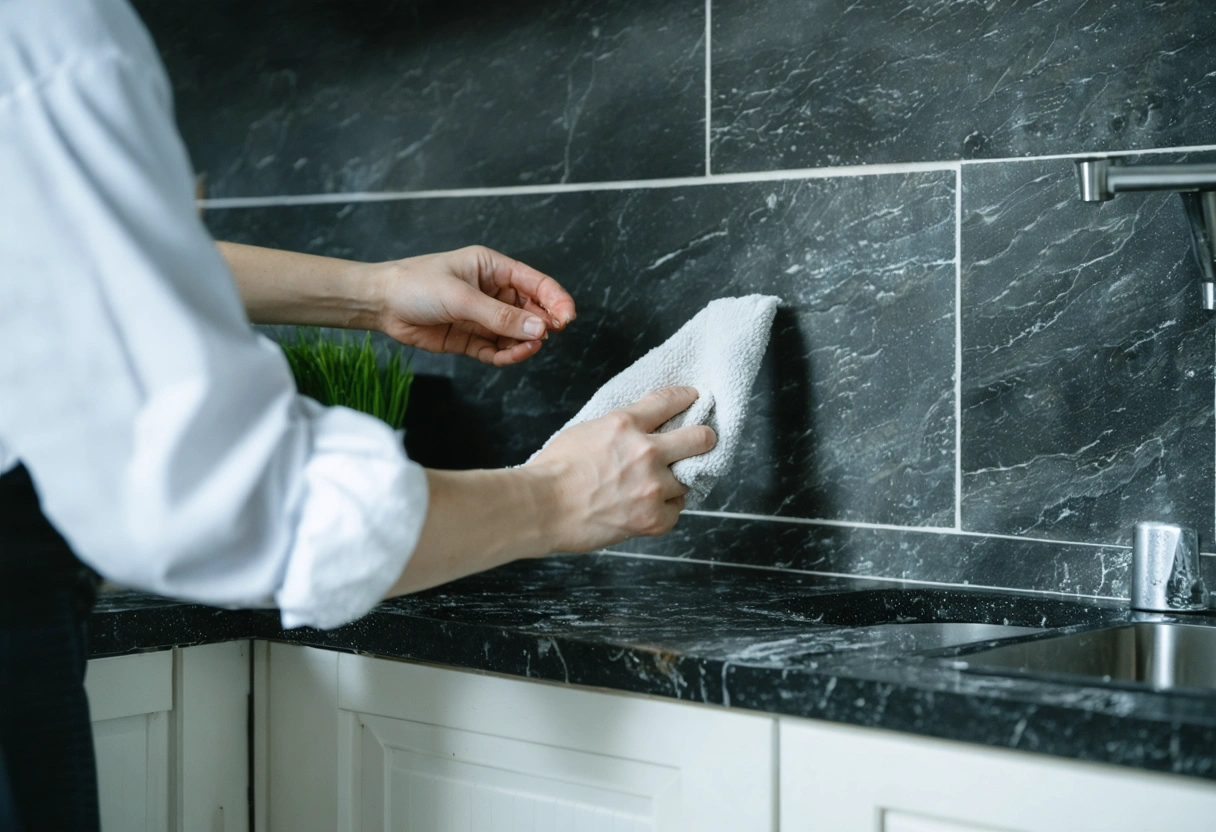
Ceramic and porcelain tiles are popular choices due to their durability and ease of maintenance. They can withstand a variety of cleaning agents without damage. Glass backsplashes, on the other hand, offer a sleek and modern look but are prone to showing streaks and fingerprints, thus requiring gentle cleaning solutions. Stainless steel is favored for its industrial appeal and resistance to heat and stains, but it can scratch easily if abrasive materials are used. Natural stone, such as marble or granite, is a luxurious option that requires special care to prevent etching and staining.
Do: Use the Right Cleaning Solutions
Using the appropriate cleaning solutions is paramount to protecting your backsplash from damage. For ceramic and porcelain tiles, a mixture of warm water and mild dish soap is usually sufficient. This combination effectively removes grease and grime without causing harm. For tougher stains, a diluted vinegar solution can be used, but it should not be left to sit for too long to prevent potential dulling of the tiles.
Glass backsplashes benefit from non-abrasive cleaners specifically designed for glass. A mixture of water and white vinegar can also be effective in removing fingerprints and smudges. It’s important to use a soft cloth or sponge to avoid scratching the surface.
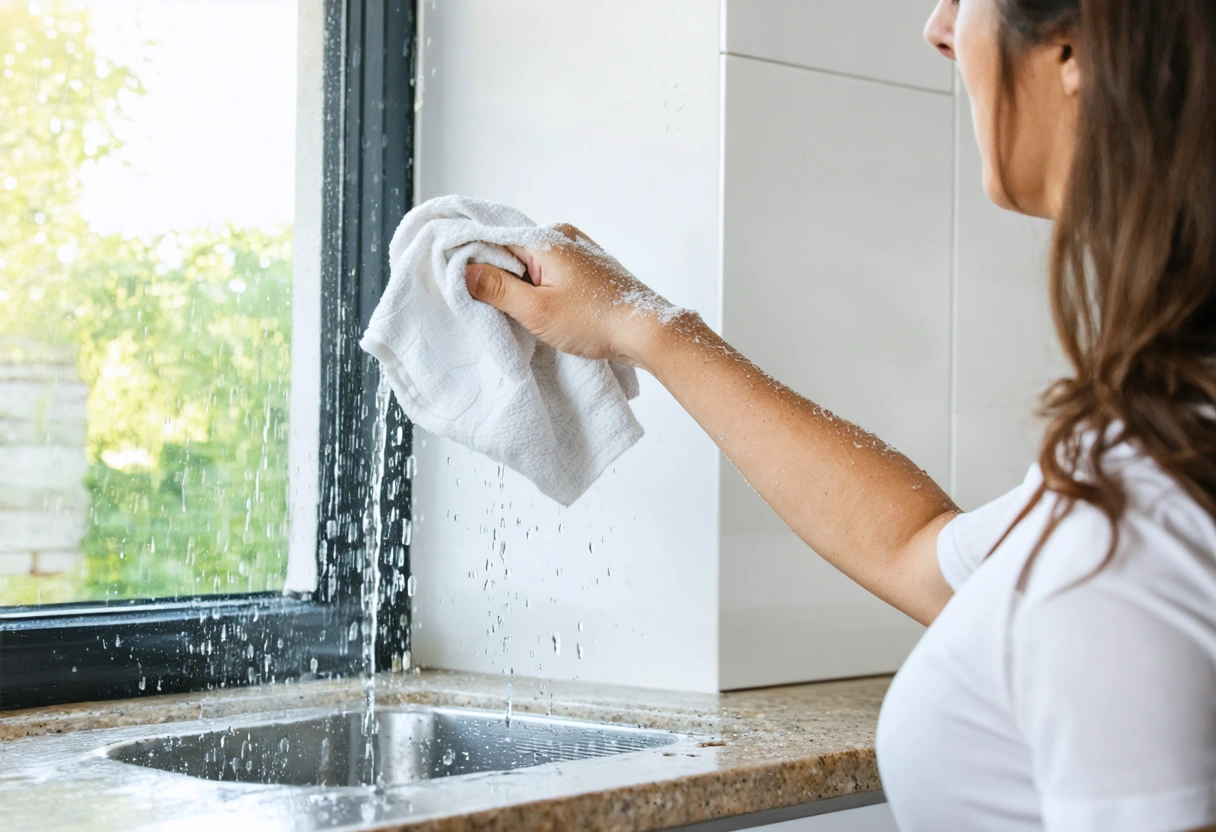
When cleaning stainless steel, avoid bleach or any product containing chloride. Instead, opt for a stainless steel cleaner or a simple solution of dish soap and water. Always dry immediately with a soft cloth to prevent water spots.
For natural stone, avoid acidic cleaners like vinegar or lemon juice, which can etch the surface. Use a pH-neutral cleaner designed for stone surfaces. Regularly sealing stone backsplashes can also help in maintaining their appearance and protecting against stains.
Don’t: Use Abrasive Tools
One of the most common mistakes in backsplash cleaning is the use of abrasive tools that can scratch or damage the surface. Avoid using steel wool, scouring pads, or any rough materials when cleaning. These can leave scratches on your backsplash, particularly on materials such as glass and stainless steel.
Instead, opt for microfiber cloths or soft sponges that can effectively clean without causing harm. For grout lines, a soft-bristled toothbrush can be used to gently scrub away accumulated dirt. Always remember to be gentle, as excessive force can damage the grout or the tiles themselves.
Do: Regular Maintenance
Regular maintenance is key to keeping your backsplash looking its best. Make it a habit to wipe down your backsplash daily with a damp cloth to remove light splashes and prevent the buildup of grease and grime. This is particularly important in areas behind the stove and sink where splashes are most frequent.
For deeper cleaning, aim to clean your backsplash thoroughly once a week. This includes scrubbing the grout lines and addressing any stubborn stains. Regular sealing of stone backsplashes, as mentioned earlier, should also be part of your maintenance routine.

Don’t: Ignore Grout Lines
Grout lines are often overlooked in backsplash cleaning, yet they play a significant role in the overall appearance of your kitchen. Dirty or discolored grout can make even the cleanest tiles look unkempt. Regularly cleaning grout lines with a soft brush and a mixture of baking soda and water can help maintain their appearance.
For deeply stained grout, consider using a specialized grout cleaner or hiring a professional cleaning service. Sealing grout lines after cleaning can also help prevent future staining and make maintenance easier.
Do: Test Cleaning Products
Before using any new cleaning product on your backsplash, it’s wise to test it on a small, inconspicuous area. This ensures that the cleaner won’t damage or discolor the material. This is particularly important for natural stone backsplashes, which can react negatively to certain chemicals.
If you’re unsure about a product’s suitability, consult the product packaging or manufacturer’s website for guidance. You can also reach out to professional cleaning services like Floor Medix for recommendations on safe and effective cleaning solutions.
Don’t: Allow Stains to Set
Promptly addressing spills and splashes can prevent stubborn stains from setting into your backsplash. As soon as you notice a spill, wipe it away with a damp cloth. This is especially important for acidic substances like tomato sauce or lemon juice, which can cause etching on certain materials.
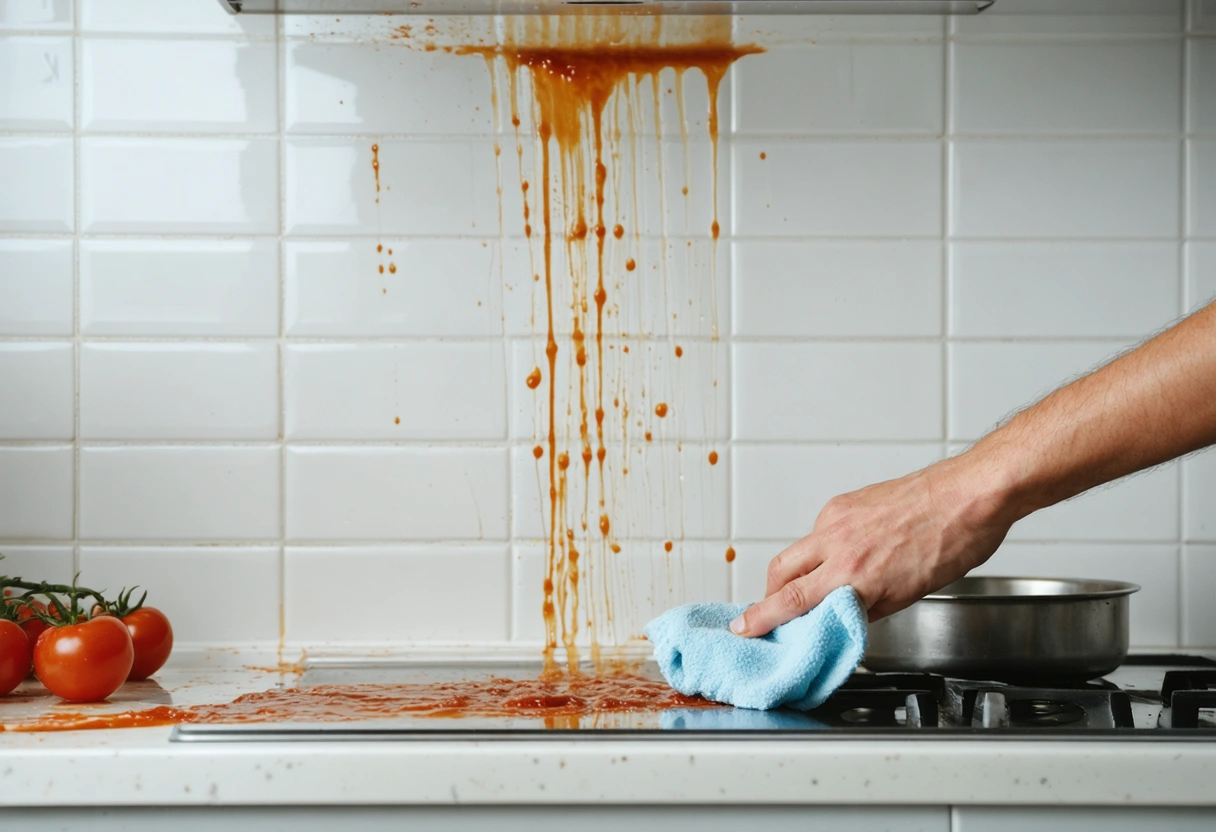
If a stain does set, don’t panic. There are many resources available online that offer tips and solutions for removing stubborn stains from various types of backsplash materials.
Takeaways
Maintaining a clean and beautiful backsplash doesn’t have to be a daunting task. By understanding the specific needs of your backsplash material and following these expert tips from Floor Medix, you can ensure that your kitchen remains a welcoming and hygienic space. Remember to use the right cleaning solutions, avoid abrasive materials, and keep up with regular maintenance. With the right care, your backsplash will continue to protect your walls and enhance the aesthetic of your kitchen for years to come.
For more detailed guidance on cleaning specific materials, there are extensive resources online that can provide additional insights.
In addition to regular cleaning, incorporating preventative measures can significantly reduce the frequency and intensity of the cleaning required. Prevention is always better than cure, especially when it comes to maintaining the pristine condition of your backsplash.
Do: Use Protective Measures
One effective way to protect your backsplash is by using splatter guards when cooking. These simple devices can be placed on top of pots and pans to minimize the amount of grease and food splatter reaching your backsplash. By reducing direct contact with potential stains, you make cleaning much more manageable.
Another protective measure is to apply a clear, water-resistant sealant to the surface of your backsplash. This is especially beneficial for porous materials such as natural stone or unglazed tiles, where absorption of liquids can lead to staining. A sealant acts as a barrier, preventing moisture and stains from seeping into the material. Be sure to choose a product that is compatible with your backsplash material and reapply it as needed, following the manufacturer’s instructions.
Don’t: Use Excessive Water
While water is essential for cleaning, using too much can be detrimental, especially for backsplashes made of materials like natural stone or metal. Excessive water can seep into grout lines, leading to mold and mildew growth over time. Additionally, prolonged exposure to water can weaken the adhesive that holds the tiles in place, potentially leading to tiles becoming loose or falling off.
When cleaning, use a damp, not soaking wet, cloth or sponge. Ensure that you thoroughly dry the backsplash after cleaning to prevent any water damage. For more information on the effects of water on kitchen materials, check out this detailed guide.
Do: Address Hard Water Stains
Hard water can leave unsightly stains and mineral deposits on your backsplash, particularly if you have a glass or stainless steel surface. To tackle these, use a mixture of equal parts white vinegar and water. Apply the solution with a soft cloth and gently rub the affected areas.
For stubborn deposits, let the solution sit for a few minutes before wiping it clean. Afterward, rinse with water and dry the area thoroughly. If your water supply is particularly hard, consider installing a water softener to prevent future buildup. This comprehensive resource on water softening might be useful if you’re considering this option.
Don’t: Neglect the Importance of Ventilation
Ventilation plays a crucial role in maintaining the cleanliness of your backsplash. Cooking generates steam, grease, and odors that can settle on your backsplash, leading to grime buildup. Proper ventilation helps dissipate these elements, reducing the frequency and effort required for cleaning.

Ensure that your kitchen is equipped with a good quality range hood or exhaust fan. Use it every time you cook to capture airborne particles before they settle. Additionally, opening windows and doors can improve air circulation, further aiding in the reduction of moisture and grease accumulation.
Do: Consult Professionals for Tough Stains
If you encounter a stain that you can’t remove with standard cleaning methods, it may be time to consult professionals. Companies like Floor Medix offer specialized cleaning services that can address even the most stubborn stains without damaging your backsplash.
Professional cleaners have access to industrial-grade products and equipment that are not available to the general public. They can effectively clean and restore your backsplash, ensuring it remains a beautiful focal point in your kitchen. For more information on professional cleaning services, consider visiting this detailed article.
Preserve and Protect Your Backsplash
Maintaining the cleanliness and integrity of your backsplash requires a combination of regular cleaning, preventative measures, and occasional professional intervention. By understanding the unique requirements of your backsplash material and following the expert advice from Floor Medix, you can preserve the aesthetic appeal and functionality of this essential kitchen element.
Remember, the key to a sparkling backsplash is consistent care. Implement the do’s and avoid the don’ts outlined in this guide, and you’ll enjoy a beautiful, hygienic kitchen environment that stands the test of time. Embrace these practices, and your backsplash will continue to enhance the beauty and utility of your home for years to come. For further insights on maintaining household surfaces, explore this resource which offers a wealth of cleaning tips.
Need help with The Do’s and Don’ts of Backsplash Cleaning: Expert Advice from Floor Medix?