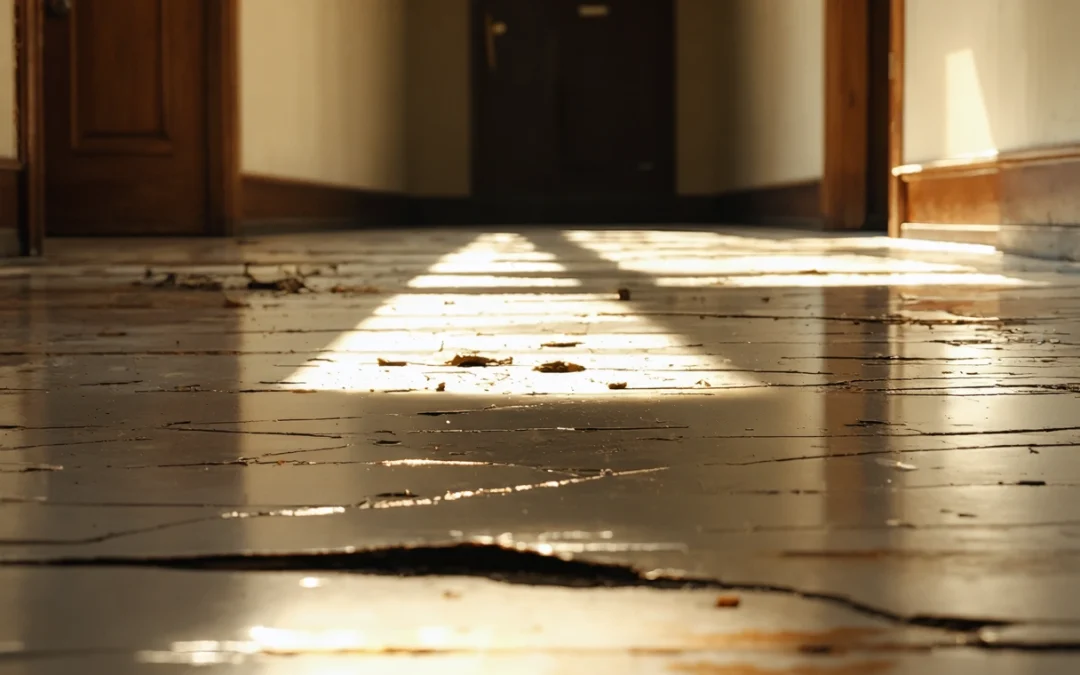
The Hidden Costs of Neglecting Floor Repairs: Safety, Aesthetics, and Beyond
Floors are the foundation of our homes and businesses, yet their maintenance is often overlooked until problems become unavoidable. Many property owners underestimate the profound consequences that arise from neglecting necessary floor repairs. While it might seem like a small crack, squeak, or stain is merely an eyesore, the reality is that failing to address floor issues can result in a cascade of hidden costs—some immediate, many long-term, and all potentially serious. In this comprehensive guide, we will explore the full spectrum of financial, safety, and aesthetic impacts associated with neglecting floor repairs, offering insights that every homeowner, property manager, and business owner should understand.
From increased risk of accidents and legal liabilities to compromised indoor air quality and plummeting property values, the consequences extend far beyond the surface. Whether you have hardwood, tile, laminate, vinyl, or concrete floors, understanding the importance of timely maintenance and repair is crucial. Let’s dive into the multifaceted reasons why ignoring floor repairs is never a cost-saving strategy.
Why Floor Maintenance is Often Overlooked
Despite their importance, floors rarely receive the same attention as walls, roofs, or appliances. There are several reasons for this oversight. First, flooring materials are designed to be durable and withstand years of use, which can foster a false sense of security. Second, many floor problems develop gradually, making them easy to ignore until they reach a tipping point. Finally, some property owners may perceive floor repairs as costly or disruptive, leading them to postpone action.
This tendency to defer repairs can be especially pronounced in commercial spaces, where high traffic accelerates wear and tear, but business operations make maintenance scheduling challenging. However, the hidden costs of inaction often outweigh the perceived inconvenience or expense of prompt repairs.
Safety Risks: The Top Hidden Cost of Floor Neglect
Arguably the most significant consequence of neglecting floor repairs is the increased risk of accidents and injuries. Damaged flooring can create uneven surfaces, loose tiles, warped boards, or slippery patches, all of which can be hazardous, particularly in environments with high foot traffic.
Slip, Trip, and Fall Hazards
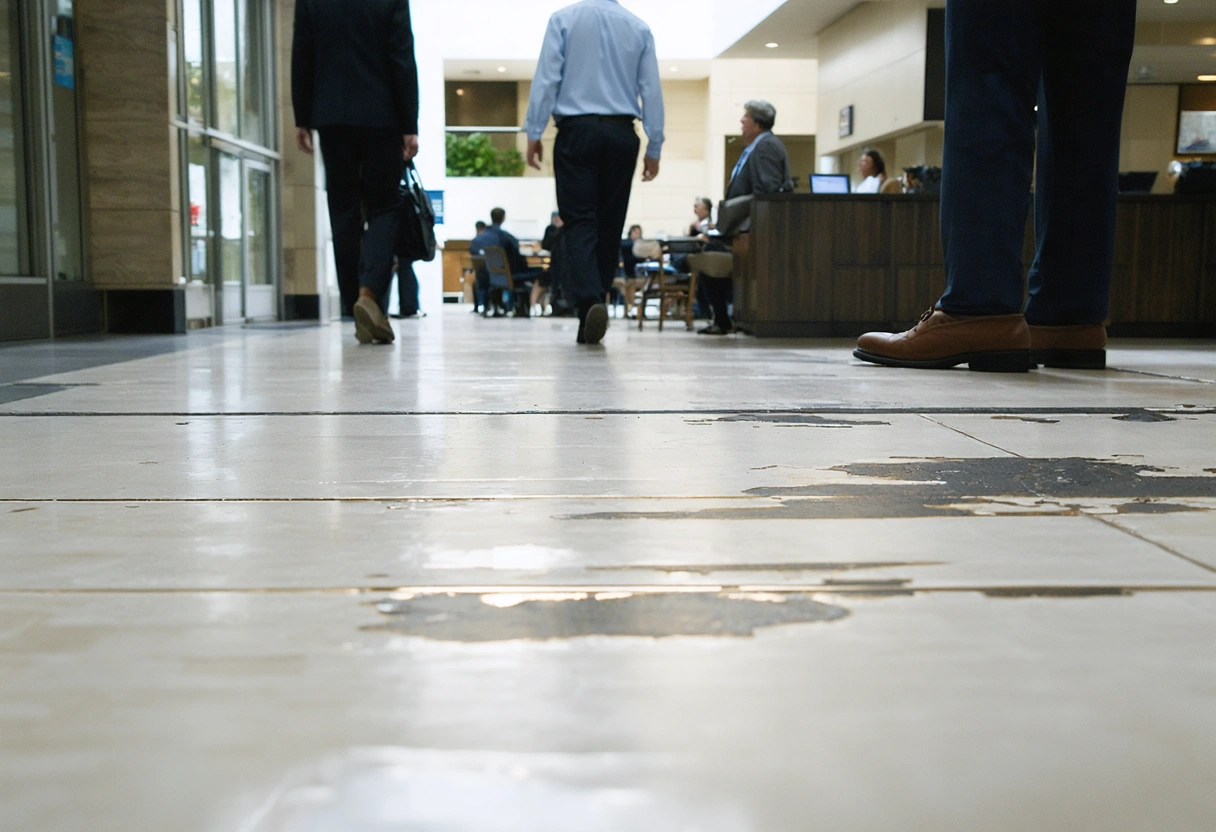
According to the National Safety Council’s statistics on slips, trips, and falls, these incidents are among the leading causes of unintentional injuries in homes and workplaces. A single loose tile, torn carpet edge, or warped floorboard can cause someone to trip and fall, potentially resulting in serious injuries like sprains, fractures, or concussions. Such accidents are not only traumatic for those involved but can also result in legal liabilities, worker’s compensation claims, and increased insurance premiums for property owners.
Health Risks from Mold and Moisture
Water-damaged floors pose another significant safety risk. Moisture trapped beneath wood, laminate, or tile can foster the growth of mold and mildew, which can severely impact indoor air quality and contribute to respiratory issues, allergies, and other health concerns. The EPA’s guide on mold and moisture highlights how unchecked leaks and spills can quickly escalate into widespread health hazards if not addressed through timely floor repairs.
Ignoring floor damage caused by water, such as warped wood or buckling tiles, can also compromise the structural integrity of the subfloor, creating even greater risks over time.
Financial Implications: The True Cost of Procrastination
Many property owners delay floor repairs in an attempt to save money, but this usually backfires. The initial cost of a minor repair pales in comparison to the escalating expenses that accompany deferred maintenance. Let’s break down the most significant financial consequences.
Escalating Repair Bills
Small issues, such as a hairline crack in tile or a squeaky hardwood plank, are typically inexpensive to fix when caught early. However, when floor damage is ignored, it tends to spread, requiring more extensive—and expensive—repairs down the line. For example, a minor water leak under a kitchen floor can quickly lead to widespread rot, mold growth, and the need for complete subfloor replacement, rather than a simple patch or sealant application.
Decreased Property Value
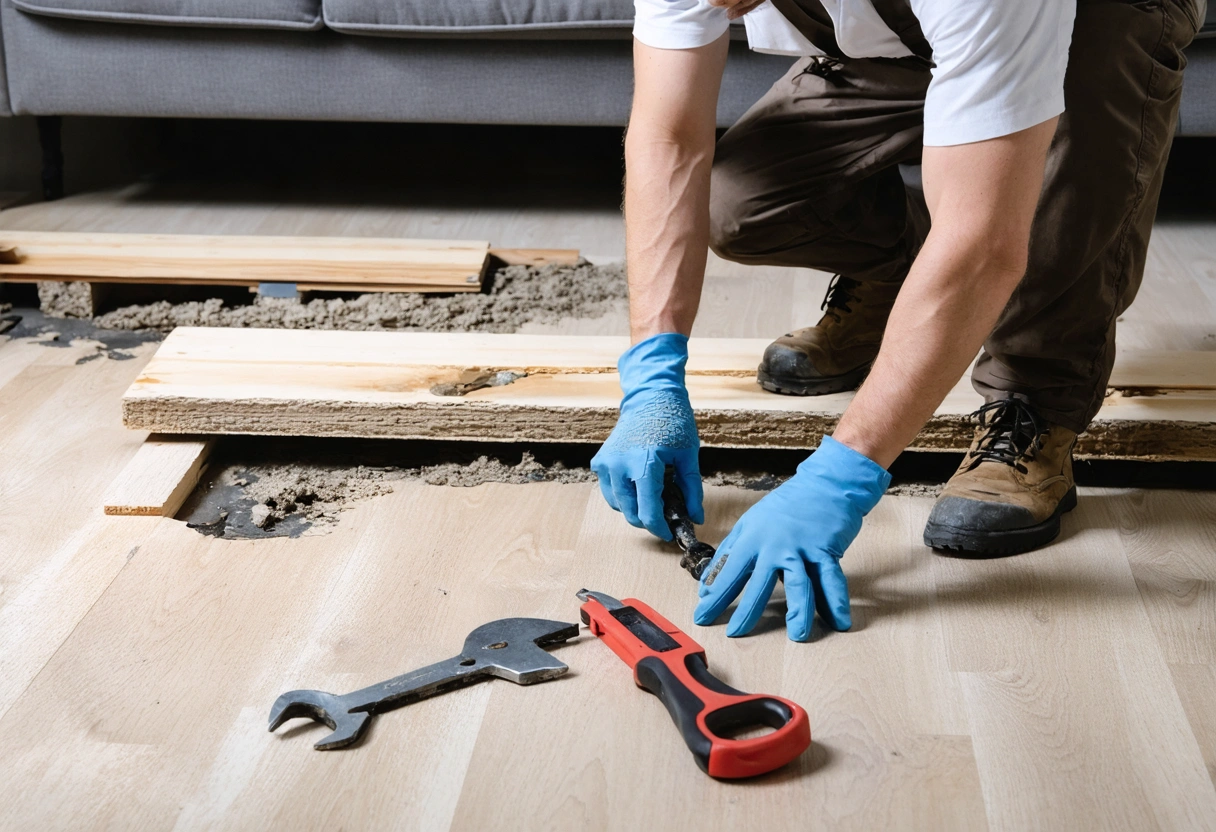
Visible floor damage is a red flag for prospective buyers or tenants. Cracked tiles, warped wood, or stained carpets can significantly reduce a property’s market value and curb appeal. According to NAR’s Remodeling Impact Report, well-maintained floors are a top feature for homebuyers and can yield a high return on investment. Conversely, neglected floors can lead to lower offers or prolonged vacancies, ultimately costing much more than the original repair would have.
Increased Insurance Premiums and Liability
Insurance companies may raise premiums or even deny claims if property damage or injuries are traced back to neglected maintenance. If an accident occurs due to a known floor hazard that was not addressed, the property owner could be held liable in a lawsuit. The costs of legal fees, medical bills, and increased insurance rates can far exceed the investment in timely repairs.
Aesthetic Impact: How Damaged Floors Affect Perception
Floors are one of the first features people notice when entering a space. Damaged, dirty, or poorly maintained flooring can instantly undermine the overall appearance of a home or business, no matter how well the rest of the property is kept.
First Impressions Matter
In commercial settings, such as retail stores, restaurants, or hotels, the state of the flooring plays a crucial role in shaping customer perceptions. A floor with visible cracks, stains, or uneven surfaces can suggest neglect, lack of professionalism, or even unsanitary conditions. This can drive customers away and impact repeat business. Similarly, in residential spaces, guests and potential buyers may perceive neglected floors as a sign of broader maintenance issues, casting doubt on the quality of the entire property.
Impact on Interior Design and Style
Floors are a significant element of interior design, tying together color schemes and enhancing the ambiance of a room. Damaged floors disrupt the visual harmony, making even the most beautifully decorated spaces look tired and unkempt. According to the HGTV guide on flooring in interior design, the right flooring can elevate a space, while poor maintenance can detract from its value and appeal.
Structural Damage: Beyond the Surface
Neglected floor repairs can have far-reaching consequences for a building’s structural integrity. Many floor issues, especially those involving moisture, pests, or repeated stress, can affect not just visible surfaces but also subfloors, joists, and even load-bearing elements.
Subfloor and Foundation Compromise
Persistent leaks or high humidity can seep through cracks and damage the subfloor, leading to rot, warping, or mold growth beneath the surface. In severe cases, this can compromise the stability of the entire floor system, resulting in sagging, bouncing, or even collapse. Repairing subfloor damage is a complex and costly process, often requiring the removal and replacement of large sections of flooring and underlying support structures.
Pest Infestations
Damaged floors can also provide entry points for pests such as termites, ants, or rodents. These pests can exploit cracks, gaps, or soft spots to gain access to hidden areas. Once inside, they may cause further damage to wood, insulation, and wiring. The National Pest Management Association’s article on termite damage outlines the extensive and expensive repairs often required after an infestation, many of which could be prevented through early floor maintenance.
Hidden Health Risks: Allergens, Mold, and More
The health implications of neglected floor repairs go beyond mold exposure. Damaged or worn flooring can harbor dust mites, allergens, and bacteria, posing serious health risks to occupants, especially those with allergies or respiratory conditions.
Carpet and Allergen Accumulation
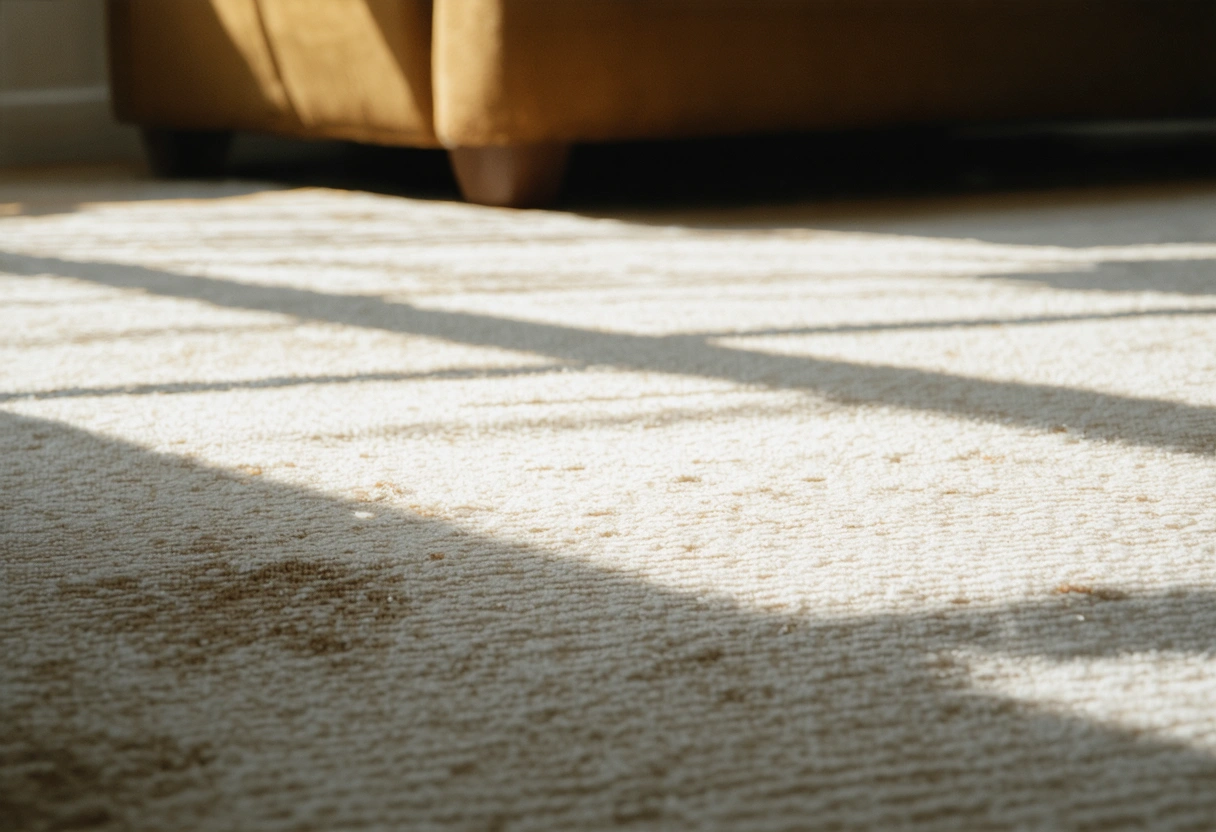
Old or damaged carpets often trap dust, pet dander, and other allergens, which can be released into the air with every step. If carpet seams are ripped or padding is exposed, cleaning becomes ineffective, and contaminants accumulate. The American Academy of Allergy, Asthma, & Immunology’s guide to carpet allergy details how damaged carpets can exacerbate symptoms and why timely repair or replacement is essential for good indoor air quality.
Tile and Grout Issues
Cracked or missing grout in tiled areas allows water to seep underneath, leading to mold growth and bacterial buildup. In kitchens and bathrooms, this can pose a risk of cross-contamination and unpleasant odors. Proper repair and sealing of tiles and grout not only restores aesthetics but also prevents these hidden health risks.
Operational Disruptions: Productivity and Lifestyle Impacts
Neglecting floor repairs can lead to significant disruptions in daily life or business operations. For businesses, a damaged floor may require emergency closures for repairs, impacting revenue and customer satisfaction. In homes, living with damaged floors can limit room usage, cause inconvenience, and reduce overall comfort.
Increased Maintenance Demands
Damaged floors are harder to clean and maintain. Cracks, chips, and warped areas trap dirt and debris, making routine cleaning less effective and more time-consuming. This can lead to a constant cycle of temporary fixes and extra effort, detracting from productivity and quality of life.
Emergency Repairs and Downtime
When neglected floor issues finally demand attention, the repairs are often more extensive and disruptive than if they had been addressed early. Emergency repairs may require moving furniture, closing off sections of a building, or even vacating the premises for safety reasons. This kind of downtime is costly for both businesses and families, affecting routines, operations, and financial stability.
Environmental Considerations: Sustainability and Waste
Floor repair and maintenance are not just financial or aesthetic issues; they also have environmental implications. Replacing large sections of flooring due to neglect generates more waste and consumes more resources than targeted, timely repairs.
Sustainable Practices
By investing in regular floor maintenance, property owners can prolong the lifespan of their flooring materials, reducing the need for frequent replacements. This not only saves money but also lessens the environmental impact associated with manufacturing, transporting, and disposing of flooring products. The US Green Building Council’s guide on sustainable flooring emphasizes how proactive care supports both financial and environmental sustainability.
Responsible Material Usage
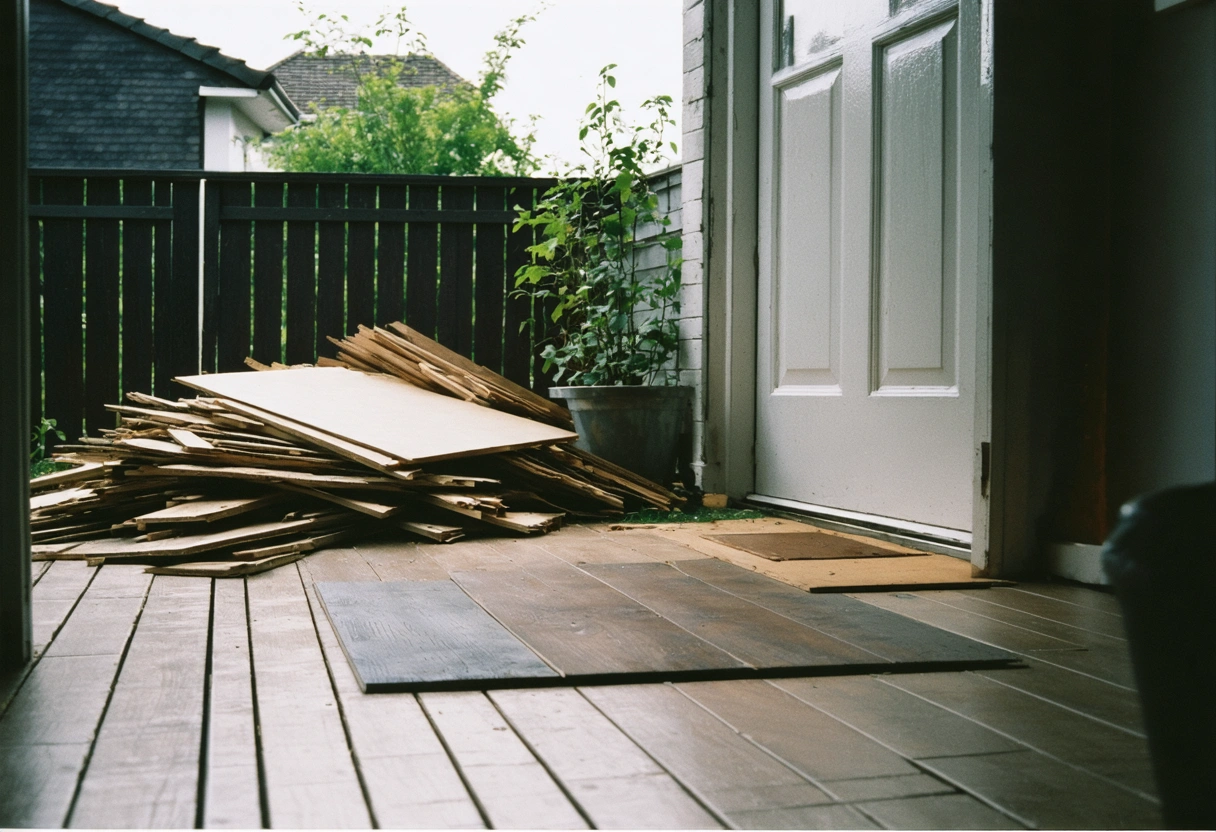
Neglecting repairs often leads to wholesale replacement, which increases landfill waste and the demand for new raw materials. Choosing to repair rather than replace, whenever possible, is a responsible choice that benefits both property owners and the planet.
Proactive Care Pays Off
Floors do far more than provide a surface to walk on; they are central to the safety, beauty, and functionality of every space. Neglecting floor repairs is a false economy that can lead to a host of hidden costs, ranging from personal injury and legal liability to lost property value, health risks, and environmental harm. The longer floor problems are ignored, the more complex and costly they become.
Whether you are a homeowner, landlord, or business operator, prioritizing floor maintenance is one of the most effective ways to protect your investment, ensure safety, and support a healthy and attractive environment. Regular inspections, early intervention, and professional repairs are key strategies to avoid the pitfalls detailed above. By understanding the true costs of neglect, you can make informed decisions that pay dividends for years to come.
Need help with The Hidden Costs of Neglecting Floor Repairs: Safety, Aesthetics, and Beyond?