
How to Determine When Your Floor Needs Repair: Signs and Solutions
Flooring is an essential component of any building, contributing not just to the aesthetic appeal, but also to the structural integrity and functionality of a space. Over time, however, floors can become susceptible to wear and damage, which may necessitate repair or replacement. Knowing when your floor needs attention can save you from more significant problems down the line. In this guide, we will delve into the various signs that indicate your floor might require repair and explore potential solutions.
Introduction
Whether in homes, offices, or any other setting, floors serve as the foundation of our day-to-day activities. They endure constant foot traffic, furniture placement, spills, and more. This constant use can lead to different types of damage over time. While some flooring issues are straightforward, others may require a closer look to diagnose. Being proactive in identifying problems can help maintain the longevity and safety of your floors.
Common Signs Your Floor Needs Repair
Understanding the signs that indicate floor damage is crucial. These signs can vary based on the type of flooring material, but there are universal indicators that apply to most floor types. Recognizing these early can prevent costly repairs in the future.
Uneven or Sagging Floors
One of the most noticeable signs of floor damage is sagging or uneven surfaces. This can result from structural issues, such as settling foundations or joist problems. Uneven floors not only affect the aesthetic appeal of a space but can also pose safety risks, causing tripping hazards. If you notice that your floor is not level, it is essential to investigate the underlying cause and address it promptly.
Cracks and Gaps
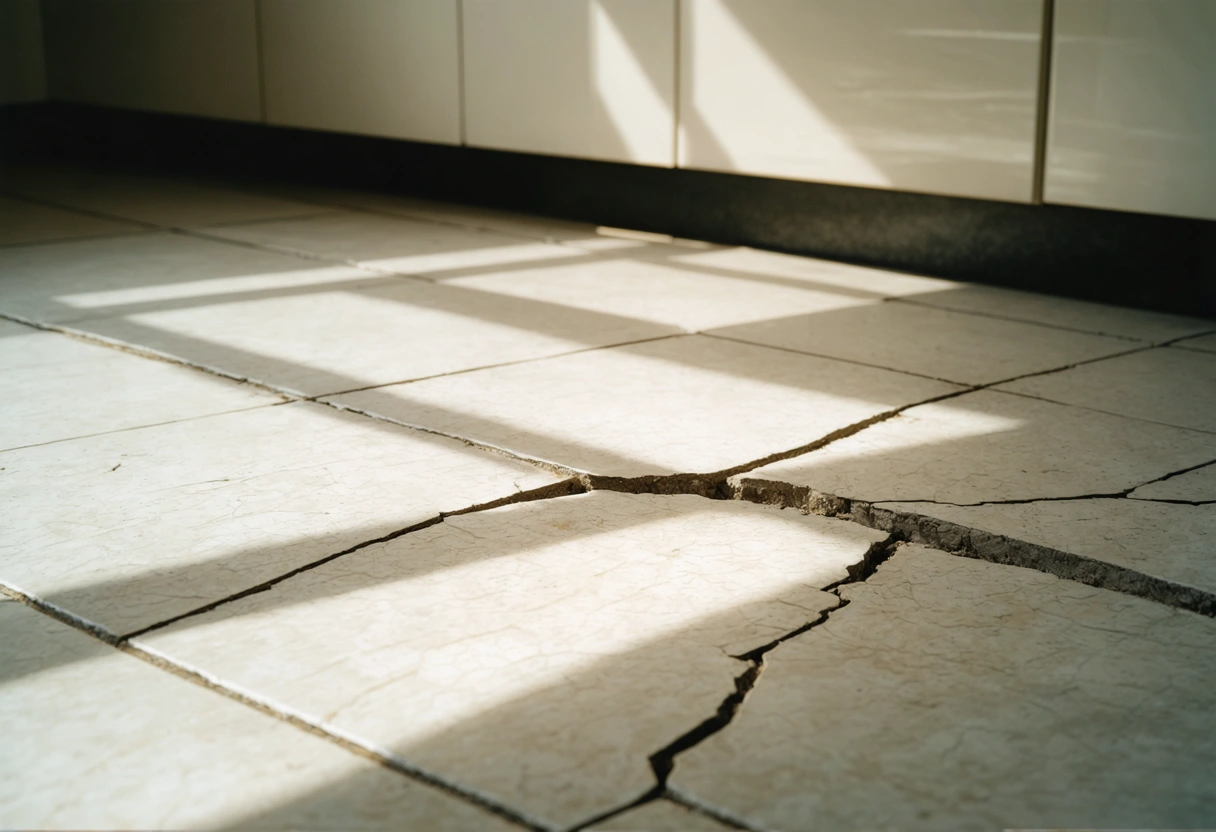
Cracks and gaps can appear in various types of flooring, including tiles, wood, and laminate. These imperfections often occur due to temperature fluctuations, moisture, or improper installation. Over time, they can widen, leading to further damage or allowing moisture to seep in, which can cause additional issues such as mold or rot. If you observe cracks or gaps, it’s advisable to assess whether they are cosmetic or indicative of a larger problem.
Water Damage and Stains
Water damage is a common issue that can affect various flooring types, especially wood and laminate. Signs of water damage include discoloration, warping, or a musty odor. If left unchecked, this can lead to mold growth, which poses health risks. Addressing the source of moisture is crucial before repairing the floor. In some cases, the affected area may need to be replaced entirely to prevent future problems.
Loose or Buckling Floors
Loose or buckling floors are another telltale sign of potential damage. This can occur with tiles, wood, or laminate flooring and often results from moisture exposure or adhesive failure. This issue not only affects the floor’s appearance but can also create a hazardous walking surface. Identifying and repairing the cause, whether it is excess moisture or inadequate installation, is necessary to restore the floor’s condition.
Solutions for Flooring Problems
When it comes to resolving flooring issues, the approach will vary depending on the specific problem and the type of flooring. Here are some common solutions to consider.
Repairing Uneven Floors
For uneven floors, the solution often involves addressing the root cause. In cases of structural settling, reinforcing the subfloor or adjusting the support beams may be necessary. For less severe cases, using self-leveling compounds can help create a smooth surface. Consulting with a professional can provide a clearer understanding of the necessary steps to ensure a level foundation.
Fixing Cracks and Gaps
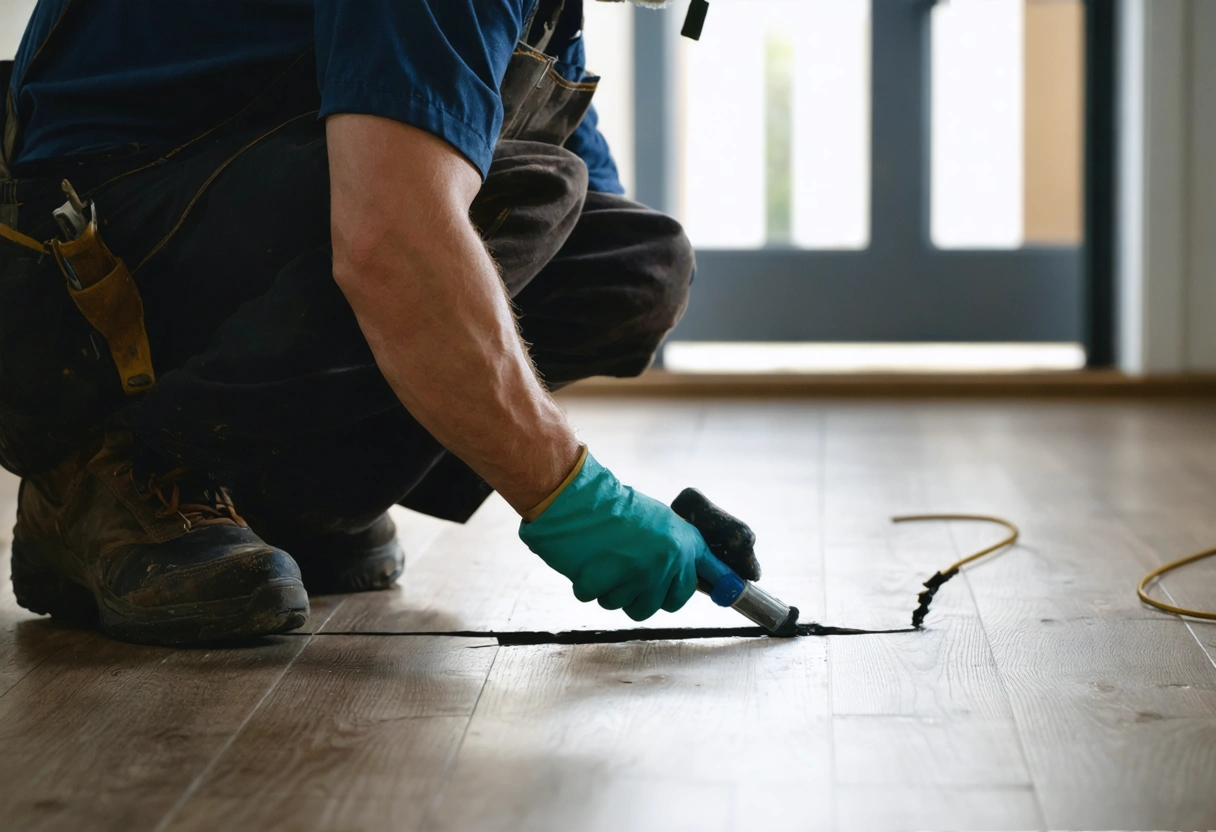
Small cracks and gaps can often be filled with appropriate sealants or fillers, which are designed to blend in with the existing flooring material. For larger gaps, replacing the affected area might be the best course of action. It’s essential to understand the material properties and ensure that any repair work is compatible with the existing floor.
Addressing Water Damage
Water damage repair starts with identifying and eliminating the source of moisture. Once the area is dry, assessing the extent of the damage is crucial. In some cases, sanding and refinishing can restore the floor; however, severe damage might require replacing the affected sections. Using water-resistant materials or finishes can help prevent future occurrences.
Securing Loose or Buckling Floors
Loose or buckling floors generally require reapplication of adhesives or fasteners to secure them in place. For floors affected by moisture, allowing the area to dry thoroughly before reinstallation is important. In some instances, replacing the affected boards or tiles might be necessary to achieve a seamless repair.
Preventive Measures to Maintain Your Floor
Prevention is the best strategy to extend the life of your floors. Regular maintenance and being attentive to the early signs of wear can help you avoid significant repairs.
Regular Cleaning and Maintenance
Keeping floors clean is fundamental to their longevity. Regular sweeping, vacuuming, and mopping can prevent the buildup of dirt and grime, which can cause scratches. Using appropriate cleaning products for your floor type will also help maintain its finish and prevent damage.
Controlling Moisture Levels
Moisture is a common enemy of many flooring types. Employing dehumidifiers in damp areas and ensuring proper ventilation can help maintain optimal moisture levels. Additionally, promptly addressing spills and leaks can prevent water damage from developing.
Using Protective Measures
Protective measures such as using rugs or mats in high-traffic areas can minimize wear. Felt pads under furniture can prevent scratches, while entry mats can reduce the amount of dirt brought inside. These simple steps can significantly reduce the risk of damage over time.
Takeaways
Flooring plays a vital role in the functionality and aesthetic of any space. By understanding the signs of damage and the appropriate solutions, you can effectively manage your flooring needs. Regular maintenance and prompt attention to potential issues are essential for preserving your floors’ beauty and durability. Whether you are dealing with sagging, cracks, or water damage, addressing these problems early can save you from costly repairs and ensure your floors remain in top condition for years to come.
Remember to consult with professionals when in doubt, as they can provide the expertise needed to tackle even the most challenging flooring problems. With the right care and attention, your floors can continue to serve as a reliable and attractive foundation for your daily activities.
In addition to the reactive measures and preventive strategies already discussed, it is beneficial to explore the different repair and maintenance techniques tailored to specific types of flooring. Each material has unique characteristics that require specific handling to ensure longevity and performance.
Material-Specific Flooring Repair Techniques
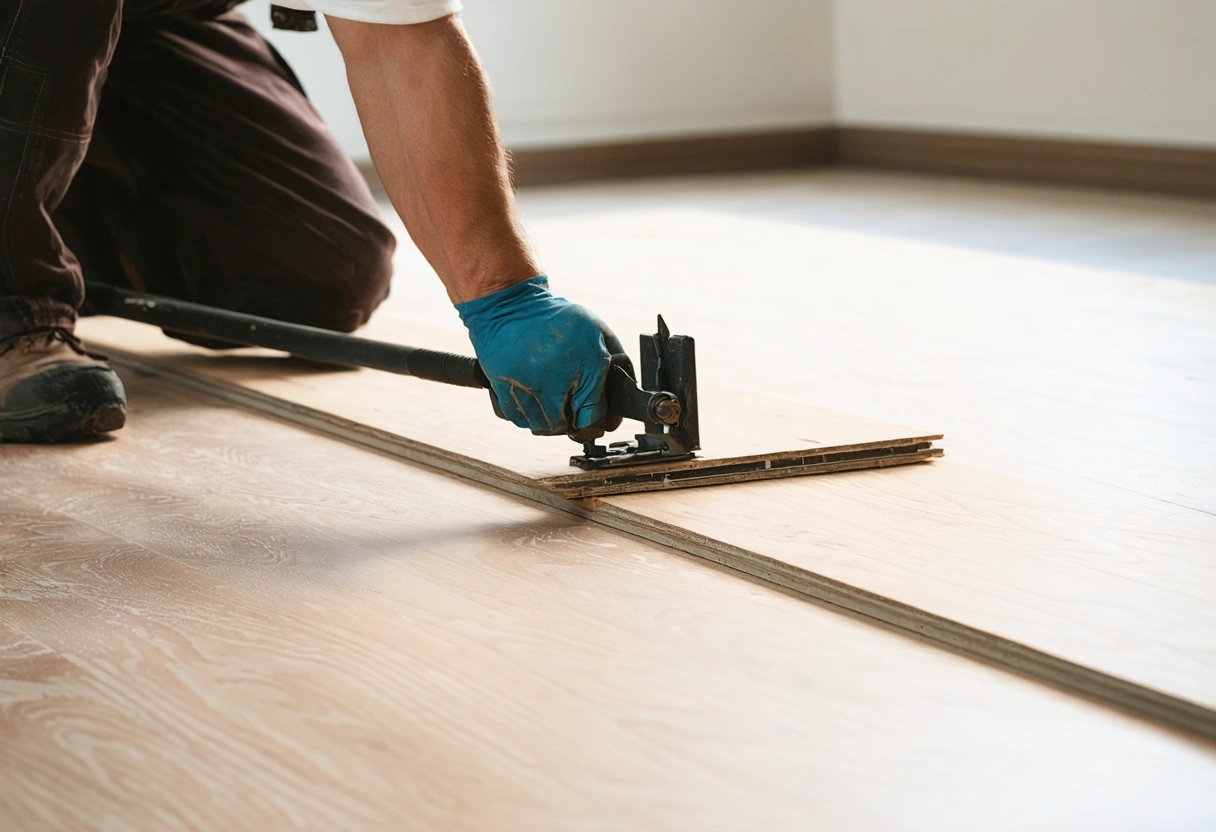
Given the diversity of flooring materials available, from hardwood and laminate to tile and vinyl, each requires specific approaches to repair and maintenance. Understanding these differences can help you make informed decisions about how to address issues effectively.
Hardwood Flooring
Hardwood floors are prized for their natural beauty and durability, but they can be susceptible to scratches, dents, and water damage. One of the most common repair techniques is sanding and refinishing, which involves removing the top layer to reveal fresh wood underneath. This process not only eliminates surface imperfections but also restores the floor’s original sheen. For localized damage, such as deep scratches or gouges, replacing individual planks might be necessary. It’s important to match the new planks with the existing flooring to maintain a cohesive appearance.
Laminate Flooring
Laminate flooring is known for its affordability and ease of installation, but it can be vulnerable to moisture and physical damage. Unlike hardwood, laminate cannot be sanded and refinished. Instead, damaged sections often need to be replaced. Fortunately, many laminate floors are designed with click-lock mechanisms, making it relatively straightforward to remove and replace individual boards. Ensuring adequate moisture barriers and using protective pads under furniture can help prevent future damage.
Tile Flooring
Tile flooring, whether ceramic, porcelain, or stone, is highly durable and resistant to many forms of wear. However, it is not immune to cracking or chipping. Repairing tile floors usually involves removing the damaged tile and replacing it with a new one. It’s crucial to have extra tiles on hand from the original installation to ensure a perfect match. Grout repair is another common issue with tile floors. Over time, grout can become discolored or crack, necessitating re-grouting to restore the appearance and function of the floor.
Vinyl Flooring
Vinyl flooring is a versatile and durable option that can mimic the look of wood, stone, or tile. It is relatively resistant to scratches and stains, but can still suffer from tears or dents. Repair techniques for vinyl include patching small areas with matching pieces or using a vinyl repair kit to fill in minor imperfections. For larger areas of damage, replacing the affected section might be the best option. Because vinyl is typically installed as a single sheet or in large planks, it requires careful cutting and fitting to ensure seamless repairs.
The Role of Professional Flooring Services
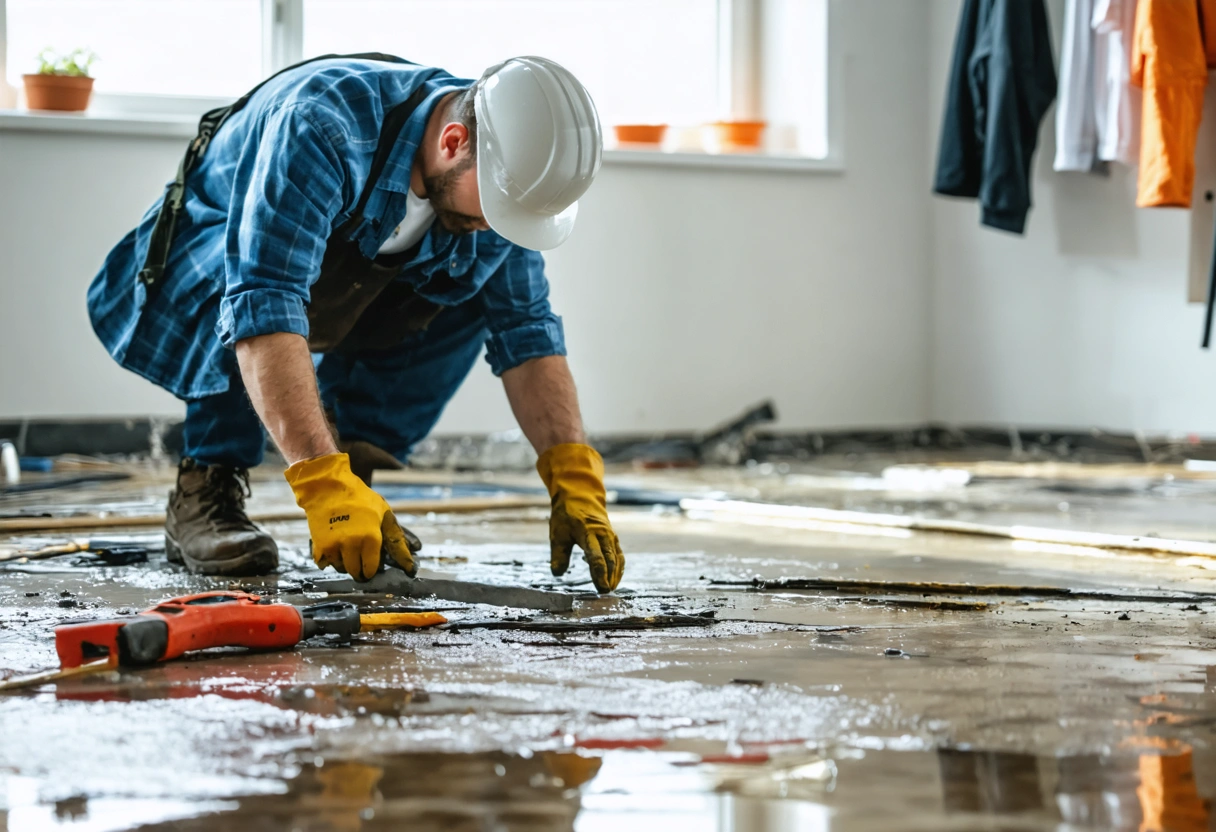
While many minor repairs and maintenance tasks can be handled by homeowners, there are situations where professional intervention is necessary. Professional flooring services offer expertise and tools that can address more complicated issues efficiently and effectively.
When to Call a Professional
Complex issues such as extensive water damage, structural problems, or large-scale repairs often require professional attention. Qualified flooring experts can assess the situation accurately, recommend the best course of action, and execute repairs to a high standard. Additionally, they can provide valuable advice on preventive measures and maintenance practices tailored to your specific flooring type.
Choosing the Right Flooring Professional
When selecting a flooring professional, it’s important to consider their experience, specialization, and reputation. Look for service providers with positive reviews and a proven track record of successful repairs. Asking for recommendations from friends or family and verifying credentials can also help ensure you choose a reliable professional.
Conclusion and Final Thoughts
Maintaining the condition and appearance of your flooring is an ongoing process that requires vigilance, timely intervention, and sometimes professional assistance. By understanding the signs of damage and the appropriate repair techniques, you can prolong the life of your floors and keep them looking their best. Whether you are dealing with hardwood, laminate, tile, or vinyl, knowing when to undertake DIY repairs and when to seek professional help is key to successful floor maintenance.
Ultimately, floors are a significant investment and an integral part of your home or business environment. Taking the time to care for them properly not only enhances your space’s aesthetics but also contributes to its overall value and functionality. With careful attention and the right strategies, you can ensure that your floors remain a beautiful and durable foundation for years to come.
Need help with How to Determine When Your Floor Needs Repair: Signs and Solutions?