
Introduction
When it comes to choosing flooring options for your property, the decision can be daunting. Two popular choices that property owners often consider are tile and laminate flooring. Both materials offer unique benefits and drawbacks that can influence your choice depending on your specific needs and preferences. This comprehensive comparison outlines the key differences, advantages, and considerations to help you make an informed decision.
Both tile and laminate have been staples in the flooring industry for years, offering durability, style, and affordability. They are also known for their versatility in various settings, from residential homes to commercial properties. Understanding the characteristics of each can lead you to a flooring choice that aligns perfectly with your desired aesthetic, budget, and lifestyle.
Tile Flooring: An In-Depth Look
Types of Tile Flooring
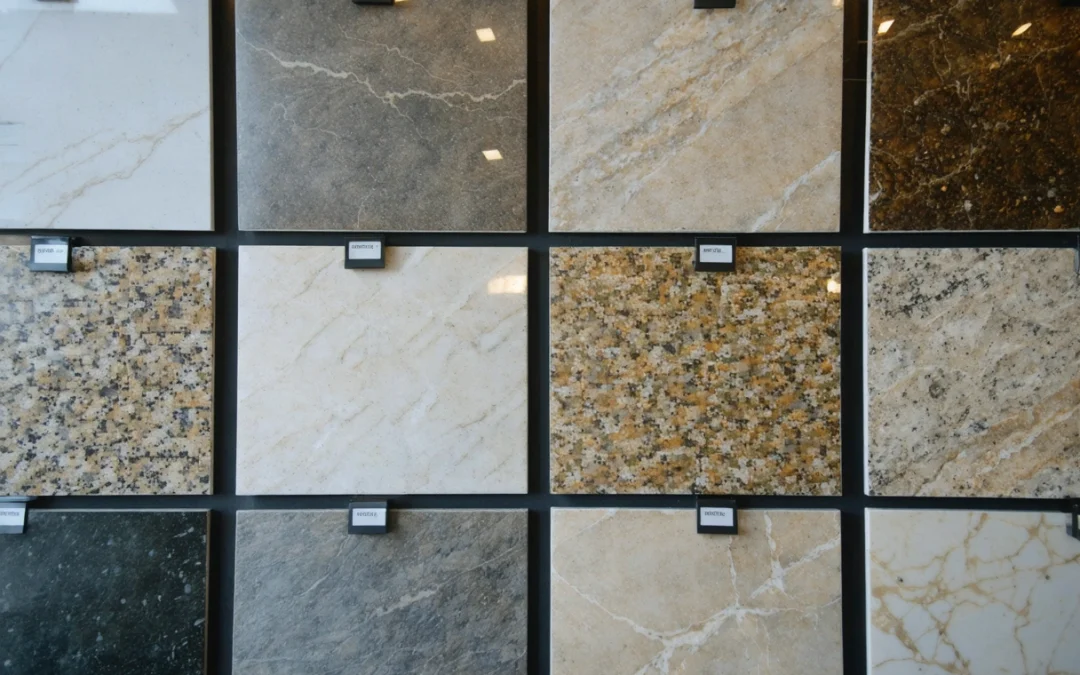
Tile flooring comes in a variety of materials, including ceramic, porcelain, and natural stone. Each type of tile has its unique properties that affect its performance and appearance. Ceramic tiles are made from clay and are known for their affordability and versatility in design. Porcelain tiles are denser and less porous, making them suitable for high-moisture areas like bathrooms and kitchens. Natural stone tiles, such as marble and granite, offer a luxurious appearance but require more maintenance.
The choice of tile depends on factors such as the area of installation, the desired visual appeal, and the expected foot traffic. For a detailed guide on selecting tile types, consider exploring resources that delve into the specifics of each material’s advantages and limitations.
Advantages of Tile Flooring
One of the significant advantages of tile flooring is its durability. Tiles are resilient to scratches, dents, and stains, making them an ideal choice for high-traffic areas. They are also resistant to water and humidity, which makes them a perfect fit for bathrooms, kitchens, and entryways. Furthermore, tile floors are excellent conductors of heat, making them compatible with radiant heating systems.
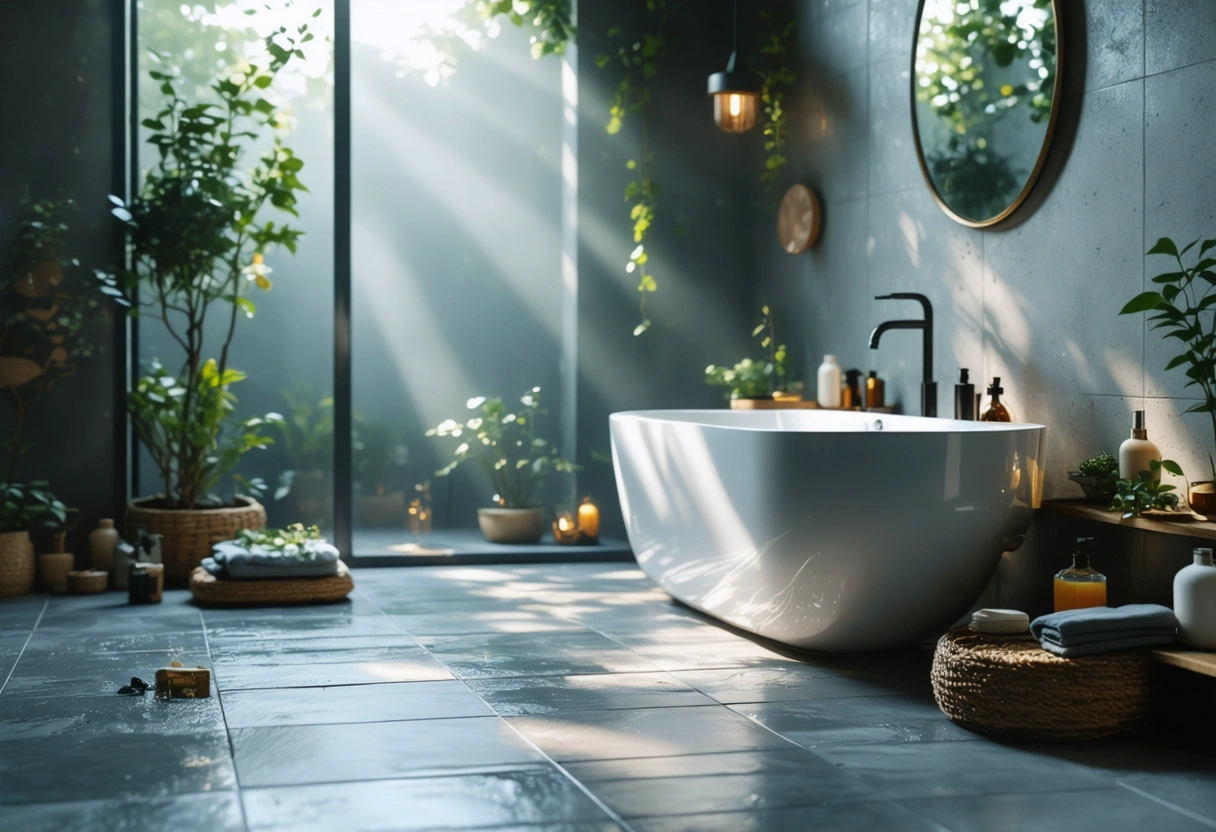
Another benefit is the wide range of design options available. From intricate patterns to solid colors, tiles can be customized to match any aesthetic preference. They can also mimic the appearance of wood or stone, offering a budget-friendly alternative to more expensive materials.
Considerations for Tile Flooring
Despite its advantages, tile flooring comes with some considerations. The installation process can be labor-intensive and costly, often requiring professional assistance to ensure proper placement and sealing. Additionally, tile surfaces can be cold and hard underfoot, potentially leading to discomfort during prolonged standing periods.
Maintenance is another factor to consider. While tiles themselves are easy to clean, the grout lines can be prone to staining and may require regular sealing and cleaning. For a comprehensive understanding of tile and grout maintenance, it is advisable to look into specialized cleaning and care tips.
Laminate Flooring: An In-Depth Look
Composition and Types
Laminate flooring is composed of multiple layers, including a photographic applique layer that simulates the appearance of wood, stone, or other materials. The top layer is a protective coating that provides resistance to wear and tear. Laminate is available in various textures, such as embossed, hand-scraped, or smooth finishes, allowing for a diverse range of aesthetic choices.
The core layer of laminate is typically made of high-density fiberboard, which offers stability and strength. For more insights into laminate flooring construction, exploring detailed guides can provide valuable information on the composition and performance of different laminate products.
Advantages of Laminate Flooring
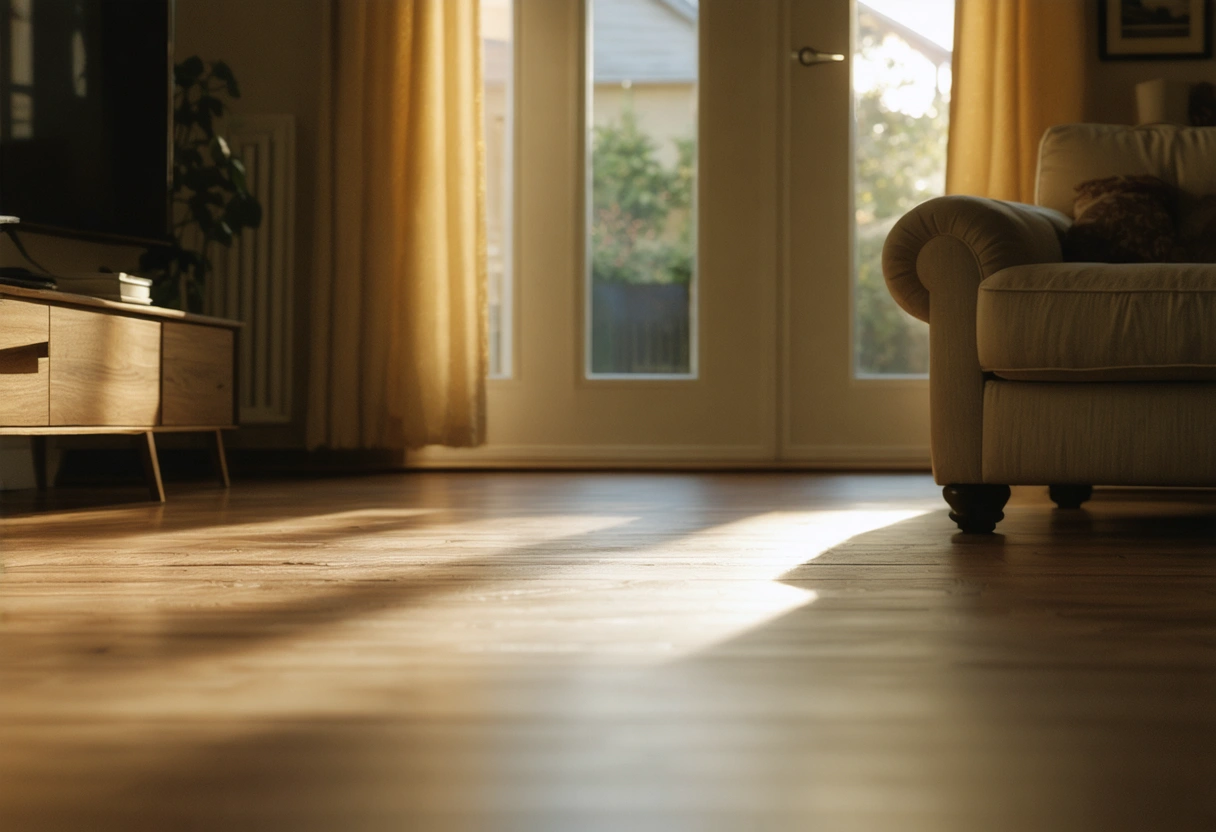
Affordability is one of the primary advantages of laminate flooring. It offers the look of natural materials at a fraction of the cost, making it an attractive option for budget-conscious property owners. Installation is also relatively straightforward, with many laminate products featuring a click-and-lock system that allows for DIY installation without the need for adhesives.
Laminate flooring is highly resistant to scratches and dents, thanks to its durable top layer. It also offers some resistance to moisture, although not to the same extent as tile. Additionally, laminate floors are softer and warmer underfoot compared to tile, providing more comfort for walking and standing.
Considerations for Laminate Flooring
One of the primary considerations for laminate flooring is its susceptibility to water damage. While it can handle occasional spills, prolonged exposure to moisture can lead to warping and swelling. Therefore, it may not be suitable for areas with high humidity or frequent water exposure, such as bathrooms.
Another factor to consider is the lifespan of laminate flooring. While durable, it may not last as long as tile and cannot be refinished. Once the wear layer is compromised, the flooring may need to be replaced. For an extensive comparison of laminate flooring longevity and care, it is beneficial to consult expert reviews and recommendations.
Comparing Tile and Laminate
Cost Considerations
When comparing the costs of tile and laminate flooring, several factors come into play. While the initial material cost of tile can be higher, its durability often translates to a longer lifespan, potentially reducing the need for replacement over time. Laminate flooring, on the other hand, offers a lower upfront cost and may be the more economical choice for short-term installations or budget projects.
Installation costs should also be considered. Tile installation is generally more labor-intensive and expensive, while laminate installation is straightforward and can often be completed without professional help. For a deeper dive into DIY laminate installation, exploring step-by-step guides can be immensely helpful.

Environmental Impact
The environmental impact of flooring materials is an increasingly important consideration for many property owners. Tile is made from natural materials and can be more environmentally friendly if sourced responsibly. However, the manufacturing process for some tiles can be energy-intensive.
Laminate flooring, while often made from recycled materials, involves synthetic components and adhesives, which can have environmental implications. It is essential to consider the sourcing and production practices of the manufacturers when assessing the environmental impact of either flooring option. For a broader perspective, resources on eco-friendly flooring choices can provide valuable insights.
Takeaways
Choosing between tile and laminate flooring involves careful consideration of various factors, including cost, durability, maintenance, and environmental impact. Both options offer unique advantages that can suit different needs and preferences. Tile is a robust, long-lasting choice for high-moisture areas and those seeking a luxurious finish, while laminate provides an affordable, easy-to-install alternative with a wide range of styles.
Ultimately, the decision will depend on your specific requirements, budget, and personal taste. By understanding the characteristics and benefits of each flooring type, property owners can make informed decisions that enhance the beauty and functionality of their space. Whichever option you choose, ensuring proper installation and maintenance will help maximize the life and performance of your flooring.
Maintenance Tips for Tile and Laminate Flooring
Maintaining Tile Flooring
Proper maintenance is crucial to preserving the appearance and longevity of tile flooring. Regular sweeping and mopping with a mild detergent can keep tiles looking fresh and clean. It’s important to avoid abrasive cleaners or harsh chemicals that could damage the surface of the tiles. For grout lines, a mixture of baking soda and water can be used to gently scrub away stains and prevent discoloration.
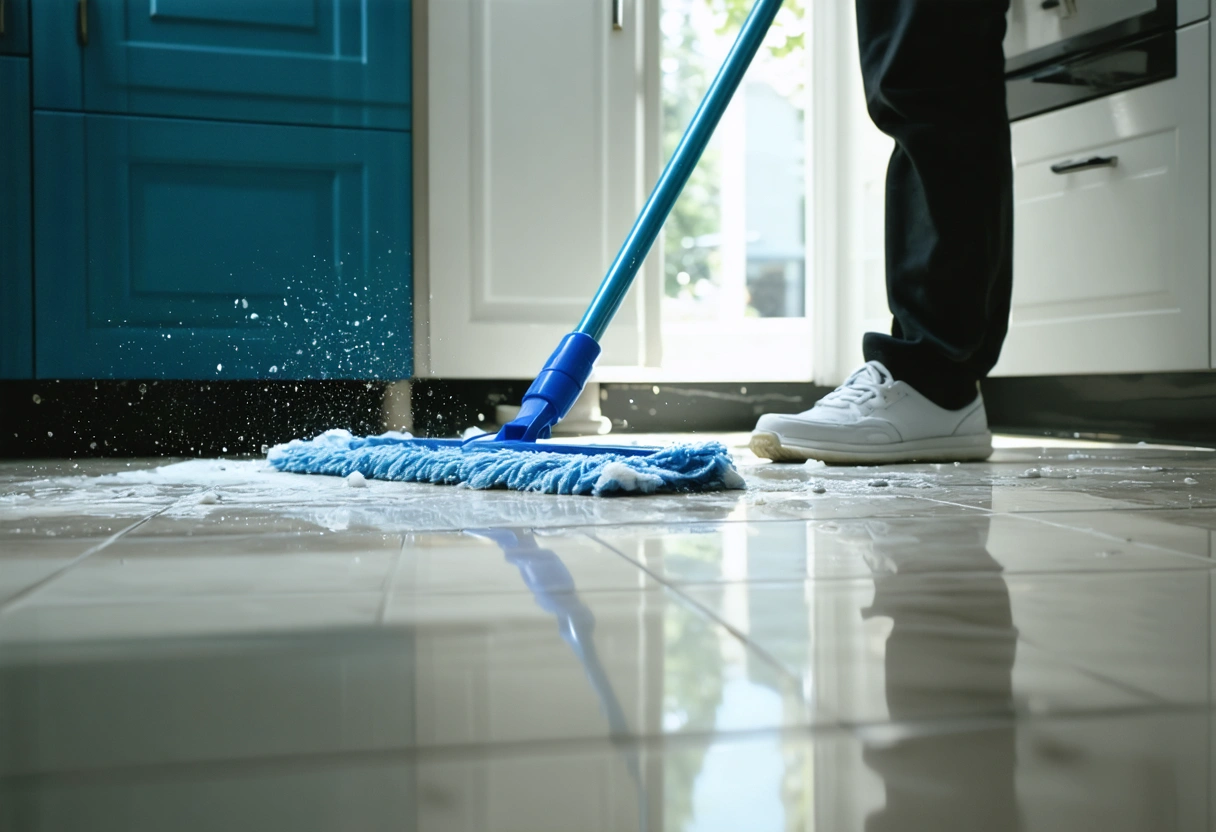
Sealing grout lines periodically can prevent moisture infiltration and reduce the likelihood of mold or mildew growth. For those considering professional cleaning, consulting with experts on the best practices for tile floor maintenance can provide additional guidance and tips.
Maintaining Laminate Flooring
Laminate flooring maintenance is generally straightforward, requiring regular sweeping or vacuuming to remove dust and debris. For spills and stains, a damp cloth or mop with a laminate-approved cleaner is recommended. It’s crucial to avoid excessive water, as standing moisture can seep into the seams and cause swelling or damage.
Protecting laminate floors from scratches and dents is also important. Using furniture pads and rugs in high-traffic areas can help minimize wear and tear. For a comprehensive list of do’s and don’ts, exploring laminate floor care resources can offer valuable insights to maintain their pristine condition.
Design and Aesthetic Considerations
Tile Design Options
Tile flooring offers a plethora of design possibilities, from classic subway tiles to intricate mosaics. Property owners can opt for bold patterns and colors to make a statement or choose neutral tones for a timeless look. Tiles can be arranged in various layouts such as herringbone or basketweave, allowing for creative expression in any space.
Additionally, tile can be combined with other materials like glass or metal inserts to elevate the design further. For inspiration on how to integrate unique tile designs, exploring galleries and design showcases can provide fresh ideas and innovative approaches.
Laminate Design Options
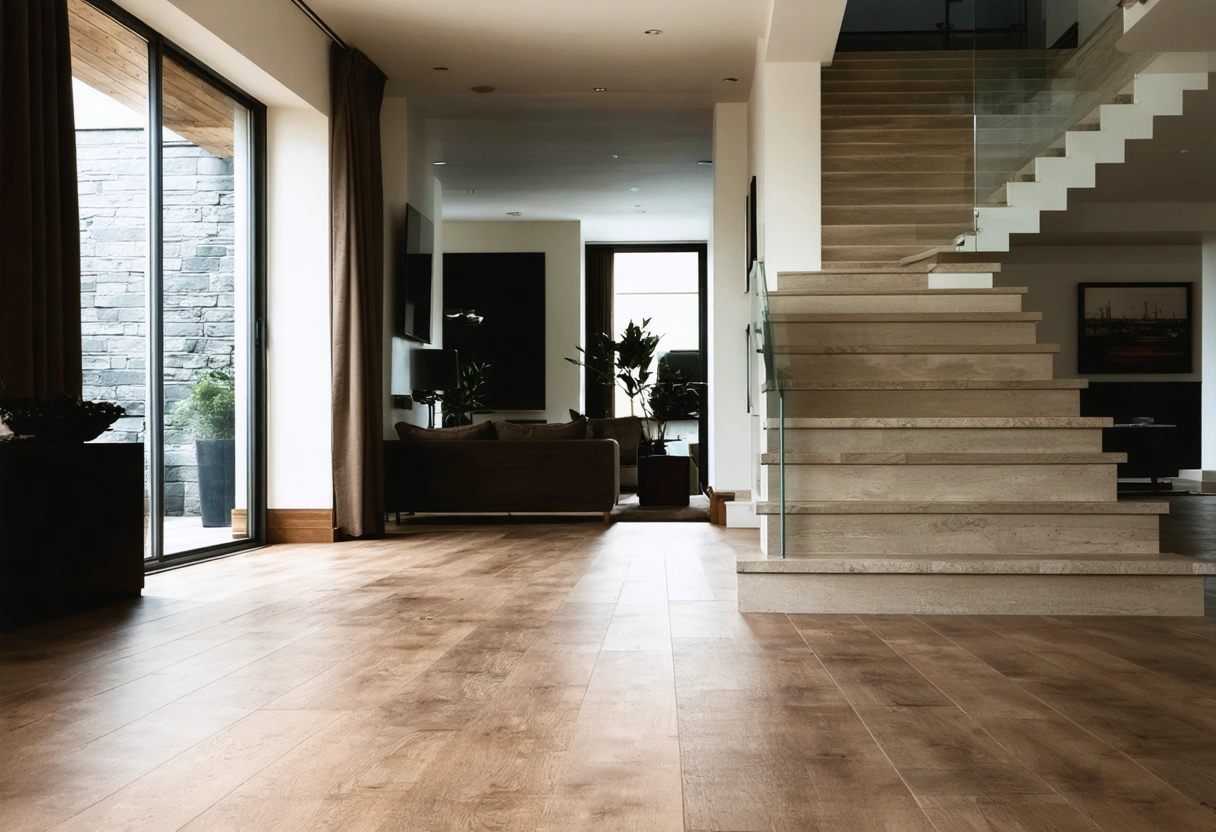
Laminate flooring’s versatility in design is one of its main attractions. With advancements in printing technology, laminate can convincingly mimic the look of natural wood, stone, or even ceramic tiles. This allows property owners to achieve the desired aesthetic without the associated costs of natural materials.
The range of styles, from rustic hand-scraped wood to sleek modern finishes, ensures there is an option for every taste. For those seeking to explore the latest trends in laminate design, resources on laminate flooring trends can be particularly enlightening.
Choosing the Right Flooring for Your Property
When deciding between tile and laminate flooring, consider the specific needs of your property. Evaluate the areas where the flooring will be installed, considering factors such as moisture levels, foot traffic, and the overall design vision for the space. Tile may be preferable in wet areas or places that require exceptional durability, while laminate might be best suited for living spaces where comfort and cost are primary considerations.
Consulting with flooring professionals can also provide personalized insights based on your property’s unique characteristics. By weighing the pros and cons, understanding maintenance requirements, and considering design preferences, you can select the flooring option that best aligns with your goals and lifestyle.
Final Thoughts
Ultimately, both tile and laminate flooring offer excellent options for enhancing the beauty and functionality of a property. Each material comes with its distinct advantages and challenges, making it essential to evaluate your personal needs and circumstances. Whether you prioritize durability, aesthetic flexibility, or budget considerations, there is a flooring solution that will meet your requirements.
By investing time in research and consultation, property owners can make confident decisions that enhance their living environments for years to come. Whichever path you choose, the right flooring will undoubtedly add value and style to your property, creating a welcoming atmosphere for all who enter.
Need help with Tile vs. Laminate: A Comprehensive Comparison for Property Owners?