
The Impact of Grout Sealing on Property Value: An In-Depth Analysis
When considering home improvement projects that can boost your property’s value, grout sealing may not immediately spring to mind. Yet, the impact of grout sealing on property value is both profound and often underestimated. This comprehensive analysis explores how grout sealing contributes to a property’s longevity, visual appeal, and overall market value. Whether you are a homeowner preparing to sell or a property investor seeking to maximize asset returns, understanding the multifaceted benefits of grout sealing is essential.
In this detailed guide, we will examine the science behind grout sealing, its effect on property aesthetics and maintenance, the economic advantages, and how it influences buyer perceptions. We will also provide expert recommendations and resources for further education on the topic. Let’s delve into how this often-overlooked process can yield significant returns for property owners.
What Is Grout Sealing?
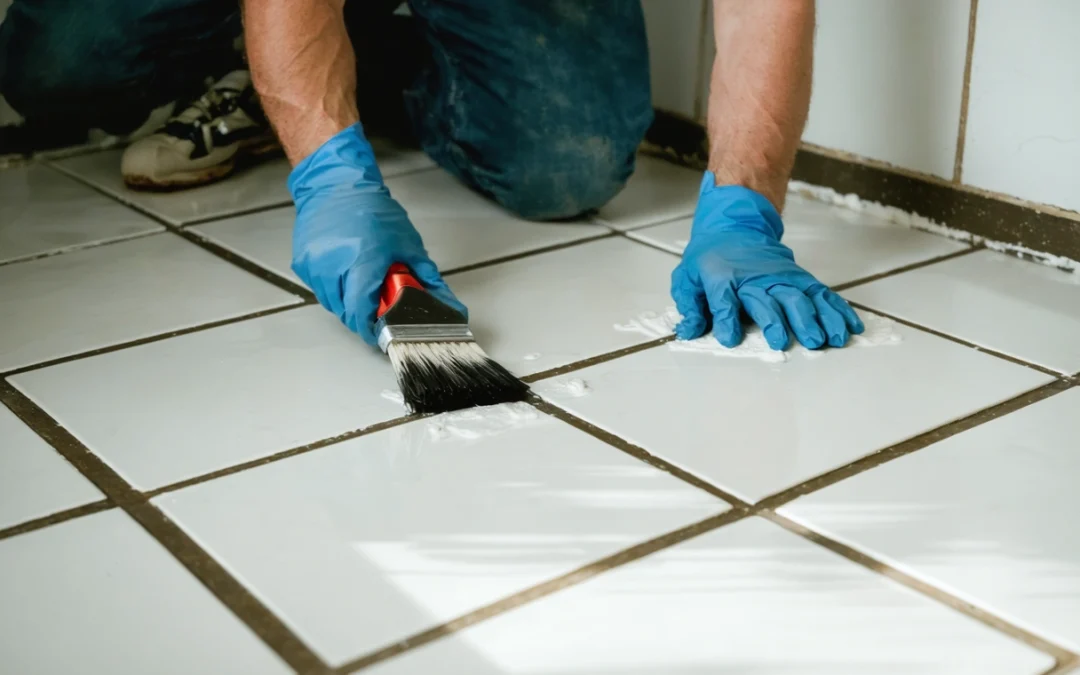
Grout sealing is the application of a protective barrier to the grout lines found between tiles. This barrier is typically a liquid sealant that penetrates the porous grout and forms a shield against moisture, stains, mold, and bacteria. Grout is inherently porous, which means it can absorb liquids, dirt, and debris, leading to discoloration and damage over time.
The process of grout sealing is applicable to various tiled surfaces, including floors, showers, backsplashes, and countertops. By sealing grout, property owners can significantly extend the lifespan and enhance the appearance of their tile installations. For a deeper understanding of grout types and their properties, refer to this informative guide on tile grout types.
The Science Behind Grout Deterioration
Grout deterioration is a common issue in both residential and commercial properties. Over time, unsealed grout absorbs water, oil, and other contaminants. This absorption not only leads to unsightly staining but also compromises the structural integrity of the tiled area. Moisture trapped in grout lines can foster the growth of mold and mildew, which not only damages the surface but can also pose health risks to occupants.
Furthermore, in regions with significant humidity or temperature fluctuations, the expansion and contraction of tiles can exacerbate grout cracking and crumbling. Sealing grout effectively mitigates these risks by creating a hydrophobic barrier, preventing the ingress of contaminants and reducing the likelihood of damage. This proactive step is especially critical in high-moisture areas such as bathrooms and kitchens.
Common Types of Grout Sealers
There are two main categories of grout sealers: penetrating sealers and membrane-forming sealers. Penetrating sealers soak into the grout and protect from within, while membrane-forming sealers create a surface layer that repels moisture and stains. The selection of sealer depends on the location, type of grout, and frequency of exposure to water and contaminants.
For an in-depth comparison of sealer types and their specific applications, consider consulting this comprehensive grout sealer overview.
The Aesthetic Impact of Grout Sealing
First impressions matter greatly in real estate. The visual appeal of tiled surfaces can significantly influence a potential buyer’s perception of a property. Clean, bright, and well-maintained grout lines contribute to a fresh and inviting atmosphere, whereas stained or deteriorating grout can detract from the overall look of a space.
Grout sealing helps maintain the original color of grout, prevents discoloration, and makes routine cleaning much easier. This preserves the aesthetic value of kitchens, bathrooms, and entryways, which are often focal points during property showings. Sealed grout also reduces the risk of persistent mold stains, which can be particularly off-putting to buyers who are concerned about cleanliness and indoor air quality.
Enhancing Curb Appeal and Marketability
Real estate professionals frequently emphasize the importance of curb appeal and interior presentation. Properties with immaculate tiles and grout lines are more likely to attract positive attention during open houses and online listings. High-quality images showcasing sparkling grout can set a property apart in competitive markets.
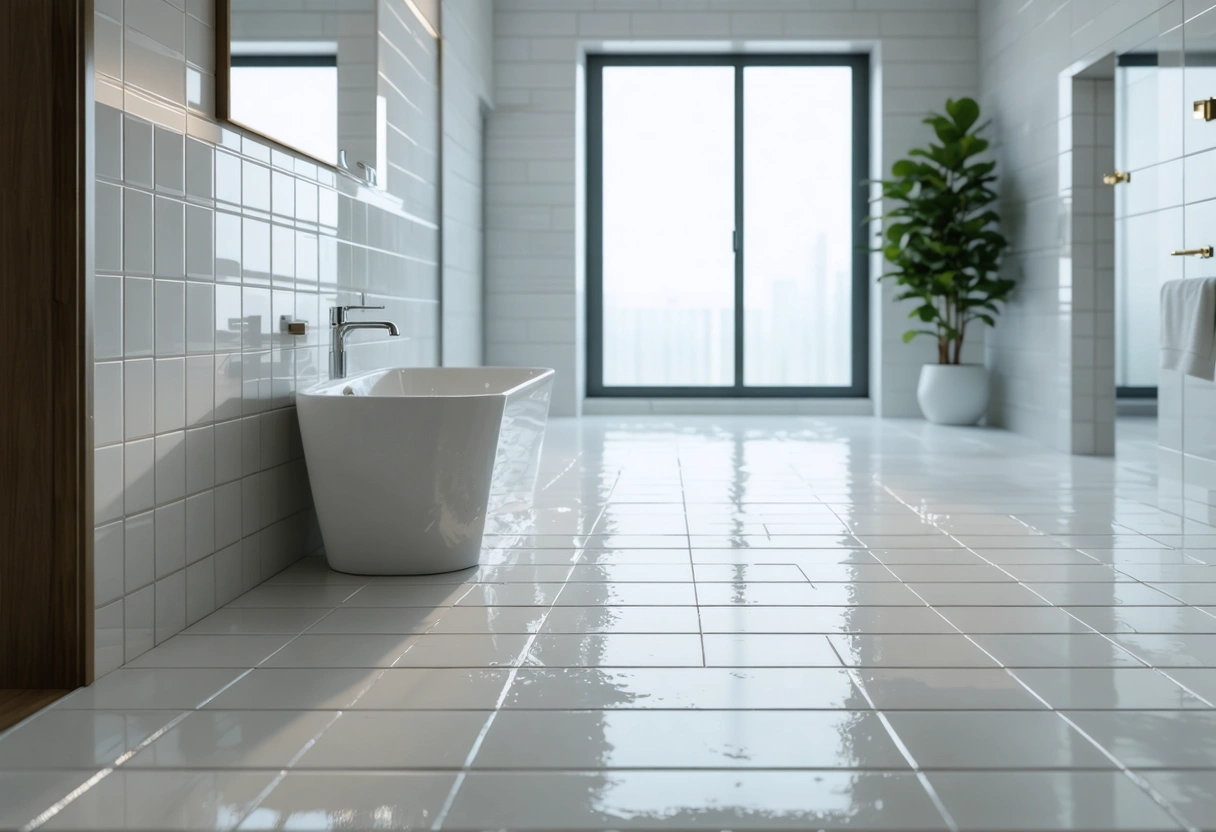
Additionally, potential buyers often associate well-maintained grout with overall property care. This perception can translate into increased trust and a willingness to pay a premium. For strategies on boosting curb appeal, visit this resource on curb appeal tips.
The Economic Advantages of Grout Sealing
One of the most compelling reasons to invest in grout sealing is the potential for long-term cost savings. Unsealed grout is susceptible to staining, cracking, and even the loosening of tiles. Addressing these issues often requires costly repairs or complete tile replacement. By proactively sealing grout, property owners can prevent these expenses and protect their investment.
Furthermore, regular grout sealing can extend the life of tiled surfaces by several years. This translates to fewer renovations and lower maintenance costs over the lifespan of the property. For landlords and property managers, the ability to present clean, damage-free tiles between tenancies can also reduce vacancy periods and command higher rental rates.
Return on Investment (ROI) Considerations
The cost of grout sealing is relatively modest compared to the potential expenses involved in tile repair or replacement. Many professional services offer grout sealing for both new and existing installations, making it an accessible upgrade for most property owners. According to industry analyses, simple cosmetic improvements like grout sealing can yield a substantial return on investment at resale.
For more information on home improvement projects with high ROI, check out this annual cost vs. value report.
Grout Sealing and Indoor Health
Beyond aesthetics and economics, grout sealing plays a crucial role in maintaining a healthy indoor environment. Unsealed grout can harbor mold, mildew, and bacteria, particularly in damp areas like showers and around sinks. These microorganisms not only cause unpleasant odors but can also trigger allergies and respiratory issues in sensitive individuals.
Sealed grout reduces the likelihood of microbial growth by repelling moisture and making surfaces easier to clean. This is particularly important in homes with young children, elderly residents, or anyone with compromised immune systems. By investing in grout sealing, property owners can ensure a safer and more hygienic living space.
Grout Sealing in Commercial Properties
In commercial settings such as hotels, restaurants, and healthcare facilities, grout sealing is often considered a standard maintenance practice. These businesses must comply with strict health and sanitation regulations, and sealed grout is a simple yet effective way to meet these standards. The reputation of a business can hinge on cleanliness, making grout sealing an essential element of property management.
For a closer look at the connection between indoor air quality and maintenance practices, refer to this EPA resource on indoor air quality.
Buyer Perceptions and the Modern Real Estate Market
Today’s homebuyers are more informed and discerning than ever before. They often pay close attention to the details that signal a well-maintained property. During showings or inspections, clean and sealed grout lines indicate that the property has been cared for meticulously, which can instill confidence and reduce buyer hesitation.

Conversely, stained or crumbling grout can be a red flag that raises concerns about broader maintenance issues or hidden damage. This can lead to lower offers, prolonged time on the market, or demands for concessions during negotiations. By sealing grout, sellers can eliminate a common point of contention and position their property more favorably in the eyes of buyers.
Trends in Home Improvement Priorities
The rise of social media and online home listings has shifted the focus toward high-impact visual improvements. Prospective buyers and renters are increasingly making decisions based on photos and virtual tours. Ensuring that all visible surfaces, including grout lines, are pristine has never been more important.
This trend is expected to continue as technology makes it easier for buyers to scrutinize properties remotely. For insights into how digital marketing is changing real estate, explore this report on real estate in a digital age.
Best Practices for Grout Sealing
To maximize the benefits of grout sealing, it’s important to follow best practices and use high-quality materials. The process typically involves thorough cleaning of the grout, application of the chosen sealer, and allowing adequate drying time. For new tile installations, grout should cure for at least 48 to 72 hours before sealing.
Periodic resealing is recommended, especially in high-traffic or wet areas. Most professionals suggest resealing every one to two years, though some advanced sealers may last longer. Proper technique ensures that the sealer penetrates evenly and provides consistent protection across all grout lines.
DIY vs. Professional Grout Sealing
While many homeowners opt for do-it-yourself grout sealing kits, hiring a professional can guarantee optimal results, especially for larger or more complex areas. Professionals have access to commercial-grade sealers and equipment that may outperform consumer products. They can also identify any issues with the grout that should be addressed before sealing.
For a step-by-step guide on how to seal grout and maintain tile surfaces, visit this instructional article on grout sealing.
<h
Potential Pitfalls and Considerations
Although grout sealing is a highly effective maintenance practice, there are a few potential pitfalls and considerations to keep in mind. Not all types of grout require sealing; for example, epoxy grout is naturally resistant to moisture and stains and does not benefit from additional sealing. Applying sealer to the wrong type of grout can lead to a cloudy or uneven finish, diminishing both appearance and effectiveness.
Another common mistake is inadequate surface preparation. If grout lines are not thoroughly cleaned and allowed to dry before sealing, trapped dirt and moisture can become sealed in place, leading to discoloration or mold growth beneath the surface. Additionally, over-application of sealer can result in a sticky residue that attracts dirt, making the grout harder to clean in the long run.
It’s also important to choose a sealer that is compatible with the specific needs of your environment. High-traffic areas, outdoor spaces, and locations exposed to frequent spills may require more robust or specialized sealers. Consulting with a professional or thoroughly researching product labels can help ensure the best results for your particular situation.
Environmental and Health Considerations
Modern grout sealers are designed to be safe and low in volatile organic compounds (VOCs), but it is still wise to ventilate the area during application and drying. Some older or industrial-grade sealers may contain chemicals that require additional precautions, such as wearing gloves or masks. Choosing environmentally friendly products can reduce your property’s ecological footprint and make the process safer for occupants.
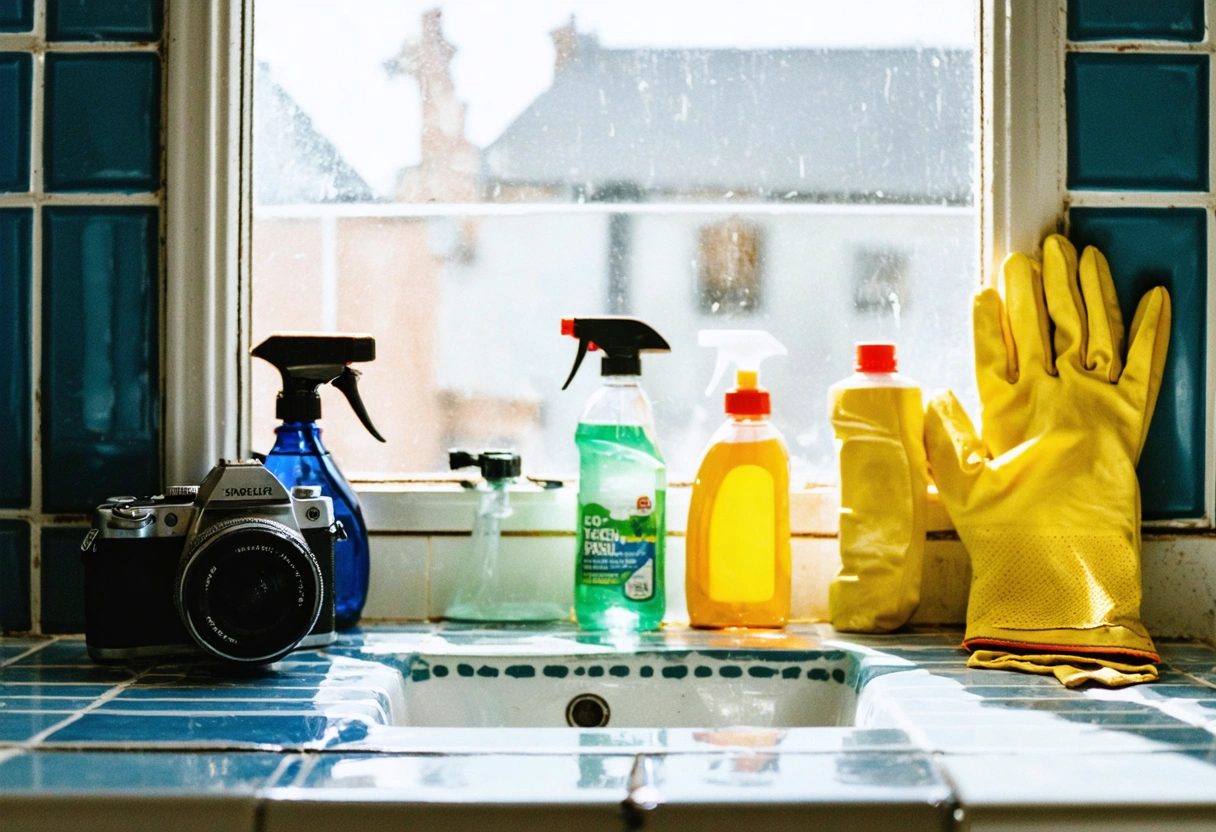
For those interested in sustainable home maintenance, look for grout sealers that are certified by reputable organizations or labeled as low-VOC. These products contribute to better indoor air quality and support broader efforts to create healthier living environments.
Case Studies: Real-World Examples of Grout Sealing Impact
To highlight the tangible benefits of grout sealing on property value, let’s examine a few real-world scenarios. In a mid-sized suburban home, the owners invested in professional grout cleaning and sealing throughout the kitchen and bathrooms prior to listing the property. Prospective buyers consistently commented on the “like-new” condition of the tiled surfaces, leading to multiple offers and a final sale price that exceeded the neighborhood average.
In another example, a property management firm overseeing several rental units implemented a routine grout sealing program. Over the course of two years, maintenance requests related to tile and grout issues dropped by over 60 percent. This reduction in repair costs, combined with improved tenant satisfaction and retention, significantly increased the net operating income for the property owner.
Luxury condominium developments have also embraced grout sealing as a value-add. By marketing units with sealed and protected tile work, developers have been able to command higher purchase prices and attract discerning buyers who prioritize quality finishes and low-maintenance living.
The Long-Term View
These case studies illustrate that grout sealing is not just a cosmetic upgrade but a strategic investment in a property’s long-term value. Whether for single-family homes, multi-unit complexes, or commercial spaces, the benefits of sealed grout accumulate over time, yielding both financial and operational advantages.
By proactively addressing one of the most vulnerable aspects of tiled surfaces, property owners can avoid the cycle of recurring repairs and maintain a competitive edge in the real estate market.
How Grout Sealing Complements Other Home Improvements
Grout sealing works synergistically with other home improvement projects to create a cohesive, well-maintained property. For example, after a kitchen remodel or bathroom renovation, sealing the grout can help preserve the fresh appearance of new tiles and fixtures. It also pairs well with upgrades such as new flooring, cabinetry, or lighting, ensuring that every detail contributes to a polished final result.
Home inspectors and appraisers often take note of the condition of tiled surfaces when evaluating a property. Sealed grout lines can reinforce the impression of high-quality workmanship and diligent upkeep, supporting higher appraised values and smoother transactions during the sale process.
Integrating Grout Sealing into Maintenance Schedules
Incorporating grout sealing into your routine maintenance schedule is a proactive way to protect your investment. Many property owners choose to reseal grout at the same time as other periodic tasks, such as deep cleaning, HVAC servicing, or exterior power washing. This holistic approach streamlines property management and ensures that no aspect of your home or building is neglected.

For landlords and real estate investors, having a documented maintenance history that includes grout sealing can be a valuable selling point when negotiating with buyers or attracting new tenants.
Expert Opinions and Industry Best Practices
Industry professionals universally recommend grout sealing as an essential step in tile maintenance. Leading home improvement experts agree that the modest investment in sealing pays off by preventing much costlier repairs down the line. Many recommend sealing grout not only in wet areas but also in high-traffic hallways, foyers, and commercial lobbies.
Some organizations, such as the Tile Council of North America, provide technical resources and best practices for grout installation and care. These guidelines stress the importance of proper surface preparation, product selection, and regular resealing to maintain optimal performance.
When to Seek Professional Help
While DIY grout sealing is feasible for many homeowners, certain circumstances warrant professional intervention. Complex tile layouts, extensive damage, or high-value properties may benefit from the expertise of a specialist. Professionals can also provide warranties on their work, offering additional peace of mind for property owners.
Consulting with a tile and grout expert can help you develop a customized maintenance plan tailored to your property’s unique needs and usage patterns.
Elevating Property Value Through Grout Sealing
In the competitive world of real estate, the details matter. Grout sealing stands out as a cost-effective, high-impact improvement that safeguards both the beauty and durability of your tiled surfaces. From preventing unsightly stains and damage to enhancing visual appeal and supporting healthy indoor environments, the benefits of grout sealing are far-reaching.
For homeowners, landlords, and property investors alike, grout sealing represents a smart strategy for maximizing property value, reducing maintenance costs, and creating a lasting impression on buyers and tenants. By integrating grout sealing into your maintenance routine and staying informed about best practices, you can enjoy both immediate and long-term returns on your investment.
To further explore the science and techniques behind effective grout sealing, consider reviewing resources such as the importance of grout sealing in maintenance. Empower yourself with knowledge, and take the next step toward protecting and enhancing your property value today.
Frequently Asked Questions About Grout Sealing and Property Value
As grout sealing continues to gain recognition as a valuable property maintenance practice, homeowners and property investors often have questions about its process, benefits, and impact on value. Below, we address some of the most commonly asked questions to provide additional clarity and help you make informed decisions regarding your property’s upkeep.
How Often Should Grout Be Sealed?
The frequency of grout sealing depends on the type of sealer used, the location of the tiles, and the level of foot traffic or moisture exposure. In most residential settings, experts recommend sealing grout every one to two years. High-traffic or wet areas, such as showers and entryways, may require more frequent attention. Some modern sealers offer extended protection, but it’s wise to inspect grout lines regularly for signs of wear, discoloration, or water absorption.
Does Grout Sealing Increase Home Appraisal Value?
While grout sealing itself might not be itemized as a separate line in a formal home appraisal, its positive effects substantially contribute to the overall impression of quality and care. Appraisers and inspectors often factor in the condition of tiled surfaces when assessing a property’s value. Freshly sealed, well-maintained grout lines can help secure a higher appraisal by minimizing potential red flags and repair recommendations, supporting a smoother sales process.
Can Grout Sealing Prevent Mold and Mildew?
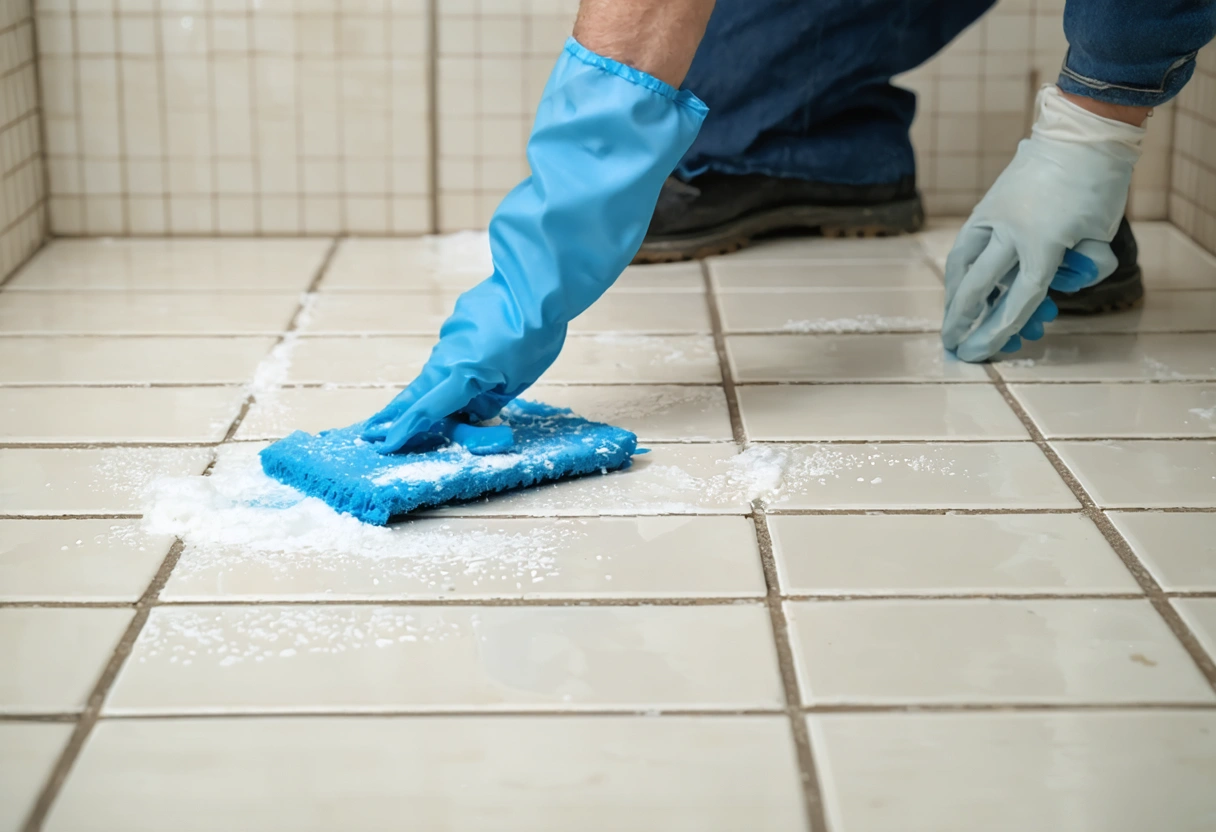
Yes, grout sealing plays a key role in reducing the risk of mold and mildew formation. By creating a moisture-resistant barrier, sealed grout is less likely to absorb water and provide a hospitable environment for mold spores. This is especially critical in bathrooms, kitchens, and other damp areas where mold and mildew are most likely to thrive. For detailed information on preventing mold in the home, consult this CDC guide on dampness and mold.
Is Professional Grout Sealing Worth the Investment?
While DIY options are available and can be effective for small areas, professional grout sealing often delivers superior results. Professionals have the expertise, tools, and access to commercial-grade products that can last longer and provide more thorough protection. For properties with extensive tile work or when preparing a home for sale, professional services can be a worthwhile investment, yielding both immediate aesthetic improvements and long-term durability.
What Are the Signs That Grout Needs to Be Resealed?
- Grout quickly absorbs water or darkens when wet
- Visible staining or discoloration that persists after cleaning
- Cracking, crumbling, or loose grout between tiles
- Increased difficulty in cleaning grout lines
- Growth of mold or mildew on grout surfaces
Regular inspection of your grout lines will help you catch these signs early and address resealing needs before more serious issues develop.
Future Trends: Grout Sealing in Modern Property Management
As property owners and managers continue to seek effective ways to optimize asset longevity and value, grout sealing is poised to become an even more integral part of routine maintenance. Advances in sealer technology, including longer-lasting formulas and environmentally friendly options, are making grout protection easier and more accessible than ever.
The future of property management will likely see increased reliance on proactive measures like grout sealing, particularly as buyers and tenants become more discerning about the health, cleanliness, and appearance of interiors. Agencies and investors who adopt these best practices will be better positioned to command premium prices and maintain strong reputations in the marketplace.
Smart Home Integration and Maintenance Tracking
Another emerging trend is the integration of maintenance schedules into smart home management systems. Digital reminders for tasks such as grout sealing can help property owners stay ahead of maintenance needs, ensuring that no detail is overlooked. This data-driven approach not only preserves property value but also enhances the overall living experience for residents.
For a look into the future of smart home maintenance and property care, explore this analysis of smart home technology trends.
Final Thoughts: Making Grout Sealing a Priority
In summation, grout sealing offers a multitude of benefits that extend far beyond simple aesthetics. Its impact on property value is significant, influencing not only the appearance and durability of tiled surfaces but also the health and satisfaction of occupants. As a cost-effective, high-ROI improvement, grout sealing deserves a place on every property owner’s maintenance checklist.
By understanding the process, recognizing the warning signs, and investing in quality products or professional services, you can ensure that your property stands out in today’s competitive real estate environment. Don’t underestimate the power of well-maintained grout lines to sway buyer opinions and drive long-term value.
Whether you are preparing to sell, managing rental properties, or simply safeguarding your own home, grout sealing stands as one of the simplest yet most effective ways to protect and enhance your investment for years to come.
Need help with The Impact of Grout Sealing on Property Value: An In-Depth Analysis?