
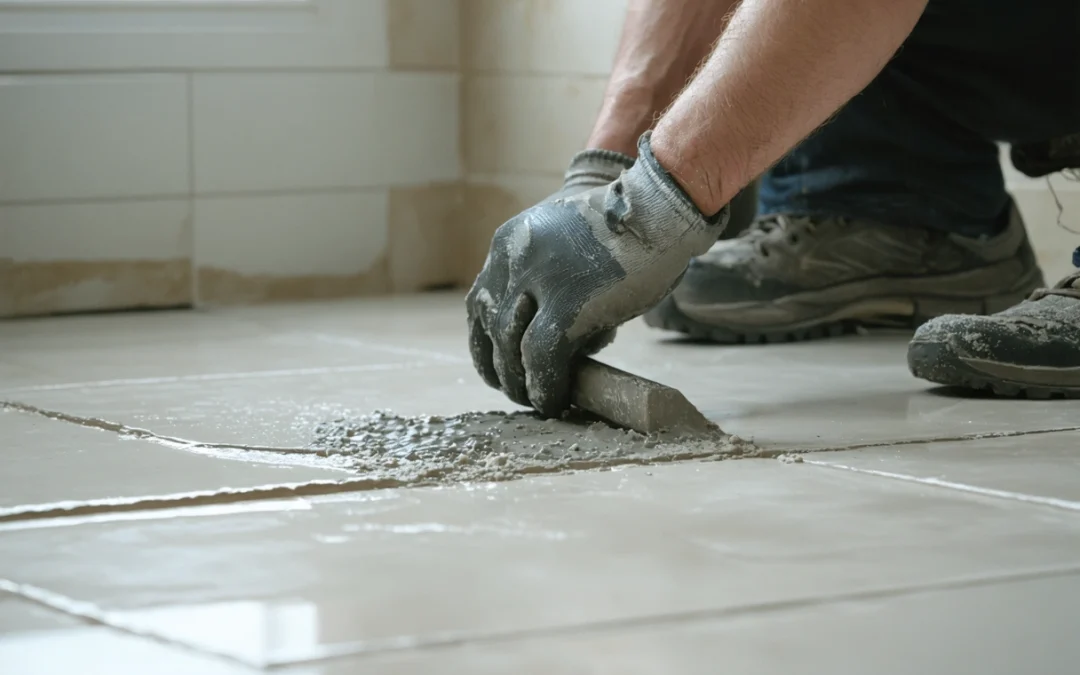
The Science Behind Grout: What Makes It Essential for Your Flooring?
When it comes to flooring, the focus typically gravitates towards the choice of tiles, wood, or other surface materials. However, an often overlooked yet crucial component is grout. This seemingly simple mixture plays a vital role in the longevity, aesthetics, and functionality of your flooring. But what exactly is grout, and why is it indispensable? To understand its significance, we must delve into the science behind grout.
What is Grout?
Grout is a dense fluid, typically a mixture of water, cement, and sand. It is used to fill gaps, reinforce structures, and deliver stability to the tiles. Unlike mortar, which is thicker and primarily used to bond bricks or stones together, grout is thinner and flows easily into the crevices between tiles. This characteristic allows it to effectively fill the joints, providing a seamless finish.
The composition of grout can vary depending on its application. For instance, epoxy grout is made from resin and a filler powder, offering increased stain resistance and durability compared to traditional cementitious grout. Understanding these variations can help you make an informed decision about which type of grout is best suited for your specific flooring needs.
The Chemistry of Grout
The chemical makeup of grout is fundamental to its function. Traditional cementitious grout consists of Portland cement mixed with water and sand. When water is added to the dry mixture, a hydration reaction occurs, leading to the formation of calcium silicate hydrate. This reaction is responsible for the hardening and strength of the grout.
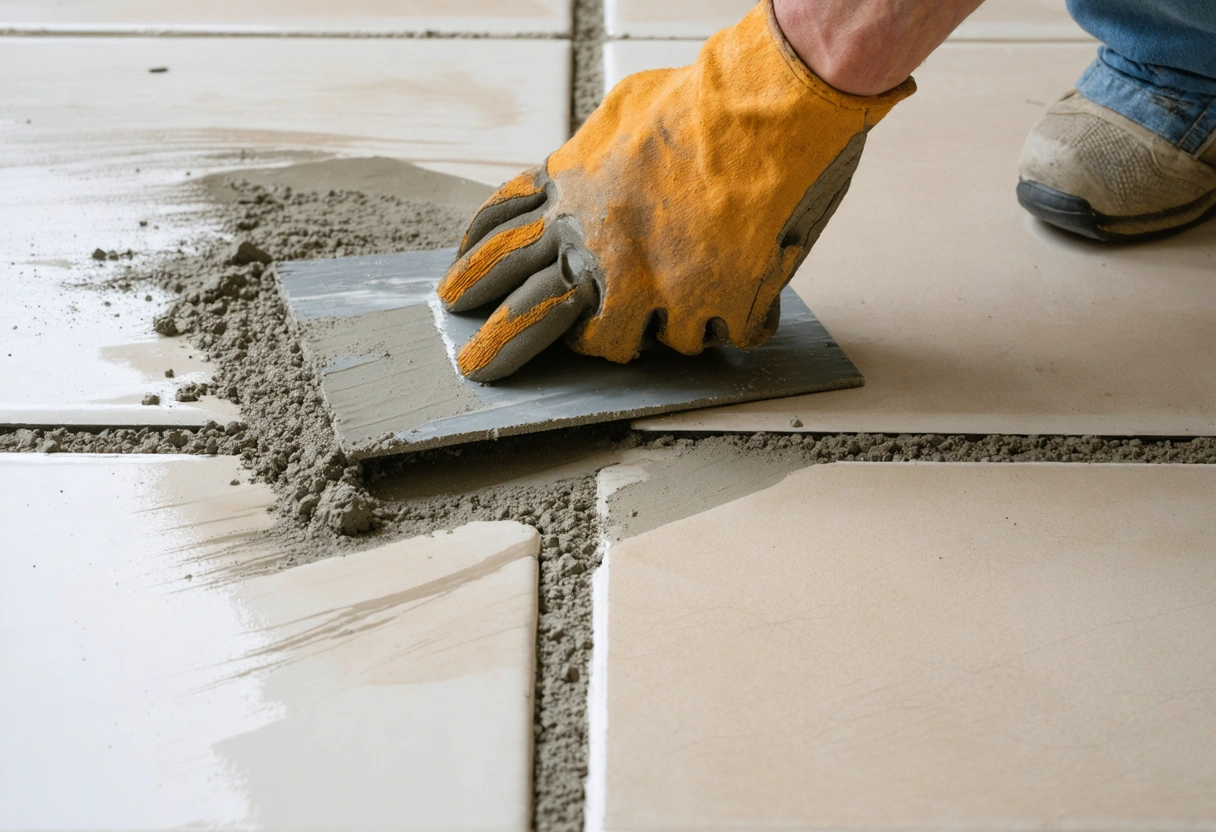
Epoxy grout, on the other hand, involves a chemical reaction between the resin and the hardener. This type of grout is particularly beneficial in areas with high moisture levels, such as bathrooms and kitchens, due to its water-resistant properties. The choice between cementitious and epoxy grout often depends on the environmental conditions and the specific requirements of your flooring project.
The Role of Grout in Flooring
Grout serves several critical functions in flooring installations. Firstly, it acts as a stabilizer, holding the tiles firmly in place and preventing them from shifting. This stability is crucial in areas with high foot traffic, ensuring that the flooring remains intact and safe over time. Additionally, grout helps to distribute weight evenly across the tiles, reducing the risk of individual tiles cracking under pressure.
Another essential role of grout is its ability to prevent moisture from seeping beneath the tiles. By sealing the gaps, grout protects the subfloor from water damage, which can lead to mold growth and structural issues. This moisture barrier is particularly important in wet areas like bathrooms and kitchens, where water exposure is frequent.
Grout and Aesthetics
Beyond its functional roles, grout also contributes to the aesthetic appeal of your flooring. The color and texture of grout can enhance the overall look of the tiles, creating a harmonious design. For example, choosing a grout color that contrasts with the tiles can make the pattern stand out, while a matching color can create a seamless, unified appearance.
Modern trends have seen a shift towards colored and decorative grouts, allowing homeowners to personalize their spaces further. From subtle shades that blend with natural stone tiles to bold hues used to highlight intricate patterns, the options are virtually endless. The aesthetic potential of grout makes it a versatile tool in any interior design project.
Grout Maintenance and Longevity

The longevity of your flooring significantly depends on proper grout maintenance. Regular cleaning is essential to prevent discoloration and the buildup of dirt and grime. Using a mild cleaner and a soft brush can help maintain the grout’s appearance without damaging it. For tougher stains, a specialized grout cleaner may be necessary.
Sealing is another critical aspect of grout maintenance. Sealing grout helps to protect it from moisture and stains, extending its lifespan. The frequency of resealing depends on the type of grout and the conditions of the environment, but generally, it should be done every one to two years. Regular inspection can also help identify any cracks or damage early, allowing for timely repairs.
Innovations in Grout Technology
The flooring industry has seen numerous innovations in grout technology aimed at improving performance and ease of use. One such advancement is the development of pre-mixed grout, which eliminates the guesswork of achieving the right consistency. This convenience is particularly appealing to DIY enthusiasts and professionals looking to streamline their workflow.
Another significant innovation is the introduction of antimicrobial grouts. These products are specially formulated to resist the growth of mold and mildew, making them ideal for humid environments. By reducing the potential for harmful microorganisms to thrive, antimicrobial grouts contribute to healthier living spaces.
Choosing the Right Grout for Your Flooring
Selecting the appropriate grout is crucial for the success of your flooring project. Factors to consider include the location of the installation, the type of tiles, and the desired aesthetic outcome. For instance, epoxy grout is recommended for areas exposed to water and heavy use, while cementitious grout may be more suitable for less demanding environments.

Consulting with a professional can provide valuable insights and help you choose the best grout for your needs. They can offer guidance on the latest products and techniques, ensuring that your flooring is both beautiful and functional. Additionally, a professional installation can enhance the durability and appearance of your grout, providing peace of mind and long-lasting results.
The Future of Grout in Flooring
As technology continues to evolve, the future of grout in flooring looks promising. Researchers and manufacturers are focusing on developing eco-friendly grouts that minimize environmental impact while maintaining performance. These innovations aim to reduce the carbon footprint associated with traditional grout production and promote sustainability in the construction industry.
Furthermore, advancements in smart technology are paving the way for intelligent flooring systems that can monitor and report on the condition of grout and tiles. These systems could provide real-time data on moisture levels, temperature fluctuations, and structural integrity, enabling proactive maintenance and extending the lifespan of the flooring.
Takeaways
Grout is much more than a filler; it is a fundamental component that enhances the functionality, aesthetics, and durability of your flooring. Understanding the science behind grout allows homeowners and builders to make informed decisions, ensuring that their flooring projects are successful and long-lasting. From its chemical composition to its role in modern design, grout’s importance cannot be overstated. As innovations continue to emerge, the future of grout promises even greater possibilities for both residential and commercial spaces.
As we delve further into the role of grout in flooring, it’s essential to explore some of the common challenges associated with grout and how they can be effectively managed. By understanding these potential issues, you can take proactive steps to ensure the longevity and aesthetic appeal of your flooring.
Common Grout Issues and Solutions
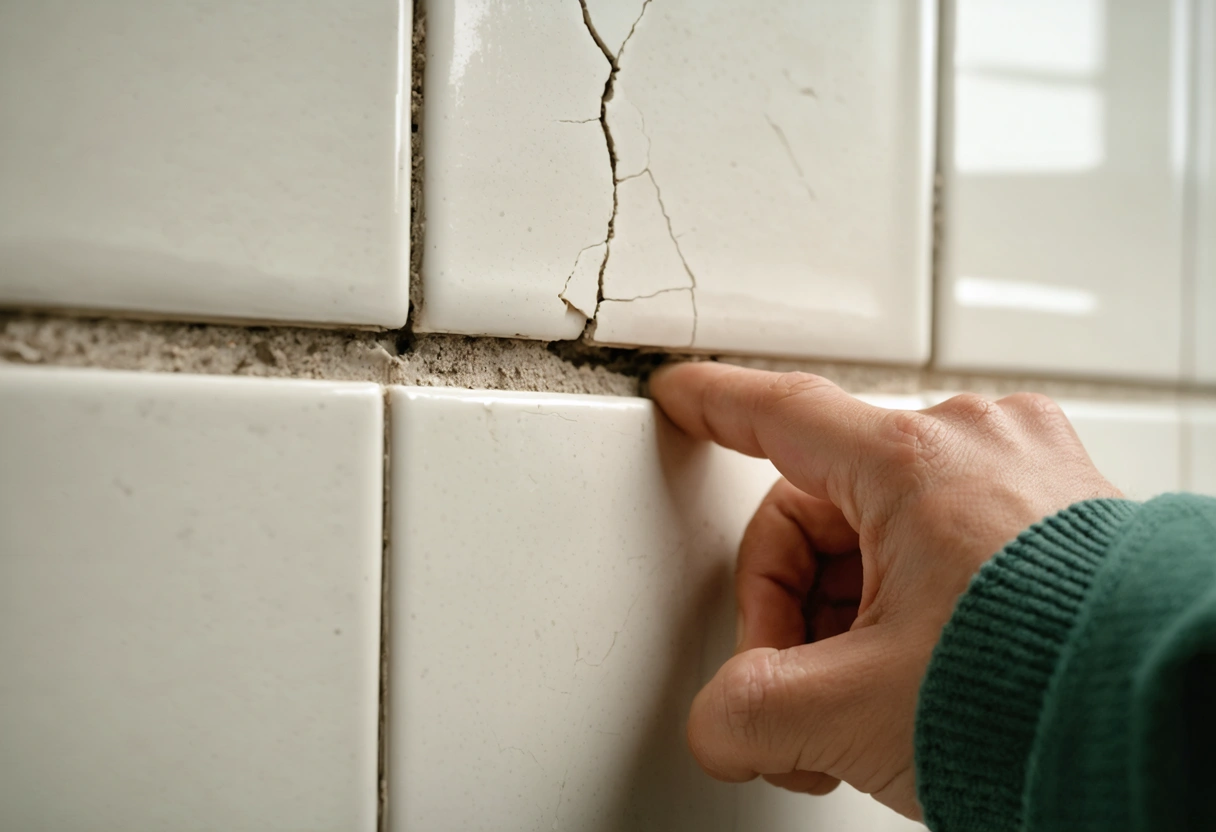
One of the most prevalent issues with grout is cracking. Cracks can occur due to several reasons, including improper installation, movement of the subfloor, or inadequate joint width. Cracked grout is not only unsightly but can also compromise the integrity of the flooring by allowing moisture to seep through. To address this, it’s crucial to ensure that the subfloor is properly prepared and stable before installation. Additionally, using a flexible grout that can accommodate slight movements can help prevent cracking.
Discoloration is another common problem that can affect grout over time. This is often caused by exposure to moisture, dirt, and cleaning agents. To maintain the original color of your grout, regular cleaning with appropriate products is essential. Sealing the grout can also provide a protective barrier against stains and discoloration. In cases where discoloration is severe, regrouting may be necessary to restore the appearance of the flooring.
The Role of Grout in Sustainable Building Practices
Sustainability is a growing concern in the construction industry, and grout plays a significant role in eco-friendly building practices. Traditional grout production involves the use of raw materials and energy-intensive processes. To address these environmental concerns, manufacturers are developing green grout alternatives that utilize recycled materials and emit fewer pollutants.
Eco-friendly grouts not only reduce the carbon footprint of construction projects but also offer health benefits for occupants. By minimizing volatile organic compounds (VOCs) and other harmful emissions, these grouts contribute to better indoor air quality. Choosing sustainable grout options is a step towards responsible building practices that prioritize both the environment and human health.
Grout Innovations and Future Trends
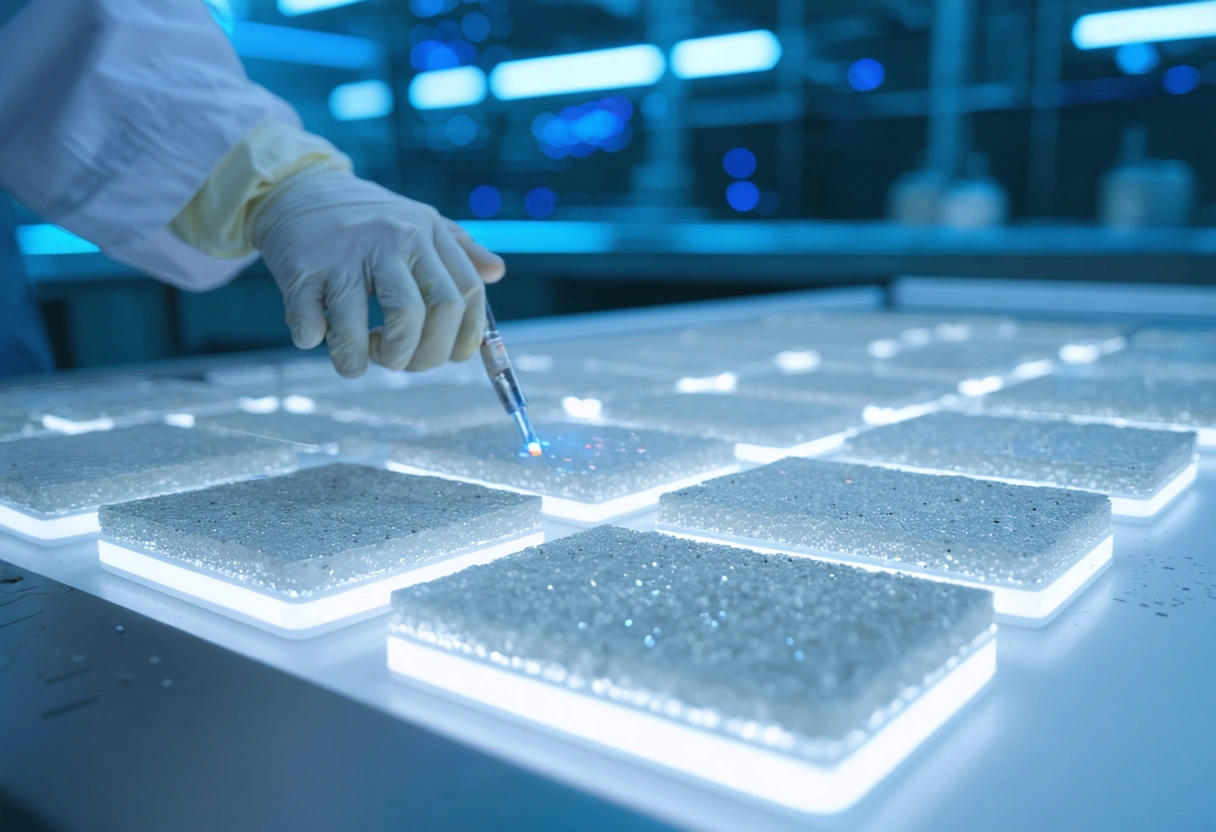
The future of grout technology is marked by continuous innovation and advancements. One exciting trend is the integration of smart technology into grout formulations. These “smart grouts” have the potential to change color in response to temperature changes or moisture levels, providing a visual indicator of the flooring’s condition. This innovation could revolutionize maintenance practices by alerting homeowners and facility managers to potential issues before they escalate.
Another promising development is the creation of self-healing grouts. Inspired by self-healing concrete, these grouts contain microcapsules filled with a healing agent that activates when cracks form. The healing agent flows into the cracks, effectively sealing them and preventing further damage. This technology could significantly extend the lifespan of grout and reduce the need for frequent repairs.
Practical Tips for Homeowners
For homeowners looking to maximize the benefits of grout in their flooring projects, several practical tips can enhance both performance and aesthetics. Firstly, selecting the right grout sealer is crucial for protecting against moisture and stains. Be sure to choose a sealer compatible with your grout type and apply it according to the manufacturer’s instructions.
Regular maintenance is also key to preserving the integrity of grout. This includes routine sweeping and mopping to remove dirt and debris, as well as periodic deep cleaning with a soft-bristle brush. Avoid harsh chemicals or abrasive tools that can damage the grout’s surface. By staying vigilant and addressing minor issues promptly, you can enjoy beautiful, functional flooring for years to come.
Embracing the Importance of Grout
In conclusion, grout is an indispensable element of any flooring project, offering stability, aesthetics, and protection. Understanding its composition, functions, and potential issues allows homeowners and builders to make informed decisions that enhance the performance and longevity of their floors. As the industry continues to innovate, the future of grout promises exciting possibilities, from sustainable materials to smart technologies. By embracing the importance of grout, we can ensure that our flooring not only meets but exceeds the demands of modern living.
Need help with The Science Behind Grout: What Makes It Essential for Your Flooring??