
The Essentials of Effective Shower and Backsplash Installation in New Construction: A Comprehensive Guide
In the realm of new construction, the installation of showers and backsplashes is a pivotal aspect that requires meticulous attention to detail. These elements, while often seen as mere functional components, play a significant role in enhancing the aesthetic appeal and overall value of a home. This guide delves into the intricacies of installing showers and backsplashes correctly, ensuring durability, functionality, and visual appeal.
Understanding the Importance of Proper Installation
Proper installation of showers and backsplashes is crucial for several reasons. First and foremost, it ensures the longevity of the installations. A well-installed shower or backsplash can withstand the test of time and usage, minimizing the need for frequent repairs or replacements. Moreover, proper installation prevents common issues such as water leakage, mold growth, and structural damage, which can lead to costly repairs if not addressed promptly.
Another critical aspect is the enhancement of the property’s aesthetic value. A beautifully installed shower or backsplash can transform a mundane bathroom or kitchen into a luxurious space, contributing to the overall appeal of the home. It’s essential to consider both functionality and aesthetics during the installation process to achieve the best results.
Choosing the Right Materials
When it comes to showers and backsplashes, choosing the right materials is paramount. Various options are available, each with its unique benefits and drawbacks. For showers, popular materials include ceramic tiles, porcelain tiles, natural stone, and glass. Each of these materials offers different levels of durability, water resistance, and aesthetic appeal.
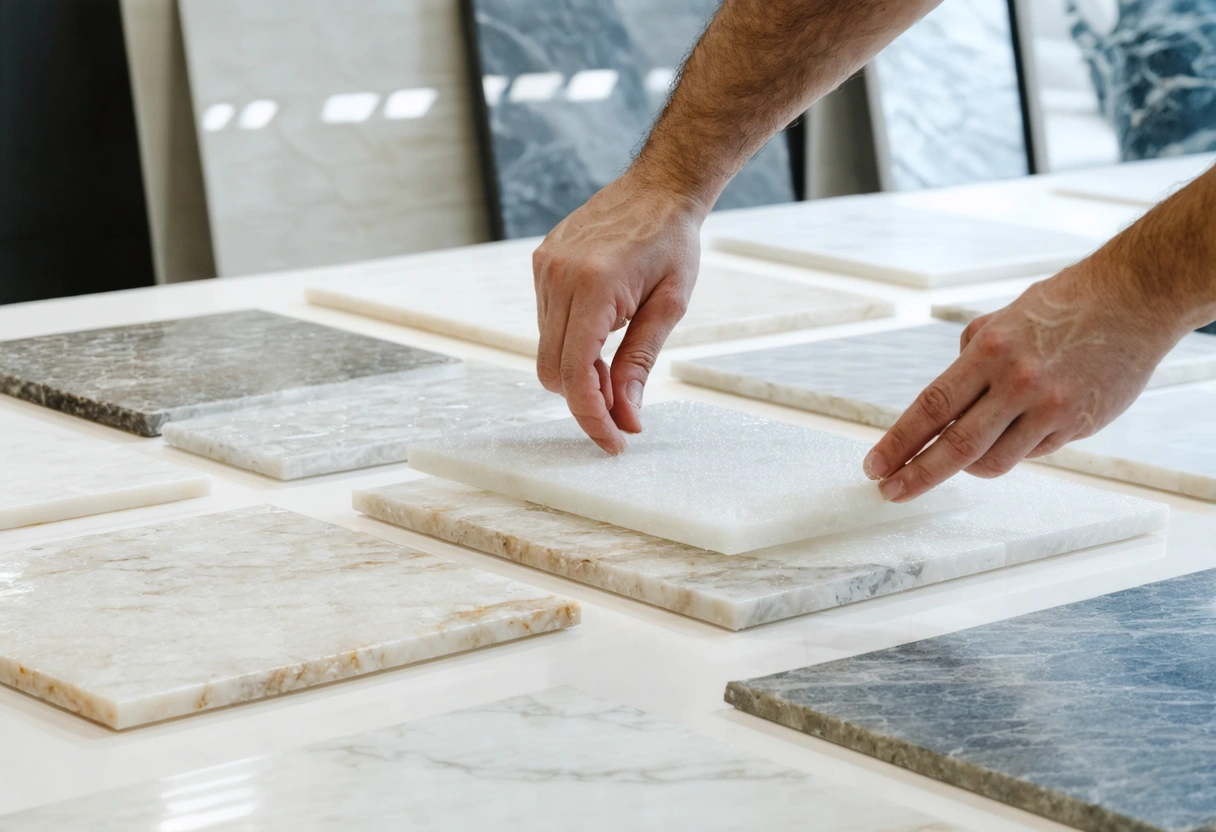
Ceramic and porcelain tiles are among the most popular choices due to their affordability and ease of maintenance. They come in various designs and colors, allowing for customization to match any decor style. Natural stone, such as marble or granite, offers a luxurious appearance but requires more maintenance to prevent staining and water damage.
For backsplashes, materials like ceramic, glass, and metal are widely used. Glass tiles are a modern choice, known for their sleek appearance and reflective qualities, which can make a space appear larger. Metal backsplashes are durable and add a contemporary touch to kitchens and bathrooms.
Steps to Ensure a Flawless Installation
The process of installing showers and backsplashes involves several crucial steps that must be followed meticulously to ensure a flawless outcome. The first step is proper planning and measurement. Accurate measurements are essential to ensure that the tiles fit perfectly and that there are no gaps or overlaps.
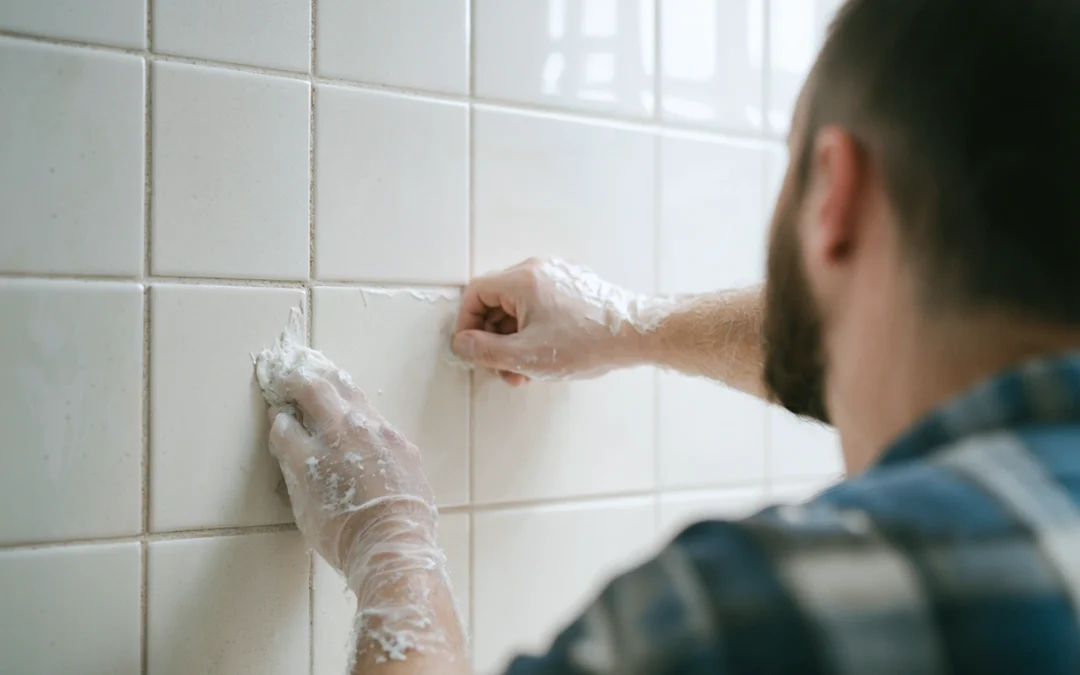
Next, the surface preparation is critical. The surface where the tiles will be installed must be clean, dry, and even. Any irregularities must be addressed before installation begins. This step is vital to prevent tiles from lifting or cracking over time. It is also important to use the right adhesive and grout to ensure the tiles stay in place and are water-resistant.
Finally, proper sealing is essential after installation. Sealing prevents water penetration, which can lead to mold and mildew growth. It also helps maintain the appearance of the tiles, preventing them from becoming dull or stained.
Common Mistakes to Avoid
During the installation process, several common mistakes can compromise the quality and longevity of the installation. One of the most frequent errors is improper surface preparation. Failing to clean and level the surface can result in uneven tiles and poor adhesion. It’s crucial to take the time to prepare the surface adequately before beginning the installation.
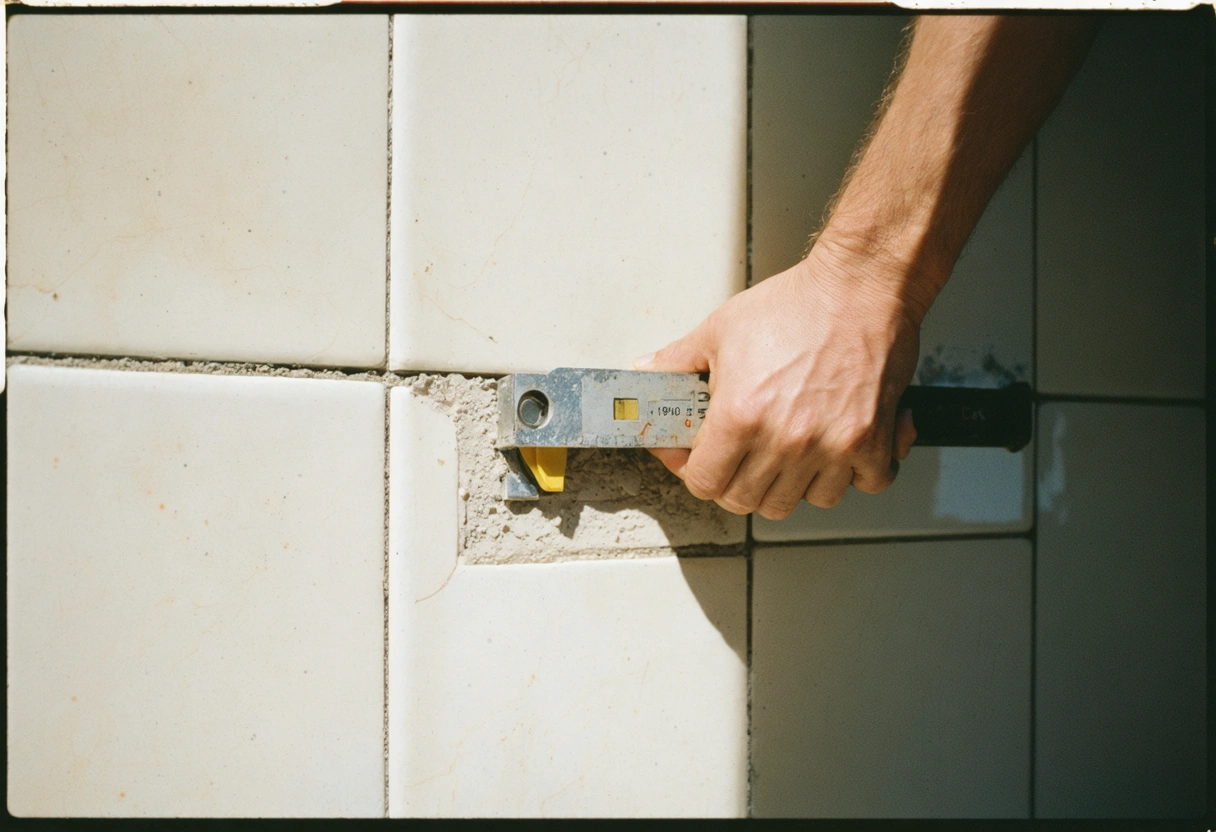
Another common mistake is using the wrong type of adhesive or grout. Each material has specific requirements, and using the wrong products can lead to issues such as tiles lifting or grout cracking. It’s essential to follow the manufacturer’s recommendations and use products that are compatible with the chosen tiles.
Finally, neglecting to seal the tiles is a significant oversight. Sealing is a critical step in protecting the tiles from water damage and staining. It’s important to apply a high-quality sealer and reapply it periodically to maintain its effectiveness.
Professional Installation vs. DIY
When it comes to shower and backsplash installation, homeowners often face the choice between hiring a professional or undertaking the project themselves. While DIY installation can be cost-effective, it requires a certain level of skill and experience to achieve a professional-looking result.
Professional installation offers several advantages. Experienced installers have the expertise to handle complex installations and can ensure that the work is done correctly and efficiently. They are also familiar with the latest trends and techniques, which can result in a more polished and modern appearance.
On the other hand, a DIY approach can be rewarding for those with the necessary skills and tools. It allows for greater control over the project and can be a satisfying way to personalize the space. However, it’s essential to be realistic about one’s abilities and to seek professional help if needed to avoid costly mistakes.
Maintenance Tips for Longevity
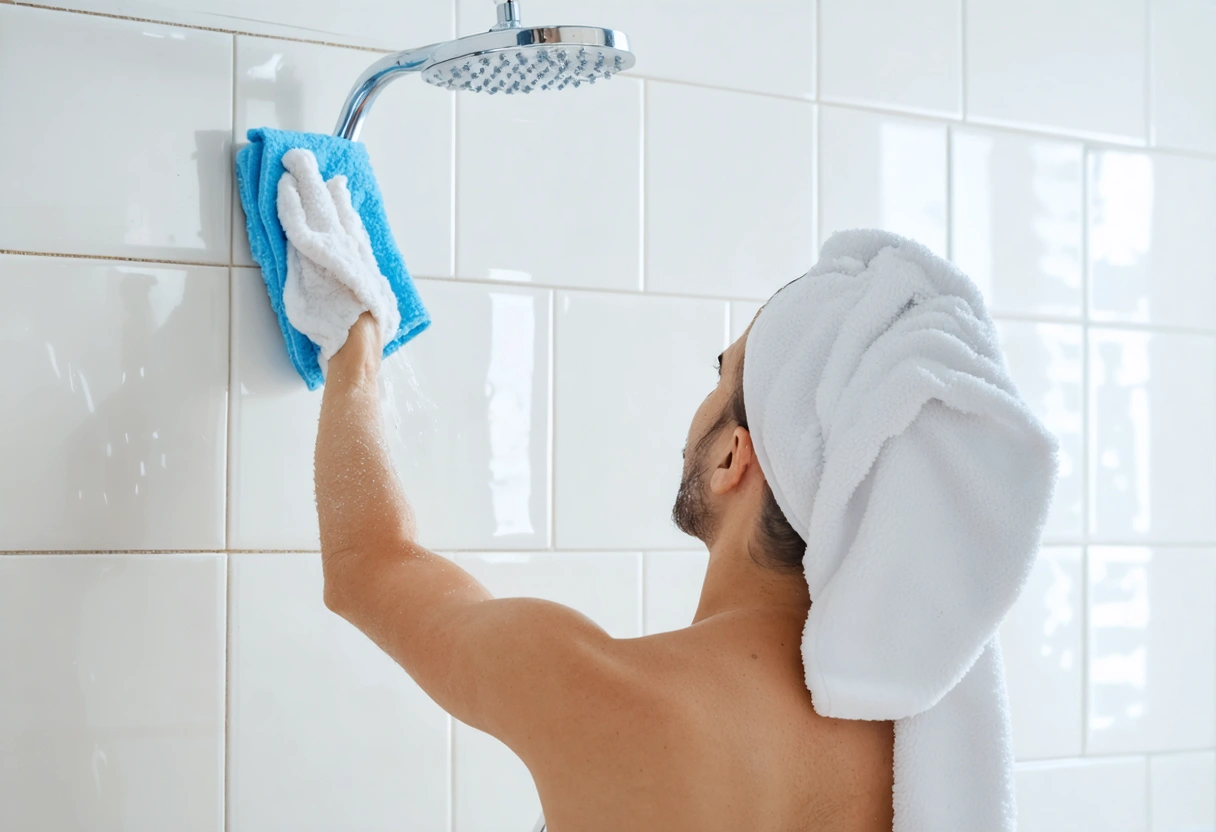
Once the installation is complete, proper maintenance is key to ensuring the longevity and appearance of showers and backsplashes. Regular cleaning is essential to prevent the buildup of soap scum, mold, and mildew. It’s advisable to use mild, non-abrasive cleaners that won’t damage the tiles or grout.
In addition to cleaning, it’s important to inspect the tiles and grout periodically for any signs of damage or wear. Cracked tiles or grout should be repaired promptly to prevent water from seeping behind the tiles and causing structural damage. Regular sealing is also essential to maintain the water resistance of the tiles and grout.
Innovative Trends in Shower and Backsplash Design
In recent years, there have been several innovative trends in shower and backsplash design that homeowners should consider when planning a new installation. One popular trend is the use of large-format tiles, which can create a seamless and modern look. These tiles require fewer grout lines, making them easier to clean and maintain.
Another trend is the incorporation of natural elements into shower and backsplash designs. Materials such as natural stone, wood-look tiles, and earthy colors can create a spa-like atmosphere that promotes relaxation and tranquility. Additionally, the use of geometric patterns and bold colors can add a unique and personalized touch to the space.
Smart technology is also making its way into bathroom designs, with features such as digital showers and LED lighting becoming increasingly popular. These innovations not only enhance convenience and functionality but also add a modern and luxurious feel to the space.
Takeaways
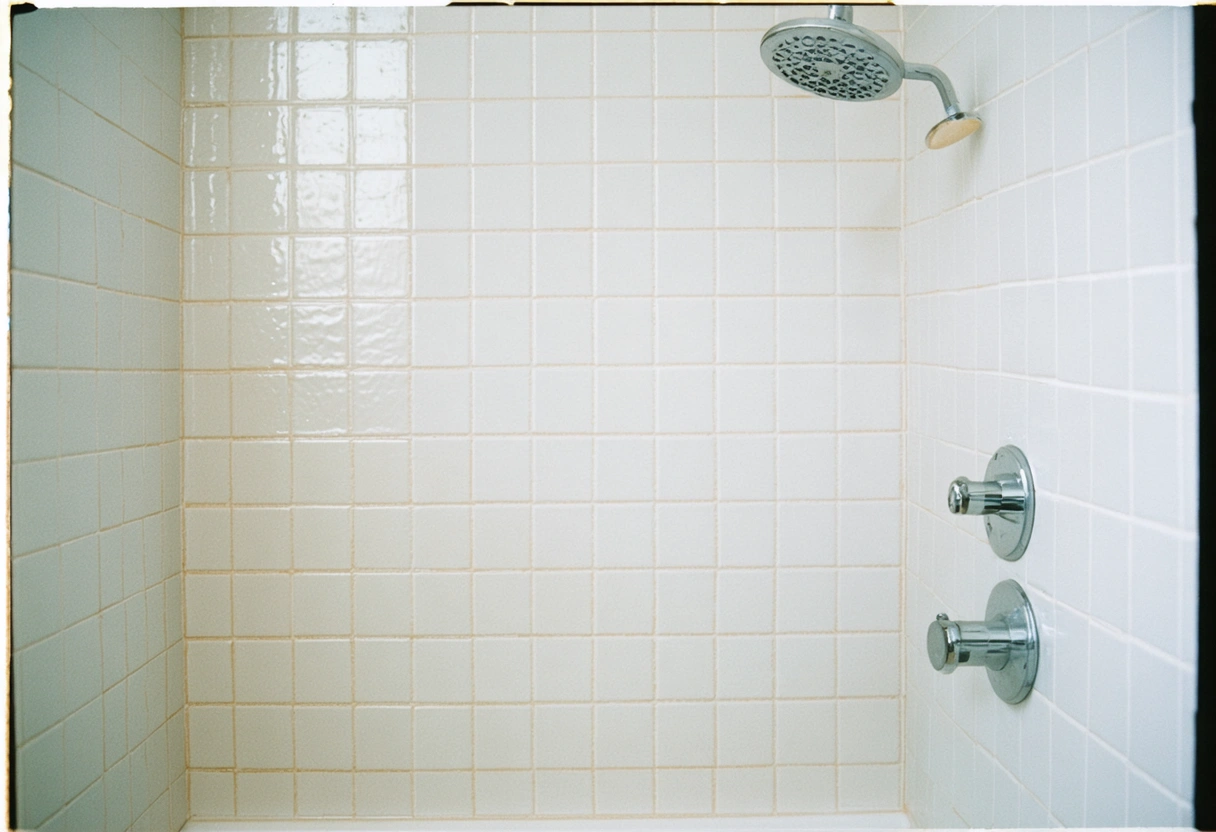
Installing showers and backsplashes in new construction requires careful planning, the right materials, and precise execution. By understanding the importance of proper installation and avoiding common mistakes, homeowners can ensure that their showers and backsplashes are both functional and aesthetically pleasing. Whether opting for professional installation or a DIY approach, it’s essential to prioritize quality and attention to detail to achieve the best results. With proper maintenance and a keen eye for design trends, these installations can enhance the beauty and value of any home for years to come.
For more detailed guidance on specific aspects of shower and backsplash installation, consider exploring resources such as HGTV’s shower design ideas or Today’s Homeowner’s backsplash installation guide.
Exploring Eco-Friendly Options
As environmental consciousness grows, many homeowners are seeking eco-friendly options for their shower and backsplash installations. Choosing sustainable materials not only reduces environmental impact but can also contribute to a healthier home environment. Materials such as recycled glass tiles and reclaimed wood are excellent choices for those looking to minimize their ecological footprint.
Recycled glass tiles are made from post-consumer glass, offering a beautiful and sustainable option for both showers and backsplashes. These tiles are available in a wide range of colors and styles, allowing homeowners to create stunning designs while supporting recycling efforts. Additionally, recycled glass tiles are non-porous, making them resistant to mold and bacteria, which contributes to a cleaner and healthier space.
Another eco-friendly option is the use of low-VOC (volatile organic compound) adhesives and grouts. Traditional adhesives and grouts can emit harmful chemicals that affect indoor air quality. By choosing low-VOC products, homeowners can reduce their exposure to these pollutants, creating a safer and healthier environment.
Cost Considerations and Budgeting

Budgeting for shower and backsplash installations is a crucial step in the planning process. The cost can vary significantly depending on the materials chosen, the size of the area to be covered, and whether professional installation is used. It’s essential to have a clear understanding of the costs involved to make informed decisions and avoid unexpected expenses.
When estimating costs, consider the price of the materials, including tiles, adhesive, grout, and sealant. Ceramic and porcelain tiles are generally more affordable, while natural stone and custom designs can increase the budget. Additionally, factor in the cost of labor if opting for professional installation. While it may be tempting to cut costs by choosing cheaper materials or DIY installation, it’s important to prioritize quality and durability to avoid costly repairs in the future.
To stay within budget, consider exploring different suppliers and comparing prices. Some retailers offer discounts or promotions on bulk purchases, which can help reduce costs. Additionally, consider consulting with a professional to get an accurate estimate and explore potential cost-saving strategies without compromising on quality.
The Role of Technology in Modern Installations
Incorporating technology into shower and backsplash installations can enhance functionality and user experience. Smart showers, for instance, allow users to control water temperature, pressure, and flow with precision, providing a personalized and luxurious shower experience. Features such as digital controls and programmable settings offer convenience and efficiency, contributing to water conservation efforts.
Technology also plays a role in the installation process itself. Advanced tools and equipment, such as laser levels and automated tile cutters, can improve accuracy and efficiency, resulting in a professional finish. These innovations not only simplify the installation process but also ensure that the end result is flawless and long-lasting.
In conclusion, the installation of showers and backsplashes in new construction is a multifaceted process that requires careful consideration of materials, techniques, and trends. By prioritizing proper installation and maintenance, homeowners can achieve a balance of functionality, aesthetic appeal, and sustainability. Embracing new technologies and eco-friendly practices further enhances the value and enjoyment of these essential elements, making them an integral part of any modern home.
Need help with The Essentials of Effective Shower and Backsplash Installation in New Construction: A Comprehensive Guide?