
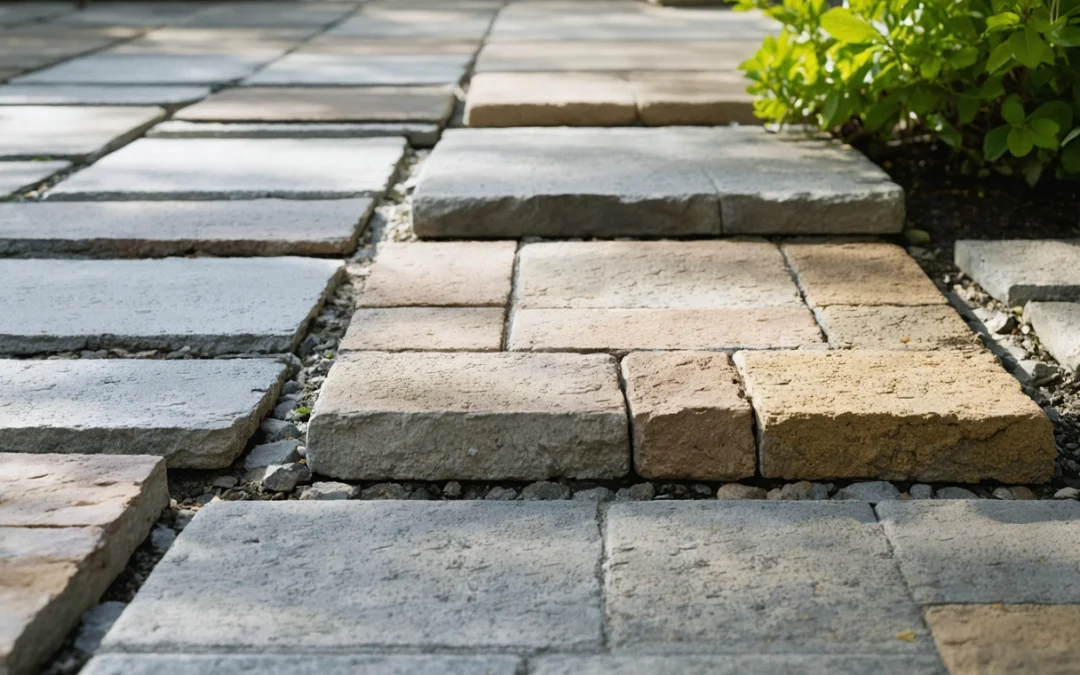
Introduction to Paver Maintenance and Cleaning
Pavers are a popular choice for outdoor flooring due to their durability, aesthetic appeal, and versatility. They can transform patios, driveways, walkways, and other outdoor spaces into stunning landscapes. However, like any other outdoor surface, pavers require regular maintenance to maintain their appearance and longevity. Proper maintenance and cleaning can significantly extend the life of your pavers, keeping them looking fresh and new for years.
In this comprehensive guide, we will delve into the various aspects of maintaining and cleaning your pavers. From understanding the types of stains that can affect them to the best cleaning solutions and techniques, we aim to provide you with all the information you need to keep your pavers pristine.
Understanding Paver Materials and Their Needs
Pavers come in a variety of materials, each with its unique characteristics and maintenance needs. Common materials include concrete, brick, and natural stone. Understanding the type of paver you have is crucial in determining the appropriate cleaning and maintenance methods. For example, concrete pavers are relatively easy to clean and maintain but can be prone to staining. On the other hand, natural stone pavers like granite or limestone require more delicate cleaning solutions to avoid damaging their surface.
Each material reacts differently to external elements such as weather, traffic, and chemical exposure. As part of your maintenance routine, familiarize yourself with the specific requirements for your paver material to ensure you’re using the right products and techniques.
Routine Maintenance Tips for Pavers
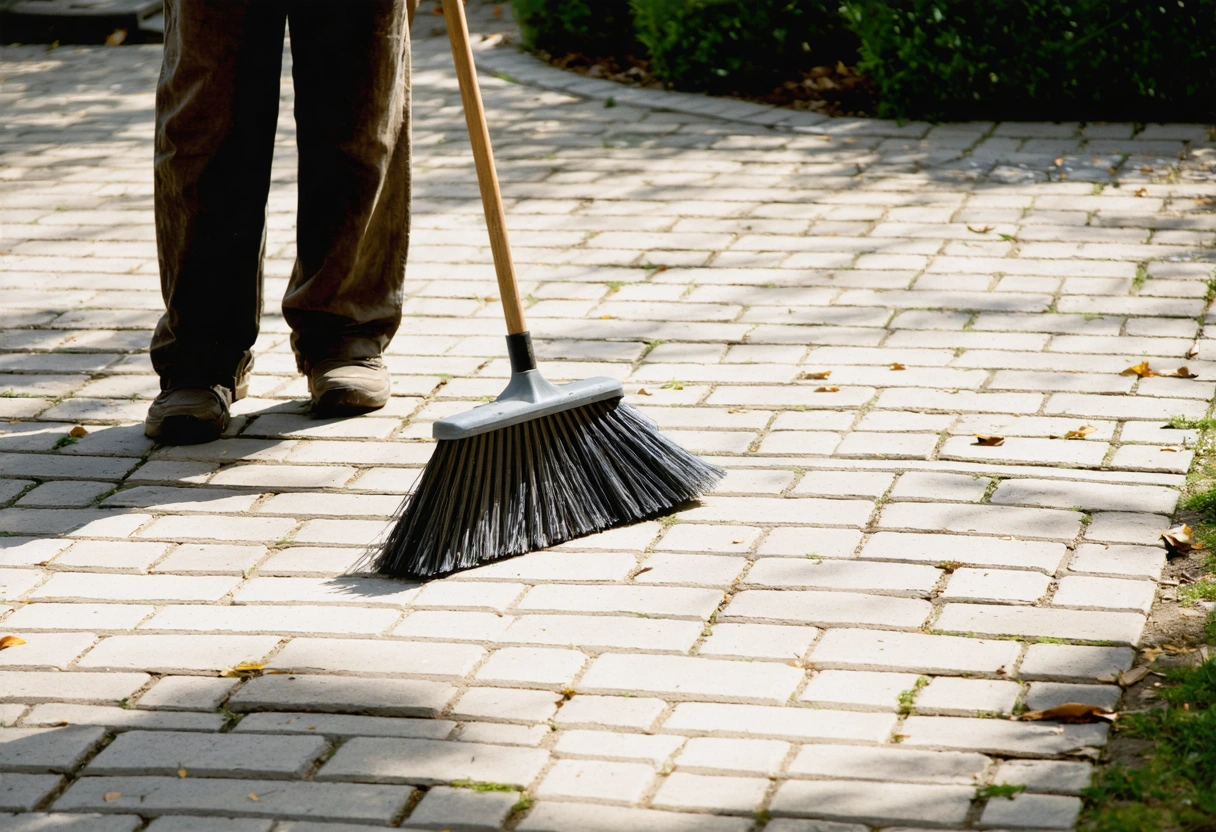
Routine maintenance is key to preserving the appearance and structural integrity of your pavers. Regular sweeping and washing can prevent dirt and debris from accumulating on the surface, which can cause discoloration and wear over time. Use a simple broom to sweep away leaves, dust, and other debris, especially after storms or windy weather.
For a more thorough cleaning, rinse the pavers with water to remove surface dirt. If your pavers are heavily soiled, a mild detergent mixed with water can be used to scrub the surface gently. Be sure to rinse off any soap residue thoroughly to prevent it from contributing to future dirt buildup. It’s also essential to check for weeds growing between the pavers and remove them promptly to prevent damage and keep the area looking tidy.
Dealing with Common Stains on Pavers
Pavers are susceptible to various types of stains, including oil, grease, rust, and organic stains from leaves or fruits. Each type of stain requires a different approach for effective removal. For instance, oil and grease stains can often be treated with a degreaser or a paste made from baking soda and water. Apply the solution to the stain, allow it to sit for a few minutes, and then scrub gently with a brush.
Rust stains, often resulting from metal furniture or fixtures, can be more challenging to remove. Specialized rust removers designed for outdoor surfaces can be effective, but it’s important to test any product on a small, inconspicuous area first to ensure it doesn’t damage the paver. For organic stains, such as those from leaves or berries, a bleach solution can be used to lighten the stain, though caution should be taken with colored pavers to avoid discoloration.
Effective Cleaning Solutions for Pavers
Choosing the right cleaning solution is crucial for maintaining the beauty of your pavers without causing damage. For routine cleaning, a mixture of water and mild dish soap is often sufficient. This solution is gentle enough for most paver materials and effective at removing dirt and grime.
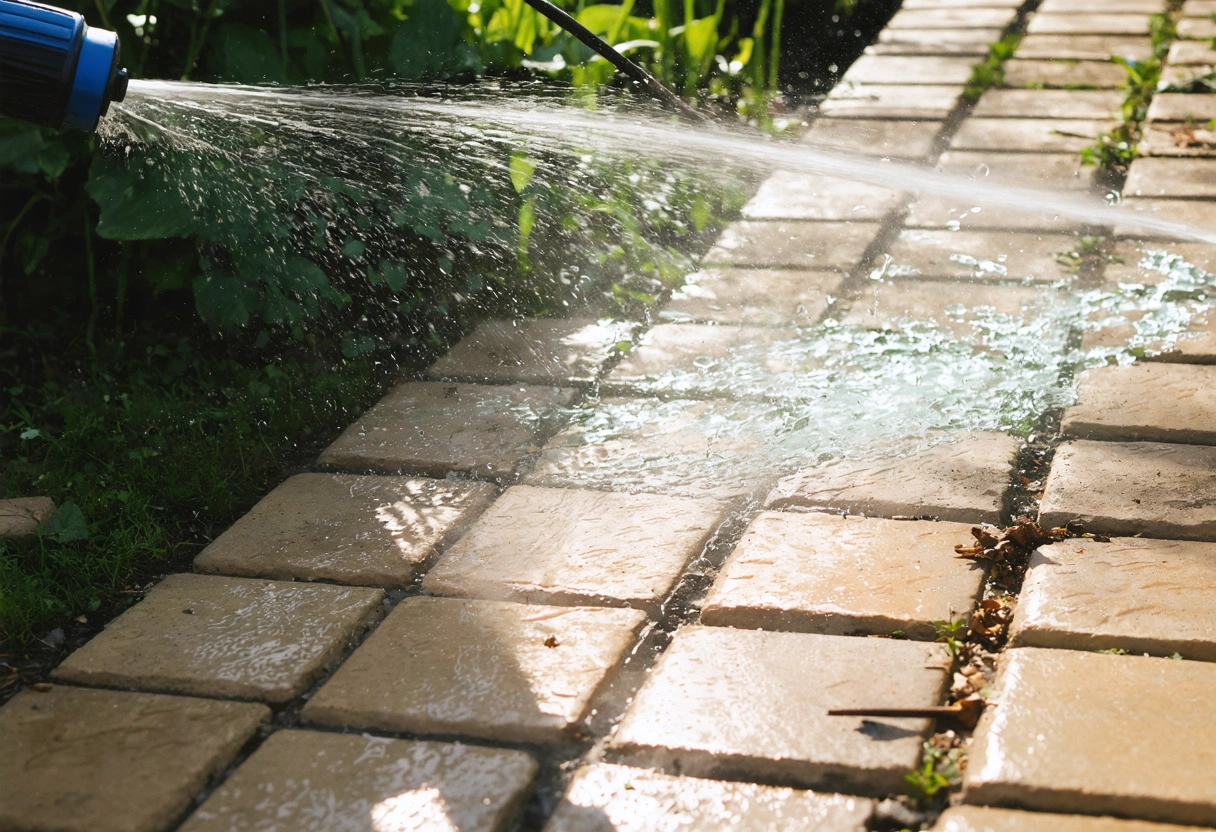
For tougher stains, consider using a pressure washer. Pressure washing can be highly effective at removing ingrained dirt and stains, but it’s important to use the correct nozzle and pressure setting to avoid damaging the paver surface. If you’re unsure about using a pressure washer, consult with a professional or refer to detailed guides on using this equipment safely.
Sealing Your Pavers for Added Protection
Sealing pavers is an excellent way to protect them from stains, weather damage, and general wear and tear. A high-quality sealant creates a barrier that repels water, oil, and other substances that could cause stains. Additionally, sealing enhances the color and appearance of the pavers, making them look more vibrant and appealing.
Before sealing, ensure that the pavers are thoroughly clean and dry. Apply the sealant using a roller or sprayer, following the manufacturer’s instructions for best results. It’s advisable to seal your pavers every 2-3 years, although this can vary depending on the level of traffic and exposure to elements. For more information on selecting the right sealant, resources like Bob Vila’s guide can be invaluable.
Preventing Paver Damage
Prevention is always better than cure, especially when it comes to maintaining your pavers. Simple measures such as placing mats or rugs under grills and outdoor furniture can prevent oil and rust stains. Regularly trimming nearby trees and bushes can reduce the amount of organic debris that falls onto your pavers, minimizing potential stains.
Additionally, avoid using harsh chemical cleaners or de-icing salts on your pavers, as these can cause surface damage and lead to deterioration. Instead, opt for paver-friendly products that are designed to be gentle on outdoor surfaces. If your pavers are in an area that experiences freezing temperatures, ensure that water doesn’t pool on the surface, as freezing and thawing cycles can cause cracking and shifting.
Hiring Professional Cleaning and Maintenance Services
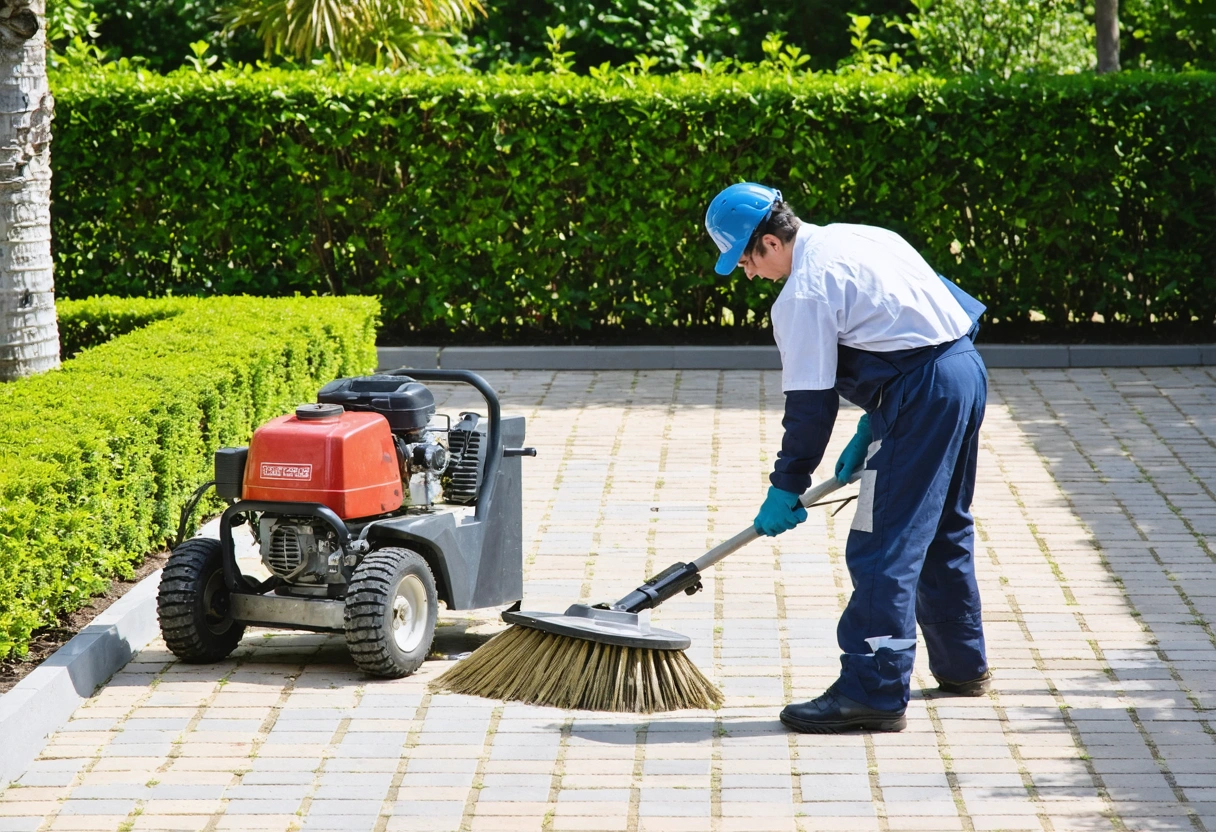
While regular maintenance can be managed by most homeowners, there are times when professional help is needed. Hiring a professional cleaning and maintenance service can ensure that your pavers receive the best care possible. Professionals have access to specialized equipment and solutions that can effectively clean and restore pavers without causing damage.
If you’re considering hiring a professional, look for companies with positive reviews and proven experience in paver maintenance. They can also advise on long-term care strategies and offer insights into the latest techniques and products available in the market.
The Path to Long-Lasting Pavers
Maintaining and cleaning your pavers is crucial for preserving their beauty and functionality. By understanding the specific needs of your paver material, implementing regular cleaning routines, and using appropriate cleaning solutions, you can ensure that your outdoor spaces remain attractive and durable. Sealing and preventive measures further enhance the longevity of your pavers, protecting them from stains and damage.
Whether you choose to manage the maintenance yourself or hire a professional, the key is consistency and care. With the right approach, your pavers can continue to enhance your outdoor living spaces for many years to come. For more tips and detailed guidance, explore resources like HGTV’s outdoor maintenance tips, which offer a wealth of information on keeping your landscape pristine.
Environmental Considerations for Paver Maintenance
Taking an environmentally friendly approach to paver maintenance not only benefits the planet but can also be beneficial to your yard and local ecosystem. When selecting cleaning products, opt for biodegradable and non-toxic options that won’t harm plants or wildlife. Chemical runoff from harsh cleaners can seep into the soil, affecting not only your garden but also the larger environment.
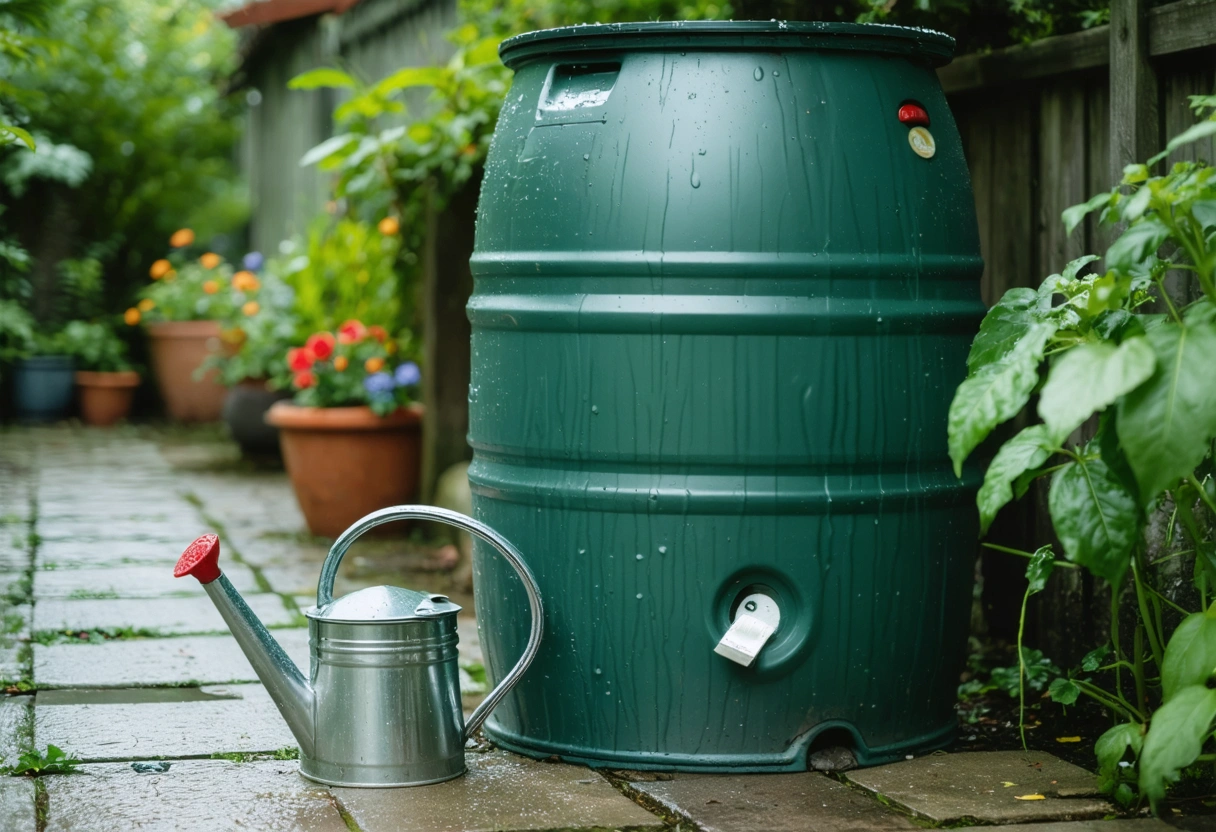
Moreover, consider utilizing rainwater for cleaning purposes. Collecting rainwater in barrels and using it in your maintenance routine can reduce water waste and promote sustainability. This method is especially effective in areas prone to drought, where water conservation is crucial. By adopting eco-friendly practices, you not only maintain your pavers but also contribute to a healthier planet.
Seasonal Maintenance Tips for Pavers
Different seasons bring varied challenges to your paver surfaces. Adapting your maintenance routine to the seasons can help mitigate potential damage and keep your pavers looking their best throughout the year. In the spring, focus on removing debris accumulated during the winter months. This is also a good time to inspect for any freeze-thaw damage and make necessary repairs.
Summer is perfect for sealing pavers, as the warm weather helps the sealant dry quickly and effectively. Ensure your pavers are clean and dry before applying any sealant. In the fall, concentrate on keeping the surface free of leaves and other organic debris to prevent staining. During winter, be cautious with the use of de-icing products. Choose alternatives that are safe for pavers and avoid metal shovels that can scratch or chip the surface.
Upgrading and Replacing Damaged Pavers
Despite your best efforts, there may come a time when some pavers are too damaged to be repaired. In such cases, replacing the damaged pavers with new ones is the best course of action. Fortunately, one of the benefits of pavers is their modular nature, which allows for easy replacement of individual units without disturbing the entire surface.
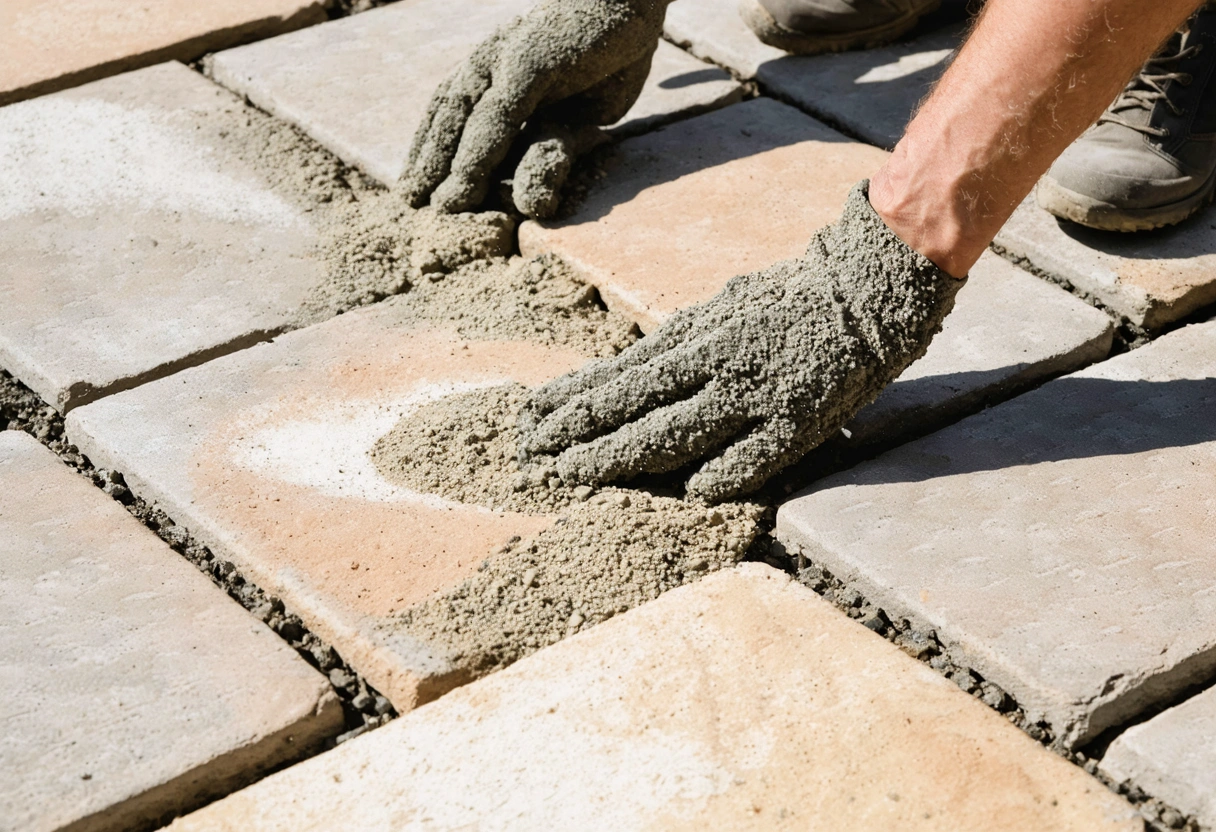
When replacing pavers, ensure that the new ones match the existing ones in size, color, and texture to maintain a cohesive appearance. This might require purchasing extra pavers at the time of the initial installation. For those considering an upgrade, explore options like permeable pavers, which offer better water drainage and are an environmentally friendly choice. Resources like EPA’s guide on permeable pavers can provide more information on the benefits and installation of these materials.
Maintaining Paver Joints
The joints between pavers play a critical role in the stability and durability of the surface. Over time, joint sand can wash away, leading to loose pavers and weed growth. Regularly inspect the joints and replenish sand as needed. For a longer-lasting solution, consider using polymeric sand, which hardens upon contact with water and helps prevent erosion and weed growth.
Applying polymeric sand requires a dry surface and should be done during dry weather conditions. Sweep the sand into the joints and carefully remove any excess from the paver surface before activating it with water. This process not only stabilizes the pavers but also enhances the overall appearance by filling in gaps and providing a more polished look.
Creating a Paver Maintenance Plan
Establishing a comprehensive paver maintenance plan is essential for ensuring the longevity and aesthetic appeal of your outdoor surfaces. By understanding the specific needs of your paver material, adapting to seasonal changes, and incorporating eco-friendly practices, you can effectively maintain your pavers for years to come. Regular inspections and timely repairs will help you address minor issues before they escalate into significant problems.
Creating a maintenance schedule tailored to your specific environment and usage patterns can make the task more manageable and less time-consuming. By staying consistent with your maintenance efforts, you not only protect your investment but also enjoy beautiful, functional outdoor spaces that enhance the value and enjoyment of your property. For more detailed strategies and expert advice, explore resources such as Houzz’s paver maintenance insights, which offer practical tips and inspiration for keeping your landscape in top condition.
Need help with How to Maintain and Clean Your Pavers for Longevity?