
Introduction
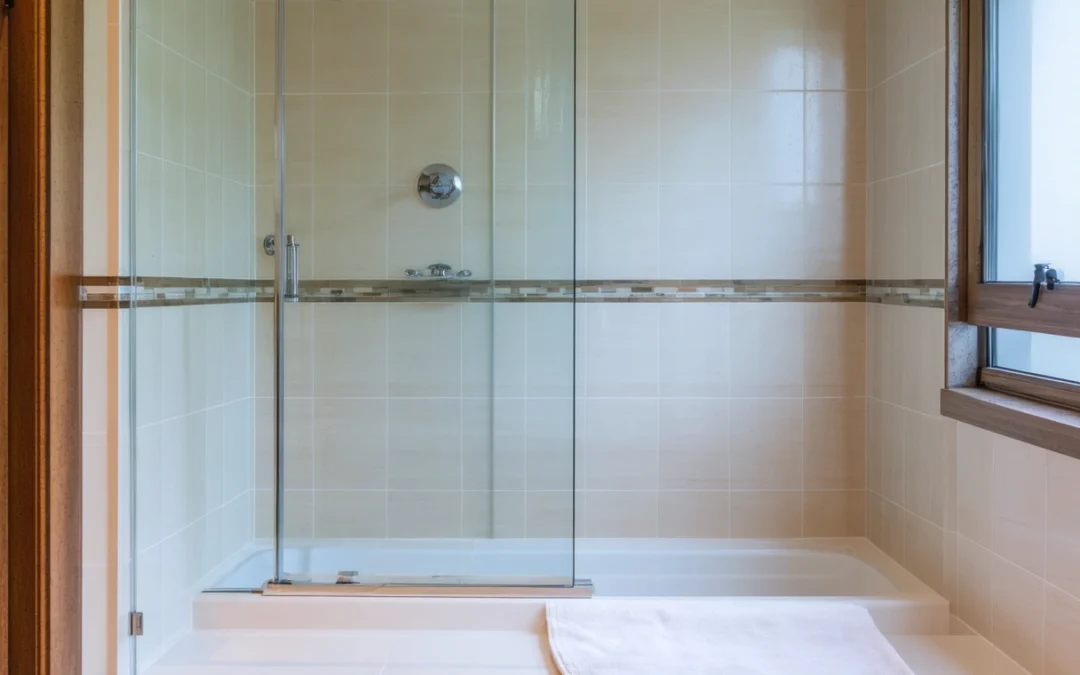
Shower restoration is an essential aspect of maintaining your bathroom’s aesthetic appeal and functional utility. While it might not be the first thing that comes to mind when you think of home maintenance, knowing when and how to restore your shower can save you time, money, and stress in the long run. Showers, being a commonly used area, are prone to wear and tear. Understanding the signs that indicate it’s time for a shower restoration can help you keep your bathroom in pristine condition and prevent further damage.
In this comprehensive guide, we will explore the key indicators that your shower may need restoration. We will delve into various aspects, from visual signs to structural concerns, and provide valuable insights into the restoration process. By the end of this article, you’ll be equipped with the knowledge needed to make informed decisions about your shower’s maintenance and restoration needs.
Signs of Wear and Tear
One of the most apparent indicators that your shower needs restoration is visible wear and tear. These signs can manifest in multiple forms, and recognizing them early can prevent more severe issues down the line. The most common visual signs include chipped tiles, discolored grout, and rusted fixtures. While these might seem like minor cosmetic issues, they can lead to more significant problems over time, such as water damage and mold growth.
Chipped or cracked tiles are not only unsightly but can also allow water to seep into the walls, causing structural damage. Discolored grout is often a sign of moisture retention, which can lead to mold and mildew growth. Similarly, rusted fixtures can indicate prolonged exposure to moisture, which might undermine the integrity of your shower setup. Addressing these issues promptly can save you from costly repairs in the future.
Chipped or Cracked Tiles
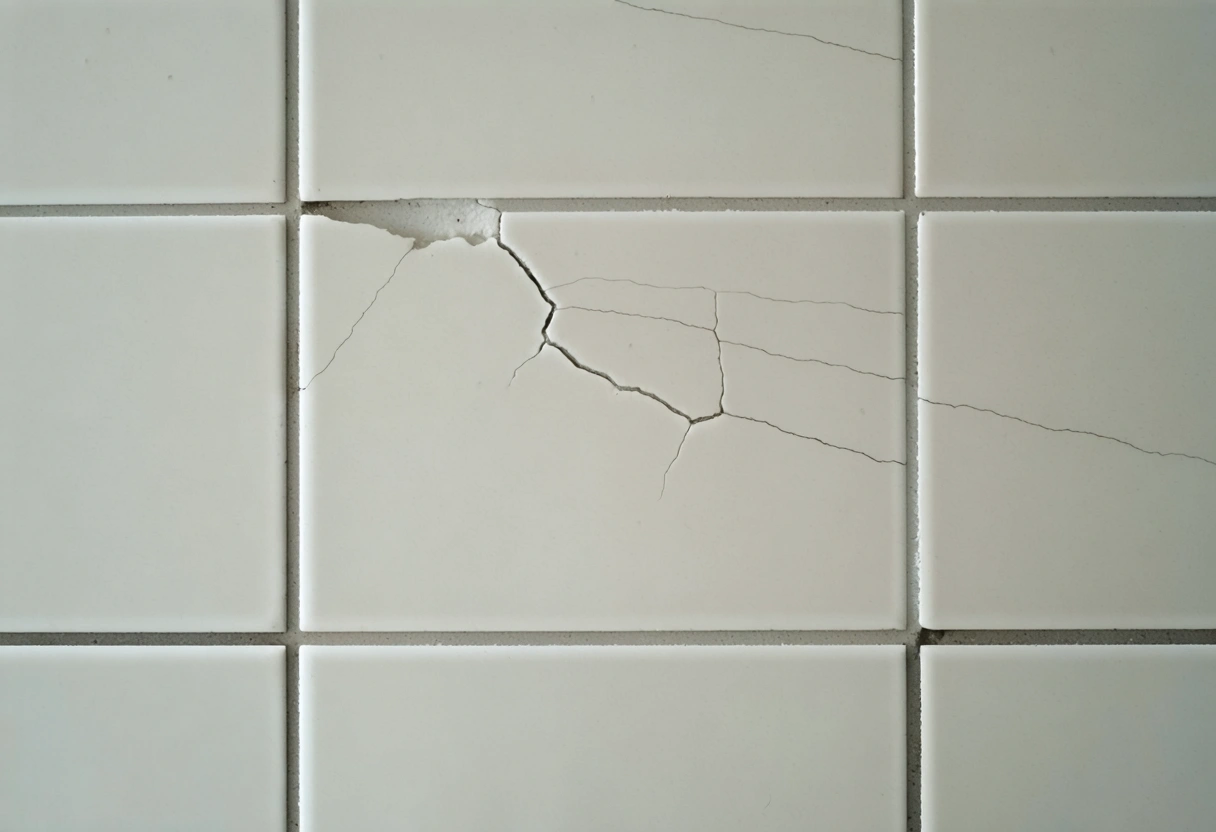
Tiles are a fundamental component of any shower, providing both functionality and aesthetics. However, over time, tiles can become chipped or cracked due to various factors such as age, impact, or even improper installation. When left unaddressed, these damaged tiles can compromise the waterproofing of your shower area, allowing water to penetrate the walls and floor. This can lead to extensive water damage and mold growth, which can be challenging to remediate.
Regularly inspecting your shower tiles for any signs of damage and promptly replacing or repairing them is crucial. If you’re unsure about the extent of the damage or how to proceed with repairs, consulting a professional can provide clarity and ensure that your shower remains in optimal condition.
Discolored Grout
Grout, the material used to fill the spaces between tiles, is often overlooked but plays a critical role in maintaining the integrity of your shower. Over time, grout can become discolored due to moisture, soap scum, and mildew. This discoloration is not only unsightly but can also indicate deeper issues, such as moisture retention and mold growth.
If you notice that your grout is becoming discolored or deteriorating, it’s essential to address the issue promptly. Re-grouting or applying a grout sealer can help prevent further moisture penetration and protect your shower from water damage. For more information on maintaining grout, you can refer to this informative guide on grout maintenance and repair.
Water Damage and Leaks
Water damage is a significant concern in any bathroom, and showers are particularly susceptible to it. Leaks can occur due to various reasons, including faulty plumbing, damaged tiles, or deteriorating grout. Identifying and addressing leaks early can prevent further damage to your bathroom and home structure.
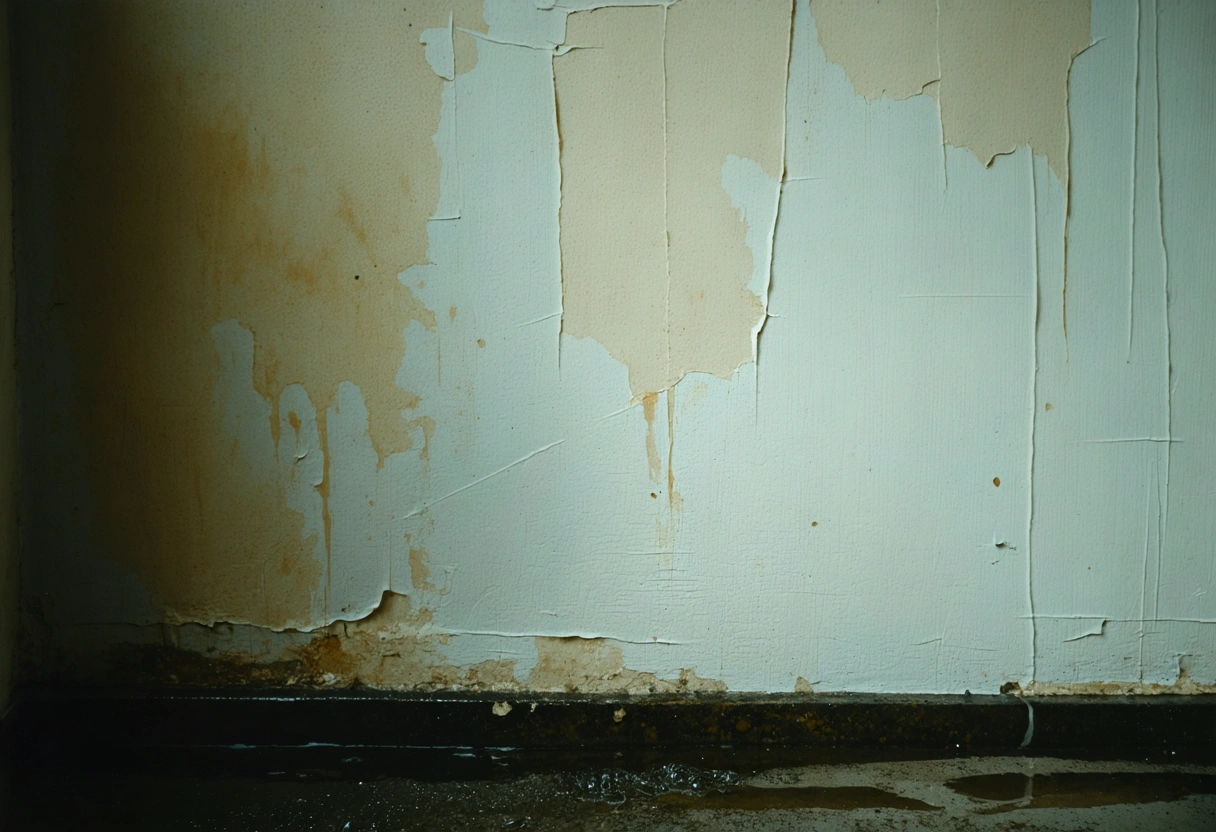
Signs of water damage include peeling paint, swollen walls, and a musty odor. If you notice any of these signs, it’s essential to investigate further and determine the source of the leak. Ignoring water damage can lead to mold growth and structural issues, which can be both costly and challenging to remediate.
Identifying Leaks
Detecting leaks in your shower can be tricky, especially if they’re hidden behind walls or under floors. However, there are a few telltale signs that can help you identify potential leaks. One common indicator is an unexplained increase in your water bill, which may suggest a hidden leak. Additionally, if you notice any water stains on the ceiling below your bathroom, it’s likely that there’s a leak in your shower area.
Conducting regular inspections and being vigilant about any changes in your shower area can help you catch leaks early. If you suspect a leak, it’s crucial to seek professional assistance to address the issue promptly. A professional plumber can use specialized tools to detect and fix leaks effectively, minimizing damage to your home. For more insights into identifying and fixing leaks, refer to this detailed article on leak detection.
Addressing Water Damage
Once a leak has been identified and fixed, addressing any resulting water damage is essential. This may involve replacing damaged drywall, repainting, and addressing any mold growth. Mold remediation can be particularly challenging, as mold spores can spread quickly and pose health risks. It’s crucial to address mold issues promptly and thoroughly, using appropriate cleaning solutions and techniques.
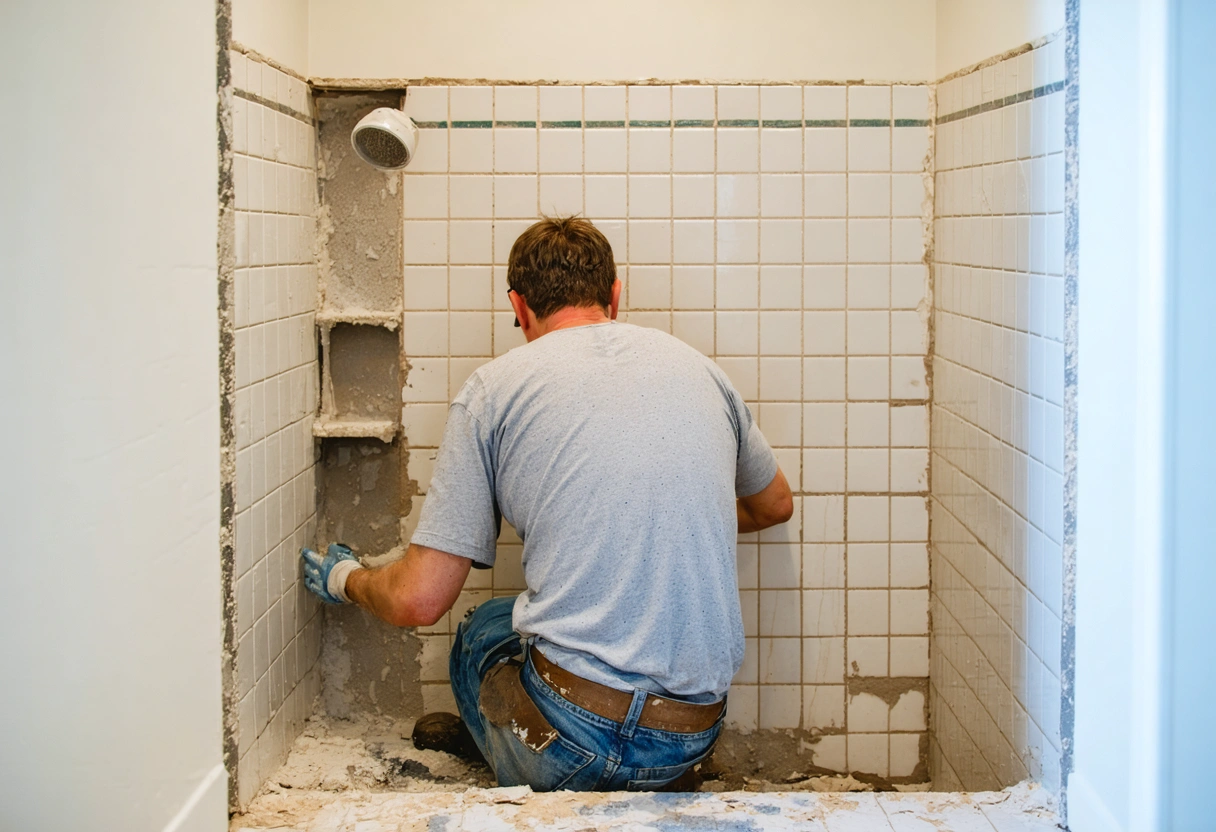
In some cases, extensive water damage may require a complete shower restoration. This involves removing damaged materials, repairing or replacing plumbing, and installing new tiles and fixtures. While this might seem like a significant undertaking, it can ultimately save you money by preventing further damage and ensuring the longevity of your shower. For a comprehensive guide on water damage restoration, check out this resource on water damage prevention and remediation.
Mold and Mildew Growth
Mold and mildew are common issues in bathrooms, given the high humidity and moisture levels. These fungi can grow on various surfaces, including tiles, grout, and even walls. Not only are mold and mildew unsightly, but they can also pose health risks, particularly for individuals with respiratory issues or allergies.
Recognizing the signs of mold and mildew growth and addressing them promptly is crucial for maintaining a healthy bathroom environment. Common indicators include black or green spots on tiles and grout, a musty odor, and visible mold growth on walls or ceilings.
Preventing Mold Growth
Prevention is key when it comes to mold and mildew growth. Ensuring proper ventilation in your bathroom can significantly reduce the risk of mold development. Installing an exhaust fan, opening windows, and using a dehumidifier can help maintain optimal humidity levels and prevent mold growth.
Additionally, regularly cleaning your shower area with appropriate cleaning solutions can help prevent mold and mildew. Pay special attention to grout lines and any areas prone to moisture retention. For more tips on preventing mold growth in bathrooms, explore this comprehensive guide on mold prevention from the EPA.
Remediating Mold Issues
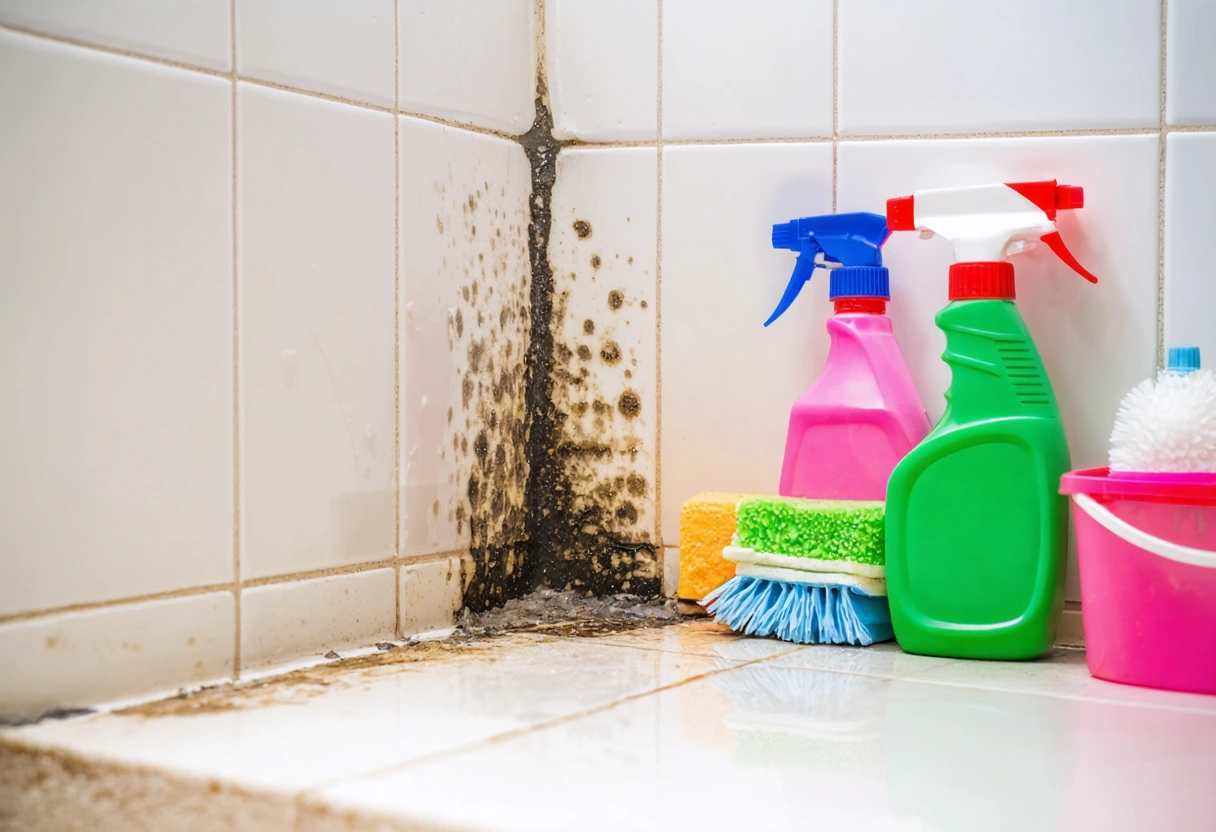
If mold has already developed in your shower area, it’s essential to address it promptly and thoroughly. Small areas of mold can often be cleaned with commercial mold removal products or a mixture of vinegar and baking soda. However, for extensive mold growth, professional remediation may be necessary.
Professional mold remediation involves identifying and addressing the source of moisture, removing affected materials, and thoroughly cleaning the area. This process ensures that mold spores are eliminated and prevents future growth. If you’re facing significant mold issues, consider consulting a professional mold remediation service for assistance. For more information on mold remediation, refer to this detailed guide from the CDC.
Takeaways
Determining the right time for a shower restoration involves recognizing various signs of wear and tear, water damage, and mold growth. By being proactive and attentive to these indicators, you can ensure that your shower remains functional, safe, and aesthetically pleasing. Regular maintenance and prompt restoration can save you from costly repairs and contribute to a healthier bathroom environment.
Remember, timely intervention is key to maintaining your shower’s integrity and preventing further damage. Whether it’s addressing chipped tiles, fixing leaks, or remediating mold, taking action at the right time can make a significant difference. By following the guidelines outlined in this article and seeking professional assistance when needed, you can enjoy a well-maintained, beautiful shower for years to come.
Furthermore, educating yourself about the materials and components of your shower can be immensely beneficial. Understanding the types of tiles, grout, and fixtures used in your shower can help you make informed decisions when it comes to maintenance and restoration. For instance, certain tiles may require specific cleaning products or techniques, and knowing this can prevent accidental damage.
Choosing the Right Restoration Approach
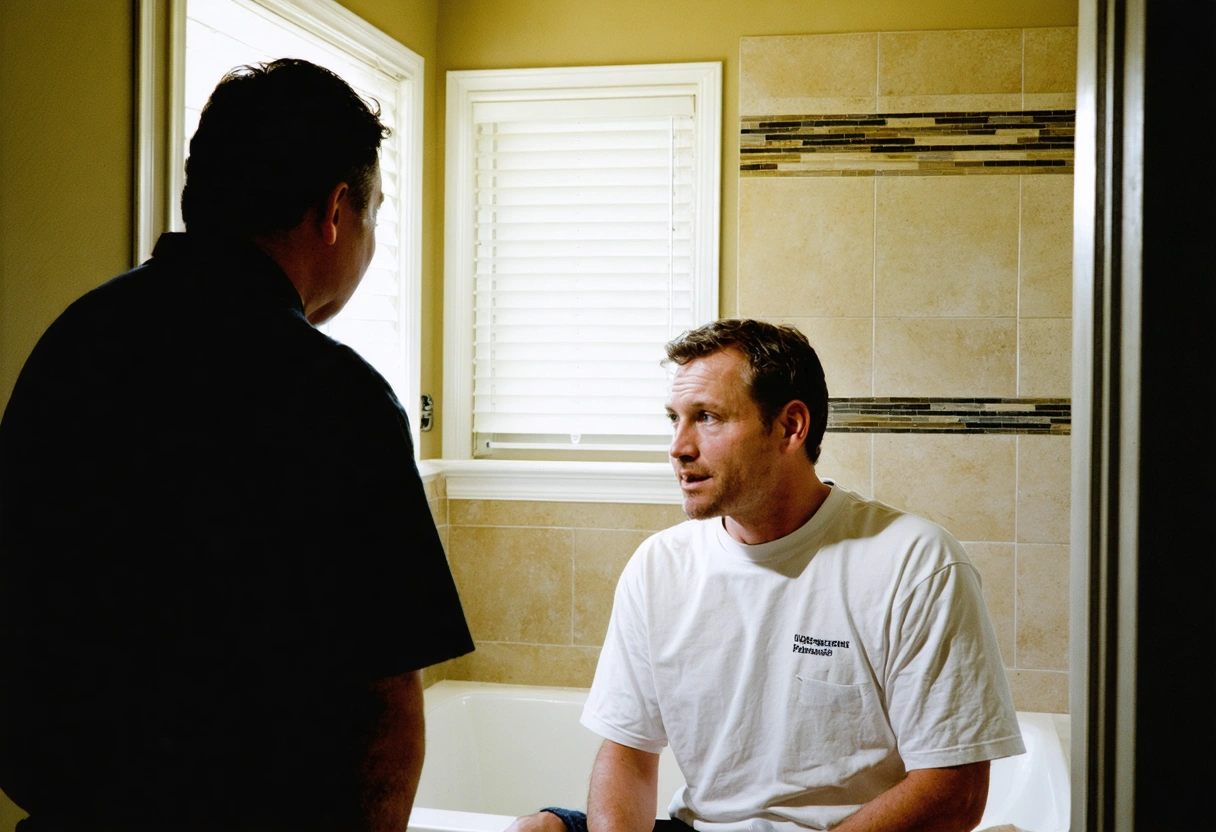
Once you’ve identified the need for a shower restoration, selecting the appropriate approach is crucial. The type of restoration required will depend on the extent of the damage and the specific issues at hand. For minor cosmetic problems, such as discolored grout or surface mold, a simple cleaning and resealing might suffice. However, for more significant issues like water damage or extensive mold growth, a more comprehensive restoration may be necessary.
When considering a shower restoration, it’s important to assess whether you can handle the task yourself or if professional assistance is needed. While DIY solutions can be cost-effective for minor issues, complex problems often require the expertise of a professional. Professionals can ensure that the restoration is done correctly and that all underlying issues are addressed, providing peace of mind and long-term results.
Investing in quality materials and skilled craftsmanship during the restoration process can also make a significant difference. High-quality tiles, grout, and fixtures not only enhance the appearance of your shower but also contribute to its durability and longevity. For those seeking guidance on selecting materials for bathroom renovations, this helpful bathroom renovation guide offers valuable insights into making informed choices.
Final Thoughts
Ultimately, maintaining and restoring your shower is an ongoing process that requires attention and care. By recognizing the signs of wear and tear, addressing issues promptly, and choosing the right restoration approach, you can keep your shower in top condition. Regular inspections and maintenance, along with professional guidance when necessary, ensure that your shower remains a functional and beautiful part of your home.
With the knowledge and insights provided in this article, you are now better equipped to determine when it’s time for a shower restoration and how to proceed effectively. Embrace proactive maintenance practices, and your shower will continue to serve as a relaxing and rejuvenating space for years to come.
Need help with How to Determine the Right Time for a Shower Restoration: Signs to Look For?