The Hidden Threat of Neglected Showers: Understanding Damage and How to Prevent It
Showers are a staple in our daily routines, serving the dual purpose of hygiene and relaxation. However, the importance of maintaining them often takes a back seat amid our busy lives. Neglecting shower maintenance can lead to a myriad of problems, some of which can cause significant damage to your home and health. This blog post delves into the hidden threats of a neglected shower, the types of damage that can occur, and tips on prevention to ensure your bathroom remains a sanctuary rather than a source of stress.
The Importance of Shower Maintenance
A well-maintained shower is not just about aesthetic appeal; it’s crucial for functionality and longevity. Regular maintenance helps prevent minor issues from escalating into major repairs. For instance, keeping your bathroom clean and dry can significantly reduce the chances of mold growth and structural damage.
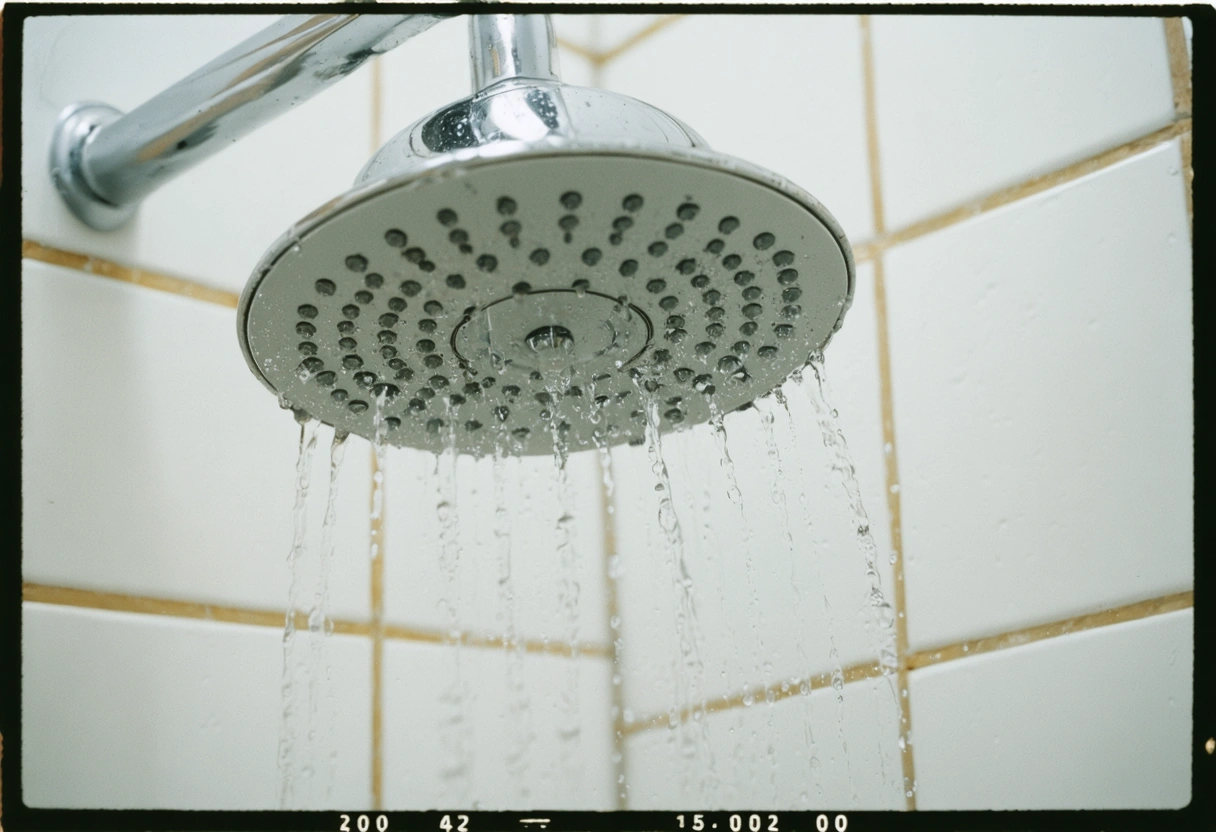
Moreover, proper maintenance extends the life of your fixtures and grout. Without regular care, the accumulation of soap scum, hard water deposits, and mildew can lead to costly repairs. Additionally, an overlooked shower can result in inefficient water usage, increasing both your water bill and environmental footprint. Understanding these aspects underscores the necessity of vigilance when it comes to shower care.
Common Types of Shower Damage
Neglected showers can suffer from various types of damage, each with unique consequences. One of the most prevalent issues is water leakage, often stemming from deteriorating grout or caulking. This can lead to water seeping into walls and floors, causing structural damage and potentially harming electrical systems. Identifying leaks early can save significant repair costs and prevent further damage.
Another common issue is mold and mildew growth. Showers provide the perfect damp environment for these fungi to thrive, posing serious health risks, especially to those with respiratory issues. Black mold, in particular, can be extremely hazardous, necessitating professional removal if not caught early. Regular cleaning and proper ventilation are essential in preventing such growth.
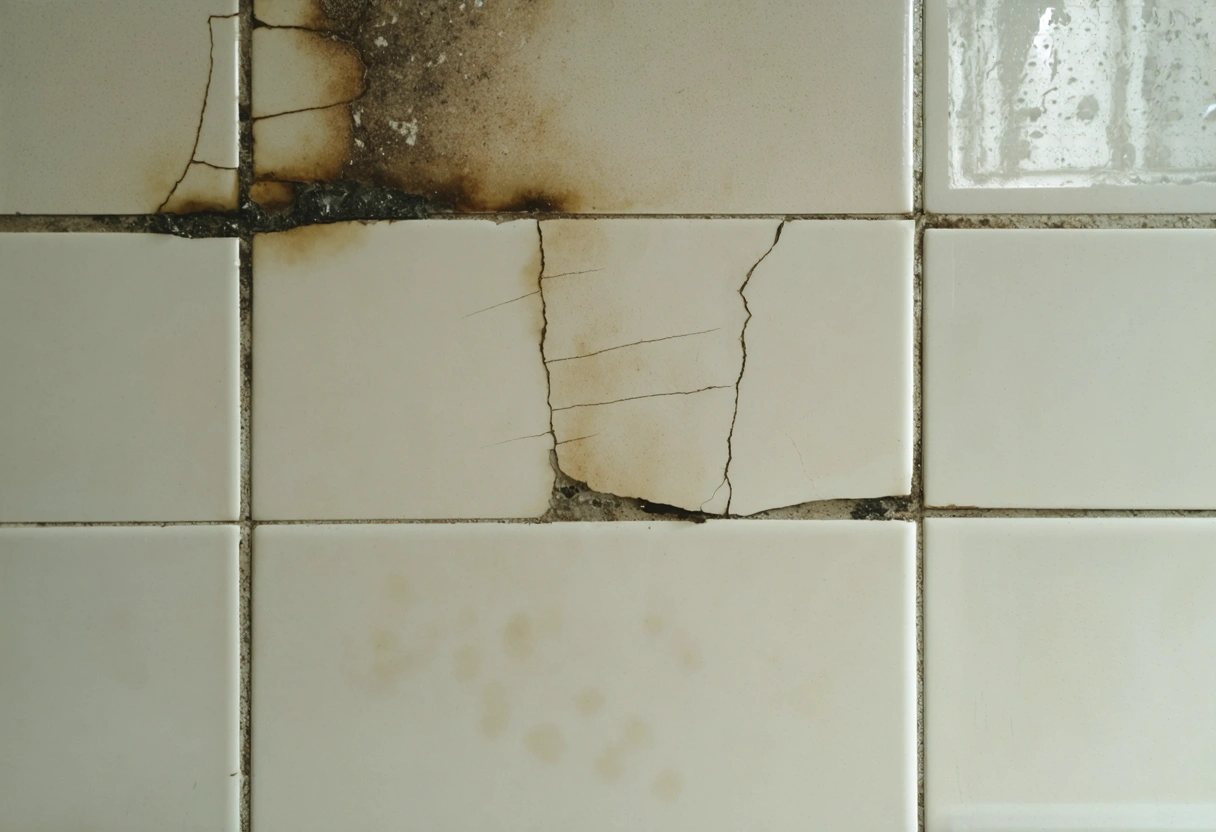
Hard water stains can also be problematic, leaving unsightly marks on tiles and fixtures. These mineral deposits can be tough to remove once they build up, and over time, they can even damage your plumbing. Installing a water softener or using specialized cleaning products can help mitigate this issue.
Health Hazards of a Neglected Shower
Beyond structural damage, neglected showers can pose serious health risks. Mold and mildew are the primary culprits, capable of affecting anyone but particularly harmful to individuals with allergies or asthma. Mold spores can trigger allergic reactions, skin irritation, and respiratory problems. Regular cleaning and adequate ventilation are crucial to prevent mold from becoming a health hazard.
Additionally, bacteria such as Legionella can thrive in stagnant water found in neglected shower systems. This bacterium can cause Legionnaires’ disease, a severe form of pneumonia. Ensuring that your shower is regularly cleaned and all components are functioning properly can help prevent such dangerous bacteria from developing.
Preventive Measures to Protect Your Shower
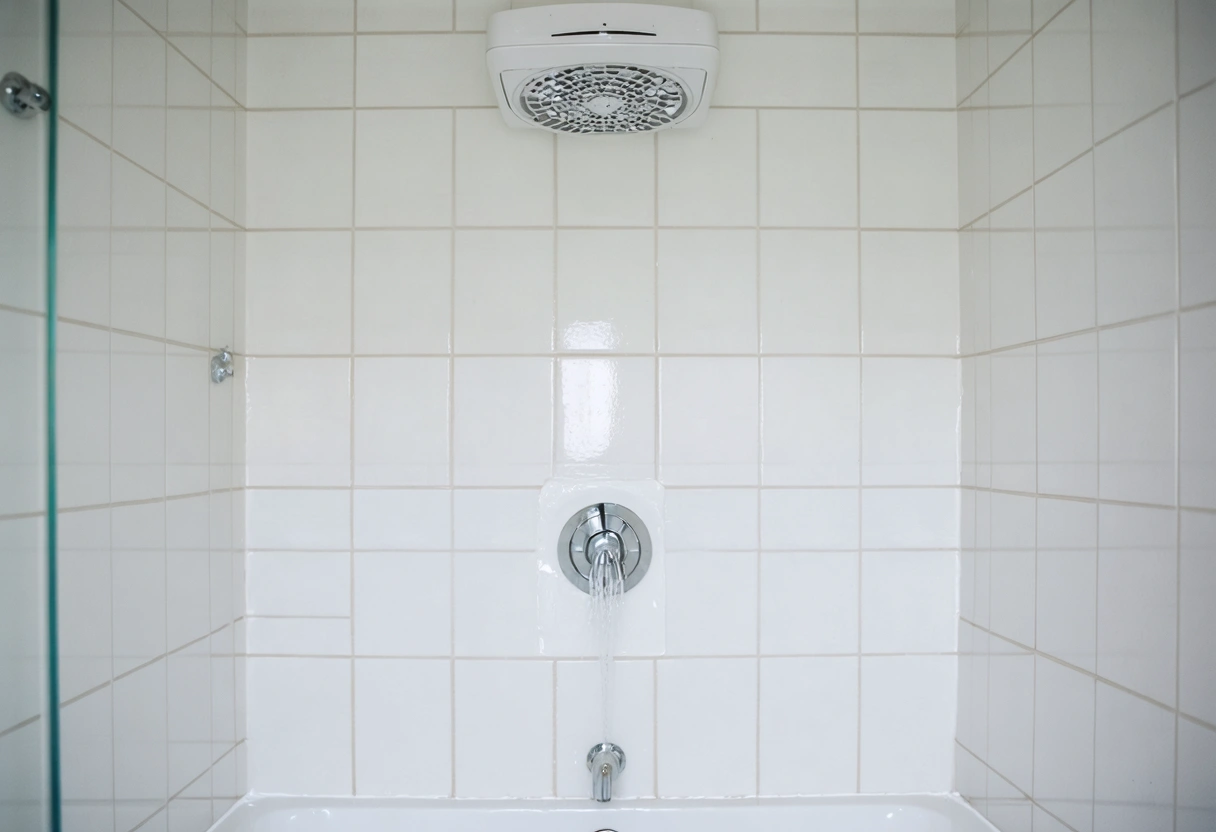
Prevention is always better than cure. Regular inspections and maintenance can go a long way in averting severe damage and health risks. Start with routine cleaning using appropriate products for your shower materials. This helps prevent the buildup of soap scum, hard water deposits, and potential mold growth.
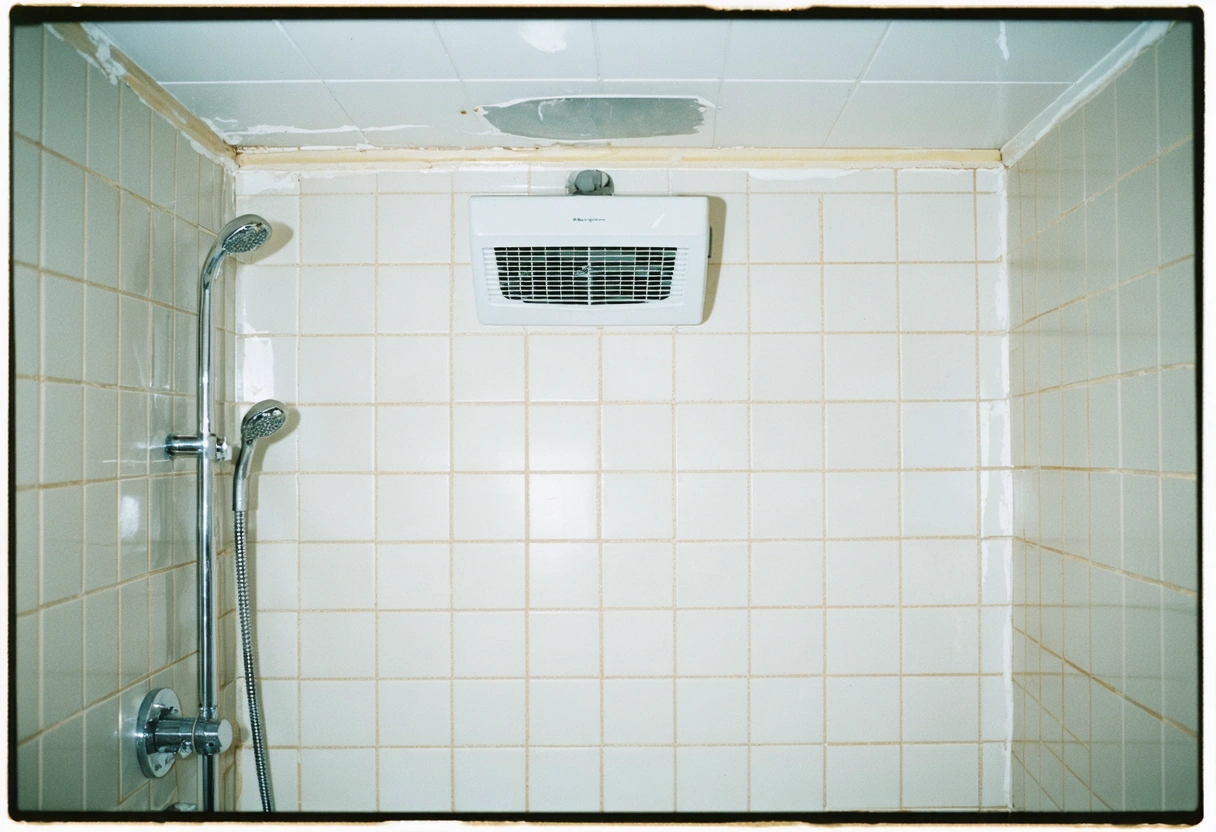
Ensure that your bathroom is well-ventilated. Installing an exhaust fan can help manage humidity levels, reducing the risk of mold and mildew. Additionally, regularly check your shower’s caulking and grout. Any signs of deterioration should be addressed immediately by resealing to prevent water seepage.
Consider using a squeegee to remove excess water from shower walls and doors after each use. This simple habit can significantly reduce moisture accumulation, preventing mold and hard water stains. Also, periodically inspect your plumbing for any leaks or signs of wear and tear. Promptly repairing any issues can prevent minor problems from escalating.
Finally, if you live in an area with hard water, consider installing a water softener. This can help prevent mineral buildup on your shower’s surfaces and plumbing, extending their lifespan and maintaining their appearance.
How Professional Help Can Make a Difference
While regular DIY maintenance can greatly benefit your shower, there are times when professional help is invaluable. Professional plumbers and cleaners have the tools and expertise to tackle issues that are beyond the scope of regular maintenance. For instance, they can conduct a thorough inspection of your shower’s plumbing to identify hidden leaks or blockages.
Moreover, professionals can offer deep cleaning services that are more effective than standard household products. For example, they can safely remove mold and mildew that have entrenched themselves into grout or caulking. Hiring professionals for a periodic check-up can not only improve the longevity of your shower but also provide peace of mind.
Keeping Your Shower in Optimum Condition
A well-maintained shower is a key component of a healthy, functional home. By understanding the potential damage and health risks associated with neglected showers, you can take proactive steps to prevent them. Regular cleaning, diligent inspections, and timely repairs are the best ways to ensure your shower remains a safe and pleasant part of your daily routine.
Investing time and effort into maintaining your shower can save you significant expenses down the line and protect your home from structural damage. It also safeguards your family’s health by minimizing exposure to harmful mold and bacteria. For comprehensive guidance on shower maintenance and repairs, visit trusted resources like bathroom remodeling guides or consult with a professional.
Remember, the key to a healthy shower is regular attention and care. By adopting preventive measures and understanding the risks, you can enjoy a clean, safe, and efficient shower for years to come.
Need help with The Hidden Threat of Neglected Showers: Understanding Damage and How to Prevent It?