
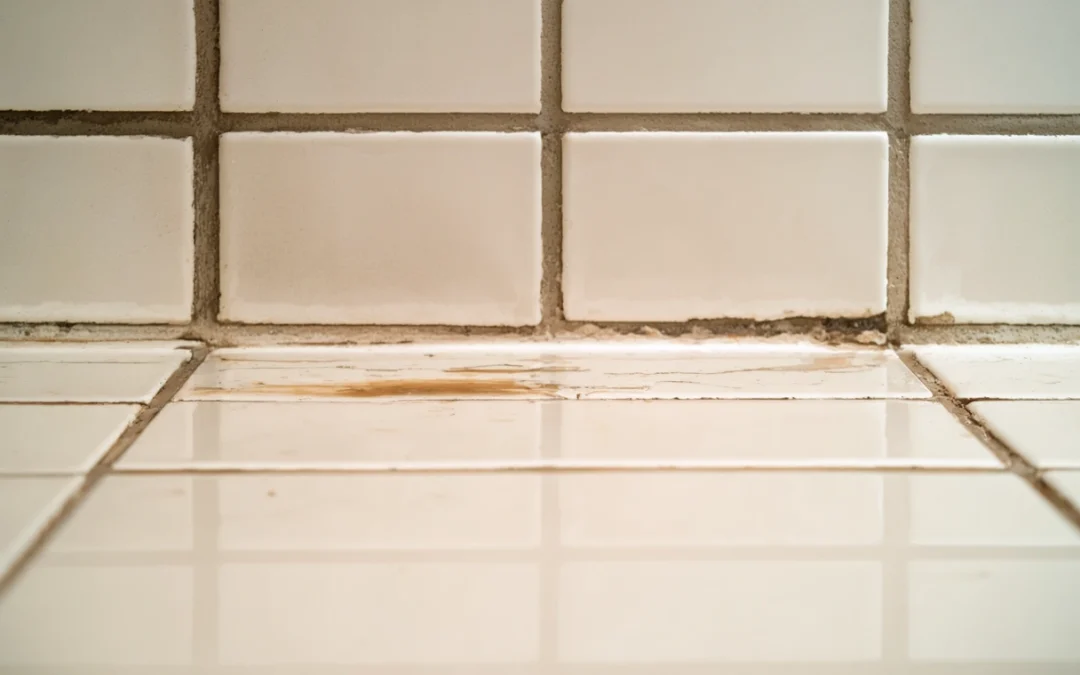
Debunking Myths About Grout Cleaning: What You Really Need to Know
Cleaning grout can be a daunting task for many homeowners. Over time, a variety of myths about grout cleaning have emerged, causing confusion and sometimes even causing damage. In this comprehensive guide, we will debunk some of these myths and provide you with accurate information on how to effectively clean and maintain your grout.
Introduction to Grout Cleaning
Grout is the material that fills the spaces between tiles, providing both aesthetic value and structural integrity. Given its porous nature, grout is susceptible to dirt, grime, and stains. Proper cleaning and maintenance are essential to keep your tiles looking pristine. However, misinformation has led to the spread of many grout cleaning myths. Understanding and debunking these myths is crucial for maintaining the longevity and appearance of your tiled surfaces.
Myth 1: Bleach Is the Best Cleaner for Grout
One of the most prevalent myths is that bleach is the ultimate grout cleaner. While bleach can indeed whiten grout, it does not necessarily clean it. Bleach is effective at killing mold and mildew, but it can also degrade the grout over time. The harsh chemicals can weaken the grout, leading to crumbling and potential tile damage. Instead, consider using a pH-balanced cleaner that is specifically designed for grout cleaning.
Additionally, bleach has the potential to cause discoloration, especially if your grout is colored. The bleaching effect can result in uneven tones and damage the aesthetic appeal of your tiles. For a safer and more effective cleaning solution, opt for a mixture of baking soda and vinegar. This combination is not only eco-friendly but also effective in removing surface stains and grime.
Myth 2: Grout Cleaning Is a Once-a-Year Task
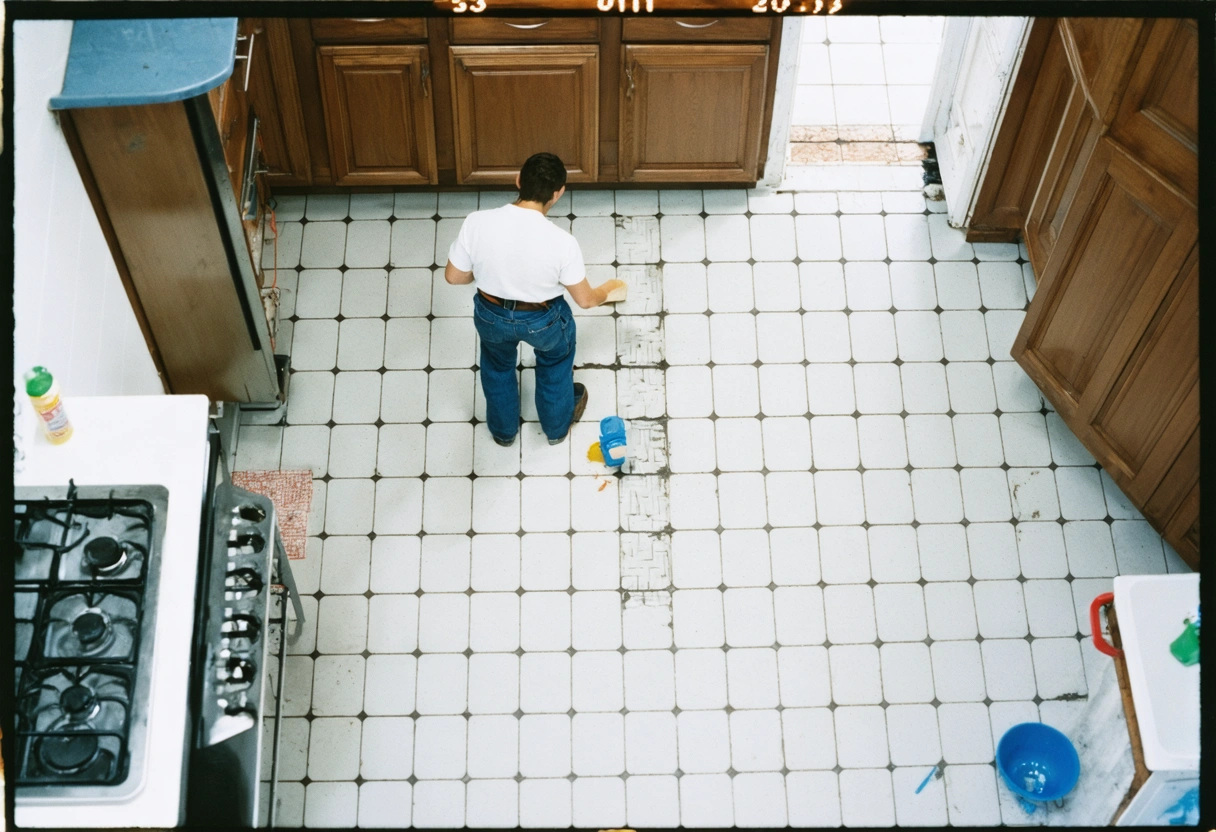
Many believe that grout cleaning is something that only needs to be done once a year. This is far from the truth. Grout is porous and absorbs dirt and liquids, which can lead to staining. Regular cleaning is essential to prevent buildup and maintain the appearance of your tiles. Depending on the location and usage of the tiled area, grout cleaning might be required more frequently.
High-traffic areas such as kitchens and bathrooms should be cleaned more often to prevent the accumulation of grime and bacteria. Using a daily or weekly cleaning routine with mild cleaners can help keep your grout in top condition. For a more thorough cleaning, consider scheduling professional cleaning services every six months to a year.
Myth 3: All Grout Is the Same
Another common misconception is that all grout is the same. In reality, there are different types of grout, each with unique properties and cleaning requirements. Sanded grout, unsanded grout, epoxy grout, and urethane grout are some of the common types used in residential and commercial settings. Each type has specific cleaning needs that should be addressed to maintain its integrity and appearance.
For example, sanded grout is typically used for wider joints and is more durable, but it can be more challenging to clean due to its rough texture. In contrast, unsanded grout is smoother and used for narrower joints, making it easier to clean. Understanding the type of grout you have can help you choose the appropriate cleaning method and avoid damage.
Myth 4: You Can Skip Sealing Grout
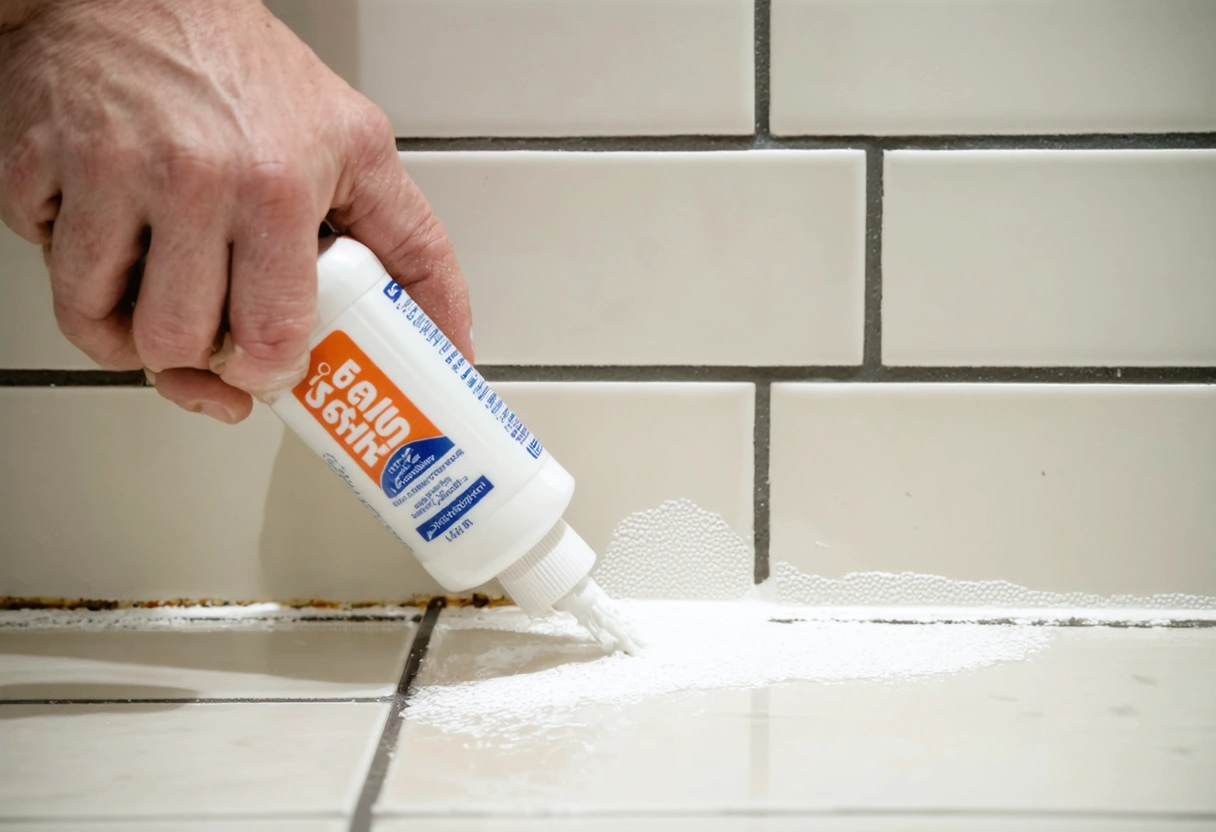
Sealing grout is often regarded as an optional step, but this is a myth that can lead to long-term issues. Unsealed grout is more susceptible to stains, water damage, and mold growth. Sealing grout creates a protective barrier that repels moisture and reduces the risk of stains. It is a crucial step in grout maintenance that should not be overlooked.
While some types of grout, like epoxy, do not require sealing due to their non-porous nature, traditional cement-based grout should always be sealed. Regular resealing is recommended every one to two years, depending on the level of wear and exposure to moisture. Sealing your grout not only protects it but also makes cleaning easier in the long run.
Myth 5: DIY Cleaning Solutions Are Ineffective
Contrary to popular belief, DIY cleaning solutions can be quite effective for grout cleaning. Many store-bought cleaners contain harsh chemicals that can damage grout over time. Homemade solutions, on the other hand, are often gentler and can be just as effective when used properly. A mixture of baking soda and water creates a paste that can be applied to grout lines, allowing it to sit for a few minutes before scrubbing with a brush.
Another effective DIY cleaning solution involves mixing equal parts water and vinegar. This solution can break down grime and kill bacteria, providing a deeper clean. However, it is important to avoid using vinegar on stone tiles, as the acid can damage natural stone surfaces. Always test a small area before applying any DIY solution to your entire floor.
Grout Cleaning Best Practices
In conclusion, understanding the truths behind grout cleaning myths is crucial for effective tile maintenance. Bleach is not always the best solution, grout cleaning should be regular, and sealing is essential for longevity. Recognizing the type of grout you have and using the appropriate cleaning solutions can make a significant difference in the appearance and longevity of your tiles.
By debunking these myths and implementing proper grout cleaning practices, you can maintain a clean, inviting, and durable tile surface. Regular maintenance, coupled with the right cleaning products and techniques, will keep your grout looking its best for years to come.
Remember, taking the time to understand and apply the correct grout cleaning methods can prevent costly repairs and maintain the beauty of your home. Don’t let myths steer you in the wrong direction. Equip yourself with the right knowledge and tools to keep your tiles shining brightly.
Myth 6: Grout Cleaning Is the Same for All Rooms
It is a common belief that grout cleaning techniques can be universally applied across all rooms in a home. However, the demands placed on grout vary significantly depending on the location. For instance, grout in the bathroom is exposed to much more moisture compared to grout in a living room or hallway. The presence of water and humidity makes bathroom grout more susceptible to mold and mildew, requiring more frequent and specialized cleaning methods.
In kitchens, grout is often subjected to food spills and grease, which can lead to stubborn stains that are difficult to remove with standard cleaning products. In such cases, a degreasing agent or a stronger cleaner specifically formulated for kitchens might be necessary. Understanding the specific challenges faced by grout in different rooms ensures that you apply the most effective cleaning strategy for each situation.
Myth 7: New Grout Doesn’t Need Immediate Attention
Many homeowners assume that new grout doesn’t require immediate cleaning or sealing. However, taking proactive steps from the start can significantly enhance the longevity and appearance of your grout. Newly applied grout should ideally be sealed as soon as it has cured, which typically takes about 48 to 72 hours. Sealing new grout prevents stains and moisture from penetrating the surface, providing a protective layer that reduces the need for aggressive cleaning in the future.
Furthermore, it is beneficial to establish a cleaning routine for new grout early on. This prevents dirt and grime from becoming deeply embedded, making future cleaning efforts easier and more effective. Ensuring that your cleaning products and methods are gentle yet effective will help in maintaining the pristine condition of your grout from the outset.
Myth 8: Professional Grout Cleaning Is Unnecessary
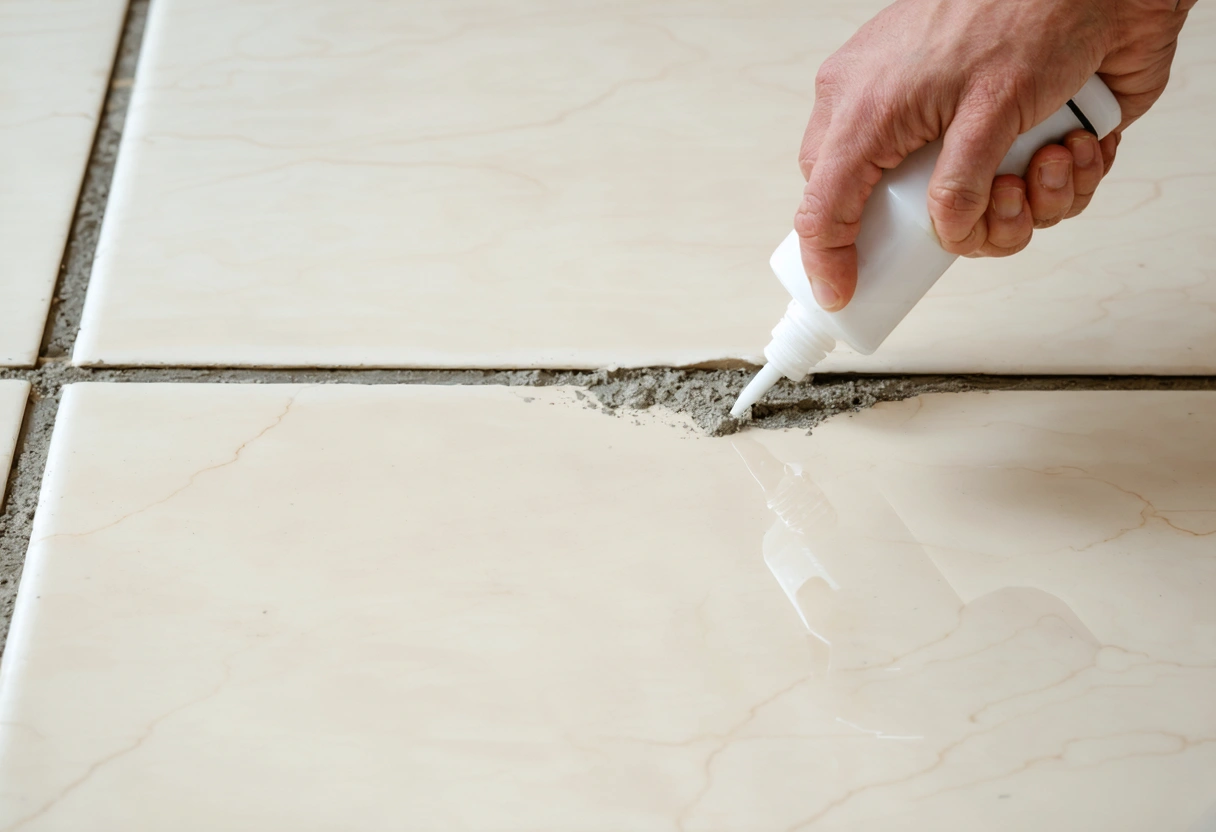
While regular home cleaning is essential, there are times when professional grout cleaning services can make a substantial difference. Professional cleaners have access to specialized tools and techniques that can address deeply embedded dirt and stains that home cleaning methods might miss. They can also assess the condition of your grout and provide customized solutions based on the type and state of your tiles.
Moreover, professional cleaning can extend the life of your grout and tiles by removing harsh residues and buildup that can lead to premature degradation. For those who want to ensure the highest level of cleanliness and care, scheduling a professional cleaning service annually or bi-annually can be a wise investment.
Myth 9: All Grout Cleaning Brushes Are the Same
Another misconception is that any brush can be used for cleaning grout. In reality, choosing the right brush is crucial to avoid damaging the grout. Hard-bristled brushes can scratch or erode grout lines, especially if used with excessive force. On the other hand, a brush with soft to medium bristles is usually sufficient for most cleaning tasks, allowing for effective scrubbing without compromising the integrity of the grout.
Specialized grout brushes are designed to fit into the grooves and crevices between tiles, making them more effective at removing dirt and grime. When tackling tough stains, it is important to let the cleaning solution sit for a few minutes before scrubbing to loosen the dirt, reducing the need for excessive force that could damage the grout.
Grout Maintenance Tips
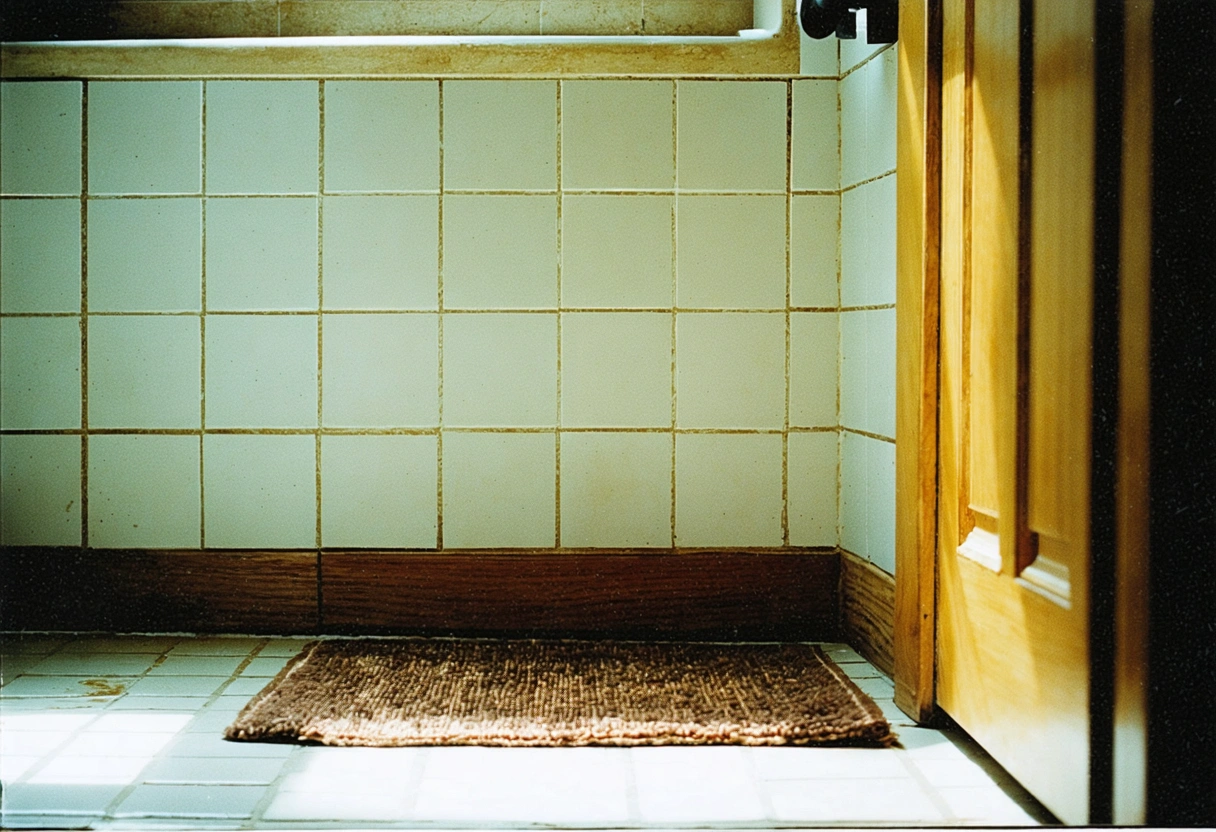
To maintain the beauty and function of your grout, there are several key practices you should incorporate into your routine. First, ensure that spills are cleaned up promptly to prevent staining. Using a pH-neutral cleaner regularly will help maintain the grout’s color and integrity. Additionally, consider using mats or rugs in high-traffic areas to minimize wear and tear.
Ventilation is crucial in moisture-prone areas such as bathrooms and kitchens. Installing exhaust fans or opening windows can help reduce humidity levels, preventing mold and mildew growth. For those with stone tiles, avoid acidic cleaners that can etch the stone and cause damage over time.
Empowering Your Grout Care
Grout cleaning is an essential aspect of home maintenance that should not be taken lightly. By debunking common <a href="https://floor-medix.com/pavers/paver-cleaning/understanding-the-importance-of-professional-paver-cleaning-and-sealing-services/” rel=”internal” target=”_blank”>myths and adopting informed practices, you can ensure that your grout remains in excellent condition. Understanding the specific needs of your grout, whether newly installed or well-aged, empowers you to make the best choices for cleaning and maintenance.
With a combination of regular cleaning, appropriate sealing, and occasional professional services, you can preserve the beauty and functionality of your tiled surfaces for years to come. Take the time to educate yourself about the nuances of grout care and approach each cleaning task with confidence. By doing so, you not only enhance the aesthetics of your home but also protect it from potential damage down the line.
For further reading, visit this comprehensive guide on tile and grout maintenance that offers additional tips and insights.
Need help with Debunking Myths About Grout Cleaning: What You Really Need to Know?