
Introduction
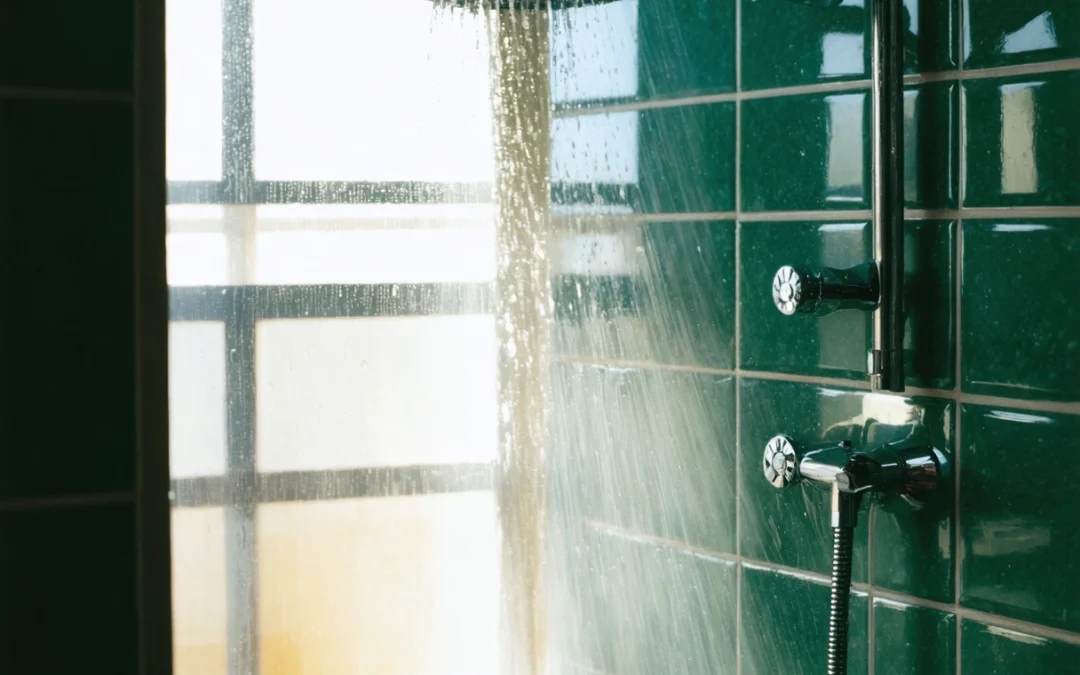
Maintaining and extending the lifespan of your shower tiles is an essential aspect of home care. Not only does it enhance the aesthetic appeal of your bathroom, but it also ensures the longevity of your investment. Tiles can be a costly addition to your bathroom, and without proper maintenance, their beauty and functionality can diminish over time. In this post, we’ll explore professional advice from Floor Medix on how to keep your shower tiles looking pristine for years to come.
Shower tiles face constant exposure to water, soap, and other cleaning agents, which can lead to wear and tear. While these tiles are designed to be durable, neglecting their maintenance can cause them to lose their sheen, develop mold, or even crack. Fortunately, with the right care and attention, you can prevent these issues and enjoy a clean, beautiful shower space.
Understanding Your Shower Tiles
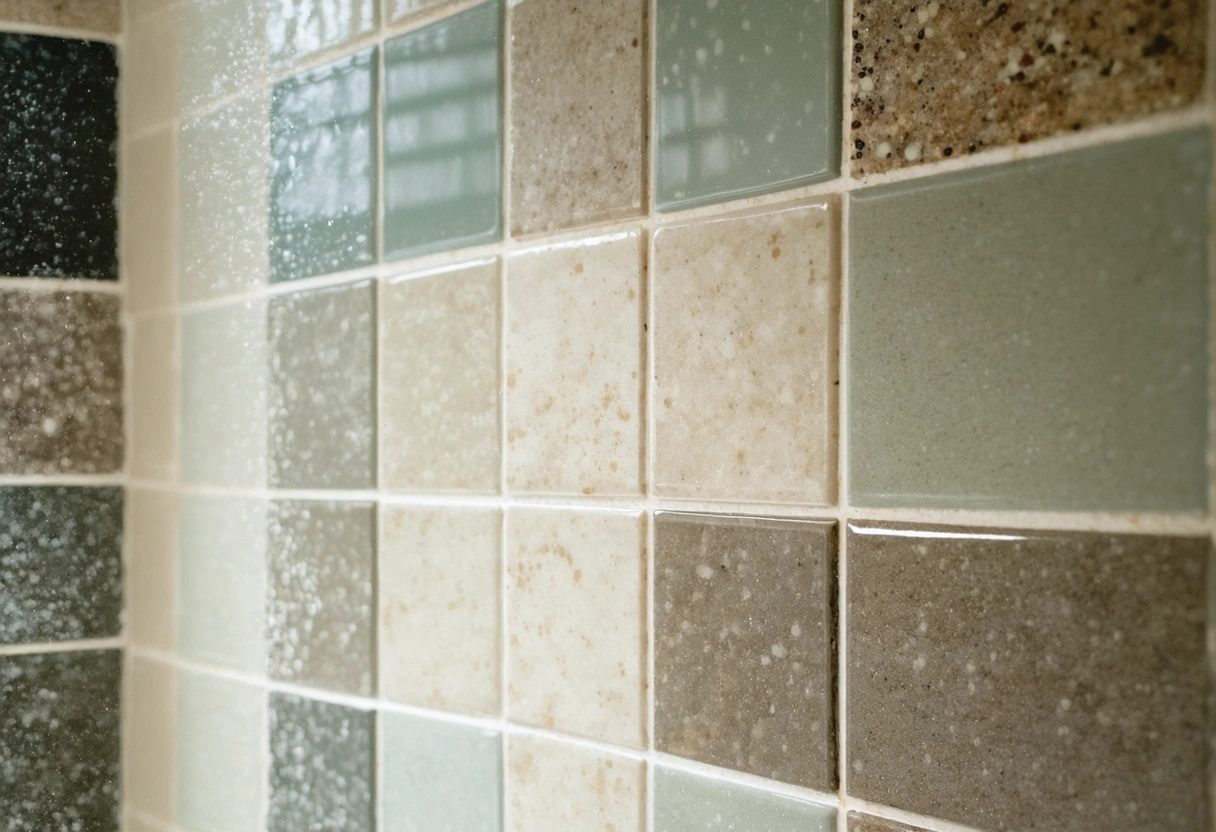
Before diving into maintenance techniques, it is crucial to understand the different types of tiles used in showers. Common materials include ceramic, porcelain, natural stone, and glass. Each of these materials has unique characteristics and requires specific care.
Ceramic tiles are popular for their affordability and versatility. They are comparatively easy to maintain but can be prone to chipping if not handled with care. Porcelain tiles are denser and more water-resistant, making them suitable for showers. They are durable but also need regular maintenance to prevent staining.
Natural stone tiles, such as marble or travertine, offer a luxurious appearance but require more meticulous care to maintain their natural beauty. Glass tiles add a modern touch to shower spaces and are easy to clean, though they can be slippery when wet.
Understanding the type of tiles in your shower will guide you in selecting the appropriate cleaning products and methods, ensuring that you do not damage their surface or compromise their integrity.
Regular Cleaning and Maintenance
Daily Cleaning Routine
Establishing a daily cleaning routine is the first step in maintaining your shower tiles. After each shower, use a squeegee or a microfiber cloth to wipe down the tiles and remove excess water. This simple action can prevent water spots and soap scum buildup, which are common culprits of dull tiles.
For a quick clean, spray the tiles with a mild vinegar solution. Mix equal parts of water and white vinegar in a spray bottle and lightly mist the area. Vinegar is a natural disinfectant and can help cut through soap residue without damaging the tiles. Make sure to rinse thoroughly with water afterward to prevent vinegar from sitting on the tiles for too long.
Weekly Deep Cleaning
Weekly cleaning is essential for preventing grime and mold growth. Choose a cleaner that is suitable for your tile type. For ceramic and porcelain tiles, a mild, non-abrasive cleaner is ideal. For natural stone, avoid acidic cleaners and opt for pH-neutral cleaning solutions.
To clean grout lines, which are more susceptible to mold and mildew, use a paste made from baking soda and water. Apply the paste to the grout, let it sit for a few minutes, and then scrub gently with a toothbrush or a grout brush. Rinse thoroughly to remove any residue.
Preventing Mold and Mildew
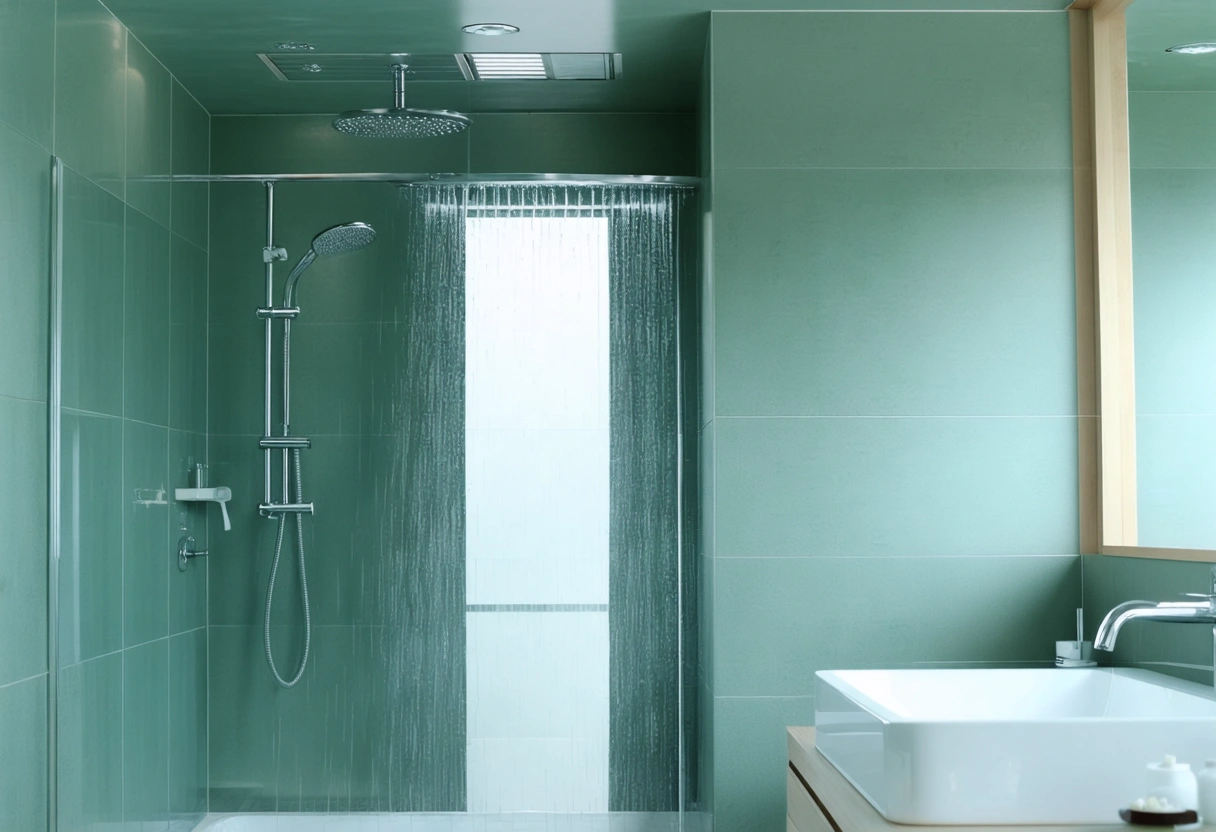
Mold and mildew thrive in moist environments, making shower areas particularly vulnerable. To prevent their growth, ensure your bathroom is well-ventilated. Use an exhaust fan during and after showers to reduce humidity levels. Keep the shower door or curtain open after use to allow air circulation.
If you notice mold beginning to form, act quickly to remove it. For light mold, a mixture of hydrogen peroxide and water can be effective. For more severe cases, a commercial mold remover may be necessary. Always follow the product instructions and wear protective gloves and masks to prevent inhalation of mold spores or harsh chemicals.
Regularly inspecting your tiles and grout for signs of mold can help you catch and address issues before they become significant problems. Don’t forget to check corners and less visible areas, as these spots are often where mold begins to develop.
Sealing and Protecting Your Tiles
Sealing your tiles and grout is an excellent way to extend their lifespan. Sealants act as a barrier against moisture and stains, making it easier to clean and maintain your shower tiles. Most ceramic and porcelain tiles are already glazed and do not require additional sealing. However, grout lines and natural stone tiles do benefit significantly from sealing.
Apply a high-quality sealant to grout lines every six months to a year, depending on usage and exposure to moisture. For natural stone, consult with a professional to determine the best sealant for the specific stone type. Applying a sealant is a relatively straightforward process: ensure the surface is clean and dry, apply the sealant evenly, and allow it to cure as per the manufacturer’s instructions.
Sealing tiles not only protects them but also enhances their appearance, making colors more vibrant and surfaces more reflective.
Repairing Damaged Tiles
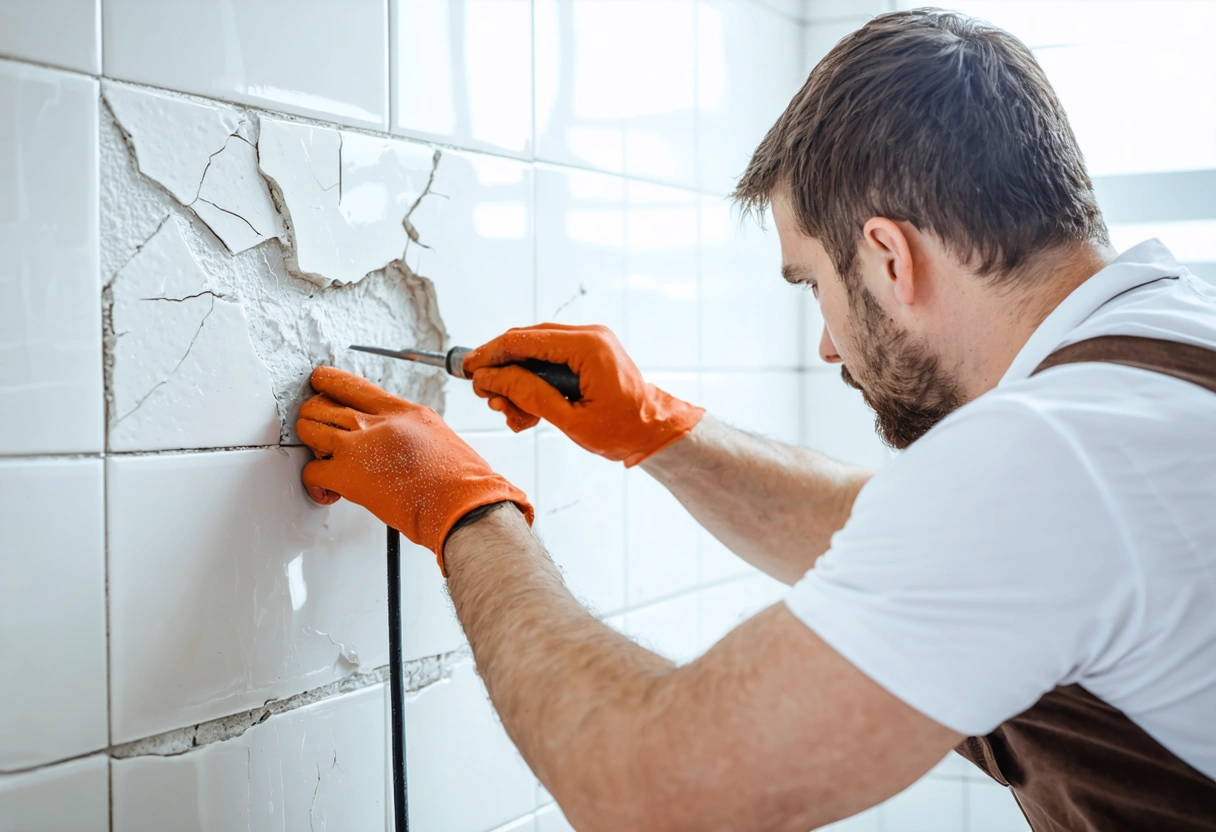
Despite taking all necessary precautions, tiles can sometimes get damaged. Cracks, chips, or loose tiles should be repaired promptly to prevent further deterioration. If you notice any damage, it is best to consult with a professional tiler for a proper assessment and repair.
Minor chips and cracks can sometimes be repaired with a tile repair kit, which includes epoxy and colorants to match the tile color. For larger repairs, such as replacing a tile, it might be necessary to remove the damaged tile and install a new one.
Regular inspections can help you identify potential issues early, allowing for timely repairs and preventing water damage or mold growth beneath the surface.
Takeaways
Maintaining and extending the lifespan of your shower tiles requires a combination of regular cleaning, preventative measures, and timely repairs. By understanding the specific needs of the tile materials in your shower, you can choose the best cleaning products and methods, ensuring that your tiles remain beautiful and functional for years to come.
Investing time in proper tile care not only preserves their aesthetic appeal but also enhances the overall value of your home. By following the professional advice from Floor Medix, you can enjoy a pristine and inviting shower space that stands the test of time.
For more detailed guides on maintaining other areas of your home, consider exploring additional resources on tile maintenance and home improvement. Your tiles will thank you with lasting beauty and durability!
Eco-Friendly Cleaning Alternatives
As the importance of sustainability grows, more homeowners are seeking eco-friendly cleaning alternatives for their homes, including shower tiles. Natural cleaning agents not only reduce your household’s environmental footprint but also minimize exposure to harsh chemicals that can be harmful to both the tiles and your health.
One popular eco-friendly solution is a vinegar and baking soda mixture. This combination is effective in cutting through soap scum and mineral deposits. Simply sprinkle baking soda on the tiles, spray with vinegar, and scrub gently with a brush. The fizzing reaction helps lift dirt and grime without damaging the surface.
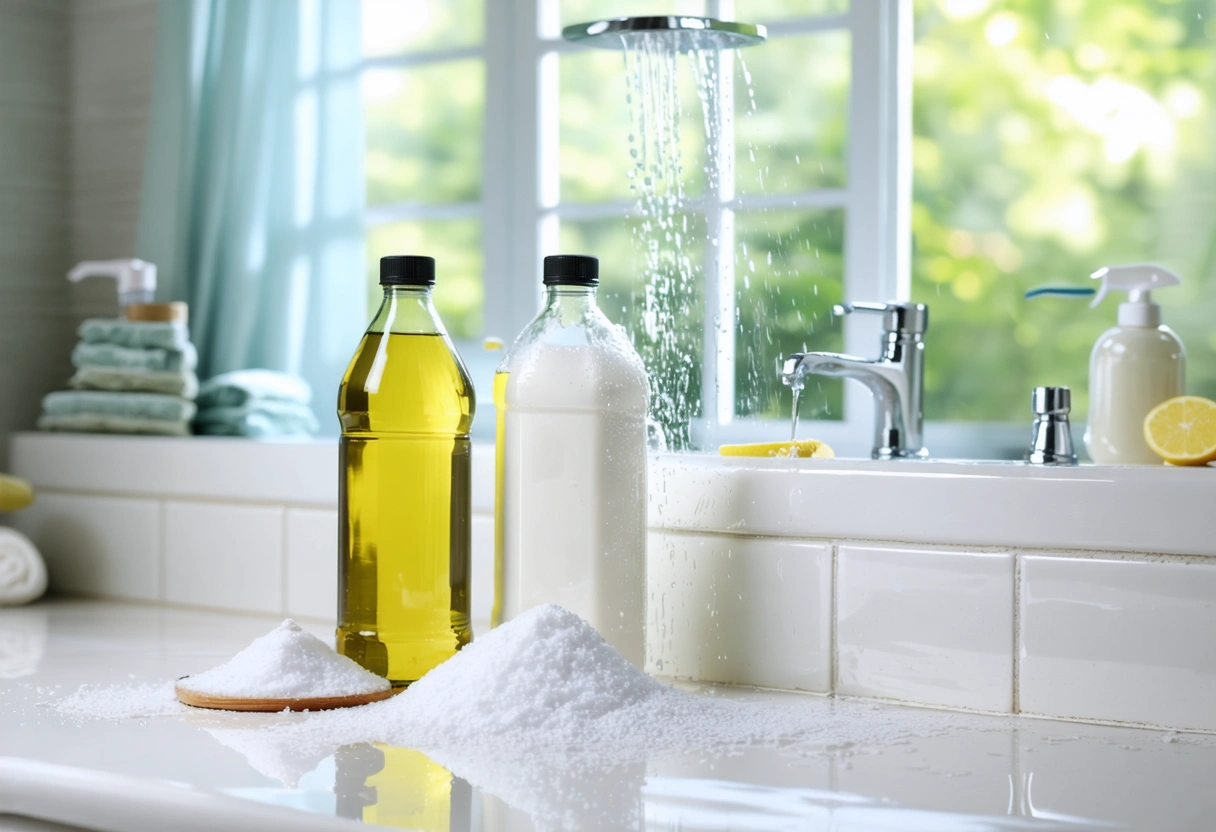
For those with natural stone tiles, which can be sensitive to acidic substances like vinegar, consider using a mixture of castile soap and water. Castile soap is a plant-based soap that is gentle yet effective. Add a few drops to warm water, apply it to the tiles with a soft cloth, and rinse thoroughly. This solution is safe for most surfaces and offers a biodegradable alternative to traditional cleaners.
Tackling Hard Water Stains
Hard water stains are a common issue in areas with high mineral content in the water supply. These stains can leave unsightly marks on your shower tiles, making them appear dull and dirty. Addressing hard water stains promptly can help maintain the tiles’ appearance and prevent long-term damage.
A simple and effective method for removing hard water stains is to use a paste made from baking soda and water. Apply the paste to the affected areas and let it sit for a few minutes before scrubbing with a soft brush. Rinse thoroughly to remove any residue. For more stubborn stains, a mixture of lemon juice and borax can be applied in a similar manner.
To prevent future hard water stains, consider installing a water softener system in your home. This system reduces mineral content in your water supply, minimizing the occurrence of hard water stains and making cleaning easier.
Incorporating Preventative Measures
Preventative measures can significantly reduce the need for intensive cleaning and repairs. By taking a proactive approach, you can keep your shower tiles in top condition with minimal effort.
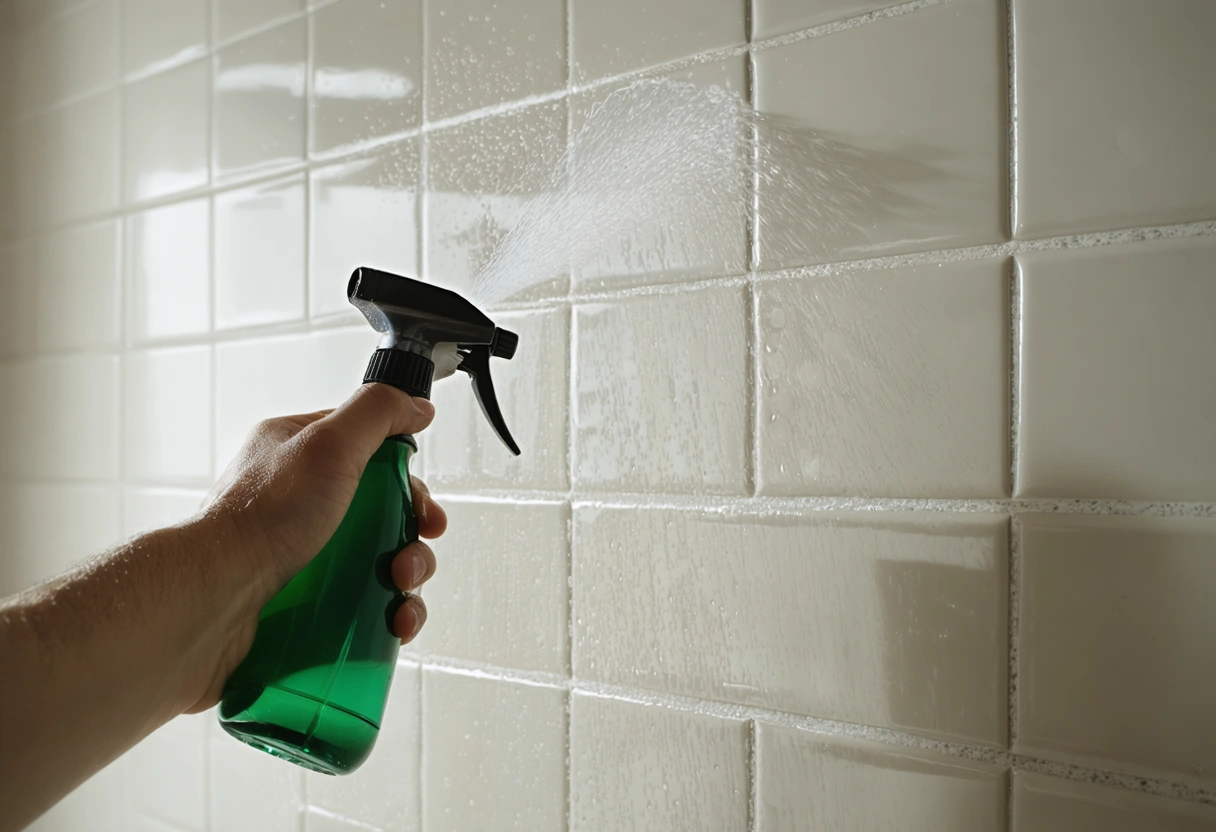
One simple preventative measure is to use a daily shower spray. These sprays create a thin protective film on the tiles, repelling water and soap scum. This can significantly reduce buildup and make regular cleaning more manageable. Be sure to select a product that is compatible with the material of your tiles.
Another effective strategy is to use a shower mat or rug to absorb excess water. This prevents water from pooling on the floor and reduces the risk of mold and mildew growth. Be sure to hang the mat to dry after each use to maintain its effectiveness.
Hiring Professional Services
While regular maintenance can extend the lifespan of your shower tiles, there may come a time when professional services are needed. Whether it’s for deep cleaning, sealing, or repairs, hiring a professional can ensure that the job is done correctly and efficiently.
Professional tile cleaning services utilize specialized equipment and cleaning solutions that can reach deep into grout lines and remove stubborn stains and mold. This level of cleaning is difficult to achieve with standard home cleaning methods and can significantly enhance the appearance and hygiene of your shower space.
In addition to cleaning, professionals can also assess the condition of your tiles and grout, identifying any potential issues that might require attention. This proactive approach can prevent minor problems from escalating into costly repairs.
Final Thoughts
Maintaining and extending the lifespan of your shower tiles involves a combination of regular cleaning, preventative measures, and professional services. By understanding the specific needs of your tiles and implementing these strategies, you can enjoy a beautiful, functional shower space for years to come.
Remember, the key to longevity is consistency. By integrating these maintenance practices into your regular cleaning routine, you can preserve the integrity and appearance of your tiles, enhancing both the aesthetic and value of your home. For additional insights and professional advice, consider exploring resources such as the HGTV guide on cleaning tile showers to further enhance your home’s maintenance practices.
Need help with How to Maintain and Extend the Lifespan of Your Shower Tiles: Professional Advice from Floor Medix?