
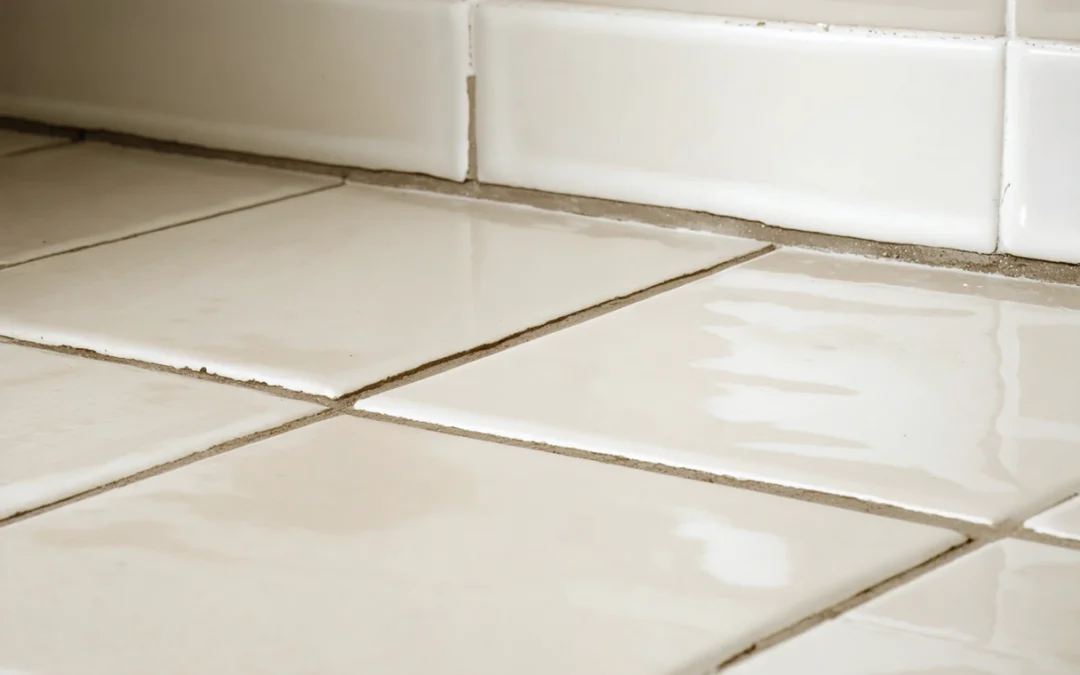
Introduction to Common Grout Problems
Grout plays a crucial role in both the aesthetic and functional aspects of tiled surfaces. Whether it’s in your bathroom, kitchen, or any other tiled area, grout holds the tiles in place and prevents moisture from seeping behind them. However, like any other material, grout is not without its issues. Over time, it can develop problems that not only affect its appearance but also its effectiveness.
This comprehensive guide will delve deep into the world of grout problems. We’ll explore how to identify common grout issues and, more importantly, how to address them effectively. Whether you’re a homeowner looking to maintain your space or a professional aiming to deepen your understanding, this guide is tailored to equip you with the knowledge you need.
Understanding Grout and Its Importance
Grout is a composite material generally made of water, cement, and sand. It is used to fill the gaps between tiles, providing a finished look and stabilizing the tile installation. It acts as a sealant to prevent water from penetrating the tiles, which is particularly important in high-moisture areas like bathrooms and kitchens.
There are different types of grout available, including sanded, unsanded, epoxy, and furan grout, each with its own set of properties and ideal use cases. Understanding the type of grout used in your installation can be the first step in identifying potential problems and the best methods for resolving them.
Common Grout Problems and How to Spot Them
Discoloration
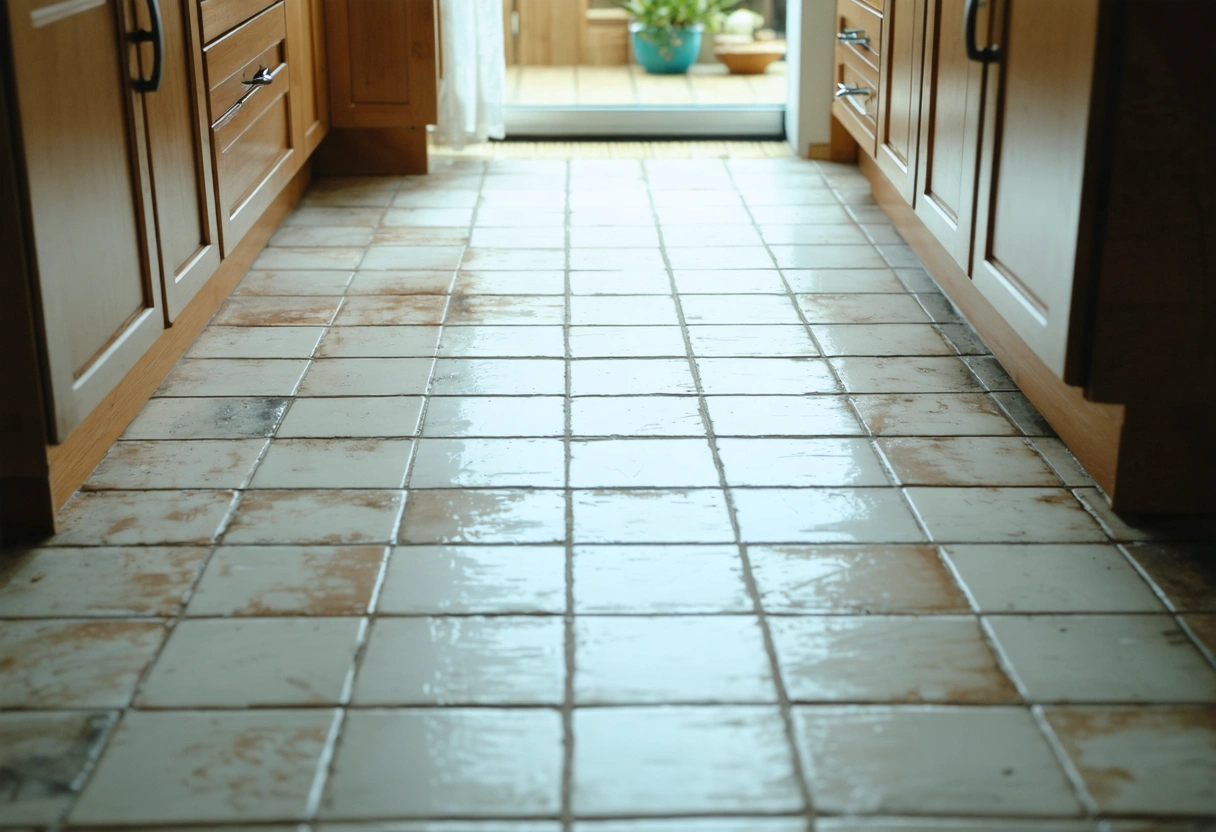
One of the most common problems with grout is discoloration. Over time, grout can become stained from spills, mold, and mildew, making it look dirty and unattractive. This is especially true in areas with heavy foot traffic or exposure to water.
Discoloration can be caused by a variety of factors, including improper sealing, exposure to harsh cleaning chemicals, and natural wear and tear. Regular inspection can help you spot discoloration early and take steps to address it before it becomes a severe issue.
Cracking
Cracking is another prevalent issue that affects grout. This can occur due to a variety of reasons, such as building settlement, improper installation, or the use of the wrong type of grout for the specific application. Cracks in grout not only affect the aesthetic appeal of your tiles but can also allow water to seep through, leading to potential damage.
If you notice cracks in your grout, it’s essential to address them promptly. Small cracks can often be repaired with a simple re-grouting process, while larger cracks may require professional intervention to prevent further damage.
Mold and Mildew
Bathrooms and kitchens are particularly susceptible to the growth of mold and mildew due to the high levels of moisture present. Moldy grout not only looks unsightly but can also pose health risks to inhabitants, especially those with respiratory issues.
Regular cleaning and proper ventilation can help prevent mold and mildew from developing. If mold is already present, it may need to be removed with specialized cleaning products or, in severe cases, by completely replacing the affected grout.
Effective Solutions for Grout Problems
Cleaning and Maintenance
Regular cleaning is essential for maintaining grout and preventing problems from developing. Use a pH-balanced cleaner to avoid damaging the grout or tiles. It’s also advisable to seal grout periodically to protect it from stains and moisture.
For more stubborn stains, consider using a baking soda and vinegar paste or a commercial grout cleaner. Always test any new cleaners on a small, inconspicuous area first to ensure they won’t damage your grout.

Repairing Cracks
For minor cracks, a simple re-grouting can often suffice. Remove the damaged grout with a grout saw or another appropriate tool, then apply new grout to the area. Be sure to choose the right type of grout for your specific needs and environment.
In cases where the cracking is severe or persistent, it may indicate a more serious issue with the underlying substrate or installation. In such cases, consulting a professional is recommended to ensure the problem is addressed correctly.
Preventing Mold and Mildew
Preventing mold and mildew in grout involves controlling moisture levels. Ensure areas are well-ventilated, especially after showering or cooking. A dehumidifier can also be useful in particularly humid environments.
If mold does appear, clean it immediately with a mixture of water and bleach or a commercial cleaner designed for mold removal. Always wear protective gear when dealing with mold to avoid any health risks.
When to Call a Professional
While many grout issues can be addressed with DIY solutions, there are times when professional intervention is recommended. If your grout is severely damaged, if you notice persistent mold growth that doesn’t respond to treatment, or if you’re planning a large-scale renovation, it’s wise to consult with a professional.
Professionals can provide a thorough assessment of the situation and recommend the best course of action, whether it’s re-grouting, sealing, or even replacing tiles altogether. This can save you time, money, and stress in the long run.
Takeaways
Grout problems are common but manageable with the right knowledge and tools. By understanding the types of grout, identifying potential problems early, and applying effective solutions, you can maintain the beauty and functionality of your tiled surfaces for years to come.

Keep in mind the importance of regular maintenance and professional advice when needed. With these strategies in place, you can confidently tackle any grout issues that arise, ensuring your home remains both beautiful and structurally sound.
For further reading, consider exploring articles on grout removal and replacement, choosing the right grout, and cleaning grout effectively.
Advanced Techniques for Grout Restoration
Grout Staining
If your grout is permanently discolored but still structurally sound, grout staining can be an effective solution. Staining involves applying a specially designed colorant to the grout, which can restore its appearance and provide a new seal against moisture and stains.
This method is particularly beneficial for those looking to change the color of their grout without undergoing a complete replacement. Before applying a grout stain, ensure the surface is thoroughly cleaned and free of any mold, mildew, or soap scum. The process is straightforward, but attention to detail is crucial for a uniform appearance.
Grout Sealing
Sealing grout is a preventative measure that can protect against future damage and discoloration. Grout sealers are available in both penetrating and topical varieties. Penetrating sealers absorb into the grout, providing protection from within, while topical sealers form a protective layer on the surface.
To apply a grout sealer, clean the grout thoroughly and allow it to dry completely. Use a small brush or applicator to apply the sealer evenly, ensuring all grout lines are covered. Depending on the product, multiple coats may be necessary. Be sure to follow the manufacturer’s instructions for drying times and additional applications.
Epoxy Grout

For areas particularly prone to moisture and staining, epoxy grout can be an excellent choice. Unlike traditional cement grout, epoxy grout is made from a two-part system consisting of epoxy resins and a filler powder, making it highly resistant to stains, chemicals, and moisture.
While epoxy grout is more expensive and challenging to work with than traditional grout, its durability and low maintenance requirements make it a worthwhile investment for areas like kitchens and bathrooms. It’s important to note that epoxy grout can set quickly, so working in small sections and having all tools ready beforehand is essential for a successful installation.
Eco-Friendly Grout Solutions
For environmentally-conscious homeowners, there are eco-friendly grout options available. These products are designed to minimize environmental impact while still offering effective solutions for grout problems.
Eco-friendly grout sealers, for instance, are made from natural materials without harmful chemicals, making them safe for both the environment and your household. Additionally, some companies offer grout made from recycled materials, providing a sustainable option for new installations.
DIY Natural Grout Cleaners
Creating your own natural grout cleaners is an eco-friendly alternative to commercial products. Ingredients like baking soda, vinegar, hydrogen peroxide, and lemon juice can be combined to form effective, non-toxic cleaning solutions.
For example, a paste made from baking soda and water can be applied to grout lines and scrubbed with a toothbrush, while a mixture of vinegar and water can be sprayed on to help lift stubborn stains. These natural solutions are not only safer for the environment but can also be gentler on your grout and tiles.
The Future of Grout Technology

As technology advances, so do the options for grout products and solutions. Innovations in grout technology are continually being developed to improve durability, ease of use, and environmental impact.
One emerging trend is the development of self-healing grout, which incorporates special polymers that can repair small cracks over time, extending the lifespan of the grout and reducing the need for frequent repairs. Additionally, advancements in nanotechnology are leading to the creation of more effective sealers that offer superior stain and moisture resistance.
Smart Grout Solutions
With the growing popularity of smart home technology, it’s no surprise that grout solutions are also becoming more sophisticated. Smart grout systems are being developed to monitor moisture levels and alert homeowners to potential issues before they become significant problems.
These systems can be particularly beneficial in areas prone to water damage, such as bathrooms and kitchens, providing an added layer of protection and peace of mind. As these technologies become more widely available, they offer exciting possibilities for maintaining the integrity and appearance of tiled surfaces.
Maintaining Grout for Longevity
Proper grout maintenance is essential for preserving the beauty and functionality of tiled surfaces. By understanding the common problems that can arise and implementing effective solutions, you can ensure that your grout remains in excellent condition for years to come.
Whether you choose to tackle grout issues yourself or seek professional assistance, staying informed about the latest products and technologies can help you make the best decisions for your home. Remember that regular cleaning, sealing, and timely repairs are key to preventing minor issues from escalating into costly problems.
For further information on grout maintenance and repair, consider visiting resources like HGTV’s cleaning guide or Bob Vila’s repair tips. These sites provide valuable insights and tips to help you maintain your grout effectively.
By taking proactive steps to care for your grout, you can enjoy the aesthetic and practical benefits of your tiled spaces, ensuring they remain a beautiful and integral part of your home.
Need help with Spotting and Addressing Common Grout Problems: A Comprehensive Guide?