
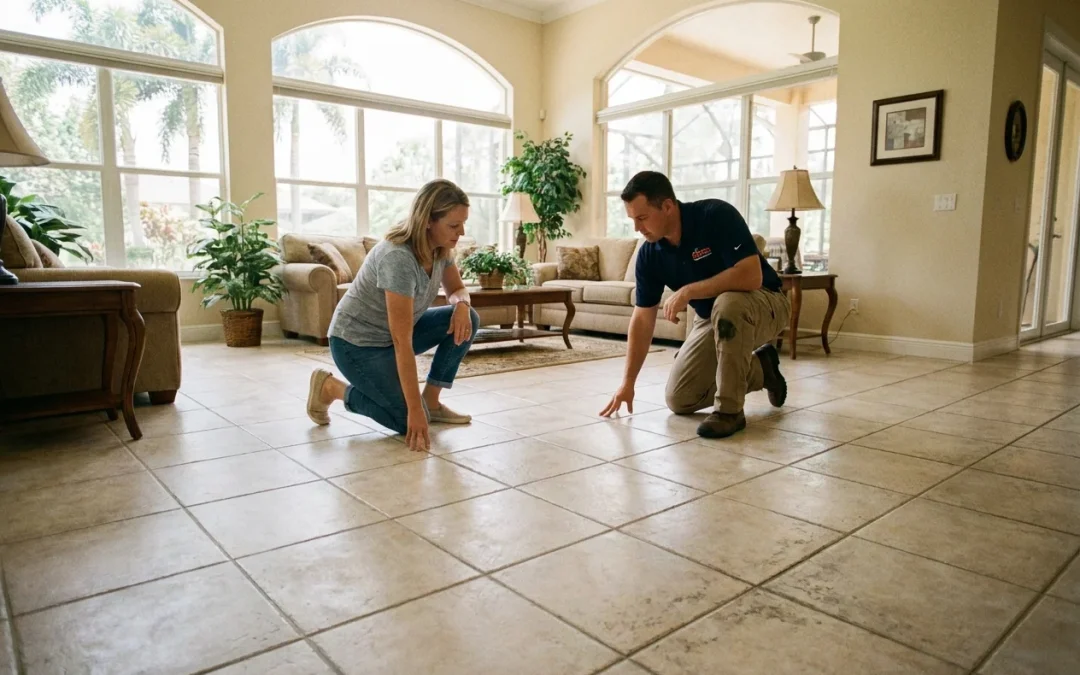
Tile flooring is known for durability, easy maintenance, and long lasting style, but even the toughest tile surfaces can lose their original appearance over time. Daily foot traffic, moisture, cleaning residue, shifting subfloors, and years of wear can leave tile floors looking dull, stained, uneven, or neglected.
Knowing when tile floor restoration is needed can help prevent minor surface problems from becoming costly repairs. Professional restoration can often revive tile and grout, improve cleanliness, protect the surface, and extend the life of the floor without requiring a full replacement.
Why Tile Floors Start Looking Worn Over Time
Tile floors rarely deteriorate all at once. In most homes and commercial spaces, the signs appear gradually. A floor that once looked bright and polished may begin to appear cloudy, patchy, or permanently dirty, even after regular mopping. This often happens because soil, minerals, soap residue, and cleaning products build up in microscopic pores and grout lines.
Porcelain, ceramic, natural stone, and textured tile all age differently, but each can show wear when the protective surface is compromised. High traffic areas near entryways, kitchens, bathrooms, hallways, and business entrances tend to show the first signs because they collect more grit, moisture, and cleaning chemicals than low traffic spaces.
Dullness That Does Not Improve After Cleaning
One of the earliest indicators that tile floors may need professional attention is a dull or hazy appearance that remains after cleaning. This can be caused by residue from household cleaners, hard water deposits, waxy buildup, or microscopic scratches that scatter light across the tile surface.
When routine cleaning no longer restores the original finish, deeper cleaning methods and specialized restoration products may be needed. Professional tile restoration can remove embedded buildup and help bring back clarity, color, and a more uniform appearance.
Uneven Color or Patchy Appearance
Tile floors that look clean in some areas but discolored in others may be showing signs of uneven wear. This is common in spaces where rugs, furniture, sunlight, moisture, or foot traffic affect the tile surface differently. Over time, these differences can make the entire floor look older than it really is.
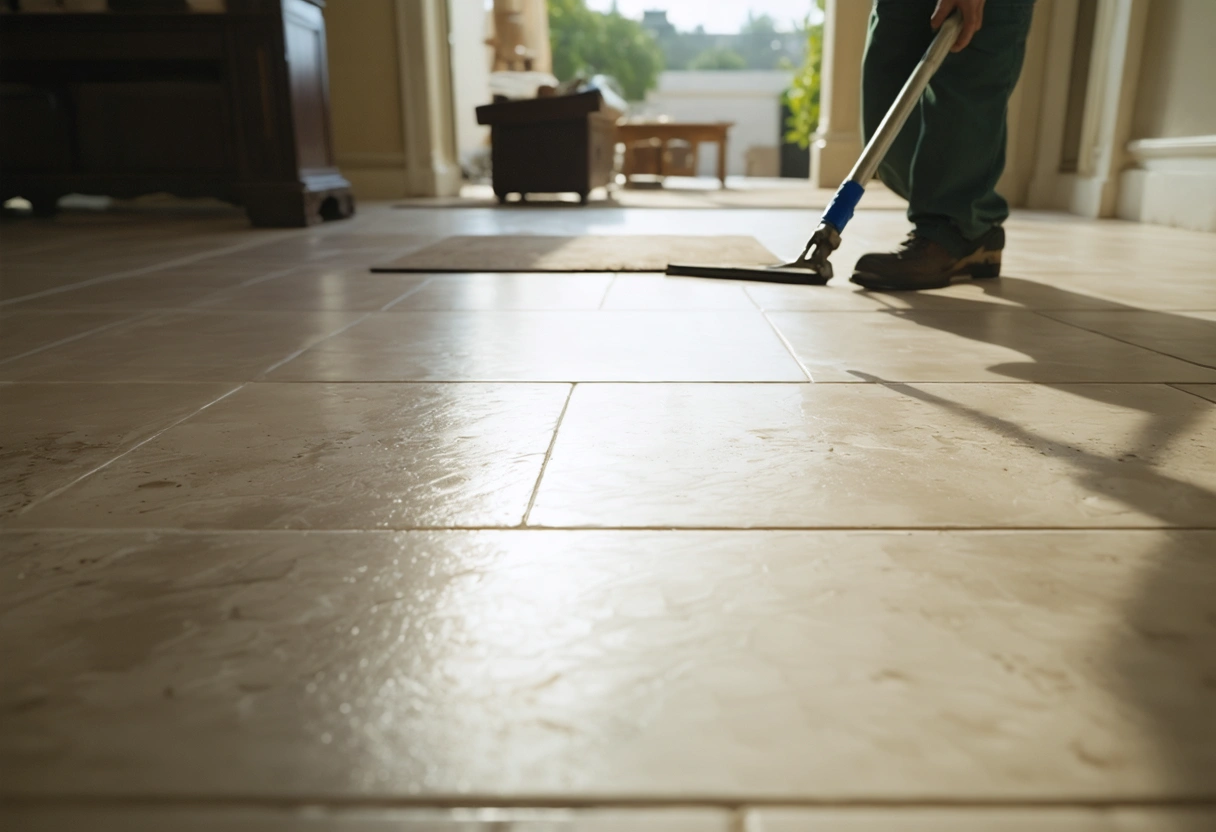
Patchy color can also indicate that previous sealers, coatings, or cleaning products have worn away unevenly. A restoration specialist can evaluate whether the tile needs deep cleaning, stripping, resealing, polishing, or another treatment based on the material and condition of the floor.
Grout Problems That Signal Deeper Floor Wear
Grout is often the first part of a tile floor to show visible aging. Because grout is more porous than most tile, it absorbs dirt, moisture, spills, and bacteria more easily. Dark grout lines, crumbling joints, and persistent odors can all suggest that the floor needs more than basic cleaning.
Professional tile and grout restoration focuses on both appearance and long term performance. Restoring grout can improve the look of the entire floor, reduce trapped contaminants, and help protect the tile system from moisture related damage.
Stained or Darkened Grout Lines
Grout that remains dark, blotchy, or stained after scrubbing is a strong sign that soil has penetrated below the surface. Kitchen grease, bathroom humidity, pet accidents, mop water, and outdoor dirt can all settle into grout pores and become difficult to remove with household cleaners.
Professional restoration may involve high powered extraction, pH appropriate cleaning solutions, steam cleaning, grout recoloring, or sealing. These treatments can dramatically improve the contrast between tile and grout, making the floor look cleaner and more defined.
Cracked, Missing, or Crumbling Grout
Cracked or missing grout should not be ignored. Open gaps between tiles allow water, dirt, and debris to move beneath the surface, which can weaken the bond between the tile and the floor below. In wet areas such as bathrooms, laundry rooms, and kitchens, damaged grout can also increase the risk of mold growth and hidden moisture problems.
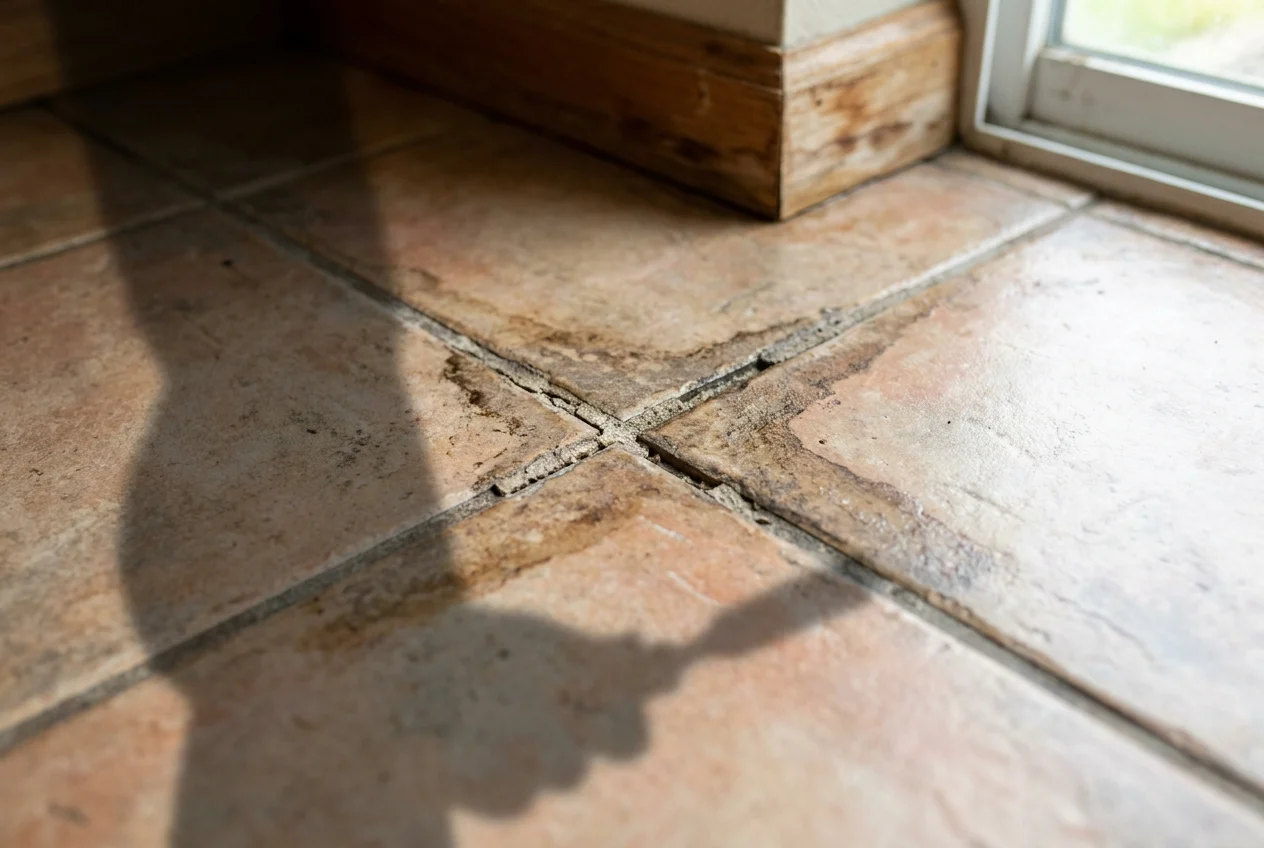
When grout begins to crumble, restoration may include grout removal, regrouting, sealing, and an inspection for loose tiles or substrate movement. Addressing these issues early can help preserve the floor and reduce the likelihood of more extensive tile repair later.
Surface Damage That Goes Beyond Cosmetic Wear
Tile is often chosen because it resists scratches, stains, and moisture better than many other flooring materials. However, resistance does not mean immunity. Over time, abrasive dirt, dropped objects, furniture movement, and improper cleaning tools can leave visible marks that gradually reduce the floor’s beauty and performance.
Some surface damage can be corrected through professional restoration, while other problems may require selective tile replacement before restoration is completed. The key is understanding which signs point to superficial wear and which suggest that the floor is becoming vulnerable to further deterioration.
Scratches, Scuffs, and Etching
Fine scratches and scuffs are especially common in entryways, commercial spaces, kitchens, and rooms where chairs or stools are moved frequently. Grit from shoes can act like sandpaper against the tile surface, creating small abrasions that make the floor look dull even when it is clean.
Etching is another form of damage that is often mistaken for staining. It occurs when acidic substances, such as vinegar, citrus juice, wine, or harsh cleaners, react with certain tile materials, especially natural stone. Etched areas may look cloudy, rough, or lighter than the surrounding surface. Professional restoration may involve honing, polishing, or refinishing to even out the appearance and restore a smoother finish.
Chips, Pits, and Small Surface Holes
Chipped corners, tiny pits, and small holes can make tile floors look neglected, but they can also trap dirt and moisture. This is particularly important in kitchens, bathrooms, and other areas where spills are common. Once contaminants settle into damaged areas, routine mopping may not fully remove them.
A restoration professional can determine whether chips can be repaired, filled, blended, or whether individual tiles should be replaced. In many cases, targeted repairs combined with deep cleaning and sealing can improve the floor dramatically without the expense and disruption of a full floor replacement.
Loose, Hollow, or Uneven Tiles
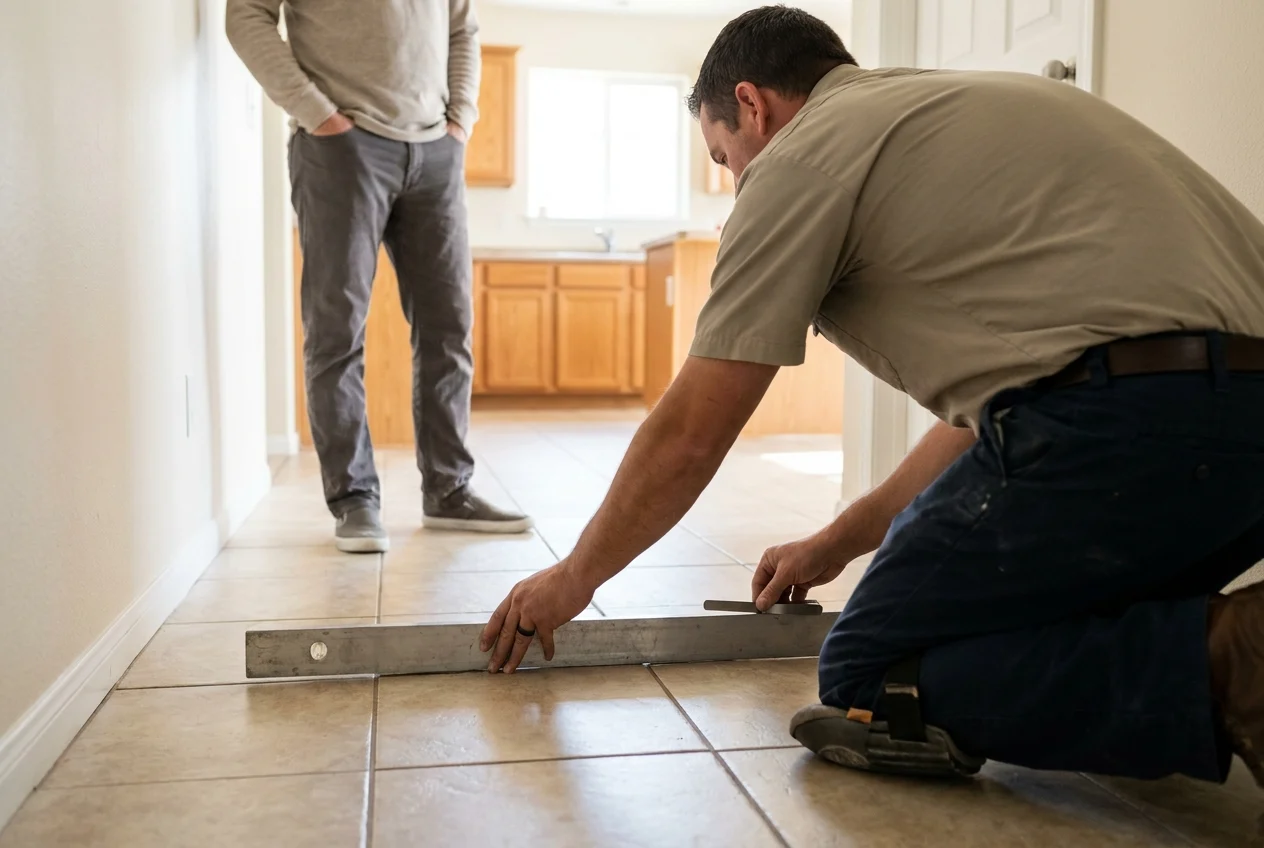
A tile floor should feel solid underfoot. If tiles shift, rock, sound hollow, or sit unevenly compared to neighboring tiles, there may be a problem below the surface. These issues may result from poor installation, moisture intrusion, aging mortar, subfloor movement, or repeated impact over time.
Loose and uneven tiles are more than an appearance issue. They can create trip hazards, allow grout to crack, and place stress on surrounding tiles. Professional assessment is important because the visible symptom may be only one part of a larger flooring concern.
Hollow Sounds When You Tap the Tile
A hollow sound does not always mean the tile is about to fail, but it can indicate that the bond between the tile and substrate has weakened. This may happen if the original adhesive coverage was incomplete, if moisture affected the setting material, or if the floor structure has shifted slightly.
If only one or two tiles sound hollow, localized repair may be possible. If many tiles across the room sound hollow, the floor may need a more comprehensive evaluation.
Lippage and Uneven Edges
Lippage refers to height differences between adjacent tiles. Minor variation may be normal in some installations, especially with handmade tile or natural stone, but noticeable unevenness can collect dirt, catch shoes, and make cleaning more difficult.
In some cases, lippage is an installation issue that cannot be fully corrected without replacing tiles. In other cases, professional restoration can reduce the visual impact through cleaning, grout improvement, and surface refinishing.
Moisture, Mold, and Odor Warning Signs
Tile itself is often water resistant, but the entire flooring system depends on grout, sealers, underlayment, and installation quality. When moisture finds a path below the tile, it can cause odors, staining, mold growth, loose tiles, and structural concerns.
Persistent moisture issues should always be taken seriously. A floor that smells musty, stays damp, or shows recurring discoloration after cleaning may need professional restoration and possibly a closer inspection for hidden water intrusion.
Musty Smells After Cleaning
A clean tile floor should not smell musty after it dries. If odors return shortly after mopping, moisture and organic matter may be trapped in grout lines, beneath loose tiles, or in porous stone.
Professional cleaning and extraction can remove contaminants from deep within grout pores more effectively than standard household methods. If odors are linked to cracked grout or loose tiles, restoration may also involve regrouting, sealing, or repairing areas where moisture is entering the floor system.
Recurring Mold or Mildew Along Grout Lines
Mold or mildew that comes back repeatedly after cleaning is a sign that the underlying conditions have not been corrected. High humidity, poor ventilation, failed sealer, and cracked grout can allow moisture to remain in the joints long enough for growth to return.
Restoration can help by removing embedded contamination, repairing compromised grout, and applying appropriate sealers. In wet rooms, improving ventilation and drying habits may also be necessary to maintain the restored floor and prevent future problems.

When Cleaning Products Stop Working
Many property owners assume that stronger cleaning products will solve dirty tile and grout. Unfortunately, harsh chemicals can sometimes make the problem worse. Acidic products may etch stone, overly alkaline cleaners can leave residue, and wax based products can create a film that attracts more dirt.
If you have tried multiple cleaners and the floor still looks stained, sticky, cloudy, or dull, the issue may be buildup rather than ordinary dirt.
Sticky or Filmy Residue
A sticky tile floor often indicates detergent residue, old coating buildup, or rinse water that is spreading soil instead of removing it. This residue can attract dirt quickly, causing the floor to look dirty again soon after cleaning.
Professional cleaning equipment can remove layers of residue more thoroughly than a mop. Depending on the flooring material, restoration may include stripping old coatings, neutralizing the surface, rinsing with extraction tools, and applying a compatible protective sealer.
Damage From the Wrong Cleaner
Using the wrong cleaner can discolor grout, dull tile, or permanently mark natural stone. For example, vinegar is often promoted as a natural cleaning solution, but it can damage marble, limestone, travertine, and other calcium based stones.
A restoration specialist can identify the tile type and choose the safest corrective treatment. While not every chemical mark can be completely
Need help with Top Signs Your Tile Floors Need Professional Restoration?