
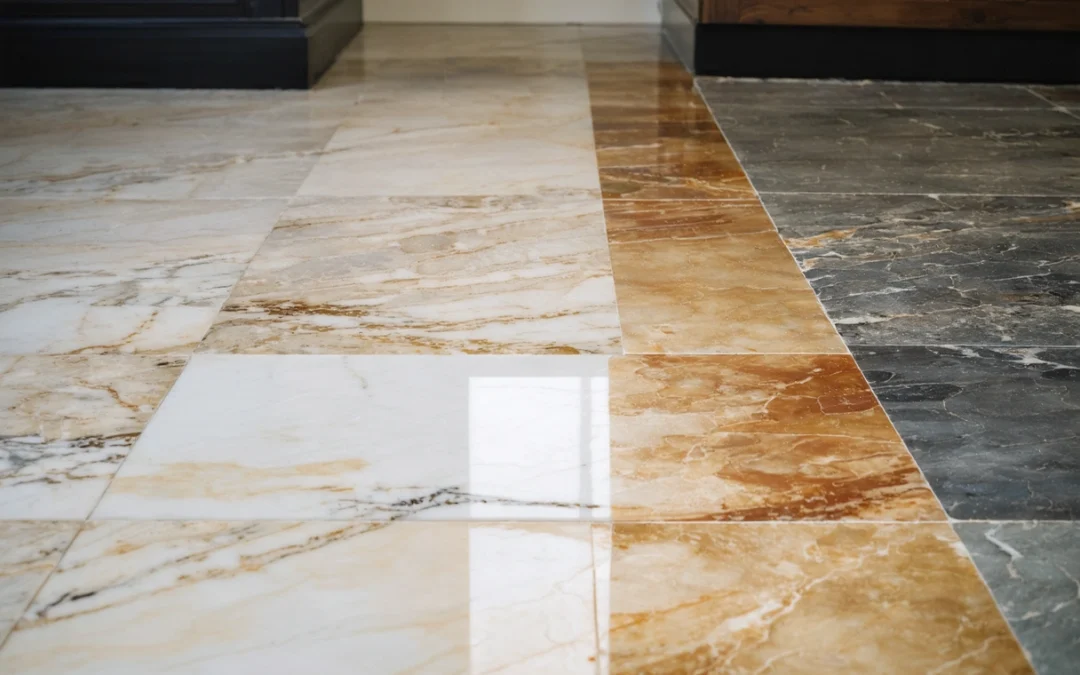
Tile and natural stone surfaces are durable, but they are not immune to wear. Daily foot traffic, grit, spills, moisture, and improper cleaning products can gradually dull finishes, weaken grout, and expose porous materials to deeper damage.
Professional floor restoration helps preserve the appearance and structural integrity of these surfaces by correcting problems before replacement becomes necessary. For homeowners and property managers, understanding how restoration works makes it easier to protect flooring investments and maintain a cleaner, more polished interior.
Why Tile and Stone Surfaces Deteriorate Over Time
Tile and stone floors often lose their original appearance because small particles of dirt and sand act like abrasives underfoot. As people walk across the surface, these particles create fine scratches that reduce shine and make the floor look worn.
Natural stone surfaces such as marble, travertine, limestone, slate, and granite can be especially vulnerable because many stones are porous. Without proper sealing and maintenance, liquids may penetrate the surface and cause staining, discoloration, or mineral deposits.
The Role of Grout in Floor Longevity
Grout is one of the most important parts of a tile floor, yet it is often the first area to show age. Because grout is usually more porous than the tile itself, it can collect dirt, soap residue, bacteria, and moisture.
Professional restoration often includes deep grout cleaning, repair, recoloring, or sealing, depending on the floor’s condition. These services restore a more uniform appearance while improving resistance to future wear.
How Professional Restoration Protects the Surface
Professional floor restoration removes embedded soils, corrects surface imperfections, and renews protective barriers. Unlike routine mopping, restoration uses specialized equipment and products matched to the flooring material.
For stone surfaces, restoration may involve honing, polishing, stain treatment, and sealing. Honing can smooth scratches and uneven wear, while polishing brings back the desired level of sheen.
Why Professional Assessment Matters
Before restoration begins, a qualified technician can evaluate the material, the surface condition, and the causes of visible damage. This assessment helps determine whether the floor needs deep cleaning, polishing, sealing, grout repair, or a combination of services.

By identifying issues early, professional restoration can help prevent minor wear from becoming permanent damage. This proactive care extends the usable life of tile and stone flooring while keeping the surface easier to clean.
Common Restoration Methods for Tile and Stone Floors
The exact restoration process depends on the flooring material and the type of damage present. A glazed ceramic tile floor with stained grout requires a different approach than a marble floor with etching and traffic wear.
Deep Cleaning and Soil Extraction
Deep cleaning is often the first step in restoring tile and stone surfaces. Over time, soil settles into textured tile, grout pores, stone pits, and microscopic scratches.
Professional cleaning systems use material-appropriate solutions, agitation, controlled pressure, and extraction to loosen and remove embedded buildup. This can dramatically improve grout lines and textured surfaces.
Honing for Scratches and Etching
Honing is commonly used on natural stone floors that have become scratched, etched, or uneven. This process uses specialized diamond abrasives to gently refine the surface.
The result is usually a smooth matte or satin finish, depending on the level of refinement chosen. Some property owners prefer a honed finish because it can be less slippery and may show fewer minor scratches than a highly polished surface.
Polishing to Restore Shine
Polishing brings back clarity, reflectivity, and depth in stone surfaces intended to have a glossy finish. Marble, granite, and some travertine floors lose shine as abrasion and chemical exposure wear down the surface.
A properly polished floor looks brighter and may be easier to maintain because a smoother surface gives soil fewer places to cling.
Sealing for Stain and Moisture Resistance
Sealing is one of the most important protective steps in tile and stone restoration. Penetrating sealers are commonly used on natural stone and grout because they absorb into pores and help reduce liquid absorption.
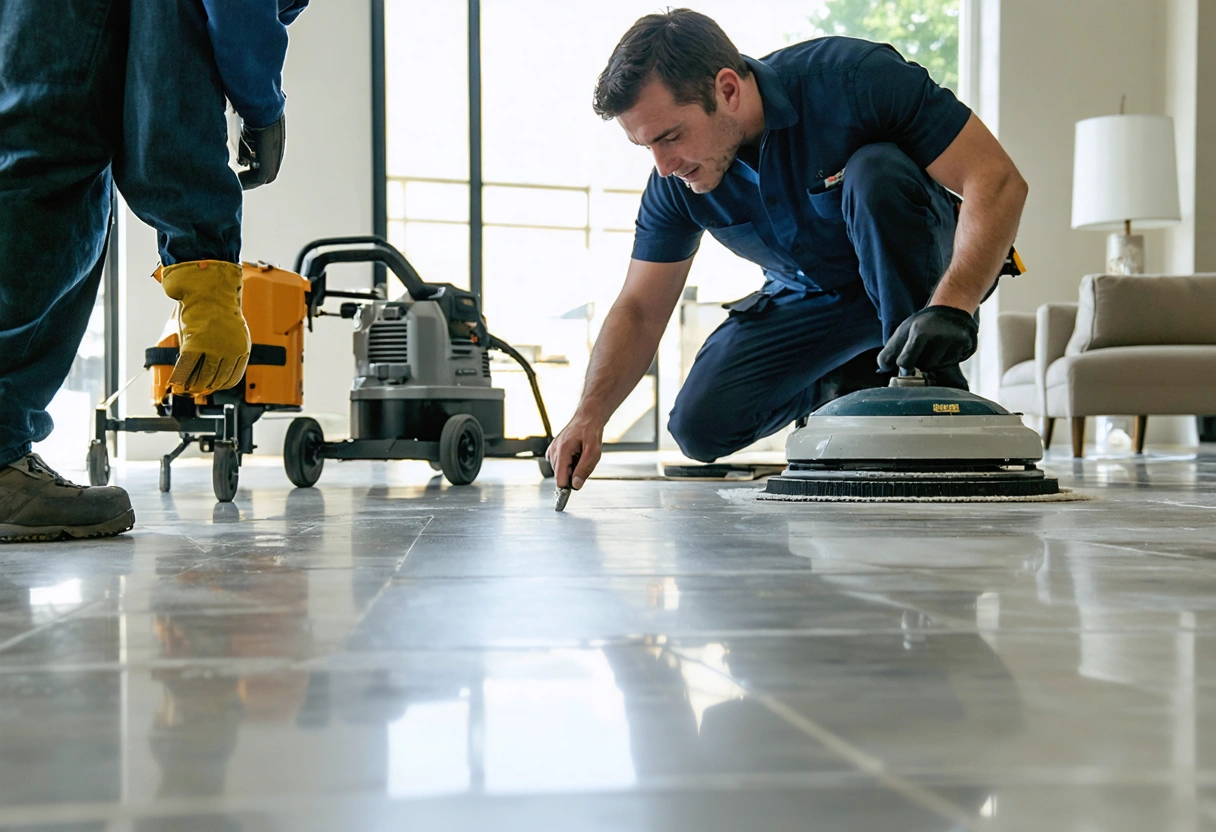
Some surfaces may also benefit from topical sealers or finishes, although these are not suitable for every material or setting. A professional can determine whether a penetrating sealer, enhancing sealer, grout sealer, or another protective treatment is best.
How Restoration Helps Delay Expensive Replacement
Replacing tile or stone flooring can be costly, time-consuming, and disruptive. It may involve demolition, disposal, subfloor preparation, new material installation, grout curing, and sealing.
Restoration extends floor life by preserving the original material and correcting deterioration while it is still manageable. Scratched stone can often be honed rather than replaced.
Preserving High Value Materials
Natural stone floors are often selected for their unique veining, color variation, and long service life. Materials such as marble, travertine, slate, and granite can be expensive to replace, especially if the original stone is difficult to match.
This is valuable in older homes, hotels, office buildings, and historic properties where the flooring contributes to the overall design. Instead of replacing stone with a newer material that may not match the property’s style, restoration can maintain the original look while improving durability and cleanliness.
Reducing Damage to Adjacent Surfaces
Floor replacement can affect more than the floor itself. Removing tile or stone may damage baseboards, cabinetry, transitions, thresholds, and nearby wall finishes. Dust and debris can also spread through the property during demolition.
By correcting surface wear without a full tear-out, restoration can reduce downtime and protect surrounding finishes. This is especially important in kitchens, bathrooms, retail locations, entry areas, and other spaces that need to remain usable.
Signs a Tile or Stone Floor Needs Restoration
Recognizing early warning signs can help prevent more serious flooring problems. A floor does not need to be severely damaged before it benefits from professional care.
Dull or Uneven Appearance
A dull finish is one of the most common signs that a tile or stone floor needs attention. High traffic paths may look flat or cloudy compared with areas under furniture or along walls.
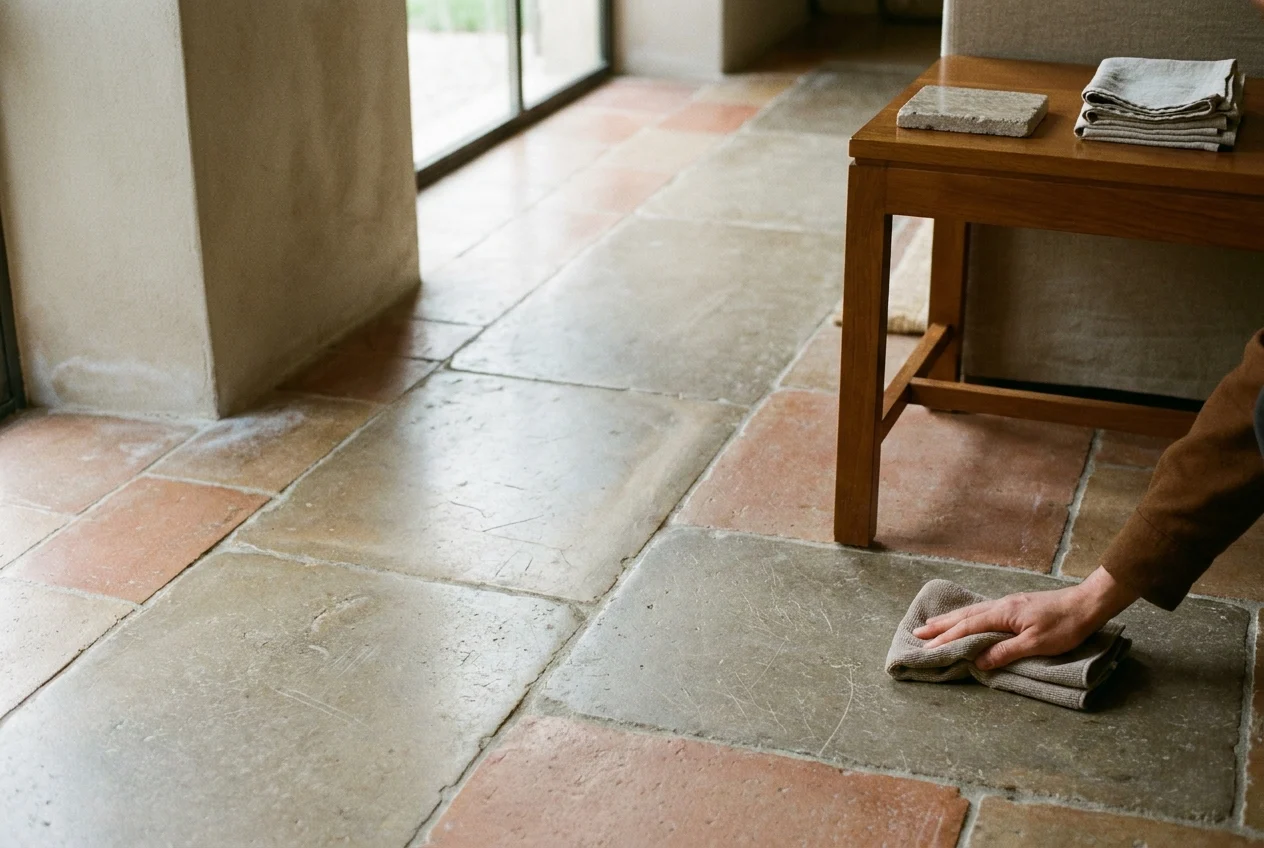
Professional cleaning, honing, or polishing can restore a more consistent appearance. The correct method depends on whether dullness is caused by soil buildup, scratches, chemical etching, or finish wear.
Darkened or Stained Grout Lines
Grout lines that remain dark after mopping often contain embedded dirt or moisture. In bathrooms and kitchens, grout may also discolor due to soap scum, grease, mildew, or cleaning product residue.
Professional grout cleaning can remove deep soils that household methods leave behind. When discoloration is permanent, grout recoloring may provide a more uniform appearance while adding a protective layer.
Water Absorption and Staining
If water no longer beads on sealed stone or grout, the protective barrier may be wearing down. Spills that quickly darken the surface can indicate that the material is absorbing moisture.
Stains from coffee, wine, cooking oils, rust, pet accidents, or minerals may require specialized treatment. The sooner these stains are addressed, the better the chance of reducing or removing them without aggressive restoration.
Cracked, Missing, or Powdery Grout
Damaged grout should not be ignored. Cracks, gaps, and powdery areas can allow moisture to penetrate beneath the tile. This may lead to loose tiles, hollow sounds, mold concerns, or deterioration of setting materials.
Professional grout repair can restore stability and help prevent water-related damage. In some cases, grout problems may reveal movement in the floor structure or improper installation, which should be evaluated before repairs are completed.
Maintenance After Professional Restoration
Restoration provides the greatest value when followed by proper maintenance. Once a tile or stone floor has been cleaned, polished, sealed, or repaired, daily care habits can either preserve the results or cause premature wear.
Use the Right Cleaning Products
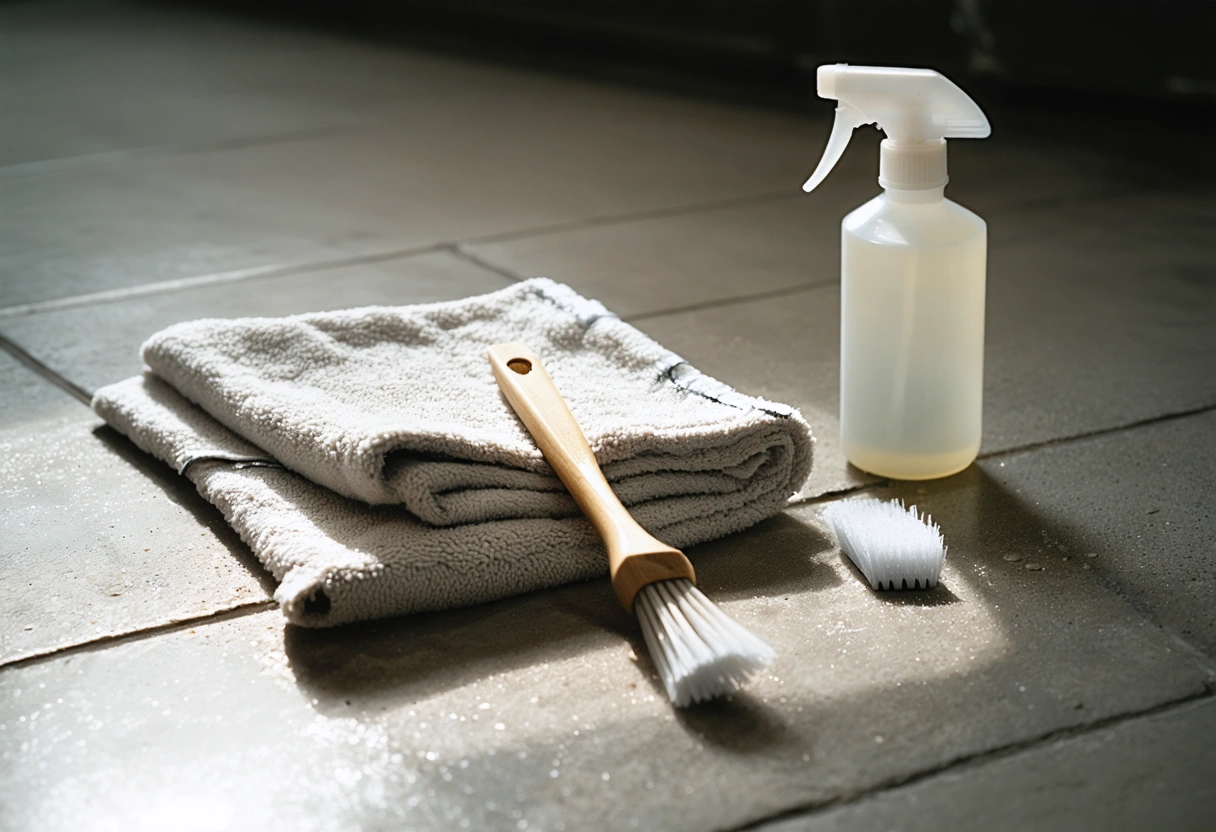
After restoration, floors should be cleaned with products that are safe for the specific tile or stone material. Natural stone generally requires a pH-neutral cleaner, since acidic or highly alkaline products can etch, dull, or weaken the surface.
Using too much cleaner can also create residue that attracts soil and reduces shine. Proper dilution, clean mop water, and regular rinsing of mop heads or pads help maintain a fresh, streak-free surface.
Control Dirt and Grit
Because grit is one of the main causes of scratches and dull traffic lanes, prevention is essential. Entry mats near exterior doors can capture sand, dust, and small particles before they reach the tile or stone.
In commercial spaces, high traffic entrances may require more frequent maintenance because soil is constantly tracked inside. Keeping these areas clean helps protect both the restored finish and the grout lines.
Clean Spills Promptly
Even sealed stone and grout can stain if spills are left in place too long. Coffee, wine, juice, cooking oil, cosmetics, and pet accidents should be blotted promptly with a soft cloth or paper towel.
For natural stone, acidic spills are especially important to address quickly. Citrus, vinegar-based dressings, carbonated drinks, and wine can etch some stones even if the surface has been sealed.
Reseal on an Appropriate Schedule
Sealers wear down over time due to cleaning, foot traffic, moisture, and exposure to household products. The ideal resealing schedule depends on the surface, the sealer used, and the amount of daily use the floor receives.
A professional can test absorption and recommend when resealing is needed. Staying on schedule helps preserve stain resistance and reduces the risk of moisture entering porous materials.
Residential and Commercial Benefits of Floor Restoration
Professional tile and stone restoration offers advantages in homes and commercial properties. While the settings may differ, the goals are similar: improve appearance, protect the flooring material, reduce long-term costs, and maintain a cleaner environment.

Benefits for Homeowners
In residential spaces, restored floors can make kitchens, bathrooms, foyers, and living areas look brighter and better maintained. Clean grout lines and polished stone can noticeably improve a room without the expense of remodeling.
Restoration can also make routine cleaning easier. When grout is sealed and stone is properly finished, dirt and spills are less likely to penetrate the surface.
Benefits for Property Managers and Businesses
In commercial properties, flooring plays an important role in first impressions. Dull stone, stained grout, or uneven traffic lanes can make a building look older or poorly maintained.
Regular restoration can support facility maintenance goals by reducing the need for premature replacement. For businesses, this can mean less downtime, fewer disruptions, and a more professional appearance for customers, tenants, and employees.
When Restoration May Not Be Enough
Although professional restoration can resolve many tile and stone flooring problems, repair or replacement may sometimes be necessary. Severely cracked tiles, widespread loose sections, major subfloor movement, deep structural staining, or stone damaged beyond its usable thickness may require more extensive work.
A professional evaluation can help determine the most practical option. In some cases, targeted replacement, grout repair, and surface restoration can save most of the floor while addressing areas that cannot be restored.
Protecting Tile and Stone as a Long-Term Investment
Tile and natural stone floors are built to last, but their longevity depends on proper care. Professional restoration extends the life of these surfaces by removing embedded soils, correcting wear, repairing vulnerable grout, and renewing protective sealers.
With the right maintenance plan, tile and stone surfaces can continue to serve a home or business for many years. Professional care improves how the floor looks today while protecting its performance and value over time.
Need help with How Professional Floor Restoration Can Extend the Life of Tile and Stone Surfaces?