

Choosing the right flooring material for high-traffic areas is crucial for both the aesthetics and functionality of your space. Whether it’s a bustling office, a vibrant retail store, or the busiest hallway in your home, selecting a durable and stylish floor can make a significant difference. With a myriad of options available, understanding the strengths and weaknesses of each material will help you make an informed decision.
In this guide, we’ll delve into various types of flooring materials, their pros and cons, and what factors to consider when choosing the perfect flooring for high-traffic areas. By the end of this read, you’ll be well-equipped to select flooring that stands up to wear and tear while maintaining its appeal.
Understanding the Needs of High-Traffic Areas
High-traffic areas are spaces that experience frequent footfall and activity. These can include hallways, kitchens, living rooms, commercial spaces, and more. The flooring in these areas must withstand constant movement, resist scratches and stains, and maintain its appearance over time. Therefore, identifying the unique needs of your space is the first step in choosing the right material.
For instance, commercial spaces may require flooring that is not only durable but also easy to clean and maintain. In contrast, residential high-traffic areas might prioritize comfort and design, alongside durability. Understanding these needs will help narrow down your choices and focus on materials that best suit your environment.
Durability and Longevity
Durability is perhaps the most critical factor when selecting flooring for high-traffic areas. Materials like tile, vinyl, and laminate are known for their resilience. Tile, for example, can withstand heavy foot traffic and is resistant to scratches and stains, making it a popular choice for both residential and commercial spaces. Understanding durability and longevity ensures your investment will hold up over time.
Popular Flooring Options for High-Traffic Areas
With numerous options available, it can be challenging to determine which flooring material is best suited for high-traffic areas. Below, we’ll explore some popular choices that balance durability, style, and cost.
Tile Flooring
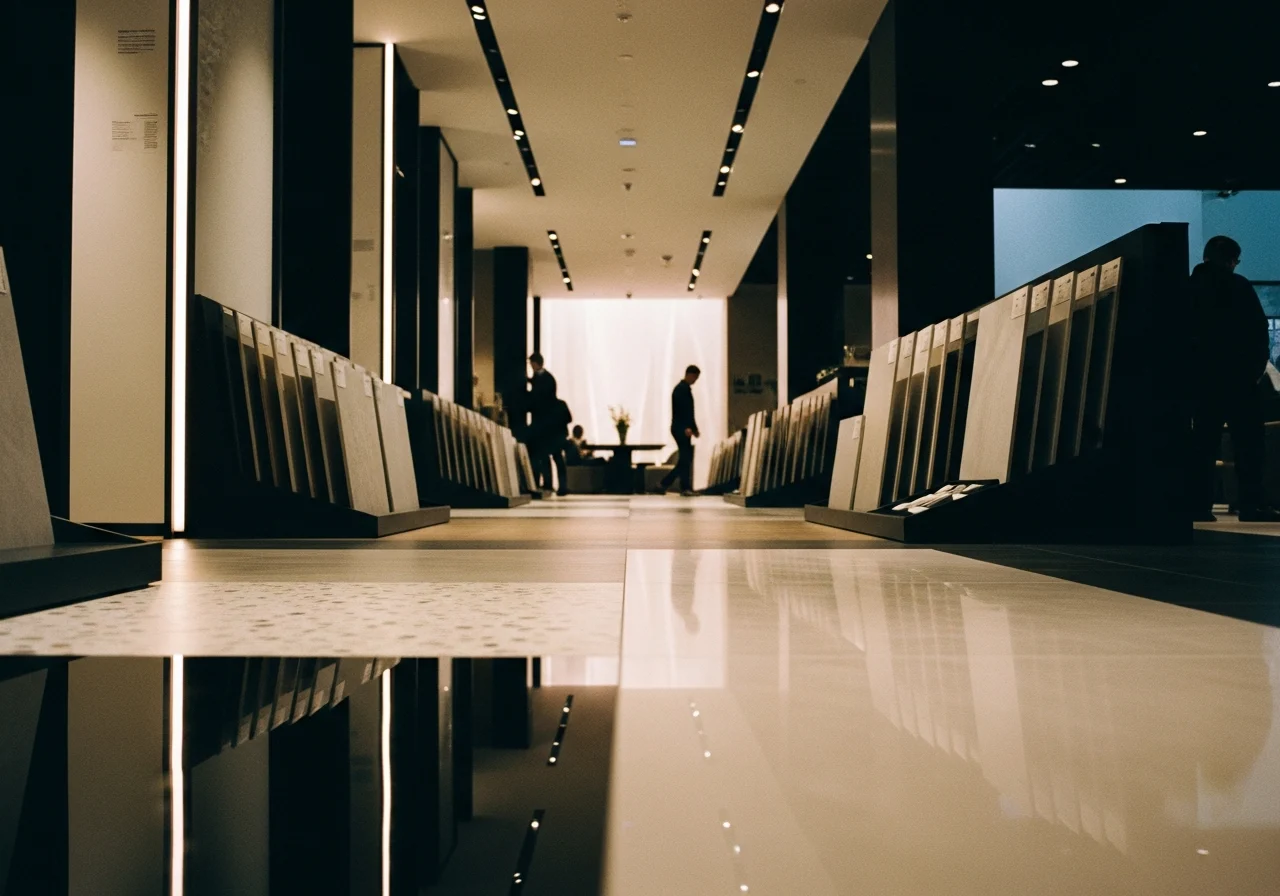
Tile flooring is a top contender for high-traffic areas due to its strength and versatility. Available in ceramic, porcelain, and natural stone varieties, tiles are highly durable and resistant to moisture, stains, and scratches. This makes them ideal for kitchens, bathrooms, and entryways, where spills and heavy foot traffic are common.
Ceramic and porcelain tiles offer a wide range of design possibilities, from classic to contemporary. Natural stone tiles, while more expensive, provide a timeless and luxurious look. When choosing tile flooring, consider the tile’s PEI rating, which indicates its suitability for different levels of traffic.
Vinyl Flooring
Vinyl flooring has gained popularity in recent years thanks to its affordability and ease of maintenance. Luxury vinyl tile (LVT) and plank (LVP) options are particularly appealing for high-traffic areas as they offer enhanced durability and realistic designs that mimic hardwood and stone.
Vinyl is also water-resistant, making it an excellent choice for kitchens and bathrooms. Moreover, its cushioned surface provides comfort underfoot, which can be beneficial in areas where people stand for extended periods.
Laminate Flooring
Laminate flooring is another viable option for high-traffic areas, offering a strong, durable surface that can mimic the appearance of natural wood or stone. Its scratch-resistant and easy-to-clean properties make it a practical choice for busy households or commercial spaces.
While laminate is not as water-resistant as vinyl, advancements in technology have led to water-resistant options that provide added protection against moisture. This expands its use to areas like kitchens and bathrooms where spills are more likely.
Factors to Consider When Choosing Flooring
Beyond durability and appearance, several other factors should be considered when selecting flooring for high-traffic areas. These include maintenance requirements, environmental impact, and budget constraints.
Maintenance and Cleaning
High-traffic areas are prone to dirt and wear, so selecting flooring that is easy to clean and maintain is crucial. Tile and vinyl are both low-maintenance options that can be easily wiped or mopped clean. Laminate, while slightly more demanding, generally requires only regular sweeping and occasional damp mopping to maintain its appearance.
Consider the cleaning regimen required for each material and choose one that fits your lifestyle and time constraints. A flooring material that looks good but requires constant upkeep may not be the best choice for busy individuals or businesses.
Environmental Considerations
As sustainability becomes increasingly important, many homeowners and businesses are looking for eco-friendly flooring options. Materials like bamboo and cork are renewable resources that offer durability and a unique aesthetic.
Reclaimed wood and recycled materials are also options for those looking to minimize their environmental impact. When choosing flooring, consider the material’s lifecycle, production processes, and any environmental certifications it might have.
Budget and Cost
Your budget will play a significant role in determining which flooring material is feasible. Tile and natural stone tend to be more expensive, while vinyl and laminate offer cost-effective alternatives without compromising on quality.

Keep in mind that while initial costs are important, the long-term value and durability of the flooring should also be considered. Investing in a slightly more expensive material that lasts longer can be more economical in the long run.
Making the Right Choice
Choosing the right flooring material for high-traffic areas involves balancing aesthetics, durability, maintenance, environmental impact, and budget. By understanding the unique needs of your space and the characteristics of various materials, you can make an informed decision that enhances both the functionality and appearance of your environment.
Always consider consulting with a flooring professional who can offer personalized advice based on the specific requirements of your space. With careful consideration and planning, you can select flooring that not only endures the demands of high traffic but also complements your design vision.
It’s important to remember that while the choice of material is vital, the installation process can also significantly impact the longevity and performance of your flooring. Proper installation ensures that your investment remains in top condition for years to come.
The Role of Professional Installation
Even the most durable flooring material can underperform if it’s not installed correctly. Professional installation is crucial for high-traffic areas as it ensures that the flooring is laid down properly, minimizing the risk of warping, buckling, or premature wear. With professional installation, you can also benefit from warranties or guarantees that protect your investment.

Professionals have the expertise and tools necessary to handle challenges such as uneven subfloors, moisture issues, and precise cutting requirements. They can also provide valuable advice on underlayment options, which can enhance the comfort and durability of your flooring. While DIY installation might save money upfront, professional installation can prevent costly repairs or replacements down the line.
Considering Underlayment and Subfloor
The underlayment and subfloor play a crucial role in the performance of your flooring, especially in high-traffic areas. The right underlayment can provide additional cushioning, soundproofing, and moisture protection. For instance, cork underlayment is often used with laminate flooring to reduce noise and add comfort.
It’s also essential to assess the condition of your subfloor before installation. Any imperfections or moisture issues should be addressed to prevent damage to the new flooring. Professionals can evaluate and prepare the subfloor to ensure a smooth and successful installation.
Trends in Flooring for High-Traffic Areas
Staying up-to-date with flooring trends can provide inspiration and innovative solutions for high-traffic areas. From sustainable materials to advanced technology, several trends are shaping the flooring industry and offering new options for homeowners and businesses.
Eco-Friendly and Sustainable Materials
As environmental awareness grows, so does the demand for eco-friendly flooring options. Bamboo and cork, both fast-renewing resources, have gained popularity due to their sustainability and durability. Additionally, reclaimed wood and recycled materials are becoming more accessible, offering unique aesthetics while minimizing environmental impact.
The growing interest in sustainable flooring is also driving innovation in manufacturing processes. Many companies are developing materials with lower carbon footprints and using non-toxic adhesives and finishes.
Technological Advancements
Technology is playing a significant role in enhancing the durability and functionality of flooring materials. Innovations such as water-resistant laminates and advanced vinyl composites are providing solutions for areas prone to moisture and spills. These materials offer the look of natural wood or stone without the associated maintenance challenges.
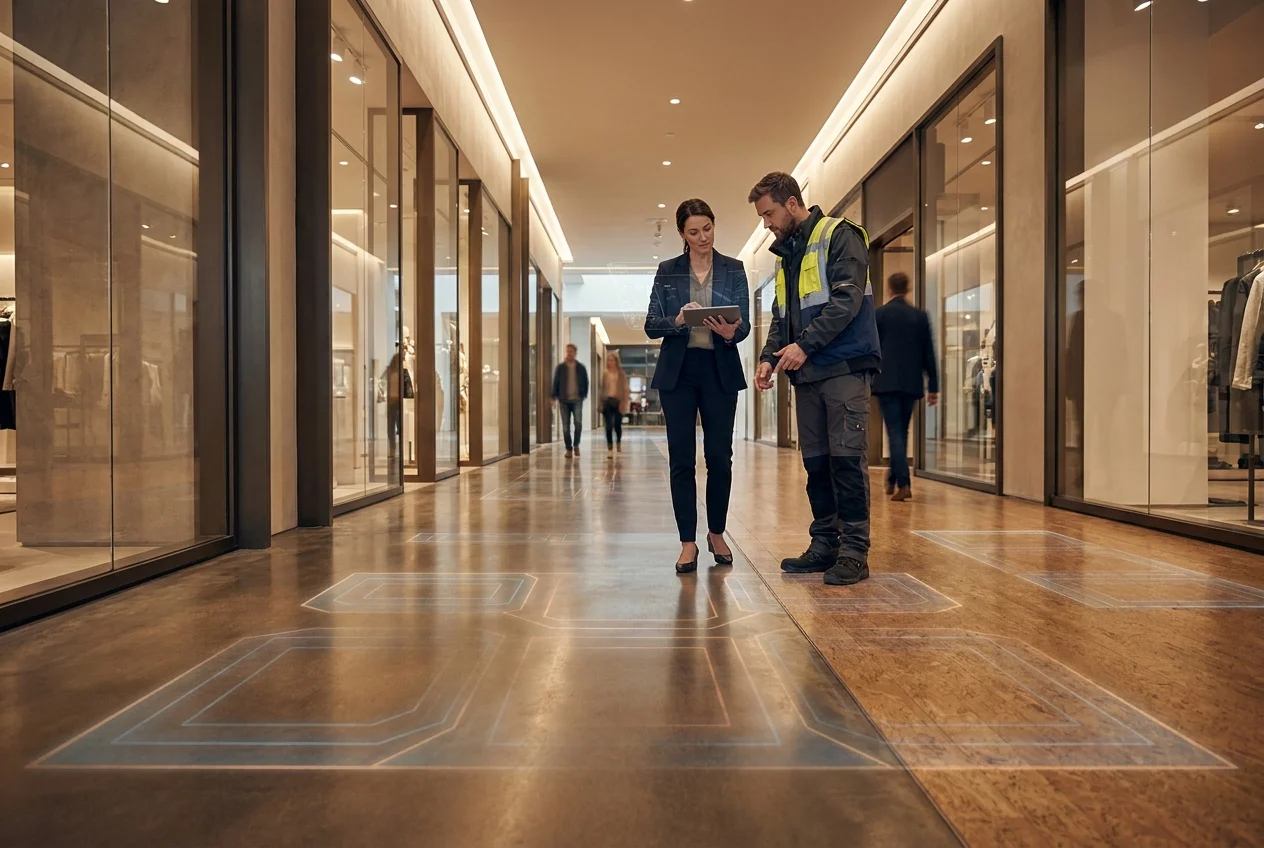
Smart flooring technology is also emerging, with options that incorporate sensors to monitor foot traffic and wear patterns. This data can be invaluable for commercial spaces looking to optimize maintenance schedules and improve customer experiences.
Final Tips for Choosing the Right Flooring
When selecting flooring for high-traffic areas, it’s crucial to weigh all factors carefully and consider the unique demands of your space. Here are some final tips to guide your decision-making process:
- Assess Your Lifestyle: Consider how the space is used, who uses it, and how often. This will help you prioritize which qualities, such as durability or comfort, are most important.
- Consider Future Needs: Think about how your needs might change over time. Choose a flooring option that can adapt to future renovations or changes in use.
- Test Samples: Obtain samples of different flooring materials and observe how they perform under daily conditions. This can provide insight into how they will fare over time.
- Consult with Experts: Flooring professionals can offer valuable guidance and recommendations based on your specific requirements. Their expertise can help you avoid common pitfalls and maximize the lifespan of your flooring.
By taking a comprehensive approach and considering all aspects of the flooring process, from material selection to installation, you can ensure that your high-traffic areas remain both functional and visually appealing for years to come. With the right choices, your flooring will withstand the test of time while enhancing the overall ambiance of your space.
Need help with How to Choose the Right Flooring Material for High-Traffic Areas?