

As the construction industry evolves, so do the techniques and technologies used in floor installation. This evolution is driven by the demand for more sustainable, efficient, and aesthetically pleasing options. When it comes to new construction services, the innovations in floor installation are not merely about laying materials; they encompass advanced technologies, materials, and processes that redefine what we consider possible.
In this comprehensive exploration, we’ll delve into the various innovations shaping the future of floor installation. Whether you’re a contractor, an architect, or a homeowner, understanding these changes can help you make informed decisions and appreciate the craftsmanship involved in modern flooring solutions.
Advanced Flooring Materials
One of the most significant shifts in floor installation is the development of advanced materials that offer superior durability, sustainability, and aesthetics. For instance, engineered wood flooring has become a popular choice due to its ability to replicate the look of traditional hardwood while providing enhanced resistance to moisture and temperature fluctuations. This makes it ideal for areas prone to humidity, without sacrificing the classic appeal of wood.
Another innovation is the use of recycled and environmentally friendly materials. Options like cork, bamboo, and reclaimed wood not only reduce waste but also provide unique textures and colors that contribute to a building’s character. Such materials are increasingly favored in green building projects, aligning with global sustainability goals.
Furthermore, the advent of luxury vinyl tiles (LVT) offers a versatile and cost-effective alternative to natural stone and ceramic tiles. LVT is designed to mimic high-end materials while providing ease of installation and maintenance, making it a popular choice in both residential and commercial settings.
Technological Advancements in Installation
Technology has permeated every aspect of construction, and floor installation is no exception. One notable advancement is the use of laser-guided systems to ensure precise measurements and alignments. This technology reduces human error and increases the speed of installation, translating into significant cost savings and improved quality.
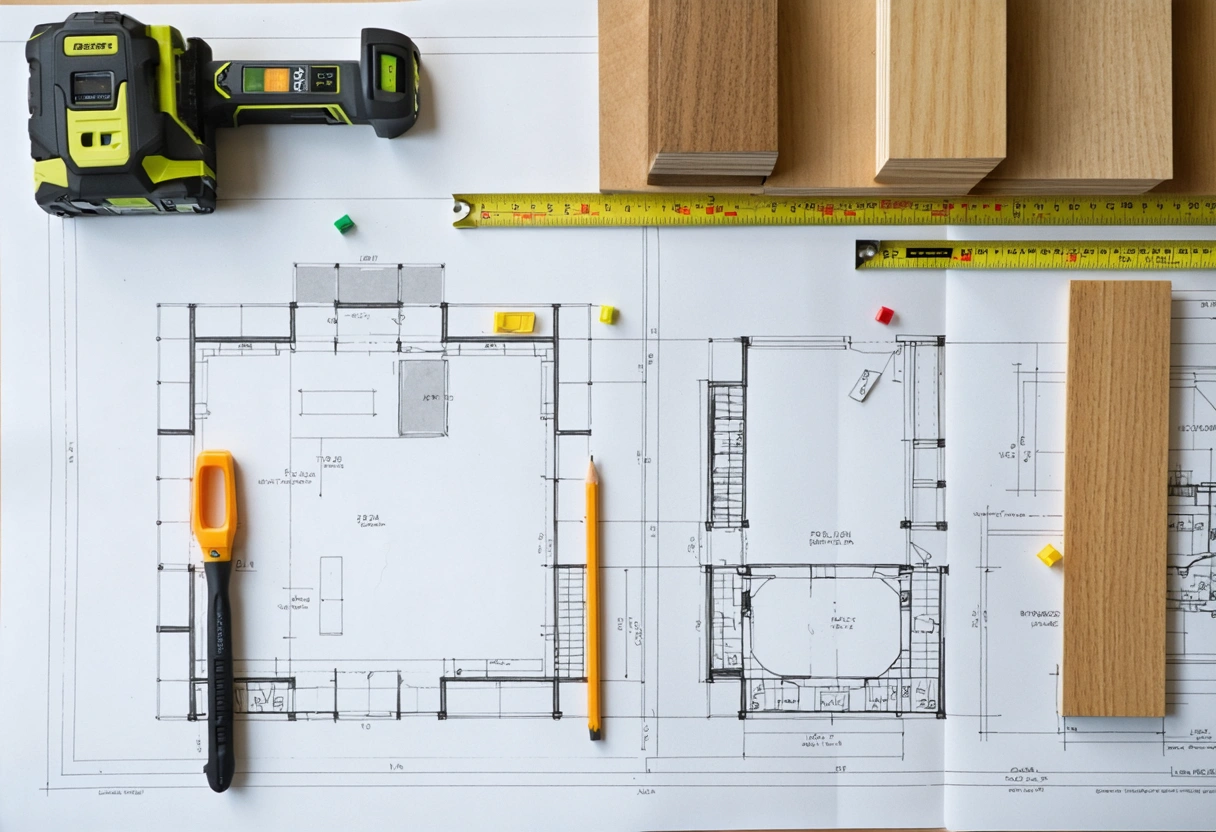
The introduction of 3D printing in floor design is another groundbreaking innovation. This technology allows for the creation of intricate patterns and custom designs that were previously impossible or too costly to achieve. Whether it’s a bespoke mosaic or a textured finish, 3D printing opens up new possibilities for creative expression in flooring.
Smart flooring solutions are also gaining traction. These floors are embedded with sensors that monitor foot traffic, temperature, and even structural integrity. Such data can be invaluable for facility managers in optimizing space usage and scheduling maintenance, particularly in large commercial buildings.
Sustainable Practices in Floor Installation
Sustainability is a central concern in modern construction, and floor installation practices are increasingly reflecting this priority. The use of low-VOC (volatile organic compound) adhesives and finishes is one way the industry is addressing environmental and health concerns. These products minimize the emission of harmful chemicals, improving indoor air quality.
Moreover, the adoption of sustainable building practices, like optimizing material use and reducing waste, is becoming standard. Prefabricated flooring systems, which are manufactured off-site, help reduce on-site waste and installation time. These systems are particularly beneficial in urban areas where space and time are at a premium.
The integration of renewable energy sources in floor installation is also an emerging trend. For instance, energy-harvesting floors that convert kinetic energy from footsteps into electricity are being explored as a viable option for lowering a building’s energy consumption.
Impact of Digitalization on Floor Installation
Digitalization has transformed the way floor installation projects are planned and executed. Building Information Modeling (BIM) is a game-changer in this regard, providing a digital representation of a building’s physical and functional characteristics. BIM allows for detailed planning and visualization of floor layouts, which streamlines the installation process and enhances collaboration among stakeholders.
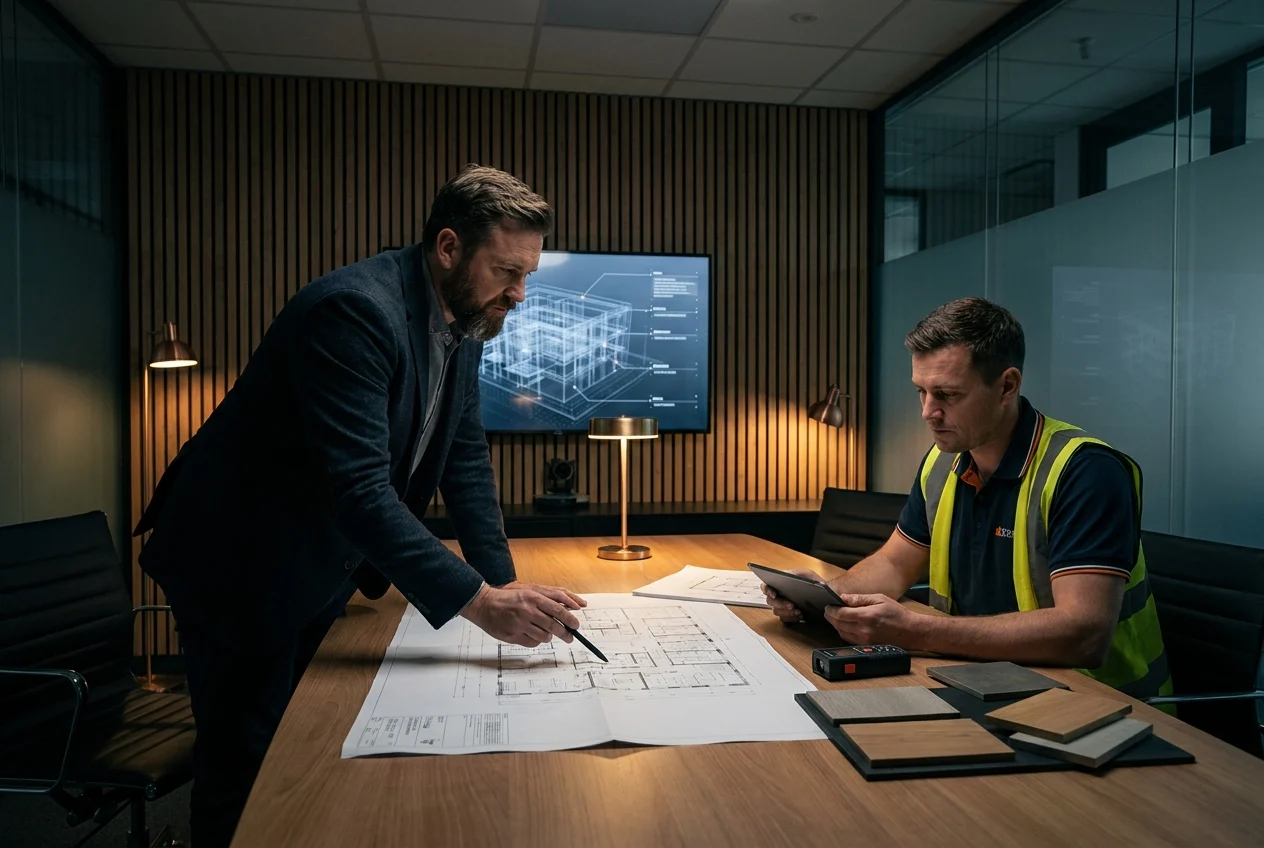
Additionally, augmented reality (AR) and virtual reality (VR) technologies are being used to provide immersive experiences that help clients visualize flooring options in real-time. These tools facilitate better decision-making by allowing clients to see how different materials and patterns will look in their space before making a purchase.
Cloud-based project management tools are also integral to modern floor installation services. They provide real-time updates on project progress, enabling seamless communication between contractors, suppliers, and clients. This transparency helps in avoiding delays and ensuring that projects are completed on schedule.
Challenges and Opportunities
While the innovations in floor installation offer numerous benefits, they also present challenges that the industry must address. One of the primary challenges is the need for skilled labor. As technologies become more sophisticated, the demand for workers with specialized skills in new materials and technologies increases. This calls for enhanced training programs and educational resources to equip workers with the necessary expertise.
Another challenge is the cost associated with adopting new technologies. While innovations can lead to long-term savings and efficiencies, the initial investment can be prohibitive for some companies. However, as these technologies become more widespread, costs are expected to decrease, making them more accessible to a broader range of businesses.
Despite these challenges, the opportunities presented by these innovations are immense. The ability to create customized, sustainable, and high-quality flooring solutions can give companies a competitive edge in the market. Moreover, as consumer awareness of sustainability increases, businesses that prioritize eco-friendly practices are likely to see increased demand.
Takeaways
The future of floor installation is bright, with innovations that promise to revolutionize the industry. From advanced materials and technologies to sustainable practices and digital solutions, these developments are setting new standards for quality, efficiency, and environmental responsibility in construction.

As we move forward, it is essential for industry stakeholders to stay informed and adaptable. Embracing these changes not only enhances the value of their offerings but also contributes to a more sustainable and efficient built environment. Whether you’re involved in architecture, contracting, or property management, keeping abreast of these innovations will ensure that you’re well-prepared to meet the demands of the future.
By understanding and leveraging these advancements, the construction industry can continue to build not just structures, but legacies that stand the test of time.
Training and Education in Modern Floor Installation
As the floor installation industry evolves, the need for comprehensive training and education becomes paramount. With new materials and technologies constantly emerging, workers must be equipped with the knowledge and skills to implement these innovations effectively. Educational institutions and industry leaders are responding by developing specialized programs that focus on the latest trends in flooring technology and sustainable practices.
Vocational schools and colleges are increasingly offering courses on advanced flooring materials, installation techniques, and digital tools like BIM and project management software. These programs are designed to provide a hands-on learning experience, allowing students to gain practical skills that are directly applicable to real-world projects. By partnering with industry experts, these educational institutions ensure that the curriculum is aligned with current industry standards and future trends.
In addition to formal education, on-the-job training is crucial for keeping the workforce updated on the latest developments. Many companies are investing in continuous professional development programs that include workshops, seminars, and online courses. These initiatives not only enhance the skill set of employees but also boost their confidence and job satisfaction, leading to higher retention rates and improved project outcomes.
Customization and Personalization in Flooring Design
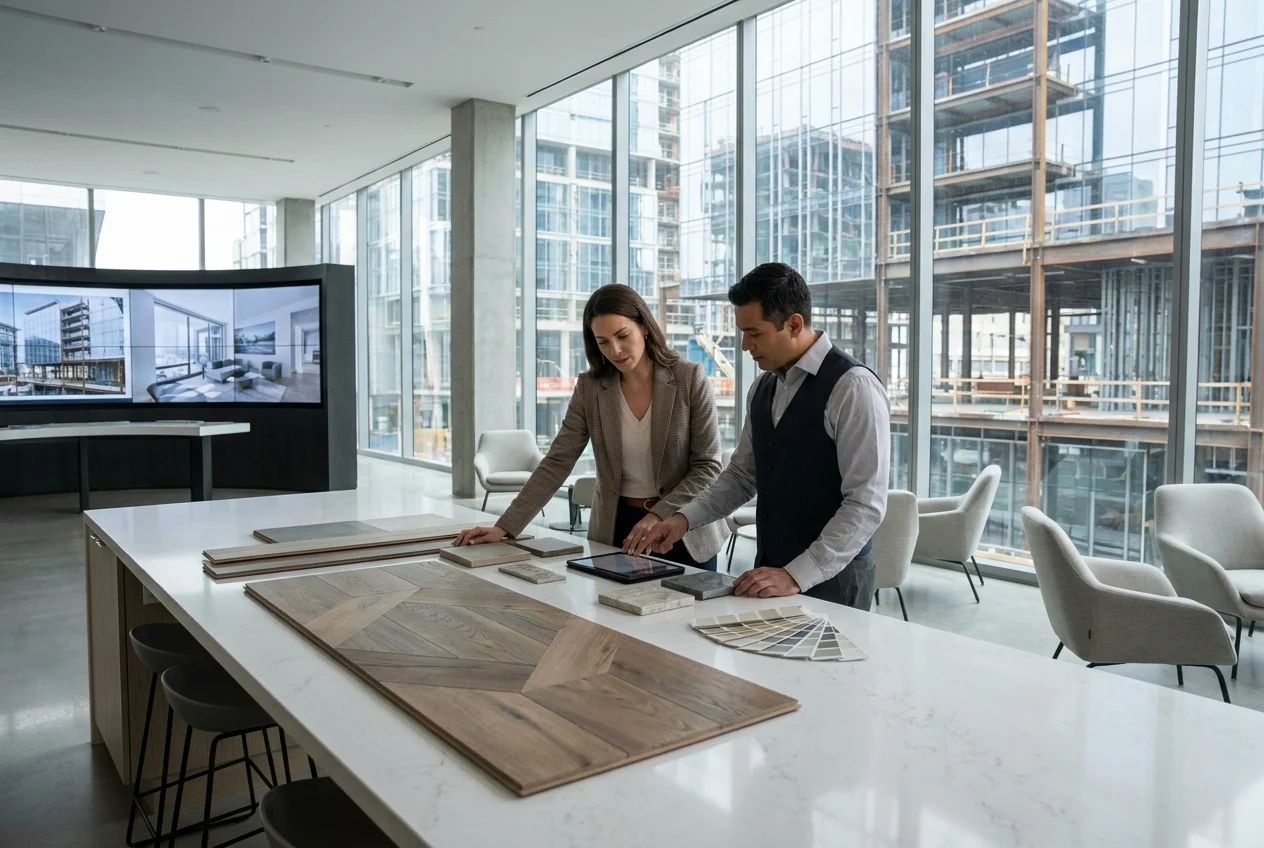
The trend towards customization and personalization is increasingly evident in the floor installation industry. Homeowners and businesses alike are seeking unique flooring solutions that reflect their personal style and brand identity. This demand for bespoke designs is driving innovation in materials and technology, allowing for greater creativity and individuality in flooring projects.
Custom flooring options range from personalized patterns and colors to entirely unique materials crafted from unconventional sources. For example, some companies are experimenting with flooring made from recycled ocean plastics or industrial by-products, creating a distinct aesthetic while promoting environmental sustainability. These innovative approaches not only offer aesthetic appeal but also tell a story of responsible sourcing and creative reuse.
Digital tools, such as design software and virtual reality, are playing a significant role in the customization process. Clients can work closely with designers to visualize their ideas in a virtual space, experimenting with different styles and configurations before making a final decision. This collaborative approach not only enhances customer satisfaction but also streamlines the design and installation process, ensuring that the final product meets the client’s expectations.
The Role of Automation in Floor Installation
Automation is becoming an integral part of the floor installation process, offering significant benefits in terms of efficiency, accuracy, and cost-effectiveness. Automated machinery and robotics are being utilized to perform tasks that traditionally required manual labor, such as cutting, laying, and finishing flooring materials. This shift not only speeds up the installation process but also reduces human error, leading to a higher quality finished product.
For instance, robotic systems equipped with advanced sensors can precisely measure and cut materials, ensuring perfect alignment and fit. These systems are particularly beneficial in large-scale commercial projects where consistency and precision are critical. By reducing the reliance on manual labor, automation also helps address the industry’s skill gap, allowing workers to focus on more complex and creative tasks.
Moreover, automation is paving the way for more sustainable practices in floor installation. Automated systems can optimize material usage, minimizing waste and energy consumption. This efficiency not only supports environmental goals but also translates into cost savings for both contractors and clients, making high-quality flooring solutions more accessible.
Future Trends and Predictions
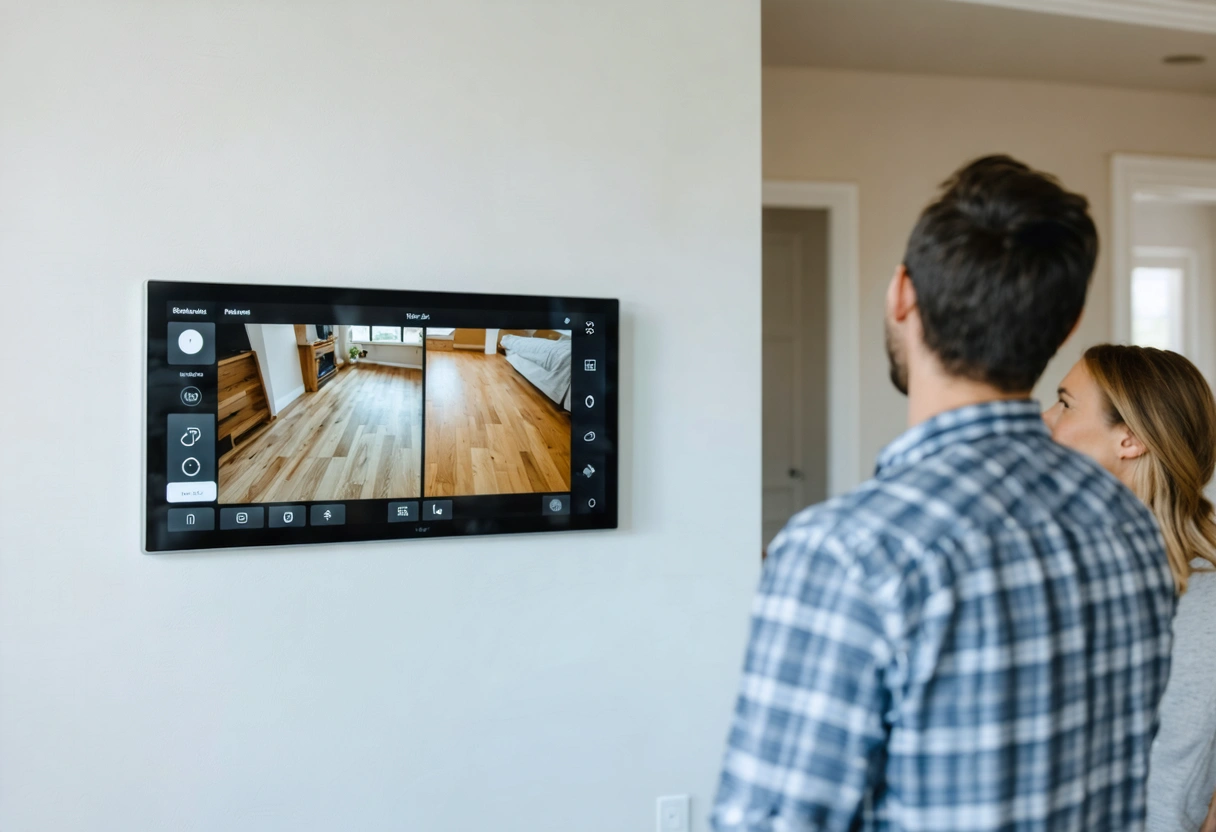
Looking ahead, several trends are likely to shape the future of floor installation. One emerging trend is the integration of smart home technology into flooring systems. Floors embedded with sensors and connectivity features can interact with other smart devices, providing enhanced convenience and control for homeowners. For example, floors that adjust lighting and heating based on occupancy can contribute to a more comfortable and energy-efficient living environment.
Another anticipated trend is the increased use of sustainable and bio-based materials. As environmental concerns continue to influence consumer preferences, the demand for eco-friendly flooring options is expected to rise. Innovations in material science may lead to the development of new biodegradable or carbon-neutral flooring products, further reducing the environmental impact of construction activities.
Finally, the role of data analytics in floor installation is expected to grow. By leveraging data collected from smart flooring systems and digital tools, contractors can gain valuable insights into usage patterns, wear and tear, and maintenance needs. This data-driven approach allows for more proactive and informed decision-making, ultimately enhancing the longevity and performance of flooring installations.
Embracing the Future of Floor Installation
The floor installation industry is on the cusp of a transformation, driven by technological advancements, sustainability initiatives, and changing consumer preferences. By embracing these innovations, industry professionals can deliver flooring solutions that are not only functional and beautiful but also aligned with the demands of a modern world.
As we look to the future, the importance of collaboration among stakeholders—educational institutions, industry leaders, and policymakers—cannot be overstated. By working together, we can ensure that the workforce is equipped with the necessary skills and knowledge to thrive in this dynamic environment. Ultimately, the future of floor installation is bright, offering exciting opportunities for creativity, sustainability, and growth.
Need help with The Future of Floor Installation: Innovations in New Construction Services?