
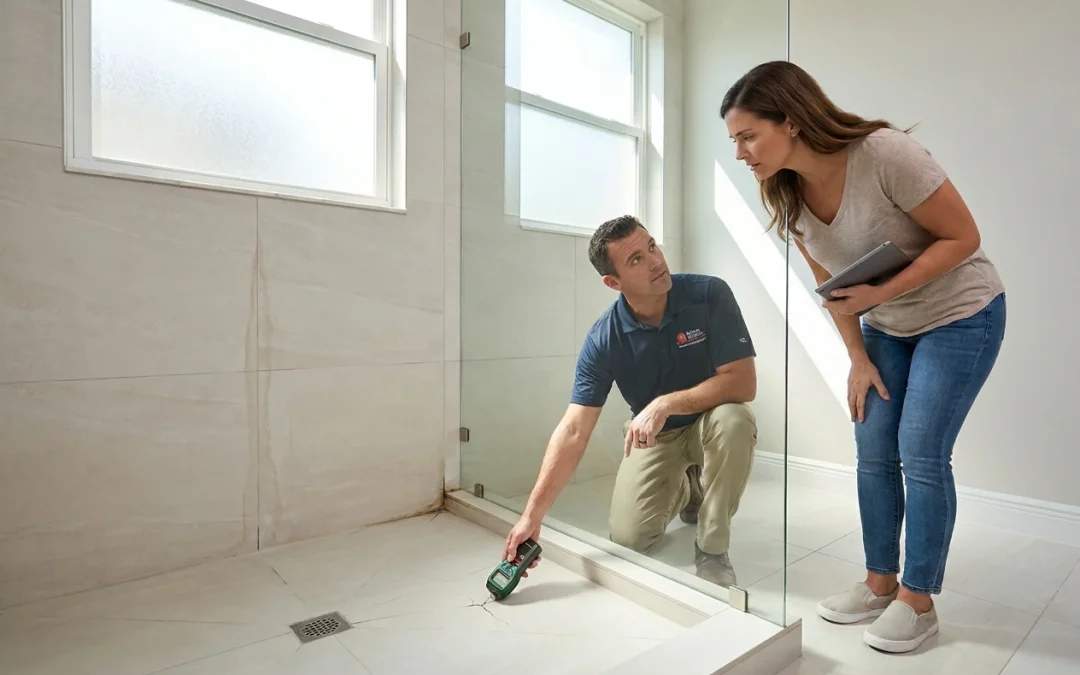
A shower should contain water with ease, drain efficiently, and remain clean enough to support a healthy bathroom environment. When grout breaks down, seals fail, tiles loosen, or waterproofing is compromised, even a small issue can allow moisture to move into walls, floors, and framing where damage often goes unnoticed.
Shower restoration focuses on repairing and renewing the parts of a shower that protect your home from leaks, mold, and water damage. Instead of treating surface stains or recurring mildew as isolated problems, proper restoration looks at the condition of the entire shower system, including grout, caulking, tile, drains, and moisture barriers.
Why Small Shower Problems Often Lead to Bigger Damage
Many shower leaks begin as minor defects that are easy to overlook. A hairline crack in grout, a small gap in caulk, or a loose tile may not seem urgent at first, but repeated exposure to water can quickly turn these weak points into pathways for moisture. Because showers are used frequently, water has many opportunities to seep behind surfaces before obvious damage appears.
Once moisture enters the wall cavity or subfloor, it can remain trapped for long periods. This creates the right conditions for mold growth, wood rot, unpleasant odors, and deterioration of building materials. By the time stains, swelling, soft flooring, or loose tiles become visible, the underlying damage may already be more extensive than expected.
Common Warning Signs of Hidden Shower Moisture
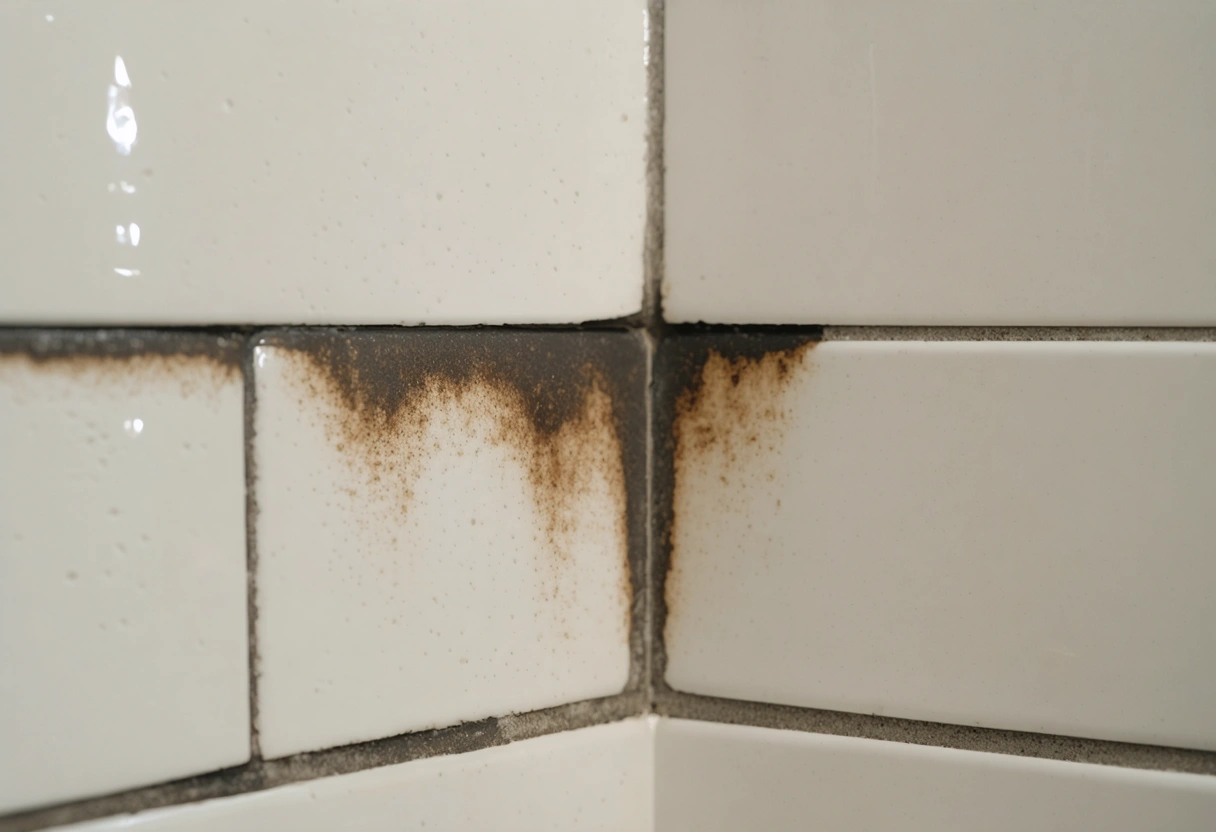
Early signs of shower water damage are not always dramatic. Homeowners may notice grout that darkens after use, caulk that pulls away from corners, persistent musty smells, or recurring mold that returns soon after cleaning. These symptoms often indicate that moisture is not staying on the surface where it can dry properly.
Other warning signs can include cracked tiles, bubbling paint near the shower, damp baseboards, soft spots in nearby flooring, or water marks on ceilings below an upstairs bathroom. Paying attention to these clues can help identify restoration needs before the problem spreads into surrounding rooms or structural components.
How Shower Restoration Addresses Leaks at the Source
Effective shower restoration is more than cosmetic improvement. It involves identifying the points where water is escaping and correcting the failures that allow leaks to continue. Depending on the shower’s condition, this may include removing failing grout, replacing deteriorated caulk, resetting loose tiles, repairing damaged surfaces, and improving the seal around corners, joints, fixtures, and the drain area.
When restoration is done correctly, the goal is to rebuild the shower’s ability to manage water. Water should flow toward the drain, remain on properly sealed surfaces, and evaporate or rinse away without soaking into porous materials. This helps reduce ongoing moisture intrusion and lowers the risk of repeated repairs.
The Role of Grout, Caulk, and Tile Integrity
Grout fills the spaces between tiles, but it can become porous, cracked, or worn over time. Damaged grout allows water to penetrate beneath the tile surface, especially in high-use areas such as shower floors, lower walls, niches, and corners. Restoring grout can improve both appearance and water resistance when paired with proper cleaning and sealing practices.
Caulk is also critical because it protects movement joints where different surfaces meet. These areas expand, contract, and shift slightly during regular use, which means hard grout is not always suitable. Replacing failed caulk with the right sealant helps close gaps that commonly cause leaks around corners, tubs, pans, doors, and fixtures.
Preventing Mold by Controlling Moisture Pathways
Mold in a shower is often treated as a cleaning problem, but repeated mold growth usually points to a moisture control problem. When water gets behind tile, under damaged grout, or into gaps around fixtures, the affected areas may stay damp even after the visible shower surface appears dry. This hidden dampness can support mold growth behind walls, under flooring, and in porous materials.
Shower restoration helps reduce mold risk by removing the conditions that allow moisture to remain trapped. This may involve cleaning and removing contaminated surface materials, replacing compromised grout or caulk, improving seals, and correcting areas where water pools instead of draining properly. The goal is not only to remove visible mold, but also to make the shower less likely to support future growth.
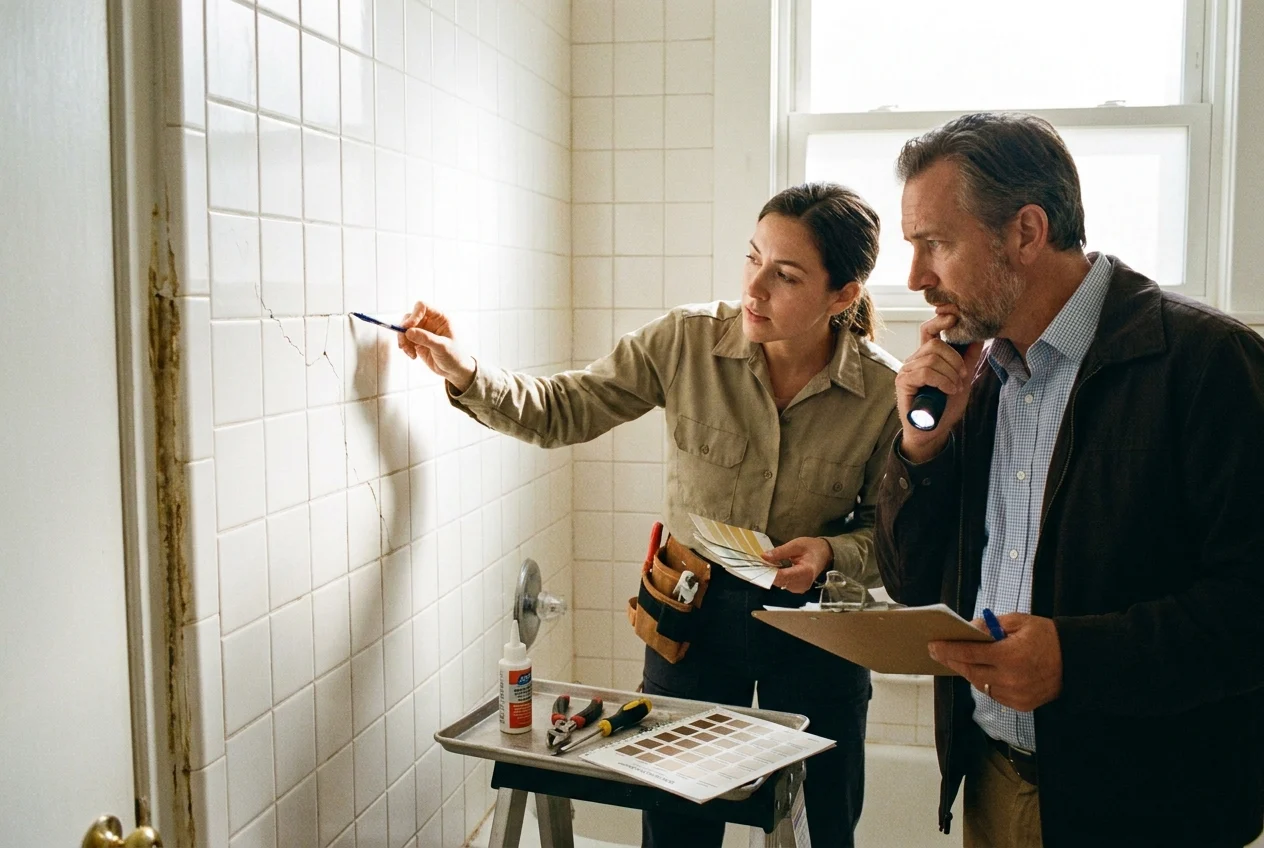
Why Cleaning Alone Often Is Not Enough
Bleach, bathroom cleaners, and scrubbing can temporarily improve the appearance of moldy grout or caulk, but they do not fix cracked joints, loose tiles, or saturated backing materials. If water continues entering the same weak points, the mold will often return quickly. In some cases, repeated aggressive cleaning can even wear down grout and sealants faster, making the shower more vulnerable to moisture intrusion.
Restoration takes a more complete approach by addressing both the visible symptoms and the underlying cause. For example, if mold keeps forming in a corner seam, replacing the failed caulk and ensuring the joint is clean, dry, and properly sealed is more effective than repeatedly scrubbing the same area. If grout is deeply stained, powdery, or missing, regrouting may be necessary to restore a more reliable surface.
Protecting Walls, Floors, and Structural Materials
Water damage from a leaking shower can spread beyond the shower enclosure itself. Moisture may travel into drywall, cement board, wood framing, subflooring, insulation, baseboards, and ceilings below. Because these materials are often hidden behind finished surfaces, damage can continue quietly until it causes visible staining, odors, tile movement, or soft flooring.
By sealing water entry points and repairing deteriorated components, shower restoration helps protect the surrounding structure. In bathrooms located on upper floors, this can be especially important because leaks may eventually appear as ceiling stains or dripping in the room below. In ground floor bathrooms, trapped moisture may affect subfloors, adjacent walls, or nearby cabinetry.
Examples of Damage Restoration Can Help Prevent
A small gap where a shower wall meets the floor may allow water to enter every time the shower is used. Over weeks or months, that water can weaken the substrate beneath the tile, causing tiles to loosen or grout lines to crack further. Restoring the joint with the right flexible sealant can help stop this repeated exposure before more extensive repairs are needed.
Another common example is a leaking shower door track or frame. If water escapes around fasteners, corners, or poorly sealed edges, it can soak into adjacent flooring or baseboards.
When Regrouting, Recaulking, or Tile Repair Is Needed
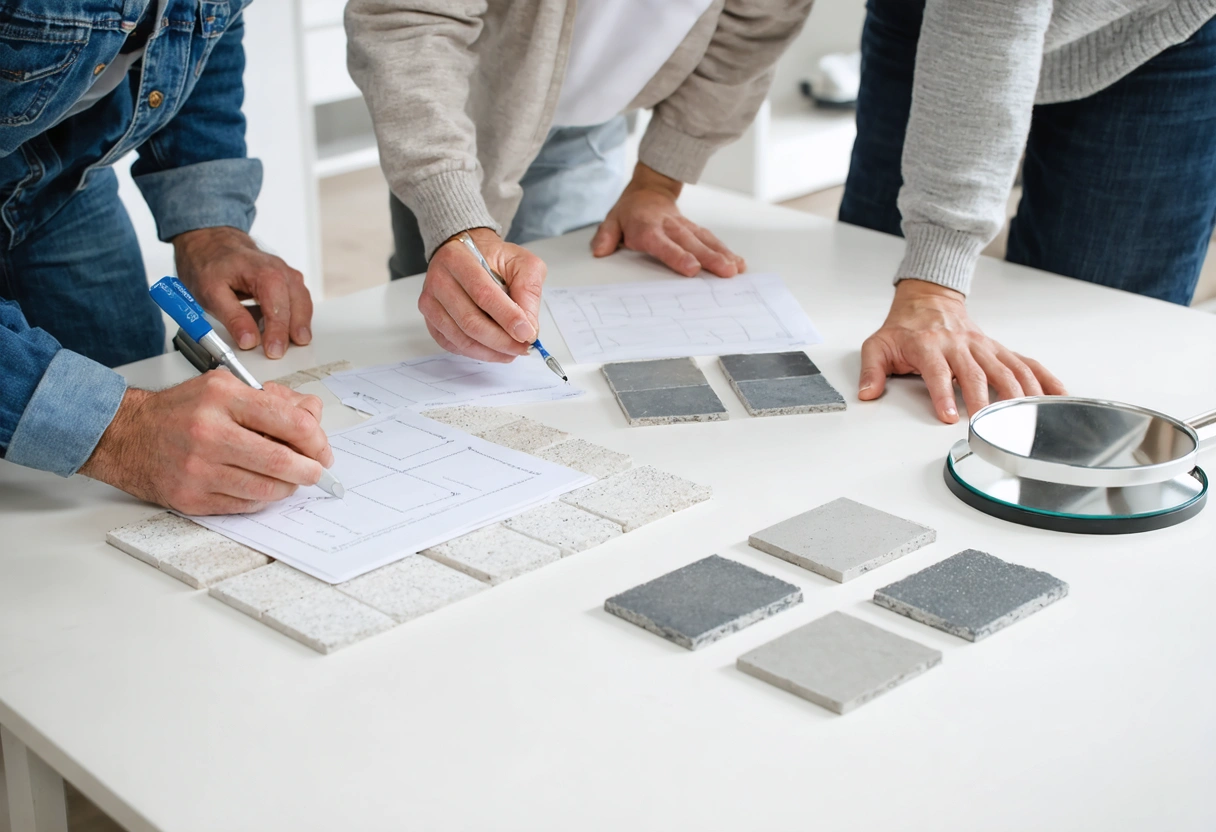
The right restoration method depends on the condition of the shower. Some showers need targeted repairs, while others require more extensive surface renewal. A professional evaluation or careful inspection can help determine whether the problem is limited to surface joints or whether water has already affected deeper layers.
Recaulking is often appropriate when the sealant is cracked, peeling, mold stained, loose, or missing from corners and transitions. Regrouting may be needed when grout has become crumbly, deeply discolored, cracked, or washed out.
Why Matching the Repair to the Problem Matters
Applying new caulk over old, failing caulk rarely creates a lasting seal. The new material may not bond properly, and trapped moisture or residue can continue to cause problems underneath.
The same idea applies to grout. If grout is cracked or missing in several areas, spot patching may not be enough if the surrounding grout is also weak.
The Importance of Proper Drainage and Slope
A restored shower should not only be sealed well, but should also move water efficiently toward the drain. Poor drainage allows water to sit on the shower floor, along grout lines, in corners, or around the drain.
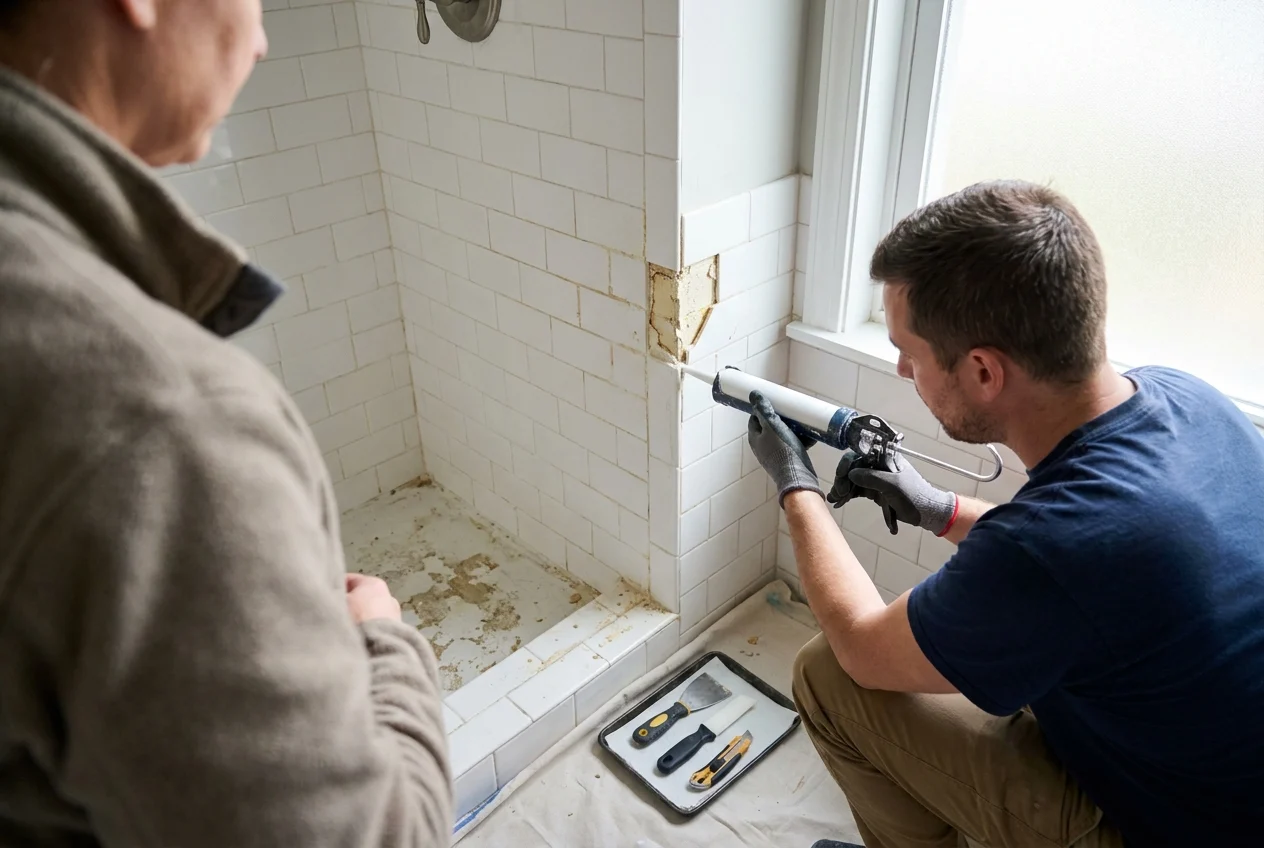
During restoration, it is helpful to look for areas where water pools after the shower is turned off. This can reveal low spots, uneven tile, clogged drain components, or problems with the shower floor slope.
Drain Area Leaks and Weak Points
The drain is one of the most important areas to inspect during shower restoration. Gaps, cracked grout, failing sealant, loose drain covers, or movement around the drain can allow water to reach layers below the tile.
Restoration may include cleaning around the drain, repairing grout or sealant, checking for loose materials, and making sure water flows freely without backing up. If the drain connection or shower pan is compromised, surface restoration alone may not be enough, and deeper repairs may be required to prevent ongoing leakage.
Restoring Shower Surfaces for Better Long Term Performance
A well restored shower should be easier to maintain and less prone to recurring stains, odors, and moisture problems. Once damaged grout, failed caulk, and loose tiles are repaired, the shower surface can perform more effectively as a water management system.
Surface restoration may also include removing soap scum, mineral deposits, and embedded grime that can hold moisture against grout and tile. Clean surfaces dry faster and make it easier to notice new issues early.
How Sealing Supports Restoration
Grout sealer can help protect cement based grout by reducing its ability to absorb water, oils, and stains. While sealer is not a substitute for proper waterproofing behind the tile, it can provide an added layer of protection for the visible grout surface.
Sealer works best when applied to clean, fully cured grout and maintained according to the product requirements. It should not be relied on to fix cracked grout, missing joints, loose tiles, or active leaks.
Why Timely Shower Restoration Can Reduce Repair Costs
Delaying shower repairs often allows water damage to spread. What begins as a simple recaulk or grout repair can become a larger project if moisture reaches framing, subflooring, drywall, or rooms below.
Early restoration can also preserve existing tile and finishes when they are still in good condition. If leaks continue for too long, tiles may loosen, backing materials may deteriorate, and mold contamination may become more difficult to address.
Restoration as Preventive Maintenance
Shower restoration is not only for obvious leaks or visible mold. It can also be used as preventive maintenance when grout begins to wear, caulk starts to separate, or tile joints show early signs of stress.
Regular inspection of corners, grout lines, shower floors, drains, niches, benches, and door frames can help identify small failures early. When these areas are restored promptly, the shower is better able to contain water, resist mold growth, and protect the surrounding bathroom from long term damage.
Need help with How Shower Restoration Can Stop Leaks, Mold, and Water Damage?