

Understanding the Importance of Shower Restoration
Showers are an integral part of our daily routine, providing a place for relaxation and rejuvenation. However, over time, showers can begin to show signs of wear and tear. This is where shower restoration becomes essential. Understanding the importance of this process can help you maintain the functionality and appearance of your shower, ultimately contributing to the overall value of your home.
Shower restoration involves repairing any damage to your shower, such as cracks, leaks, and mold growth, and restoring it to its original condition. Regular maintenance and timely restoration can prevent more serious problems, saving you both time and money in the long run. In this guide, we will delve into the top signs your shower needs restoration, helping you identify issues before they escalate.
Signs of Water Damage
Water damage is one of the most common issues that can occur in a shower. It can lead to mold growth, structural damage, and a host of other problems. Recognizing the signs of water damage early can prevent costly repairs and ensure a safe and healthy environment in your bathroom.
One of the first signs of water damage is the presence of mold or mildew. Mold thrives in moist environments and can quickly spread if not addressed. Look for discoloration on your shower walls or ceilings, as this can indicate mold growth. Additionally, a musty smell in your bathroom might be a sign of hidden mold.
Another indicator of water damage is peeling or bubbling paint. This occurs when moisture gets trapped between the paint and the wall, causing it to lift. If you notice this happening in your shower area, it’s crucial to investigate further to prevent further damage.
Cracks and Leaks
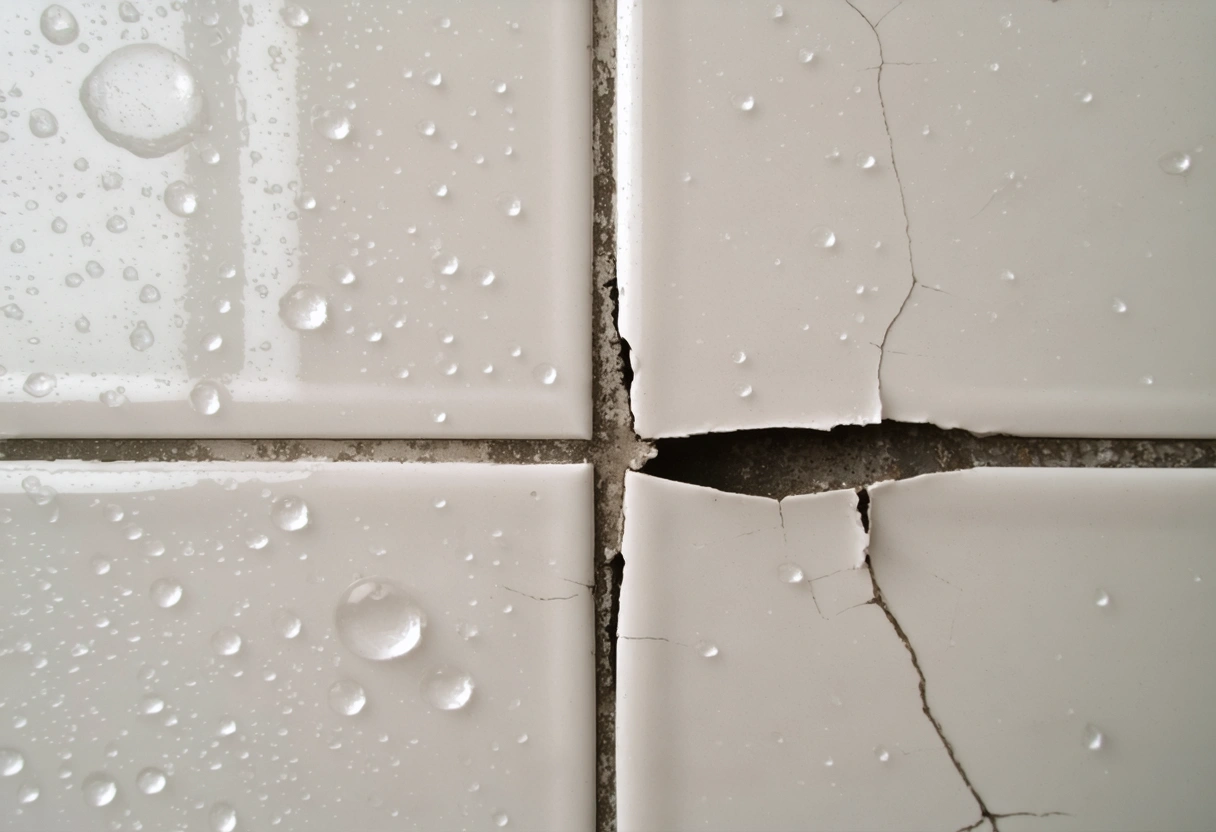
Cracks and leaks are telltale signs that your shower may need restoration. Over time, the constant exposure to water can cause tiles to crack and grout to weaken, leading to potential leaks. These issues not only affect the aesthetics of your shower but can also lead to more significant structural problems if left unaddressed.
If you spot any cracks in your tiles or grout, it’s important to act quickly. Water can seep through these cracks, causing damage to the underlying structure of your bathroom. In severe cases, this can lead to costly repairs and even the need for a complete bathroom renovation.
Leaks in your shower can also be a sign of failing plumbing. If you notice water pooling on the floor or dripping from fixtures, it’s essential to address the issue promptly. Ignoring leaks can result in water damage to your bathroom floor and even the rooms below.
Grout Deterioration
Grout is the material used to fill the gaps between tiles in your shower. Over time, grout can deteriorate, leading to cracks and allowing water to penetrate the surface. This not only compromises the integrity of your shower but can also create an ideal environment for mold and mildew to grow.
Discolored or crumbling grout is a clear sign that your shower may need restoration. Regularly inspecting your grout and addressing any issues as they arise can help prevent further damage. In some cases, regrouting your shower may be necessary to restore its original appearance and functionality.
The Role of Caulking
Caulking plays a crucial role in preventing water damage in your shower. It acts as a sealant, filling gaps and seams to prevent water from seeping into the walls and floor. Over time, caulking can become brittle and cracked, compromising its effectiveness.
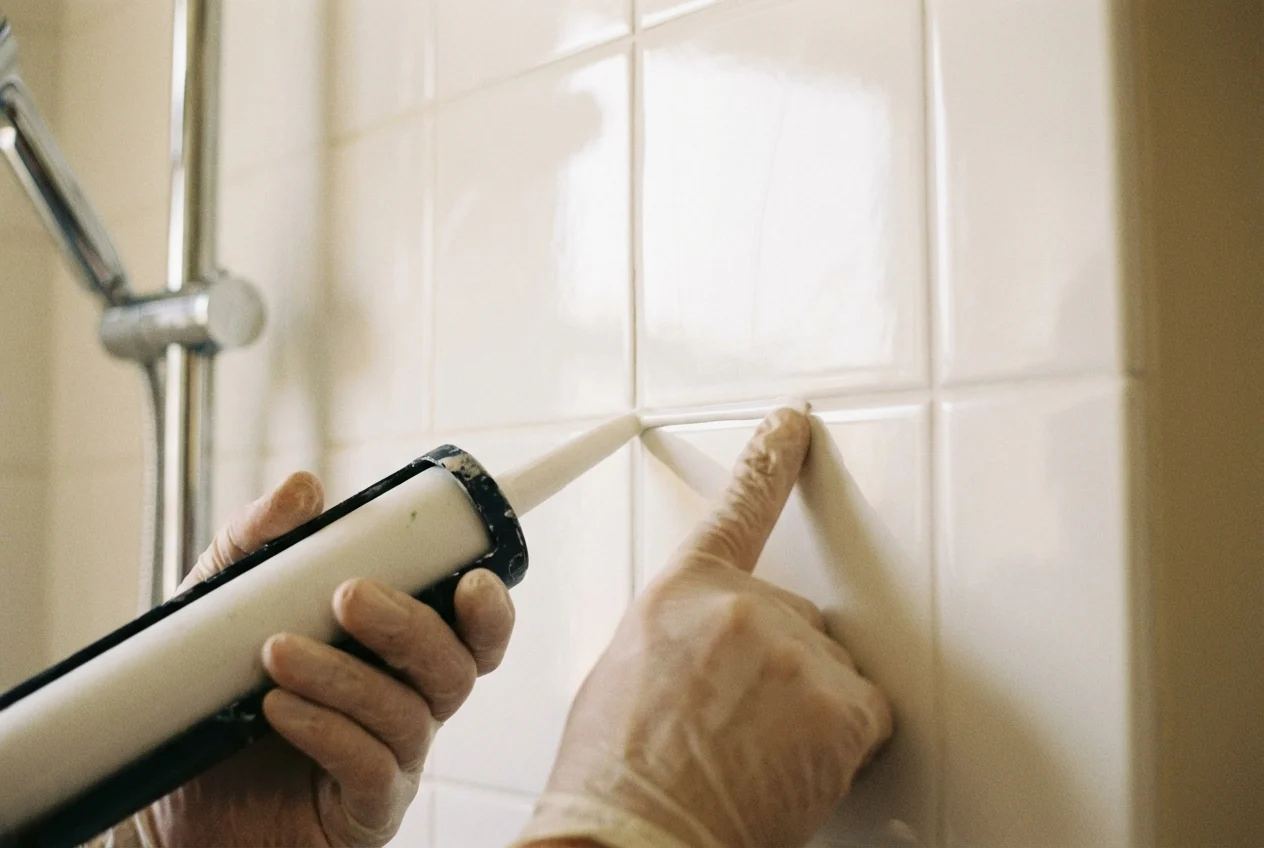
Inspecting your shower’s caulking regularly is essential to maintaining its integrity. If you notice any cracks or gaps, it’s important to reseal these areas promptly. Failing to do so can result in water damage and mold growth, leading to more extensive repairs down the line.
In addition to protecting your shower from water damage, proper caulking can also enhance its appearance. Fresh caulk can give your shower a clean and polished look, making it more inviting and enjoyable to use.
Tile Discoloration
Tile discoloration is another common issue that can indicate your shower needs restoration. Over time, tiles can become stained or discolored due to hard water, soap scum, and mold growth. While regular cleaning can help maintain the appearance of your tiles, some stains may require professional restoration to remove.
If your tiles have become discolored, it’s important to determine the cause before proceeding with restoration. For example, mold can often cause black or green stains, while hard water can leave white or yellowish deposits. Addressing the underlying issue can help prevent further discoloration and maintain the appearance of your shower.
When to Consider Professional Restoration
While some shower issues can be addressed with DIY solutions, there are times when professional restoration is necessary. If your shower has extensive damage, such as large cracks or significant water damage, it may be best to consult with a professional. They can assess the situation and recommend the best course of action to restore your shower to its original condition.
Professional restoration services can also help you identify underlying issues that may not be immediately apparent. For example, a professional can inspect your plumbing for leaks or assess the structural integrity of your shower. This can help prevent future problems and ensure your shower remains in top condition.
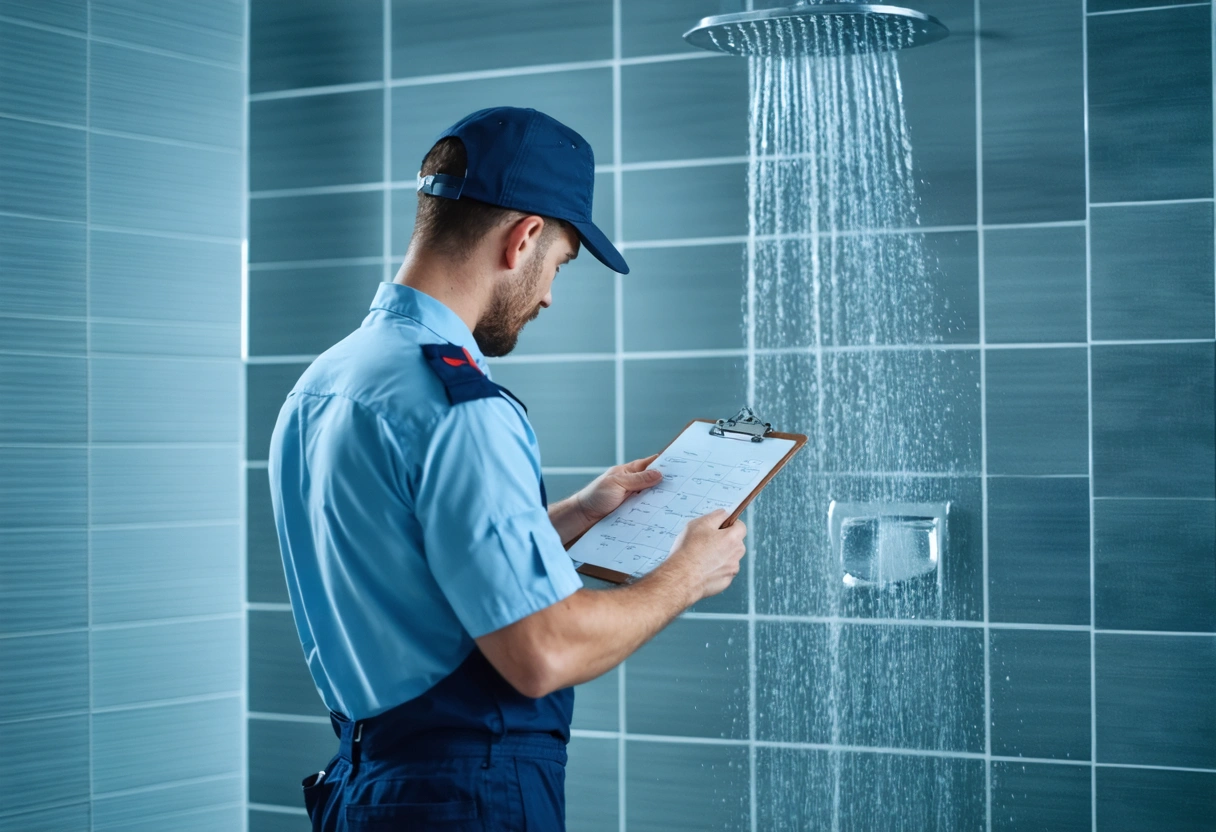
In some cases, professional restoration may involve more extensive repairs, such as replacing damaged tiles or regrouting the entire shower. While this may seem like a significant investment, it can ultimately save you money by preventing future damage and increasing the value of your home.
Cost Considerations
When contemplating shower restoration, cost is a crucial factor to consider. The expense can vary greatly depending on the extent of the damage and the type of restoration needed. Simple repairs, such as regrouting or resealing, may be relatively affordable, while more extensive repairs can be costly.
It’s important to obtain quotes from multiple restoration professionals to ensure you’re getting a fair price. Additionally, consider the long-term benefits of restoring your shower. Investing in restoration can prevent future problems and increase the value of your home, making it a wise financial decision in the long run.
Maintaining Your Shower Post-Restoration
Once your shower has been restored, regular maintenance is essential to keep it in top condition. Implementing a few simple practices can help prevent future damage and extend the lifespan of your shower.
First, make it a habit to clean your shower regularly. This includes wiping down tiles and fixtures to remove soap scum and hard water deposits. Using a squeegee after each shower can also help prevent water spots and reduce the risk of mold growth.
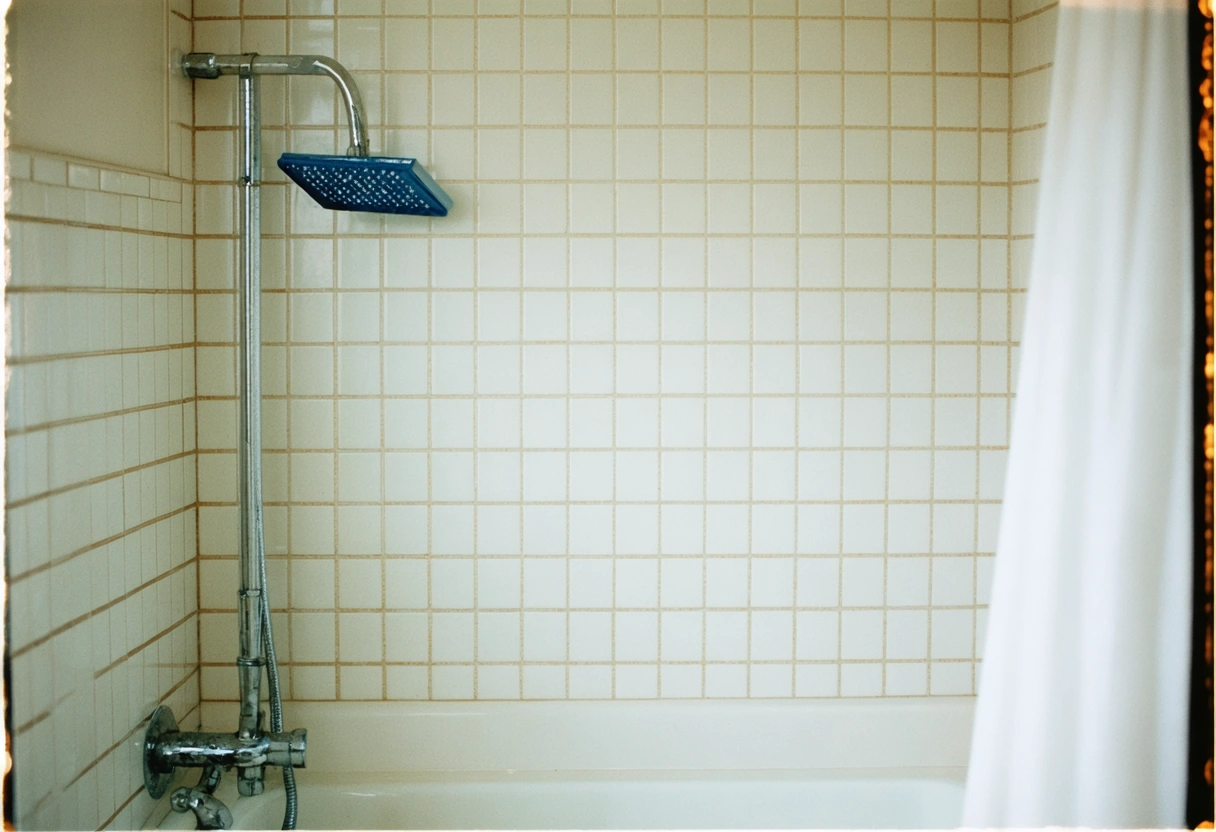
Additionally, inspect your shower regularly for signs of damage. Addressing small issues as they arise can prevent them from becoming more significant problems. For instance, if you notice any cracks in your grout or caulking, repair them promptly to avoid water damage.
Finally, consider applying a sealant to your tiles and grout. This can provide an extra layer of protection against moisture, reducing the risk of discoloration and damage. Sealants are available in various forms, including sprays and liquids, and can be applied easily with a brush or roller.
Takeaways
Recognizing the signs that your shower needs restoration is essential to maintaining its functionality and appearance. By addressing issues such as water damage, cracks, and grout deterioration promptly, you can prevent more extensive repairs and extend the lifespan of your shower.
Whether you choose to tackle minor issues yourself or hire a professional for more extensive restoration, investing in your shower’s maintenance is a wise decision. Not only will it enhance your daily bathing experience, but it can also increase the value of your home.
For more information on maintaining a healthy and functional bathroom, consider exploring resources on bathroom hygiene and best practices for bathroom inspections. With the right knowledge and care, your shower can remain a refreshing oasis for years to come.
In addition to regular maintenance, it’s beneficial to stay informed about the latest advancements in shower restoration techniques and materials. Advancements in technology have led to the development of more durable and easier-to-maintain materials, such as antimicrobial grout and water-resistant tiles. Keeping abreast of these innovations can help you make informed decisions about any future upgrades or restorations.
Moreover, consider the aesthetic aspects of your shower when planning restorations. While functionality is crucial, the visual appeal of your shower can significantly impact your bathroom’s overall ambiance. Whether it’s selecting a new tile pattern or updating fixtures, incorporating design elements that reflect your personal style can transform your shower into a luxurious retreat.

Environmental Considerations
When planning your shower restoration, it’s also important to consider the environmental impact of your choices. Opting for eco-friendly materials and techniques can reduce your carbon footprint and contribute to a more sustainable home. For example, selecting low-flow showerheads and fixtures can conserve water, while choosing non-toxic sealants and cleaning products can minimize harmful chemical exposure.
Additionally, many companies offer recycled or sustainably sourced materials for shower restoration. These materials can provide the same durability and aesthetic appeal as traditional options while being kinder to the environment. By prioritizing sustainability in your restoration efforts, you can create a shower that is both beautiful and environmentally responsible.
Future-Proofing Your Shower
As you plan for shower restoration, consider future-proofing your space to accommodate potential changes in your lifestyle or needs. This could involve adding features that enhance accessibility, such as grab bars or a bench, making your shower more user-friendly for all ages and abilities. Additionally, incorporating smart technology, such as digital temperature controls or water-saving sensors, can add convenience and efficiency to your daily routine.
By taking a holistic approach to shower restoration, considering both immediate needs and long-term goals, you can create a space that not only meets your current requirements but also adapts to your future needs. This proactive approach ensures that your shower remains a safe, comfortable, and enjoyable space for years to come.
Overall, recognizing when your shower needs restoration and taking timely action can prevent costly repairs and enhance the longevity and enjoyment of your bathroom. With careful planning and attention to detail, you can transform your shower into a functional and inviting space that adds value to your home.
Need help with Top Signs Your Shower Needs Restoration – A Guide by Floor Medix?