
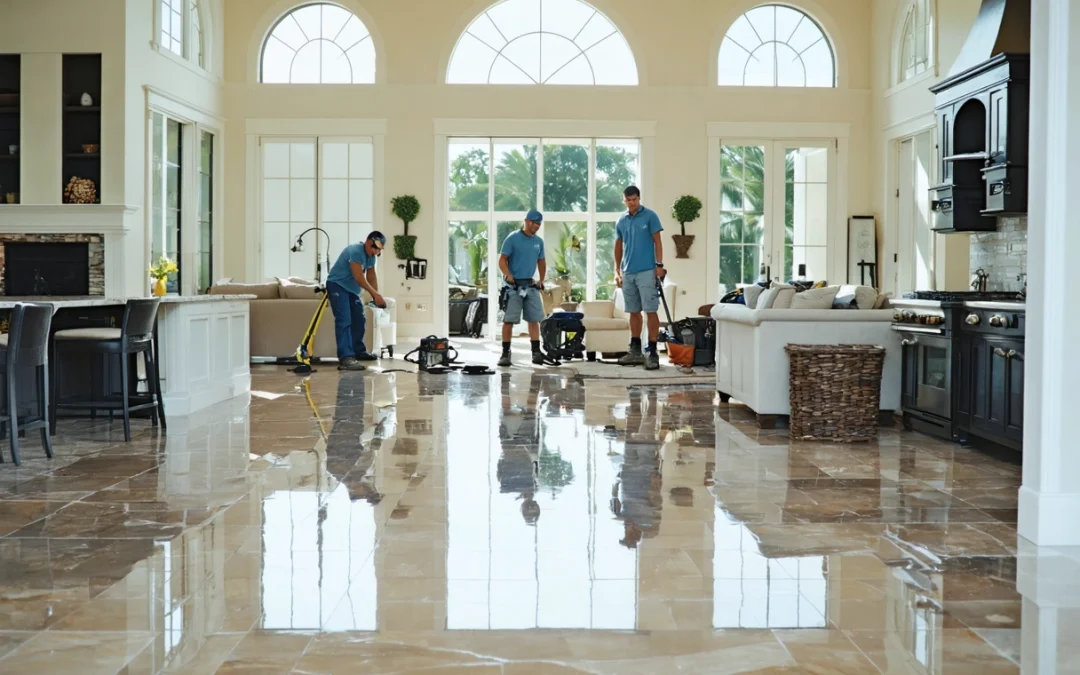
Vacation rentals live or die by first impressions. A guest may book because of the view, the location, or the amenities, but the moment they step into a bathroom, kitchen, entryway, or poolside patio, tile surfaces quietly begin telling the real story of the property. Dull floors, stained grout, cloudy shower walls, and chipped edges can make even a well-furnished rental feel tired, while restored tile can make the same space feel cleaner, newer, and more valuable.
Precision tile restoration is one of the most practical upgrades in vacation rental restoration because it targets the surfaces guests notice most and use hardest. Instead of rushing into expensive demolition or full replacement, owners and property managers can renew tile, grout, stone, and sealants with a methodical process that improves appearance, hygiene, safety, durability, and guest confidence.
Why Tile Condition Shapes the Guest Experience
Tile is everywhere in short-term rentals because it is durable, moisture resistant, and easy to style. Bathrooms, kitchens, laundry spaces, outdoor kitchens, balconies, pool decks, mudrooms, and entryways often rely on tile to handle water, sand, spills, luggage wheels, sunscreen, food residue, and constant foot traffic. That durability, however, can create a false sense of security. Tile can last for decades, but grout, sealers, caulk lines, and surface finishes often age much faster.
Guests may not know the difference between porcelain, ceramic, marble, travertine, or quarry tile, but they immediately recognize when a surface looks neglected. Dark grout lines around a toilet, pink biofilm in a shower corner, greasy kitchen tile, hard water rings, and uneven sheen all suggest that the rental has not been cared for properly. Even if the property is technically clean, stained and damaged tile can create the perception of poor housekeeping.
In a competitive vacation rental market, perception becomes revenue. Cleaner-looking finishes support better listing photos, stronger reviews, higher nightly rates, and fewer guest complaints. Tile restoration also helps protect the property from avoidable damage. Water intrusion through failed grout or cracked caulk can reach subfloors, cabinets, drywall, and framing. What begins as a cosmetic issue can become a costly restoration project if ignored.
The Hidden Difference Between Cleaning and Restoration
Routine cleaning removes fresh soil from the surface. Restoration goes deeper. It identifies the material, evaluates the condition of the tile and grout, removes embedded contamination, corrects surface damage where possible, and applies protection that makes ongoing maintenance easier. For vacation rentals, that distinction matters because turnovers are fast and cleaning crews are usually focused on speed. They may mop, wipe, disinfect, and polish, but they are not typically repairing grout, removing mineral deposits, sealing porous surfaces, or balancing sheen across an entire floor.
Precision tile restoration begins with diagnosis. A porcelain kitchen floor with greasy grout requires a different approach than a natural stone shower with etching and soap residue. A matte ceramic tile may tolerate stronger cleaners than limestone or marble. Aggressive scrubbing, acidic products, abrasive pads, and improper sealers can permanently damage certain surfaces. The goal is not simply to make tile look shiny for a day, but to restore the right finish for the material and the way guests use the space.
A restoration plan may include deep extraction cleaning, steam-assisted cleaning, grout brightening, mineral deposit removal, poultice stain treatment, crack repair, regrouting, recaulking, color sealing, honing, polishing, and protective sealing. Each step should be chosen for the tile type and the rental environment. A beach condo, a mountain cabin, and an urban apartment all create different soil patterns and maintenance challenges.
Common Tile Problems in Vacation Rentals
Vacation rentals experience intense use in short bursts. Guests cook unfamiliar meals, use different personal care products, track in outdoor debris, and often spend more time in bathrooms and kitchens than they would during a typical hotel stay. This creates recurring tile problems that are easy to overlook until they affect reviews.
Grout discoloration is one of the most common issues. Cement-based grout is porous, so it absorbs dirty mop water, body oils, soap residue, spills, and fine particles. Over time, the grout darkens unevenly, especially around toilets, in shower floors, near kitchen sinks, and along main walking paths. Once staining penetrates deeply, basic mopping often makes it worse by spreading soil into the pores.
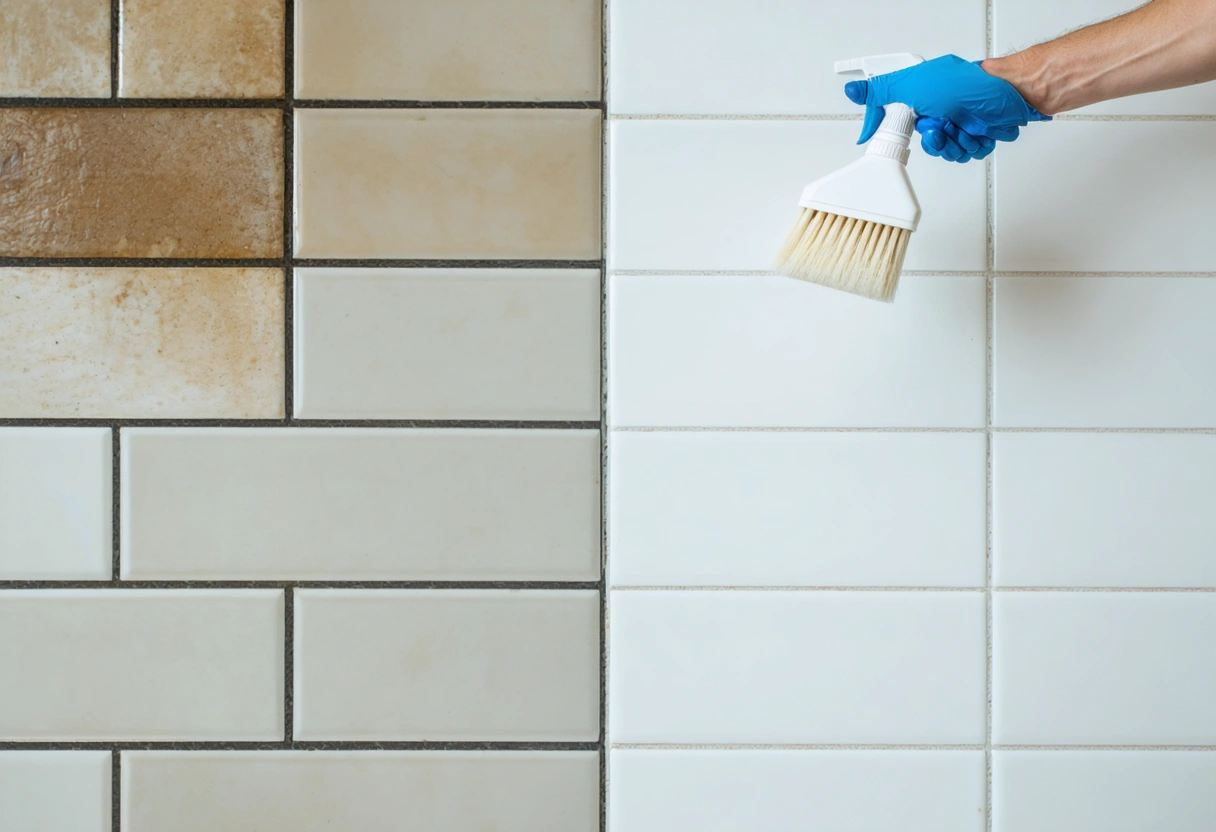
Showers and bathrooms create another layer of complexity. Hard water, soap scum, shampoo residue, and poor ventilation can form stubborn buildup on tile and glass. If moisture remains in corners, niches, and caulk joints, microbial growth may appear. Property managers should pay close attention to trusted mold cleanup guidance when moisture-related contamination appears, especially if the affected area is persistent, recurring, or larger than a small isolated spot.
Cracked grout and failed caulk are more than visual defects. Grout is not waterproof, and caulk is designed to handle movement at changes of plane, such as wall-to-floor joints and tub edges. When caulk hardens, separates, or becomes mold-stained, water can travel behind tile assemblies. In vacation rentals, these failures often remain hidden until a guest reports a musty smell, a soft floor, loose tile, or staining on a ceiling below.
How Precision Restoration Protects Long-Term Asset Value
Replacement is sometimes necessary, especially when tile is loose, the substrate has failed, or water damage has spread. Still, many vacation rental tile surfaces can be restored at a fraction of the cost, time, and disruption of full demolition. Restoration is especially valuable when the existing tile is structurally sound but visually compromised by staining, haze, mineral buildup, or worn grout lines.
A well-executed restoration can extend the life of the installation by addressing the vulnerable components first. Regrouting deteriorated areas, replacing failed silicone, sealing porous stone, and improving cleaning protocols can prevent water from reaching areas where it can cause hidden damage. This makes tile restoration both a cosmetic upgrade and a preventive maintenance strategy.
From an investment standpoint, restoration also reduces downtime. A full bathroom remodel can remove a property from the booking calendar for days or weeks. Precision restoration can often be scheduled between stays or during low-demand periods. For owners managing multiple units, this matters. Restoring tile in stages across bathrooms, kitchens, and outdoor areas allows revenue to continue while the property is improved.
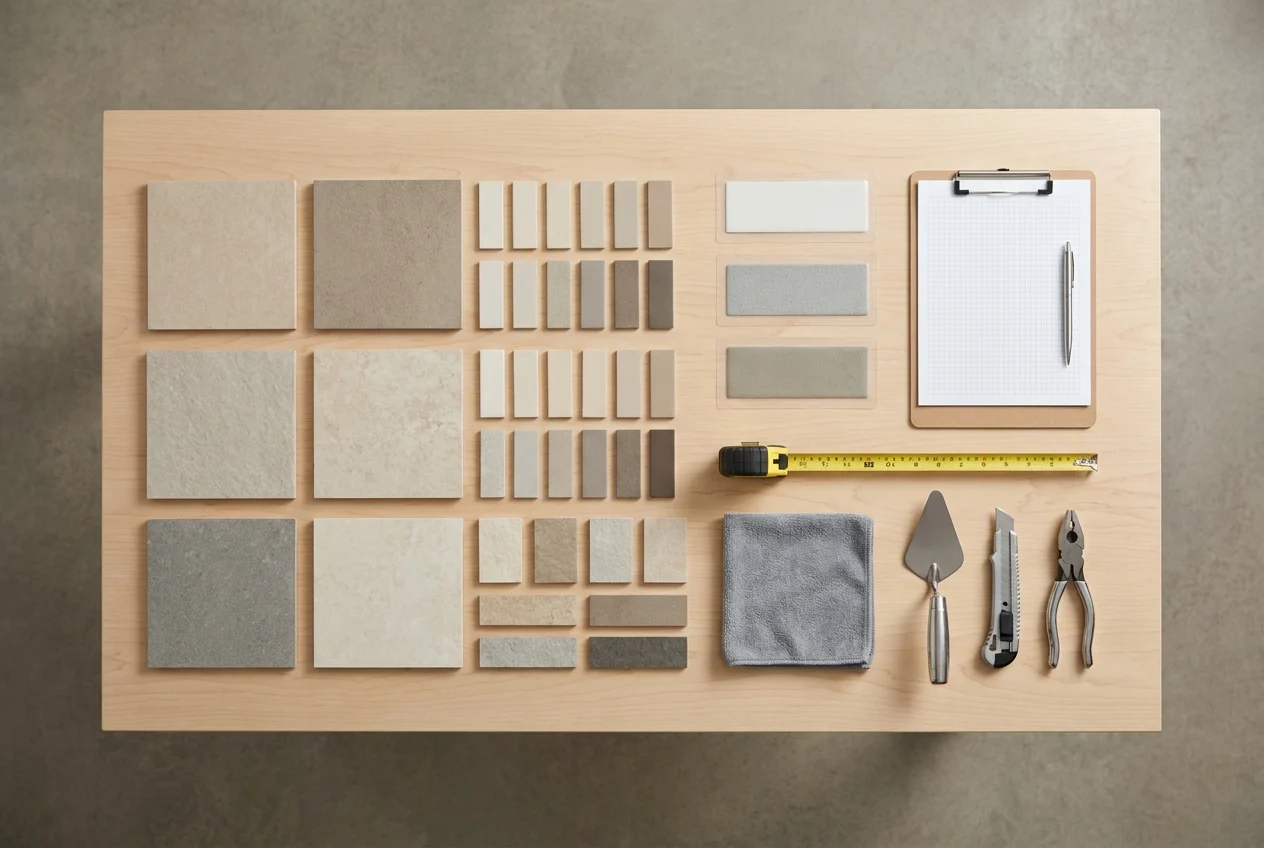
There is also brand value in consistency. Guests notice when a property feels cared for from room to room. Clean grout in the entryway, polished stone at the vanity, fresh caulk in the shower, and a bright kitchen backsplash create a sense of quality that supports premium positioning. In photos, restored tile reflects light better and makes rooms feel fresher without requiring new furniture or major construction.
The Step-by-Step Tile Restoration Process
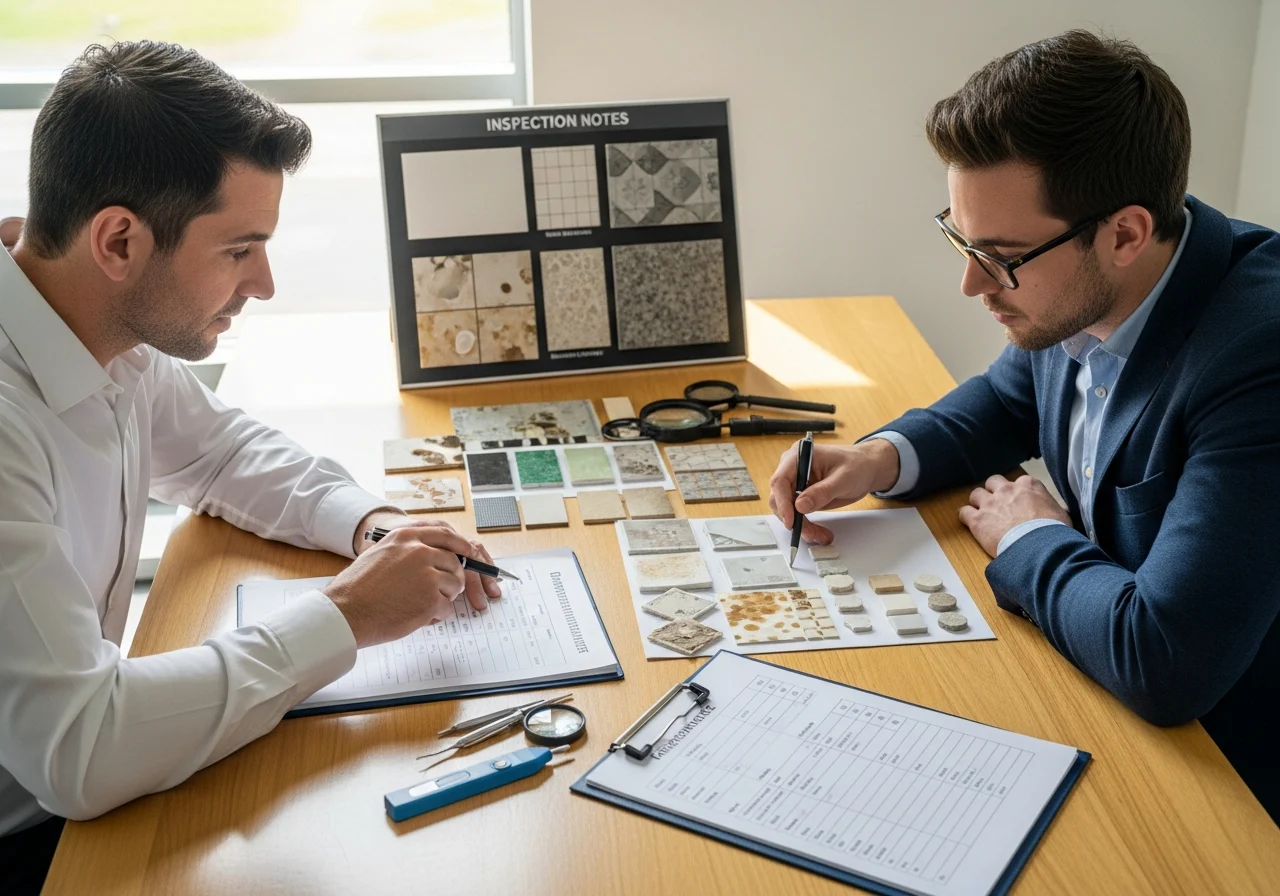
The strongest results come from a structured process rather than a one-product fix. The first step is inspection. This includes identifying the tile type, checking grout condition, looking for hollow or loose tiles, evaluating caulk lines, testing for sealers, checking slope and drainage in wet areas, and noting stains that may require special treatment. Photographs and notes are useful, especially for multi-property portfolios.
Next comes dry soil removal. Sand, grit, hair, and loose debris should be vacuumed before wet cleaning begins. This prevents abrasive particles from scratching finishes or turning into muddy residue. In kitchens and entries, degreasing may be needed before deeper extraction. In showers, a mineral and soap residue treatment may be required, but product selection must match the surface. Acidic cleaners can damage marble, limestone, travertine, terrazzo, and some cement-based
surfaces. When in doubt, a small test area protects the property from visible mistakes in highly photographed spaces.
Deep cleaning typically follows with agitation and extraction. Professional equipment can flush soil from grout pores more effectively than a mop, which often leaves dirty water behind. Stains may need targeted poultices or specialty treatments. After cleaning, restoration work can begin: damaged grout is removed and replaced, failed caulk is cut out and renewed, chips are repaired when feasible, and natural stone may be honed or polished to correct dullness, etching, and uneven wear.

The final protection phase is just as important as the visible cleaning. Porous grout and natural stone should be sealed with products suited to the material and exposure level. Sealers do not make surfaces maintenance-free, but they slow absorption and make future cleaning more effective. For managers comparing products and material types, the Natural Stone Institute sealing guidance is a helpful educational reference.
Design Details That Make Restored Tile Look Newer
Precision restoration is not only about removing soil. Small design choices can make existing tile feel intentionally updated. Color sealing grout is a powerful example. If grout is permanently stained but structurally sound, a color seal can create a uniform tone while adding stain resistance.
Caulk color also matters. Bright white caulk may look harsh against warm stone, while translucent or color-matched silicone can create a more refined finish. In showers, clean transitions around niches, benches, tubs, and glass frames make the entire bathroom feel more professionally maintained.
Texture and slip resistance should be evaluated as part of the upgrade. Highly polished surfaces may look attractive, but wet bathroom floors and poolside tiles need practical traction. Owners should consider guest age ranges, barefoot use, outdoor exposure, and local safety expectations. The National Floor Safety Institute provides useful information on floor safety and slip prevention, which is especially relevant for high-turnover hospitality spaces.
Maintenance Habits That Preserve the Results
Restoration delivers the reset, but daily and weekly habits determine how long the results last. Cleaning crews should use neutral pH cleaners on most tile and stone surfaces unless a specific condition requires a different product.
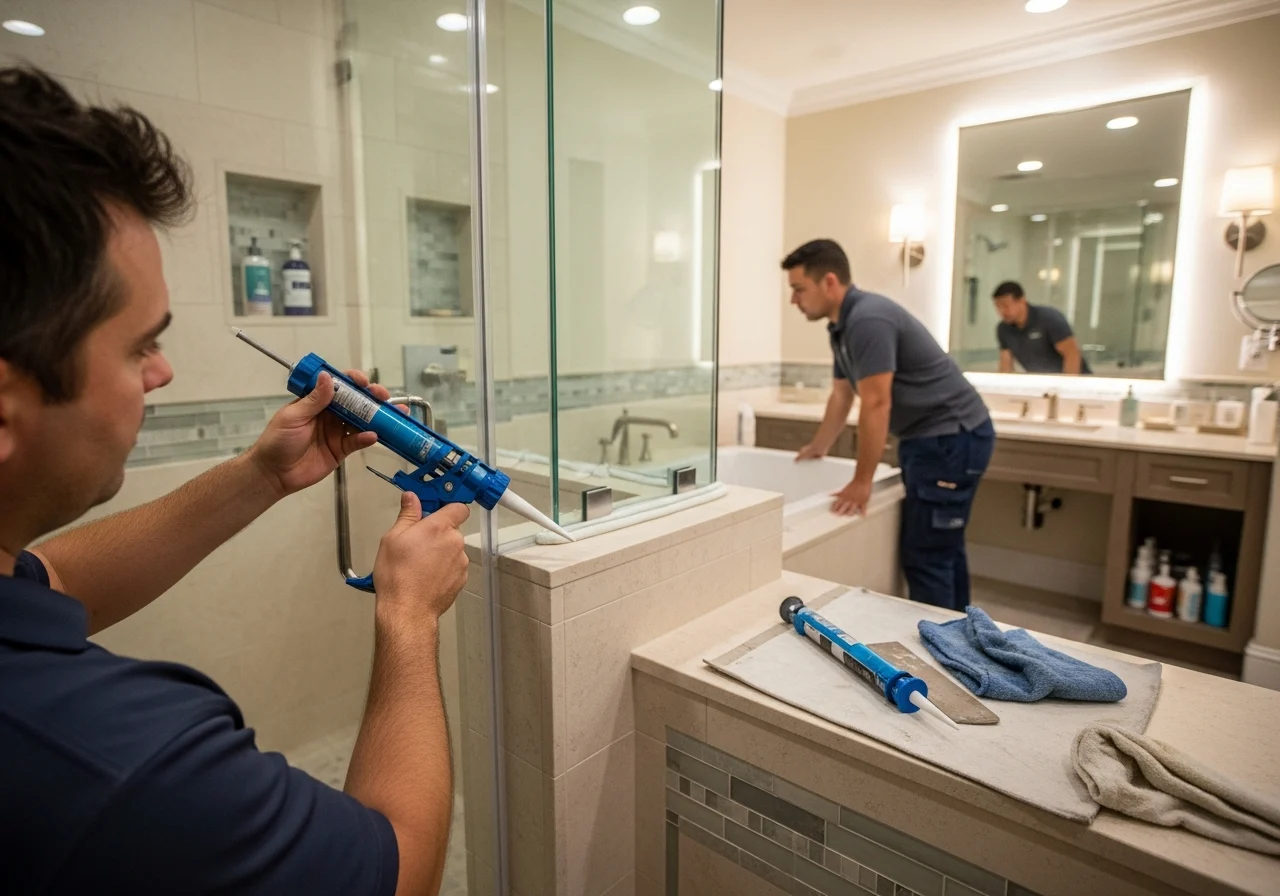
A simple inspection checklist can prevent small issues from becoming expensive repairs. After each guest stay, cleaners should look for cracked grout, separating caulk, slow drains, loose tiles, new stains, and musty odors.
Guest communication can help too. Providing bath mats, outdoor rinse stations, entry mats, cutting boards, and clear instructions for spills reduces wear without sounding restrictive.
A Cleaner Surface Is a Stronger Selling Point
Tile restoration is one of the highest-impact improvements a vacation rental owner can make because it touches beauty, cleanliness, safety, and asset protection at once.
In vacation rental restoration, the smartest upgrades are often the ones that make guests feel instantly comfortable. Precision tile restoration turns worn bathrooms, kitchens, entries, and outdoor spaces into cleaner, fresher, more trustworthy environments.
Need help with From Drab to Fab: Transforming Vacation Rentals with Precision Tile Restoration?