
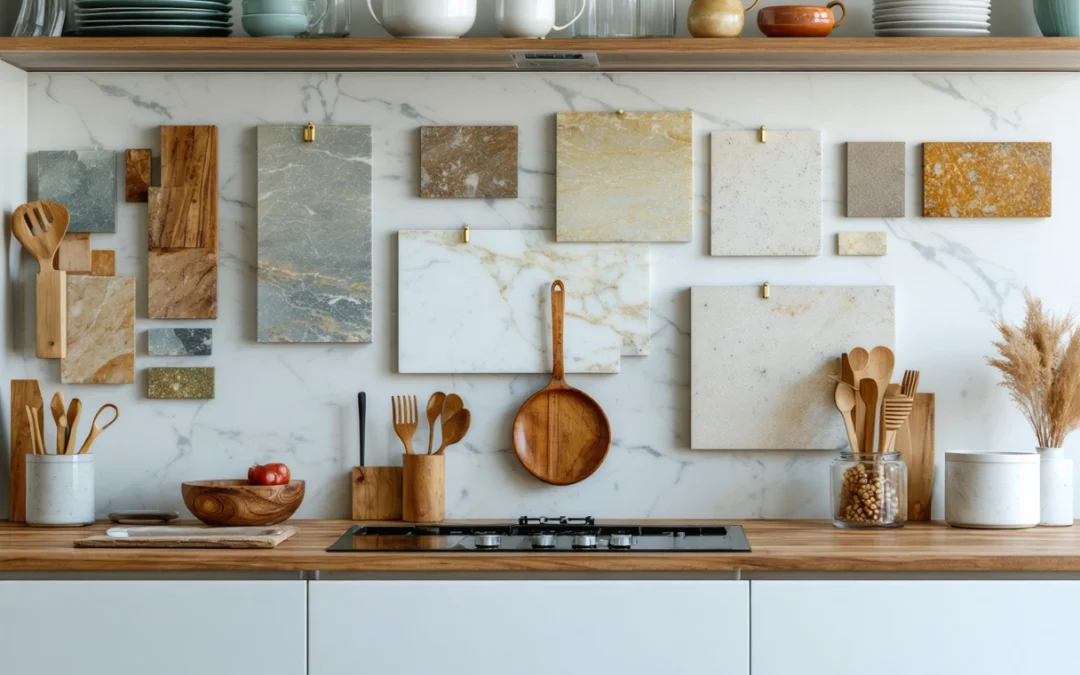
Kitchen backsplashes are becoming one of the most expressive design elements in the home, and 2026 is shaping up to be a year of bolder materials, richer textures, and more personalized style choices. Instead of acting as a simple protective surface, the backsplash is now a defining feature that can set the tone for the entire kitchen.
From sculptural tile and full-height stone slabs to reflective finishes and sustainable materials, the newest backsplash ideas blend beauty with performance. Whether the goal is a warm organic kitchen, a sleek modern space, or a colorful statement wall, the right backsplash can instantly elevate both function and visual impact.
Materials That Bring More Character to the Kitchen
One of the strongest backsplash trends for 2026 is the move toward materials with depth, variation, and tactile appeal. Homeowners are looking beyond basic white subway tile and choosing surfaces that feel handcrafted, natural, or architecturally distinctive. This shift reflects a broader desire for kitchens that feel curated rather than overly uniform.
Zellige tile, handmade ceramic, textured porcelain, fluted stone, and dimensional glass are all gaining attention because they introduce subtle irregularities that catch the light in unique ways. These materials can make even a neutral kitchen feel layered and intentional, especially when paired with simple cabinetry and understated hardware.
Natural Stone With Dramatic Movement
Full-height stone backsplashes are expected to remain a standout choice in 2026, particularly in kitchens that emphasize luxury and longevity. Marble, quartzite, granite, soapstone, and engineered stone slabs create a seamless backdrop with fewer grout lines and a more refined appearance. The veining becomes part of the visual story, often functioning like artwork behind the range or sink.
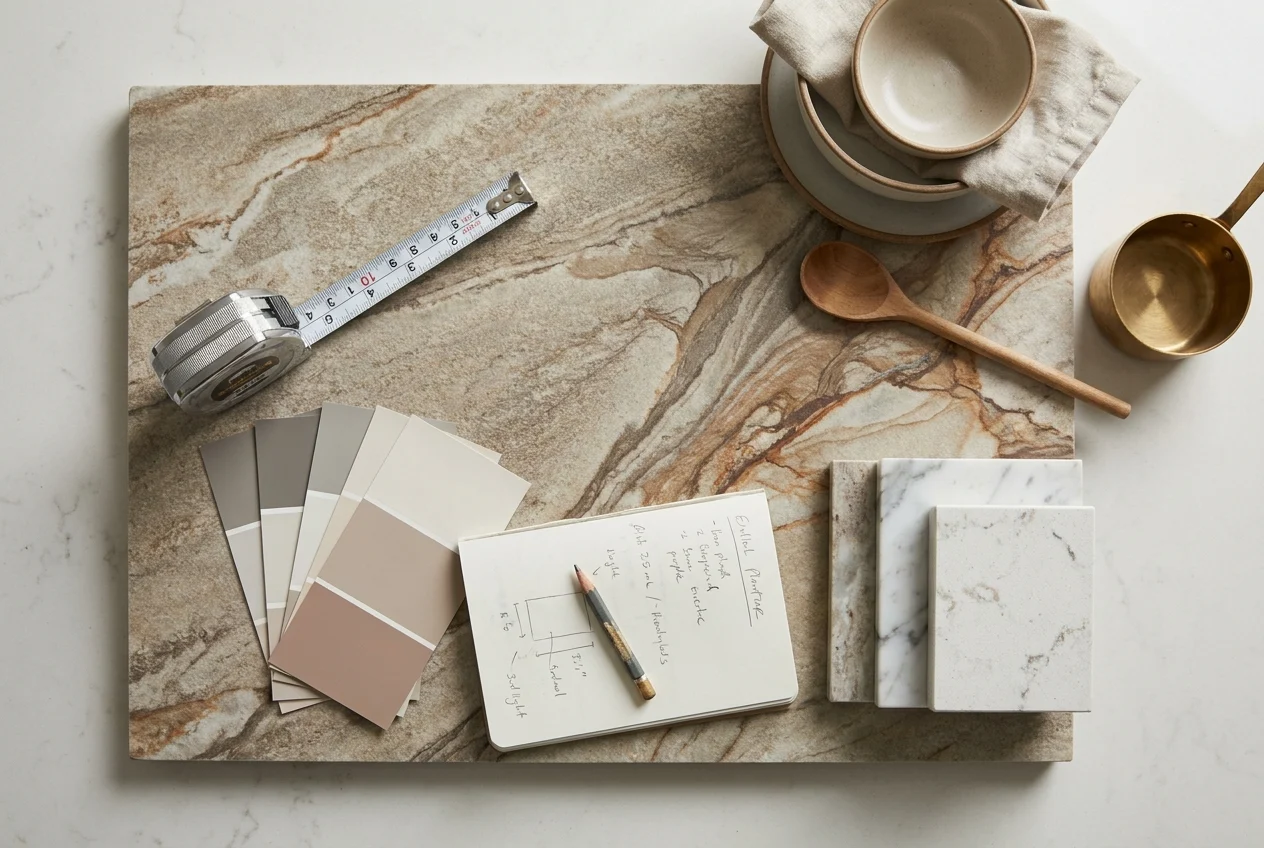
For a contemporary look, many designers are extending the same countertop material up the wall to create a continuous surface. This approach works especially well in minimalist kitchens because it reduces visual clutter while still adding pattern and sophistication. In warmer kitchen designs, stones with beige, taupe, brown, green, or rust-colored veining can add softness and natural charm.
Handcrafted Tile and Artisanal Finishes
Handmade-look tile is another major direction for 2026 because it adds warmth and individuality. Slight color shifts, uneven edges, and glossy pooled glazes help create a backsplash that feels personal rather than mass produced. These details are especially effective in kitchens where the cabinetry and countertops are simple, allowing the backsplash to provide texture and movement.
Artisanal tile does not have to be overly rustic. In modern kitchens, vertically stacked handmade tiles can offer a clean silhouette while still preserving an organic feel. In transitional kitchens, square ceramic tiles with a soft sheen can bridge the gap between classic and contemporary design.
Color Palettes Moving Beyond Basic Neutrals
While white, gray, and beige backsplashes will always have a place in kitchen design, 2026 trends are leaning toward more nuanced color palettes. Homeowners are becoming more comfortable using the backsplash as a controlled area for color, especially when the rest of the kitchen remains calm and balanced.
Soft earthy tones, deep jewel shades, muted pastels, and nature-inspired greens are all emerging as popular choices. These colors can bring personality to the kitchen without overwhelming the space, particularly when used in materials with a handmade texture or a glossy reflective surface.
Earthy Greens, Clay Tones, and Warm Neutrals
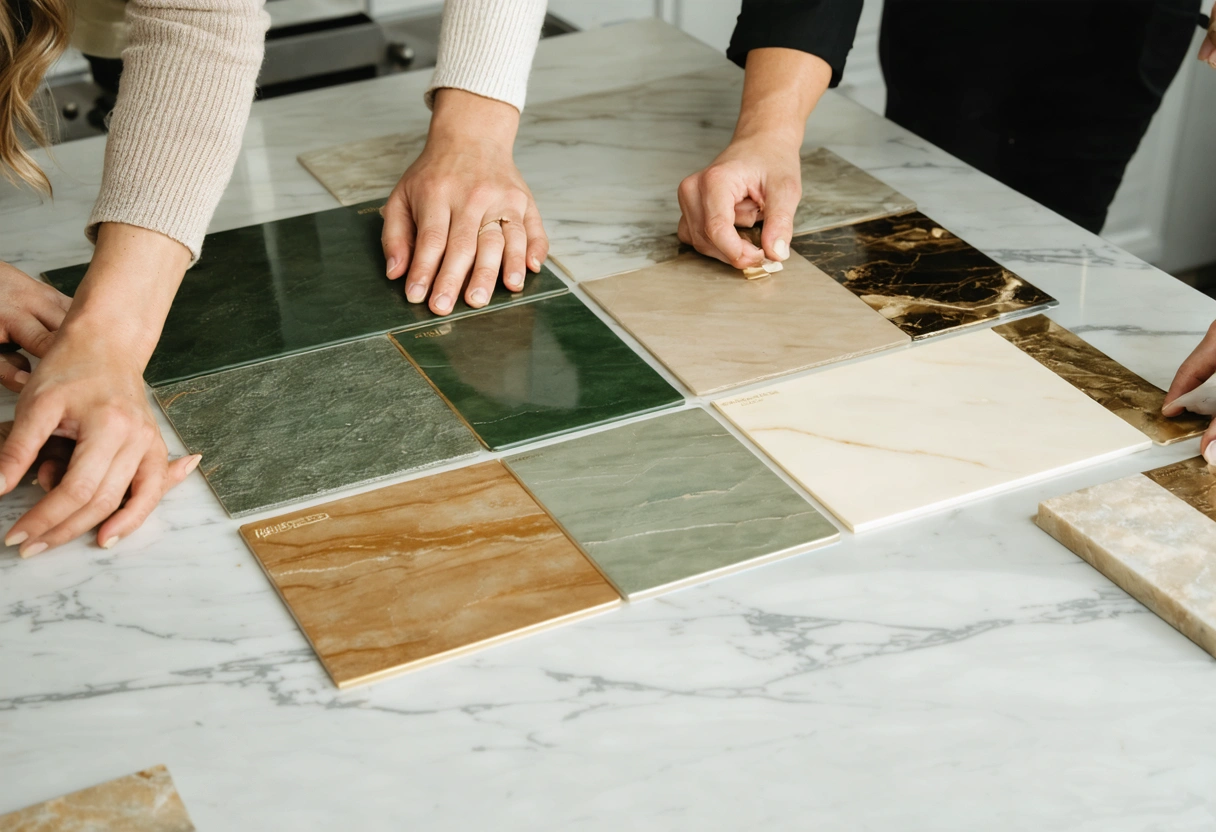
Green continues to be one of the most influential kitchen colors, and backsplashes are an ideal place to introduce it. Sage, olive, moss, eucalyptus, and deep forest green can make a kitchen feel grounded and fresh. These shades pair beautifully with wood cabinetry, brass fixtures, cream countertops, and natural stone flooring.
Clay, terracotta, sand, mushroom, and warm taupe are also becoming more prominent as homeowners move away from cooler gray palettes. These tones create a welcoming atmosphere and work especially well in Mediterranean, organic modern, farmhouse, and contemporary kitchens. When applied through glazed tile or textured ceramic, warm neutrals can feel rich rather than plain.
Moody Shades for Statement Backsplashes
For homeowners who want a more dramatic kitchen, deeper backsplash colors are expected to gain momentum in 2026. Navy, charcoal, burgundy, emerald, espresso, and inky blue can create a sophisticated focal point, especially behind a range or open shelving. These colors work best when balanced with good lighting and lighter surrounding materials.
A moody backsplash can also make metallic accents stand out. Brushed brass, polished nickel, matte black, and bronze fixtures look especially striking against darker tile or stone. The result is a kitchen that feels intentional, layered, and visually memorable without needing excessive decoration.
Layouts and Patterns With a More Architectural Feel
Backsplash layout is becoming just as important as material selection. In 2026, designers are using tile orientation, scale, and pattern to create architectural rhythm in the kitchen. Instead of defaulting to a standard running bond pattern, homeowners are exploring layouts that elongate walls, highlight ceiling height, or frame key features like a range hood.
Vertical stacking remains especially popular because it draws the eye upward and makes the kitchen feel taller. This approach works beautifully with slim rectangular tiles, handmade ceramic, and glossy finishes that reflect light. Horizontal stacking, on the other hand, can make a compact kitchen feel wider and more streamlined, particularly when paired with flat-panel cabinetry.
Oversized Tile for a Cleaner Look
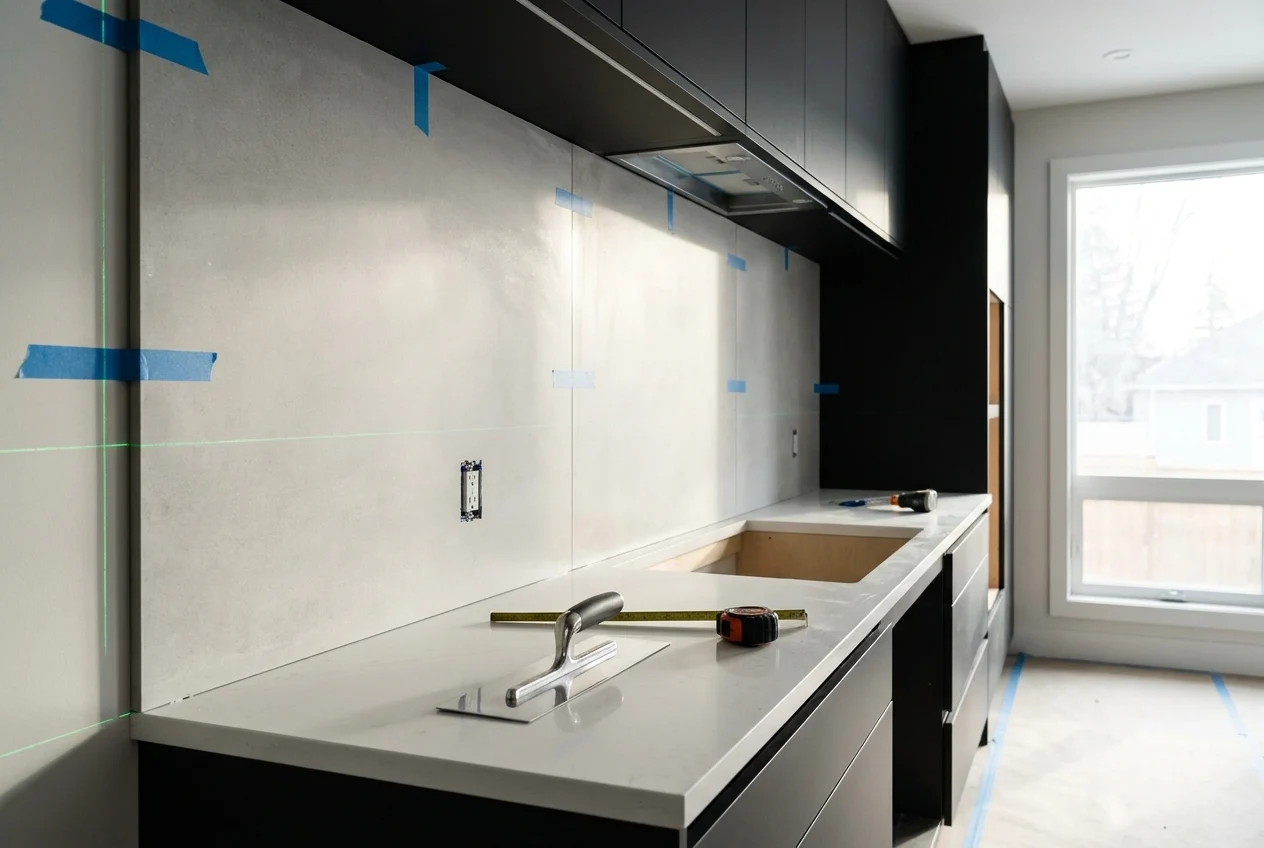
Large-format tile is gaining traction as a practical and stylish alternative to stone slabs. It provides a sleek, continuous appearance while often being easier to source and install than natural slab material. Fewer grout lines also mean simpler maintenance, which is a major advantage in busy kitchens where splatters and steam are part of everyday life.
Porcelain panels that mimic marble, limestone, concrete, or travertine are especially useful for homeowners who want the look of high-end materials with improved durability. These surfaces resist staining, moisture, and heat better than many porous natural stones, making them a smart choice behind cooktops and sinks.
Classic Patterns With Fresh Proportions
Traditional patterns are not disappearing, but they are being reinterpreted in more modern ways. Herringbone, basketweave, chevron, and stacked square tile are returning with updated proportions, unexpected colors, and larger formats. A long, slim herringbone tile in a soft green glaze feels very different from a small white herringbone mosaic, even though the pattern itself is familiar.
Checkerboard backsplashes are also appearing in softer, more livable combinations. Instead of stark black and white, designers are pairing cream with taupe, sage with ivory, or terracotta with sand. This gives the kitchen a playful graphic quality while keeping the overall mood warm and refined.
Texture, Dimension, and Light Play
Texture is one of the most exciting backsplash design directions for 2026. As kitchens become more streamlined, tactile surfaces help prevent the room from feeling flat. A textured backsplash can add movement, shadow, and personality even when the color palette is restrained.
Fluted tile, ribbed stone, raised geometric ceramic, beveled edges, and sculptural mosaics are all being used to create depth. These dimensional surfaces are especially effective under cabinet lighting, where shadows emphasize the surface relief. The result is a backsplash that changes throughout the day as natural and artificial light shift across the kitchen.
Glossy Finishes That Brighten the Room
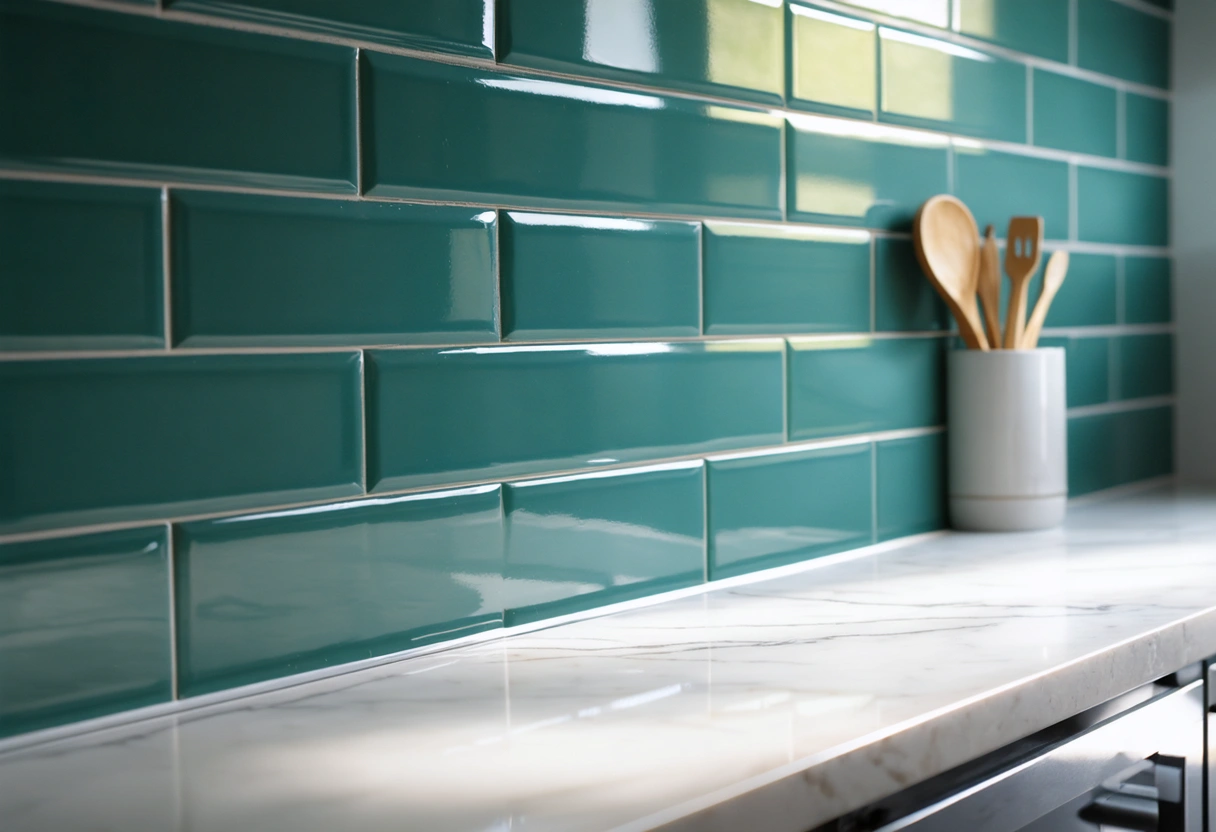
Glossy backsplashes are making a strong comeback because they reflect light and add energy. In smaller kitchens, a glossy tile can make the room feel brighter and more open. In larger kitchens, it can introduce a polished focal point that contrasts nicely with matte cabinetry or honed countertops.
The most current glossy finishes are not perfectly flat or mirror-like. Instead, they often feature subtle waviness, crackle effects, or glaze variation. This gives the backsplash a luminous quality that feels handmade and elevated rather than sterile.
Matte and Honed Surfaces for Understated Luxury
Matte backsplashes are equally relevant for 2026, especially in kitchens designed around calmness and simplicity. Honed stone, matte porcelain, cement-look tile, and unglazed ceramic offer a softer visual experience than high-gloss materials.
These finishes are ideal for organic modern kitchens and spaces with natural wood, plaster walls, or minimalist cabinetry. The key is to choose matte materials that still have visible depth, such as subtle veining, mineral variation, or handmade edges.
Full-Height and Range-Focused Installations
The size and placement of the backsplash are also evolving. More homeowners are extending backsplash materials all the way to the ceiling, especially behind open shelves, statement hoods, or sink walls with windows.
This approach can also make small kitchens feel more cohesive because the wall surface is treated as one uninterrupted plane. Rather than stopping the tile at the bottom of upper cabinets, carrying it upward creates a sense of height and completion.
Creating a Focal Point Behind the Range
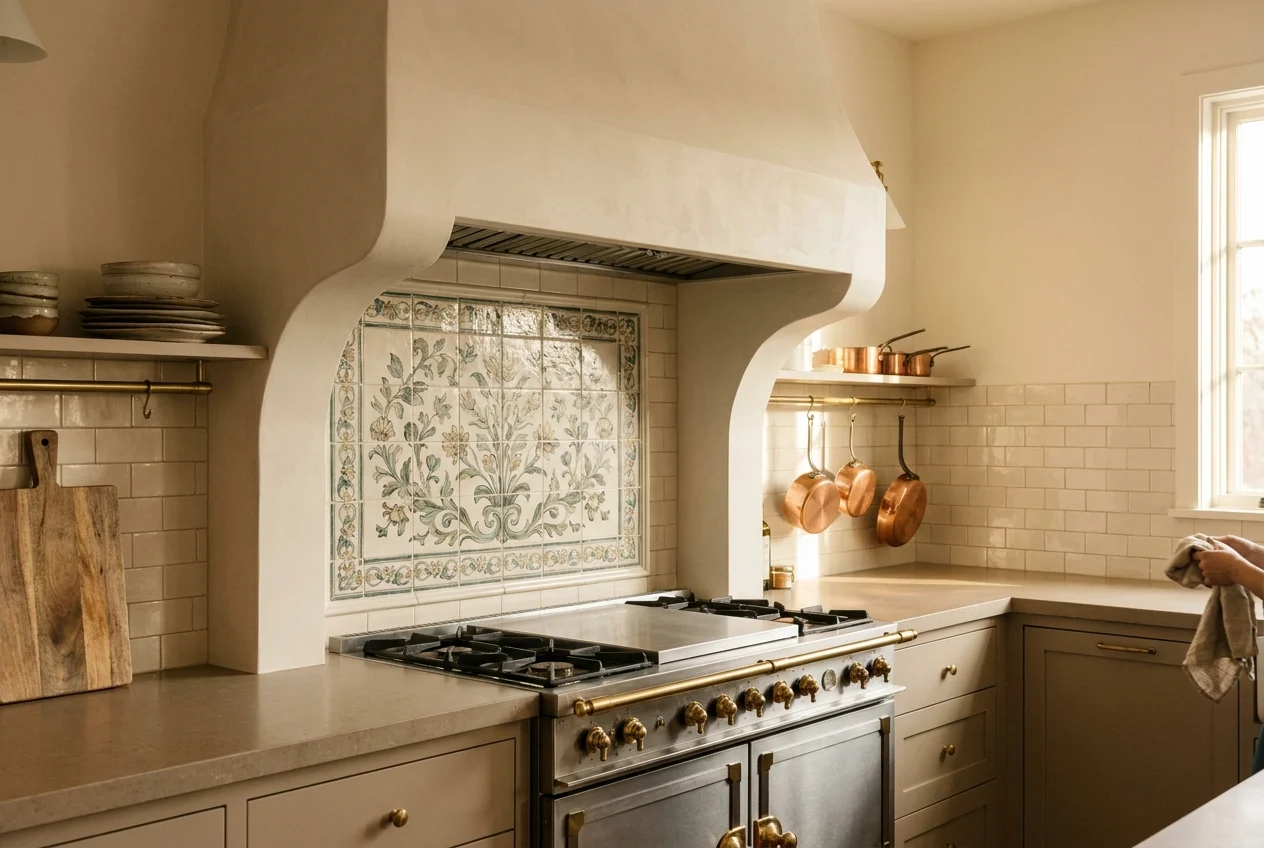
The range wall is becoming a favorite place for more expressive backsplash design. Homeowners may choose a different tile pattern behind the cooktop, frame a stone slab with simple surrounding tile, or install a decorative panel that acts almost like a piece of built-in art.
For balance, the focal area should relate to the rest of the kitchen through color, texture, or material. For example, a marble mosaic behind the range can coordinate with a marble-look quartz countertop, while a patterned ceramic feature can repeat the cabinet color in a softer shade.
Sustainable and Practical Choices for Everyday Living
Sustainability is influencing backsplash trends in a meaningful way. Many homeowners want materials that are beautiful, durable, and responsibly made. Recycled glass tile, reclaimed brick, low-impact ceramic, responsibly quarried stone, and long-lasting porcelain are all appealing because they combine design value with environmental awareness.
Durability is also part of sustainability. A backsplash that lasts for decades is often a better choice than a trendy surface that needs replacement after only a few years.
Grout Color and Maintenance Matter
Grout is a small detail with a major effect on both style and upkeep. Matching grout creates a seamless look and allows the tile itself to take center stage.
For busy kitchens, stain-resistant grout or epoxy grout can be worth considering. These options reduce discoloration and make cleaning easier, particularly behind ranges and coffee stations.
How to Choose a Backsplash That Feels Current and Timeless
The best backsplash for 2026 is not necessarily the trendiest one. It is the one that supports the overall kitchen design, complements the homeowner’s lifestyle, and still feels appealing years from now. Before selecting a material, it
Need help with Innovative Backsplash Trends for 2026: Elevate Your Kitchen Style?