

Choosing the right grout color for your home may seem like a minor detail in the larger scheme of home design, but it can significantly impact the overall aesthetic and feel of a space. Whether you’re updating your bathroom, kitchen backsplash, or flooring, the grout color can either blend seamlessly with the tiles or create a bold contrast that makes a design statement.
With an overwhelming array of options available, finding the perfect grout color can be daunting. In this guide, we will explore the factors to consider when selecting grout color, tips for achieving different design goals, and how to test grout colors before making a final decision.
Understanding the Role of Grout in Design
Grout serves more than just a functional purpose in tiling; it plays an essential role in the visual impact of the space. Grout is the material used to fill the gaps between tiles. It provides stability, prevents moisture from seeping between tiles, and keeps the overall tile design cohesive.
However, grout color can also enhance or detract from the design. Choosing the right color can highlight tiles, create a sense of harmony, or add a creative edge to the room. Whether you opt for a matching or contrasting grout color can dramatically affect how the tiles are perceived.
Matching Grout Colors
Using a grout color that matches your tiles can create a seamless and unified look. This approach is ideal for creating a minimalist aesthetic where the tiles are meant to be the focus. For example, white tiles with white grout can make a small bathroom look larger and more open.
Matching colors can also help to camouflage imperfections in tile alignment. If you prefer your tiles to be the star of the show, closely matching the grout color to the tile color will ensure that the focus remains on the tiles themselves.
Contrasting Grout Colors
On the other hand, contrasting grout colors can add visual interest and highlight the geometric pattern of the tiles. This approach works well with intricate tile designs or when you want to make a bold statement. For instance, using black grout with white subway tiles can create a classic and timeless look.

Contrasting grout can also serve a practical purpose. Darker grout colors are often chosen for high-traffic areas like kitchen floors because they are less likely to show dirt and stains compared to lighter grout colors.
Factors to Consider When Choosing Grout Color
Several factors should guide your decision when selecting the right grout color. Beyond personal preference, the choice depends on the type of tiles, the room’s purpose, lighting, and future maintenance needs.
Tile Material and Color
The material and color of your tiles will heavily influence your grout color choice. For natural stone tiles, such as marble or slate, a complementary grout color that doesn’t overwhelm the natural beauty of the stone is often preferred. For ceramic or porcelain tiles, you have more flexibility to experiment with matching or contrasting colors.
For colorful tiles or intricate patterns, a neutral grout color like gray or beige can help balance the design, allowing the tiles to remain the focal point without clashing.
Room Functionality and Traffic
The intended use of the space plays a significant role in selecting grout color. In high-traffic areas such as hallways, kitchens, or entryways, darker grout can be more forgiving of dirt and wear. In contrast, lighter grout colors might be more suitable for low-traffic areas or spaces where a clean, airy feel is desired, like a guest bathroom.
Consider the effect of moisture in rooms like bathrooms. Grout that is too light might show discoloration over time due to water exposure, while darker grout may hide such imperfections better.
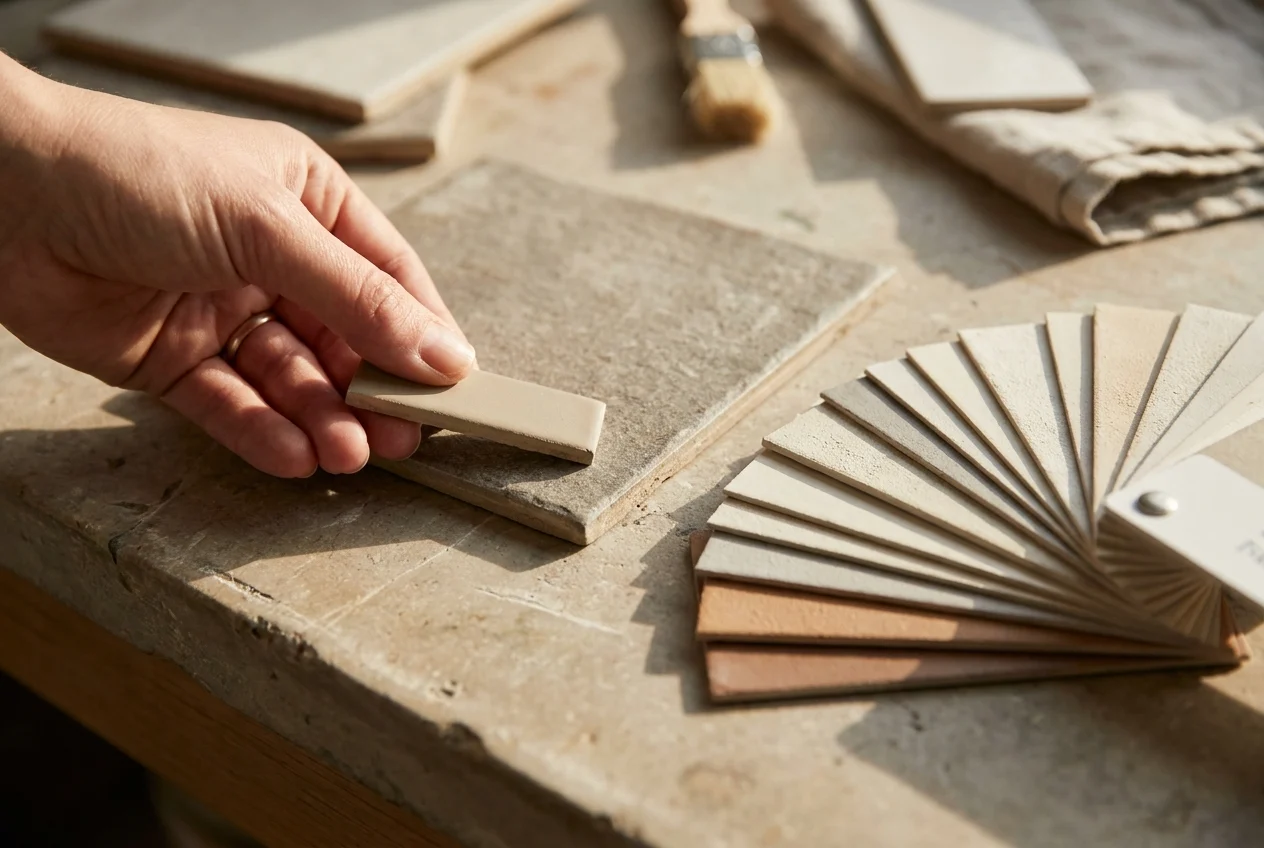
Testing and Sampling Grout Colors
Before making a commitment, it’s wise to test grout colors. Many manufacturers offer sample kits, allowing homeowners to see how different grout colors look with their chosen tiles in their specific lighting conditions.
Creating Sample Boards
One effective way to test grout colors is by creating sample boards. Lay out a small section of your tiles and grout them with different colors. This approach allows you to see the real-life impact of the grout color on your design and helps visualize the final look before installation.
It’s crucial to test in the actual space where the tiles will be installed, as lighting can significantly affect how colors appear. Natural and artificial lights can change the perception of color, so observe your sample boards under different lighting conditions throughout the day.
Consulting Professionals
When in doubt, consulting with a professional designer or contractor can provide valuable insights. They can offer recommendations based on their experience and help you avoid common pitfalls. Professionals may also have access to a wider range of samples and can assist in creating a cohesive design that meets your aesthetic and functional goals.
Maintenance and Care Considerations
While aesthetics are a crucial factor, it’s essential to consider the maintenance and care of your grout. Grout that is too light can show stains easily, requiring more frequent cleaning. Conversely, darker grout may be more forgiving but can fade over time or show efflorescence, a crystalline deposit that can form on grout lines.
Sealing Grout
Regardless of color choice, sealing your grout is a recommended practice to prolong its lifespan and maintain its appearance. Sealing prevents moisture absorption, reduces staining, and makes cleaning easier. Some grout products come pre-sealed, while others require a separate sealing process post-installation.
Regular maintenance, including cleaning with appropriate products and resealing as needed, can keep your grout looking fresh and new for years to come.

Color-Consistent Grout Products
For those concerned about uniformity and consistency, pre-mixed grout options are available. These products ensure a consistent color throughout the application and can be especially useful for DIY projects where mixing your own grout might lead to color variations.
Takeaways
Choosing the right grout color is an important aspect of tile design that can enhance or diminish the overall look of your project. By considering factors such as tile material, room usage, and maintenance needs, you can select a grout color that complements your design vision while being practical for your lifestyle.
Remember to test grout colors before making a final decision, and when necessary, seek professional advice to ensure a beautiful and lasting result. With thoughtful planning and execution, grout can become a stylish and functional part of your home’s design.
For more in-depth insights into tile and grout selection, visit Houzz’s comprehensive guide or consult resources like the HomeAdvisor’s expert advice for further inspiration and guidance.
Exploring Creative Grout Color Options
While traditional grout colors like white, gray, and beige are popular for their versatility, exploring creative grout color options can add a unique touch to your space. Bold colors can transform an ordinary tile installation into a standout feature in your home.
Using Bold Colors
Choosing a bold grout color, such as blue, red, or green, can create a vibrant and eye-catching effect. This approach is particularly effective with neutral tile colors, allowing the grout to act as an accent piece. Bold grout colors can add a playful and artistic flair to spaces like children’s bathrooms or eclectic kitchens.
If you’re considering a bold grout color, ensure that it complements the overall color scheme of the room and reflects your personal style. Bold colors work best in areas where you want to make a statement, but may not be ideal for every room in the house due to their attention-grabbing nature.

Metallic and Glitter Grouts
For a touch of luxury, metallic or glitter grouts can provide a striking and glamorous finish. These specialty grouts contain metallic particles or glitter that reflect light and add sparkle, making them ideal for modern or high-end designs. Metallic grout pairs well with glass or mosaic tiles, enhancing their reflective properties.
While visually stunning, these grouts require careful application and maintenance. They may be more costly than traditional grout options and may not be suitable for all areas, especially where subtlety is preferred. Nevertheless, when used thoughtfully, metallic and glitter grouts can elevate the elegance of your space.
Addressing Common Grout Concerns
Regardless of the grout color you choose, addressing common concerns such as discoloration, cracking, and mold growth is essential for maintaining the beauty and integrity of your tile installations.
Preventing Discoloration
Grout discoloration can occur over time due to exposure to dirt, moisture, and chemicals. To prevent this, regular cleaning using pH-neutral cleaners is recommended. Avoid using harsh chemicals or abrasive tools that can damage the grout surface.
Applying a high-quality sealant can also help protect grout from staining and discoloration. Make sure to reseal the grout periodically, especially in high-moisture areas like showers and kitchens.
Addressing Grout Cracking
Grout cracking is a common issue that can arise from improper installation, excessive movement, or structural settling. To avoid cracking, ensure that the grout is applied correctly, allowing adequate curing time and using flexible grout products when necessary.

In cases where cracking has already occurred, regrouting or using grout repair products can fix the issue. For significant damage, consulting a professional may be necessary to assess and address any underlying structural problems.
Future Trends in Grout Colors
As interior design trends evolve, so do grout color preferences. Current trends indicate a shift towards more adventurous and personalized choices, with homeowners increasingly willing to experiment with unconventional colors and finishes.
Eco-friendly and sustainable options are also gaining popularity. Grout products made from recycled materials or those that require less water and energy during production are becoming more sought after. As environmental consciousness grows, these options may become a standard choice for many homeowners.
Advancements in technology are also impacting the grout industry. New formulations that offer enhanced durability, flexibility, and stain resistance are continually being developed, providing more options for consumers seeking long-lasting and low-maintenance grout solutions.
Ultimately, the right grout color can transform your space in ways that align with both current trends and timeless design principles. By staying informed about the latest options and innovations, you can make a choice that not only enhances your home today but also remains stylish and functional for years to come.
For more information on innovative grout options, explore this Architectural Digest resource that delves into the latest trends and technologies in grout.
Need help with How to Choose the Right Grout Color for Your Home?