

A kitchen or bathroom backsplash is more than a decorative surface. It helps protect the wall behind sinks, counters, cooktops, and prep areas from splashes, steam, stains, and everyday moisture. When a backsplash starts to fail, small gaps or surface damage can allow water to reach the wall behind it, where problems often grow quietly before they become expensive to fix.
Knowing what to look for can help you catch backsplash repair issues early. Subtle changes in grout, caulk, tile alignment, or surface texture may be the first warning that moisture is getting where it should not. Addressing these signs promptly can help prevent mold, drywall deterioration, loose tiles, and deeper structural damage.
Why Small Backsplash Issues Can Turn Into Moisture Damage
Backsplashes are exposed to frequent water contact, especially around sinks, coffee stations, dishwashing zones, and bathroom vanities. Even when the surface appears mostly intact, tiny cracks in grout or caulk can create openings that allow water to seep behind tile, stone, glass, or other backsplash materials. Once moisture gets behind the visible surface, it may remain trapped with limited airflow, which creates the right conditions for mold growth and material breakdown.
One reason backsplash damage is easy to overlook is that the early warning signs are often minor. A faint stain, a slightly loose tile, or a thin line in the grout may not seem urgent. However, moisture intrusion tends to worsen over time. Repeated exposure from handwashing, cooking steam, countertop spills, or cleaning can gradually expand the damaged area and weaken the bond between the backsplash and the wall.
The wall behind a backsplash is often made of drywall, plaster, or another porous material that can absorb water. If moisture reaches that layer, it may soften, swell, discolor, or develop odors long before the damage is obvious from the outside. This is why timely backsplash repair is important. Fixing a small grout crack or replacing failed caulk is usually much simpler than repairing water damaged drywall or removing a large section of tile.
Early Visual Clues That Your Backsplash Needs Attention
One of the clearest signs of backsplash trouble is cracked, missing, or crumbling grout. Grout fills the joints between tiles and helps limit water movement through the surface. When it breaks down, moisture can pass into the gaps and reach the adhesive or wall backing behind the backsplash. Pay close attention to grout lines near the sink, along the countertop edge, and in corners where water exposure is common.
Discoloration is another important clue. Darkened grout, yellow or brown stains, cloudy patches, or uneven color changes may indicate that moisture is collecting in or behind the backsplash. In some cases, discoloration is caused by surface residue or normal staining, but persistent or spreading marks deserve closer inspection. If a stain returns shortly after cleaning, the problem may be beneath the surface rather than on top of it.
Loose, shifting, or hollow sounding tiles can also suggest that the backsplash bond is weakening. A tile that moves when pressed, sits slightly proud of neighboring tiles, or sounds hollow when tapped may no longer be securely attached. This can happen when water softens the adhesive or when repeated moisture exposure causes the backing material to deteriorate. Even one loose tile can allow more water to enter nearby joints.
Look closely at the seam where the backsplash meets the countertop. This area is usually sealed with caulk because it must handle slight movement between surfaces. If the caulk is peeling, cracked, shrinking, or pulling away, water can run directly into the joint. Since this seam is often exposed to sink splashes and wipedown water, failed caulk should be treated as an early repair priority rather than a cosmetic flaw.
Texture Changes, Soft Spots, and Other Physical Warning Signs
Backsplash problems are not always visible as cracks or stains. Sometimes the surface simply begins to feel different. If grout feels powdery, sandy, or fragile when you run a finger across it, the material may be deteriorating. Healthy grout should feel firm and stable. When it begins to shed particles, it may no longer be forming a reliable moisture barrier between tiles.

Tiles that feel slightly raised, bowed, or uneven can also indicate hidden moisture. Water behind a backsplash can affect the wall material or adhesive, causing the tile surface to shift. In severe cases, the wall behind the backsplash may swell, which can push tiles outward. This is especially concerning if the change appears near a sink, faucet, dishwasher area, or any section that is regularly exposed to water.
Softness near the backsplash is another red flag. Press gently on the wall area around outlets, corners, and exposed edges if it is safe to do so. If the surface gives way, flexes, or feels spongy, moisture may have reached the wall behind the tile. This is not something to ignore, because softened drywall can lose its ability to hold tile securely. Once the backing weakens, repairs often become more involved.
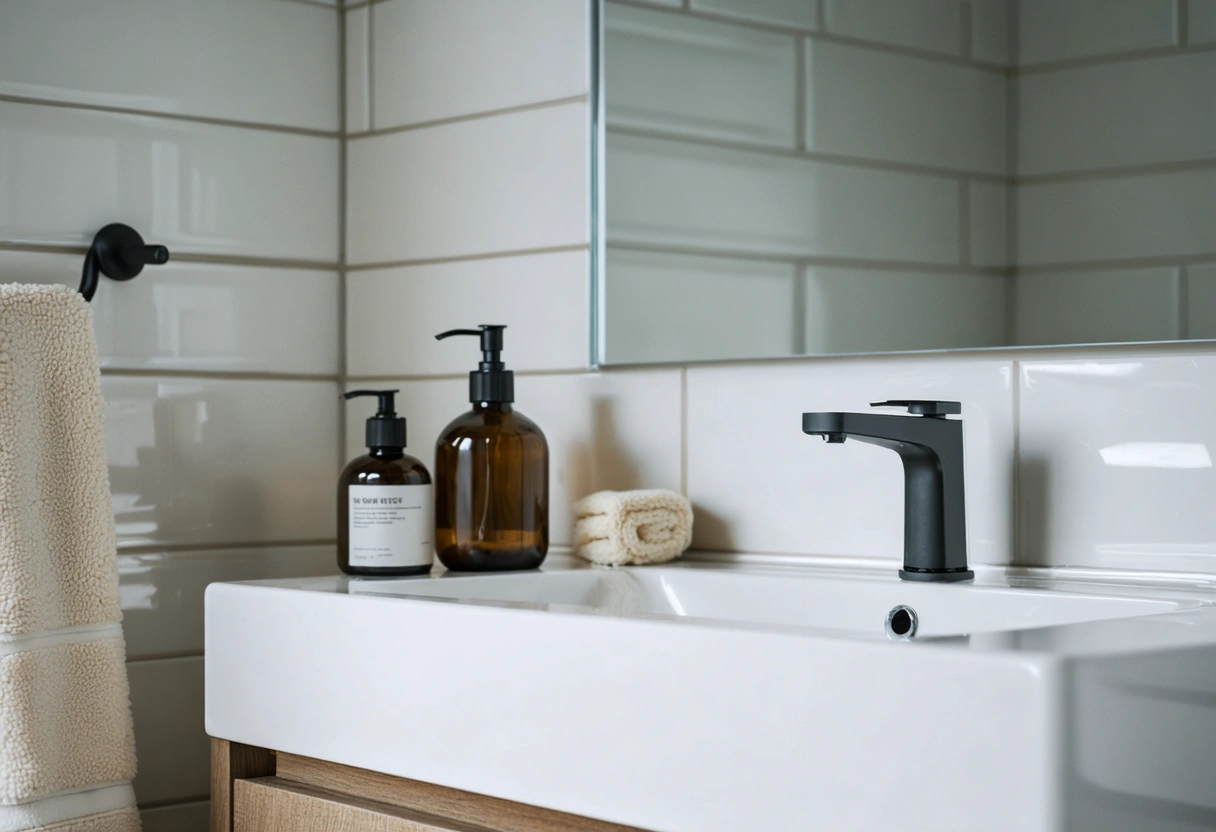
In bathrooms, backsplash texture changes may happen faster because steam and condensation repeatedly contact the surface. A vanity backsplash near a sink may experience water splashes several times a day, especially in households with children or frequent handwashing. If the surface begins to feel slick, chalky, swollen, or uneven, the issue may be more than routine wear.
Odors, Mold, and Mildew Around the Backsplash
A musty smell near a backsplash is one of the most important warning signs of trapped moisture. Mold and mildew often develop in damp, poorly ventilated areas, and the space behind a failing backsplash can provide exactly that environment. Even if you do not see visible growth, a persistent earthy or stale odor near the wall may suggest that moisture is lingering behind the surface.
Visible mold or mildew along grout lines, corners, or the countertop seam should be addressed quickly. Surface mildew can sometimes be cleaned, but growth that returns repeatedly may be fed by moisture inside the joints or behind the backsplash. Black, green, gray, or pink discoloration that keeps coming back after cleaning is a sign that the underlying moisture source has not been resolved.
It is also important to distinguish between simple surface grime and a moisture problem. Cooking oils, soap residue, toothpaste, and food splatter can all collect on backsplash surfaces. However, residue usually improves with cleaning and does not spread from inside joints. Mold related discoloration often appears in lines, corners, or clusters where water is entering or staying trapped.
If mold appears near electrical outlets on a backsplash, the situation deserves extra caution. Moisture and electrical components are a dangerous combination. Do not remove outlet covers or probe the area unless power has been safely shut off and you are qualified to inspect it. Mold near outlets may indicate that moisture has traveled behind the tile and into wall cavities.
Common Causes Behind Backsplash Failure
Understanding why backsplash damage happens can help you prevent repeat problems after repair. One common cause is aging grout or caulk. Over time, grout can absorb stains, develop hairline cracks, and lose density. Caulk can dry out, shrink, or separate from the surfaces it is meant to seal. These materials are not permanent, and they require periodic inspection in wet or splash prone areas.
Improper installation is another frequent cause. If tiles were installed over an unsuitable surface, if the wall was not properly prepared, or if the wrong adhesive was used, the backsplash may fail sooner than expected. Poor spacing, incomplete grout coverage, and unsealed natural stone can also create pathways for water. A backsplash can look attractive at first while still having hidden weaknesses that show up months or years later.
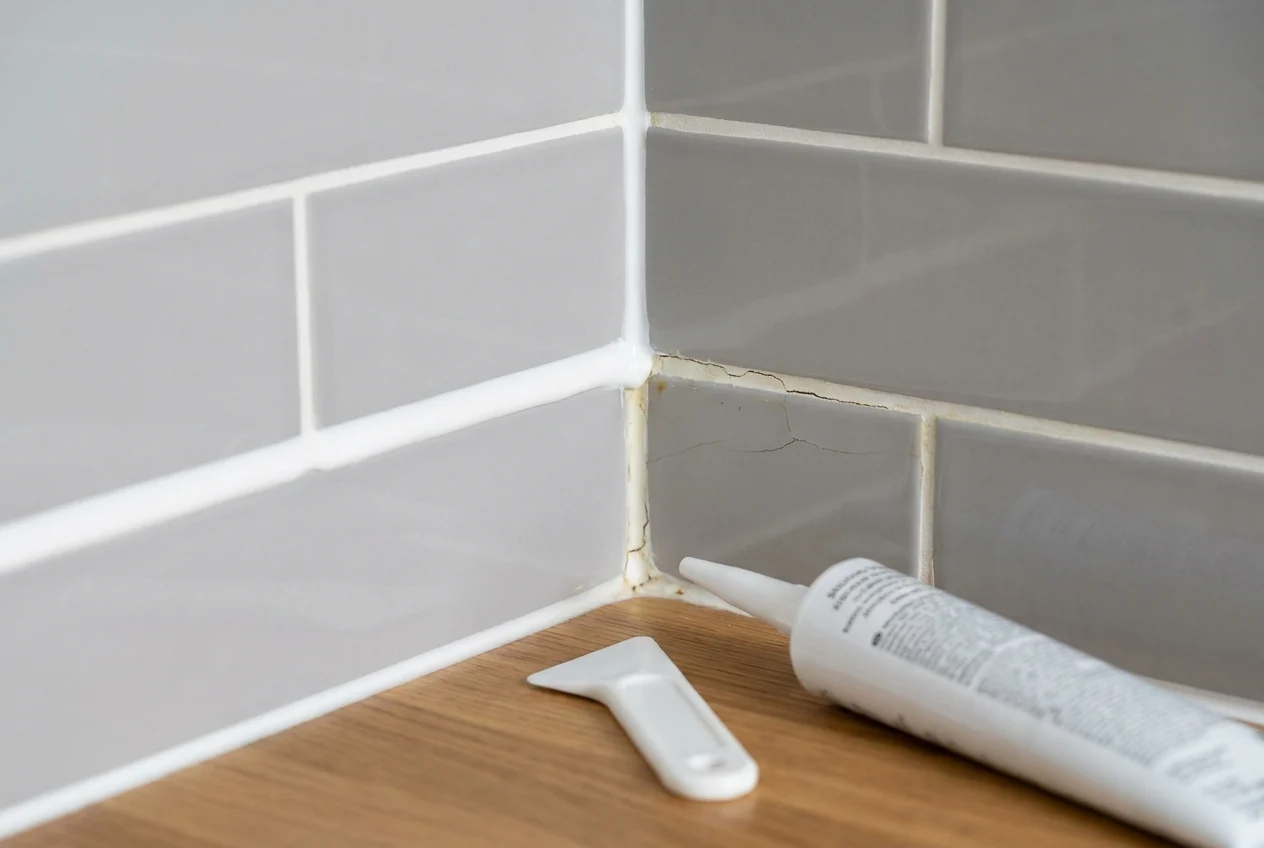
Movement between building materials can also contribute to damage. Countertops, cabinets, walls, and tile can expand, contract, or settle at different rates. This is why the joint between the counter and backsplash should usually be caulked rather than grouted. Grout is rigid and may crack when surfaces move. Flexible caulk is better suited for that transition, but it must remain intact to perform properly.
Daily habits can accelerate wear as well. Leaving standing water along the countertop seam, spraying water directly at the backsplash, using harsh cleaners, or scrubbing grout aggressively can shorten the life of the materials. In kitchens, grease and heat near cooktops can also affect grout and sealants. In bathrooms, constant humidity and poor ventilation can keep the backsplash damp for longer periods.
How to Inspect Your Backsplash Before Damage Spreads
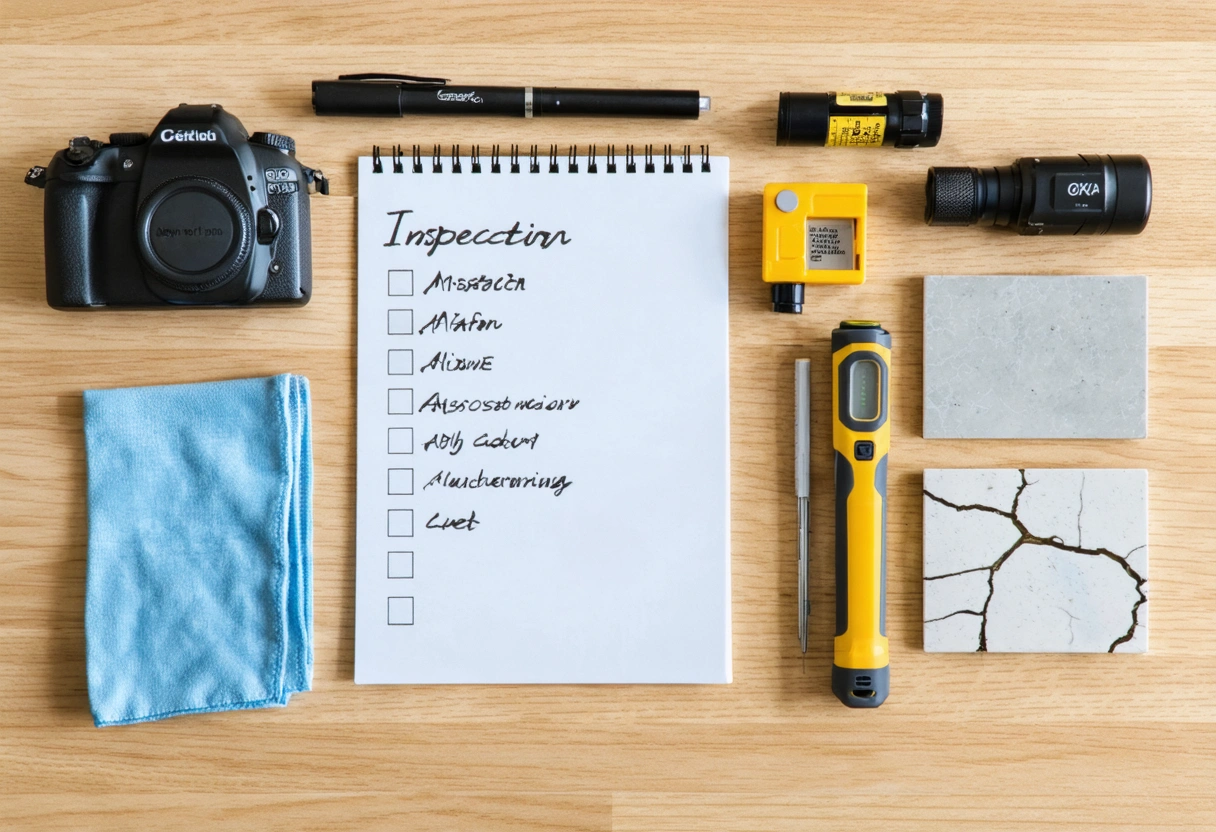
A careful inspection does not require special tools, but it does require patience. Start by cleaning the backsplash so stains, cracks, and gaps are easier to see. Use bright light and examine the grout lines from different angles. Look for thin cracks, missing sections, pinholes, dark patches, or areas where grout appears lower than the surrounding joints.
Next, check the caulked seams. Focus on the line where the backsplash meets the countertop, corners where two walls meet, and edges near sinks or fixtures. Healthy caulk should be continuous, flexible, and firmly bonded to both surfaces.
Tap lightly on tiles with your knuckle or the handle of a small tool. A consistent solid sound usually suggests good adhesion. A hollow or rattling sound may indicate that a tile has separated from the wall.

Finally, inspect nearby materials. Check the countertop edge, cabinet backs, outlet covers, and wall areas adjacent to the backsplash. Swelling cabinet panels, peeling paint, warped trim, or staining near the backsplash may indicate that water has migrated beyond the tile surface.
Repair Options for Different Levels of Backsplash Damage
Minor backsplash issues may be resolved with targeted maintenance. Small grout cracks can sometimes be repaired by removing loose material and applying fresh grout that matches the existing joints.
If one or two tiles are loose but the wall behind them remains firm and dry, a localized repair may be possible. The tile can often be removed, the old adhesive cleaned away, and the piece reset with proper bonding material.
More serious repairs are needed when the backing material is soft, moldy, swollen, or crumbling. In that case, simply regrouting the surface will not solve the problem. Damaged wall material may need to be removed
Need help with Signs Your Backsplash Needs Repair Before Moisture Causes Bigger Problems?