
Understanding the Process: A Step-by-Step Breakdown of Professional Floor Restoration
Floor restoration is a critical process for maintaining the aesthetic and functional qualities of various flooring types. Whether dealing with hardwood, tile, or stone, understanding the intricacies of floor restoration can help homeowners, business owners, and facility managers make informed decisions. This comprehensive guide will delve into the step-by-step process of professional floor restoration, highlighting key considerations to ensure optimal results.
The Importance of Professional Floor Restoration
Floors endure a significant amount of wear and tear daily, leading to scratches, dullness, and other forms of damage. Professional floor restoration not only revitalizes the appearance of floors but also extends their lifespan. Restored floors can transform the ambiance of a space, providing a fresh, polished look that enhances overall aesthetic appeal.
Moreover, professional restoration can address specific issues such as moisture damage, discoloration, and structural weaknesses. Skilled technicians utilize advanced equipment and techniques to tackle these challenges, ensuring that the flooring regains its original splendor and functionality.
Initial Assessment and Inspection
The first step in the floor restoration process is conducting a thorough assessment and inspection. This involves evaluating the type of flooring, the extent of damage, and identifying any underlying issues. Technicians will consider factors such as the age of the floor, previous treatments, and the presence of any structural concerns.
During the assessment, professionals may use tools like moisture meters and surface hardness testers to gather precise data. This information is crucial for developing an effective restoration plan tailored to the specific needs of the flooring. For instance, a moisture meter can help determine whether the flooring has been compromised by water damage, guiding the selection of appropriate restoration methods.
Cleaning and Prepping the Surface
Once the initial inspection is complete, the floor must be thoroughly cleaned and prepared. This step is essential for removing dirt, debris, and any existing coatings that may interfere with the restoration process. The cleaning method will depend on the type of flooring, with some surfaces requiring specialized solutions to avoid damage.
For example, hardwood floors might undergo a process known as “screening,” where a special abrasive pad is used to remove the top layer without affecting the wood beneath. On the other hand, tile or stone floors may require a more intensive cleaning process to eliminate embedded grime and stains. This ensures that the restoration products adhere properly and deliver long-lasting results.
Sanding and Repairing Surface Imperfections
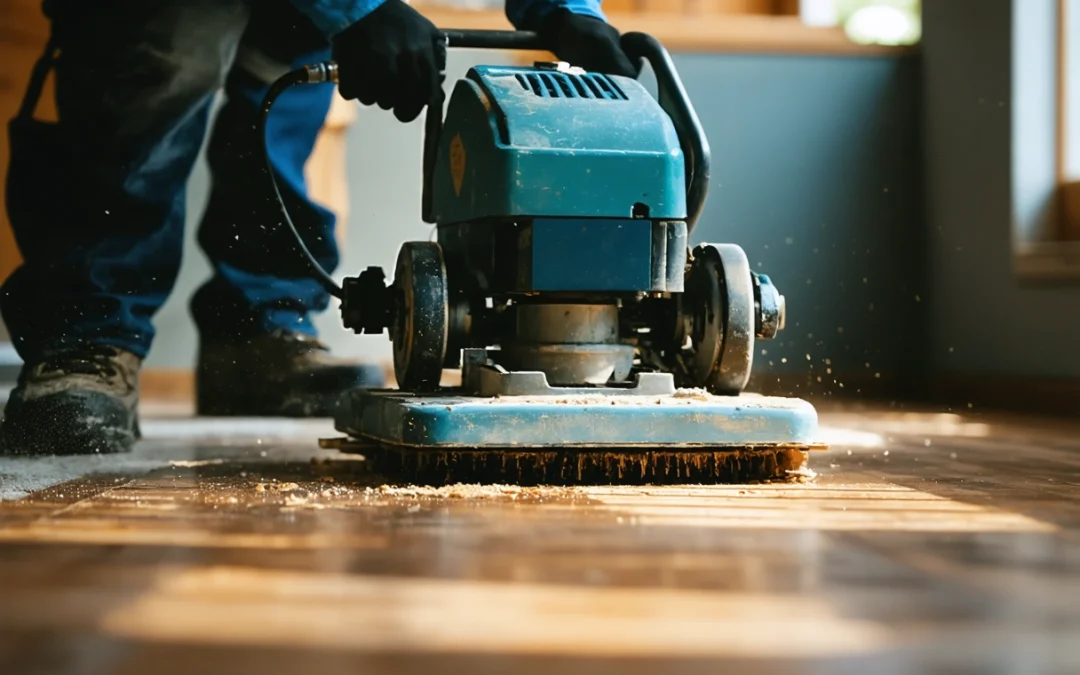
In the case of wooden floors, sanding is a pivotal step in restoration. Sanding helps remove imperfections such as scratches, dents, and old finishes, creating a smooth, even surface ready for refinishing. It’s a meticulous process that requires precision to avoid over-sanding, which can lead to thinning of the wood.
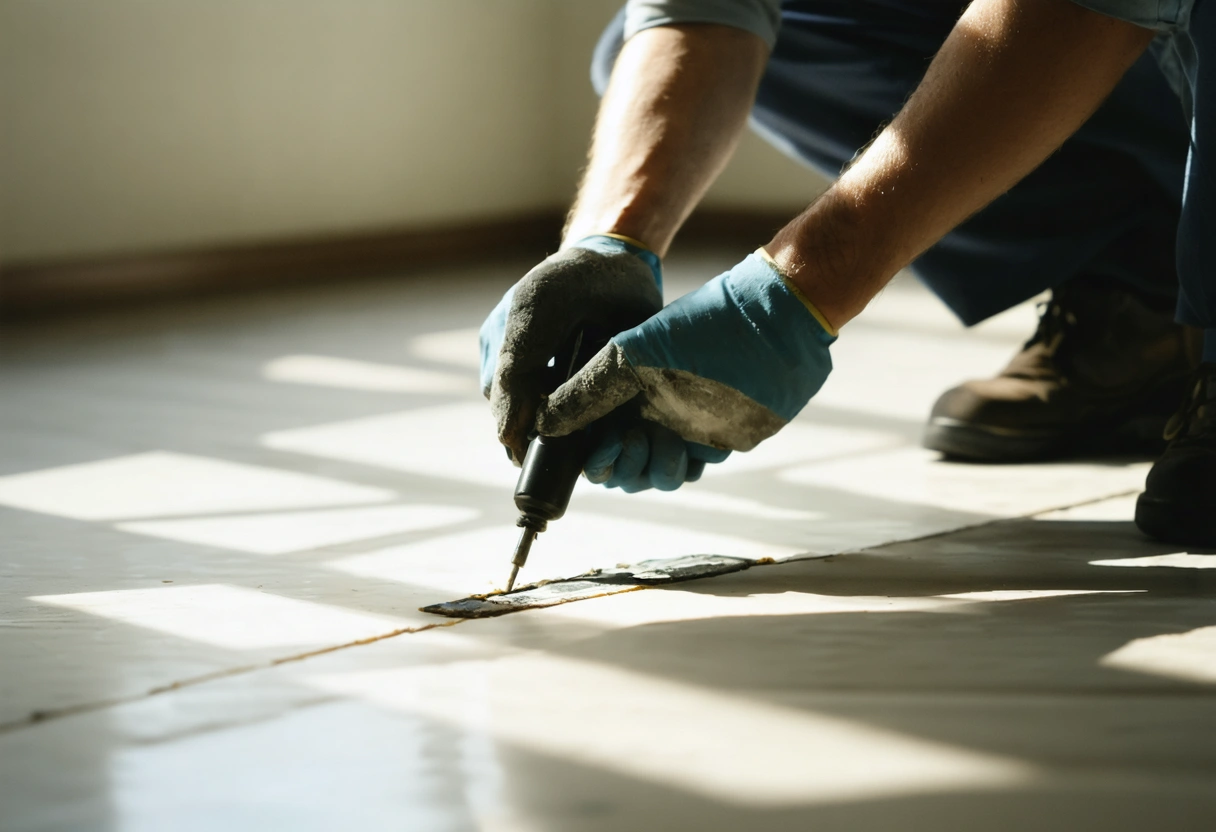
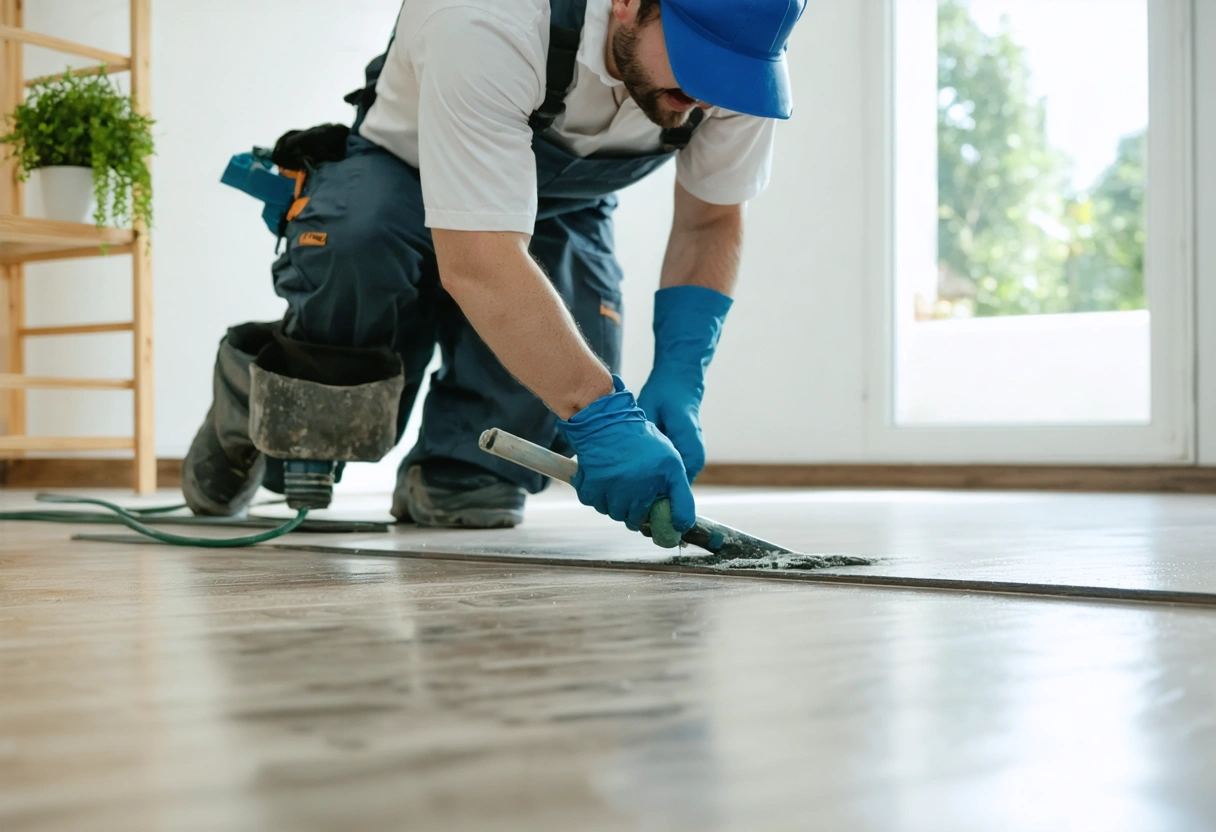
For floors made from other materials, such as tile or stone, technicians focus on repairing chips, cracks, and other visible damages. This may involve filling gaps with specialized compounds or replacing individual tiles. The goal is to restore the surface to its original integrity, ensuring a seamless appearance once the restoration is complete.
Applying Finishes and Sealants
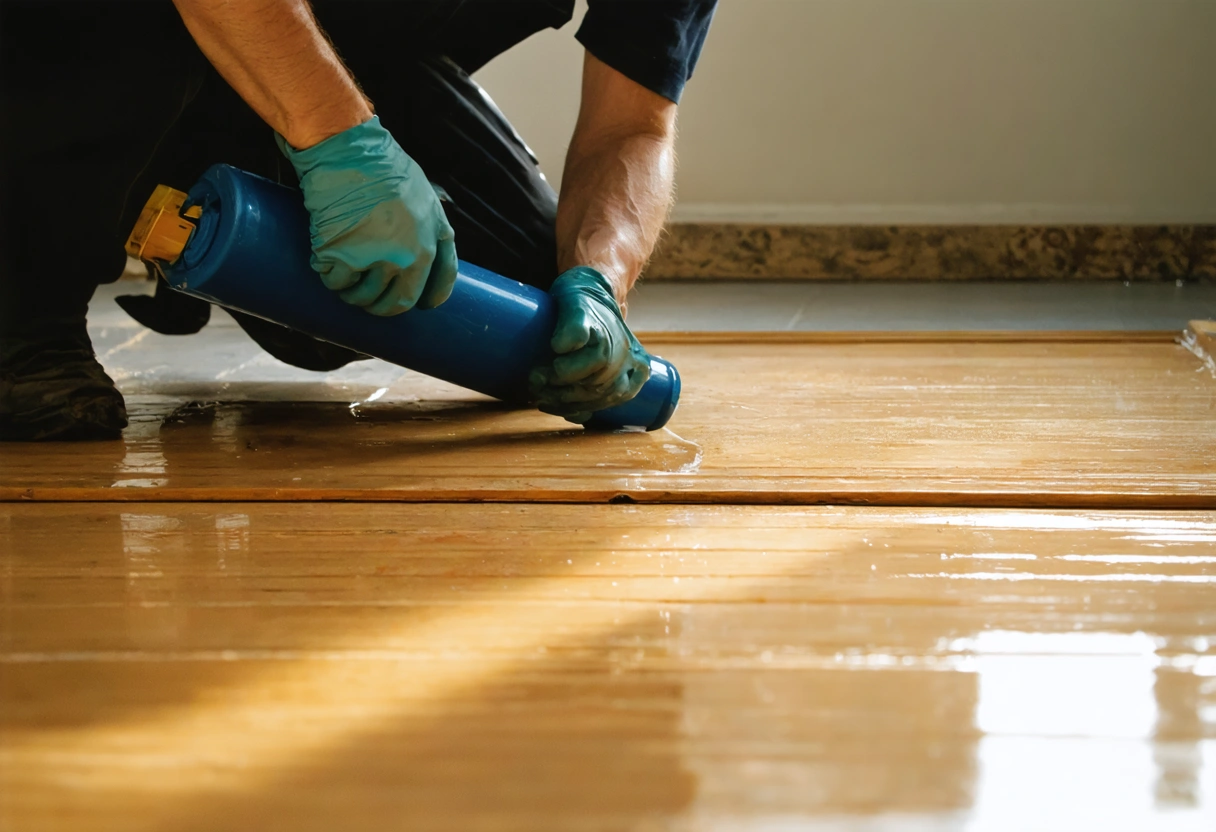
After sanding and repairs, the next step involves applying finishes and sealants. For wooden floors, this typically includes staining the wood to enhance its natural color and applying a protective finish to guard against future wear and tear. Common finishes include oil-based polyurethane, which offers durability and a rich appearance, and water-based finishes, known for their eco-friendly properties and quick drying times.
Tile and stone floors may receive a different type of sealant designed to protect against moisture and stains. These sealants create a barrier that prevents liquids from penetrating the surface, thus preserving the floor’s appearance and integrity over time. Properly applied finishes and sealants are crucial for maintaining the floor’s aesthetic and functional qualities.
Final Buffing and Polishing
The final step in the floor restoration process is buffing and polishing. This step enhances the floor’s shine and ensures an even finish. For wooden floors, a high-speed buffer is used to create a smooth, glossy surface. Tile and stone floors may also undergo polishing to enhance their natural luster and color.
Buffing not only adds to the visual appeal of the floor but also extends the life of the finish or sealant. It helps in distributing the finish evenly and can rectify minor surface imperfections that may have occurred during the restoration process. For further insights on the benefits of polishing, refer to this comprehensive guide.
Maintenance Tips for Restored Floors
After the restoration process, maintaining the floor’s condition is vital. Regular cleaning with appropriate products can prevent dirt and grime build-up, while using furniture pads can minimize scratches. It’s also crucial to address spills promptly to prevent staining, especially on porous surfaces like stone.
Periodic professional maintenance can further extend the life of the restoration work. Experts recommend scheduling annual inspections to assess the condition of the floor and perform any necessary touch-ups. This proactive approach ensures that your floors remain in pristine condition for years to come. For more tips on maintaining hardwood floors after restoration, check out this detailed article.

Choosing the Right Professionals
The success of a floor restoration project heavily relies on the expertise of the professionals involved. When selecting a restoration service, consider their experience, reputation, and the range of services they offer. It’s beneficial to choose professionals who specialize in the specific type of flooring you have, as they will be more knowledgeable about the best techniques and products to use.
Requesting references and reviewing past projects can provide insight into the quality of their work. Additionally, ensure that they are licensed and insured, which offers protection against potential damages during the restoration process. For guidance on selecting the right floor restoration service, consult this helpful resource.
Takeaways
Professional floor restoration is a multifaceted process that, when executed correctly, can significantly enhance the beauty and durability of your floors. From the initial assessment to the final polish, each step requires careful attention and expertise. By understanding the restoration process, homeowners and businesses can make informed decisions that preserve their flooring investment for years to come.
Investing in professional floor restoration not only restores the visual appeal of your interiors but also contributes to the overall value and functionality of your space. With the right maintenance and care, restored floors can continue to impress and perform, standing up to the demands of everyday life.
Environmental Considerations in Floor Restoration
As awareness of environmental issues grows, many homeowners and businesses are considering the ecological impact of their choices, including floor restoration. Opting for environmentally friendly products and techniques can significantly reduce the carbon footprint of a restoration project. This includes using low-VOC (volatile organic compounds) finishes and sealants, which are less harmful to indoor air quality and the environment.
Additionally, some restoration companies prioritize sustainable practices by using recycled materials and energy-efficient equipment. These eco-conscious approaches not only benefit the planet but can also appeal to environmentally-minded property owners looking to align their home improvements with their values. For more on the benefits of using low-VOC products, you can explore this in-depth analysis.
Cost Factors and Budget Considerations
Understanding the cost factors involved in floor restoration is crucial for budgeting effectively. Several variables can influence the overall expense, including the type of flooring, the extent of damage, and the specific restoration methods required. Generally, more complex projects that involve extensive repairs or high-end finishes will incur higher costs.
It’s advisable to obtain multiple quotes from reputable restoration services to compare prices and services offered. Some companies may provide package deals or discounts for larger projects, which can help in managing expenses. A detailed estimate will typically break down the costs of materials, labor, and any additional services, giving you a clear picture of the financial commitment involved.
Trends in Floor Restoration
Floor restoration is not only about returning a surface to its former glory; it’s also an opportunity to incorporate current trends and innovations. Recently, there has been a growing interest in customizable finishes that allow for a more personalized aesthetic. From unique stains that highlight the natural grain of wood to metallic and high-gloss finishes for tiles, these options offer a modern touch to traditional restoration processes.
Another emerging trend is the integration of smart technology in floor maintenance. Some advanced flooring systems now feature sensors that monitor wear and alert owners when restoration or maintenance is needed. This proactive approach ensures timely interventions, preserving the floor’s condition and performance. For more about smart flooring technology, this informative piece offers a glimpse into the future of flooring innovations.
Case Studies: Real-Life Floor Restoration Success Stories
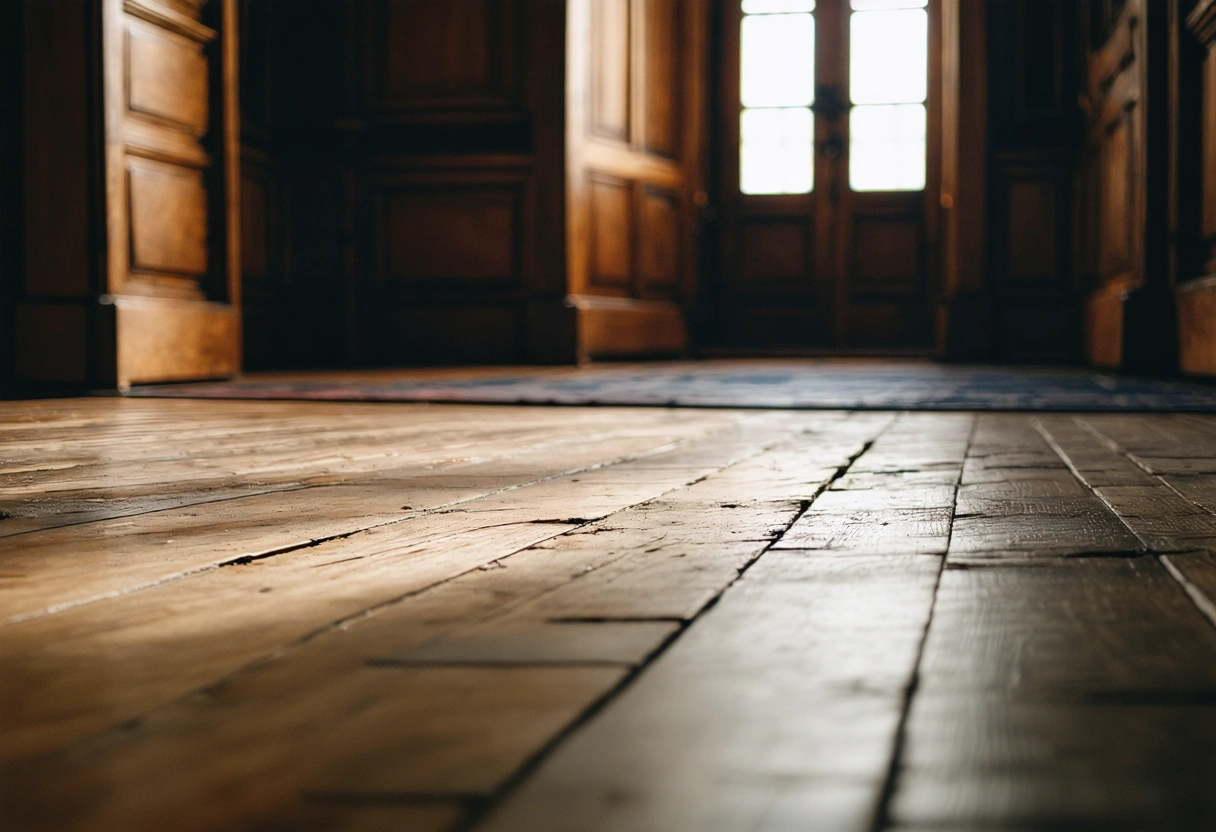
Examining real-life case studies can provide valuable insights into the floor restoration process and its transformative impact. For instance, a historic home with century-old hardwood floors may require a delicate approach to preserve its character while addressing the challenges of age-related wear. In such cases, restoration experts might use a combination of gentle sanding, bespoke stains, and careful repairs to maintain the historical integrity of the floors.
Commercial spaces, such as restaurants or retail stores, often face distinct challenges due to heavy foot traffic and the need for durable, easy-to-clean surfaces. A successful restoration might involve high-performance sealants and finishes that withstand daily use while enhancing the overall aesthetic of the business environment.
The Long-Term Benefits of Floor Restoration
Investing in professional floor restoration delivers long-term benefits that extend beyond immediate aesthetic improvements. Restored floors can enhance property value, making them an attractive feature for potential buyers or tenants. Well-maintained floors also contribute to a healthier indoor environment by reducing allergens and improving air quality.
Moreover, regular restoration and maintenance can prevent costly replacements, ultimately saving money and resources in the long run. By understanding the full spectrum of benefits associated with floor restoration, property owners can make informed decisions that align with their financial, aesthetic, and environmental goals.
In conclusion, professional floor restoration is a multifaceted process that offers numerous advantages, from enhancing beauty and durability to supporting sustainability and innovation. By comprehensively understanding each step and considering all relevant factors, homeowners and businesses can effectively navigate the restoration journey and enjoy the enduring benefits of beautifully restored floors.
Need help with Understanding the Process: A Step-by-Step Breakdown of Professional Floor Restoration?