
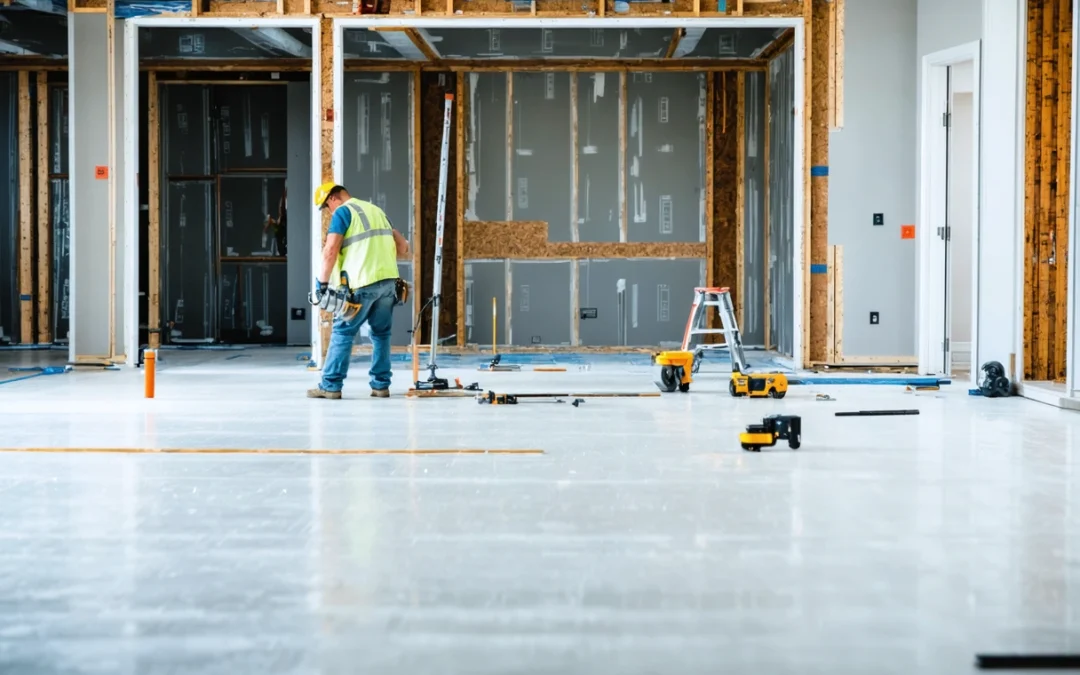
New construction projects often look flawless at first glance, but the long-term performance of floors, walls, concrete, tile, cabinetry, and exterior finishes depends on what happens before the final walkthrough. Surface preparation, installation timing, material compatibility, and environmental conditions all play a major role in whether a finished space stays durable or starts showing premature wear.
Many costly repairs begin with small surface-related oversights that are easy to miss during a busy build schedule. Understanding these early mistakes helps builders, project managers, and property owners protect the investment, reduce callbacks, and create a stronger finished result from the start.
Why Surface Quality Matters Before the Final Finish
Surface quality is not just about appearance. It affects adhesion, moisture resistance, structural performance, and the lifespan of many finish materials. When substrates are uneven, dusty, damp, contaminated, or improperly cured, the materials installed over them may fail long before they should.
For example, paint can peel, flooring can lift, tile can crack, sealants can separate, and coatings can bubble when the surface beneath them was not properly prepared. These problems may not become obvious until months after occupancy, when repairs are more disruptive and expensive.
The Hidden Cost of Rushing Surface Preparation
Construction schedules often place pressure on crews to move quickly from one phase to the next. However, skipping cleaning, sanding, leveling, priming, drying, or moisture testing can create hidden defects beneath polished finishes. Once cabinets, flooring, fixtures, or trim are installed, correcting those defects often requires removal and replacement of multiple completed layers.
A rushed surface may pass a quick visual inspection, but long-term performance depends on details that are not always visible. Proper preparation gives finish materials the stable foundation they need to bond correctly, cure evenly, and withstand normal building movement and daily use.
Moisture Problems That Start During Construction
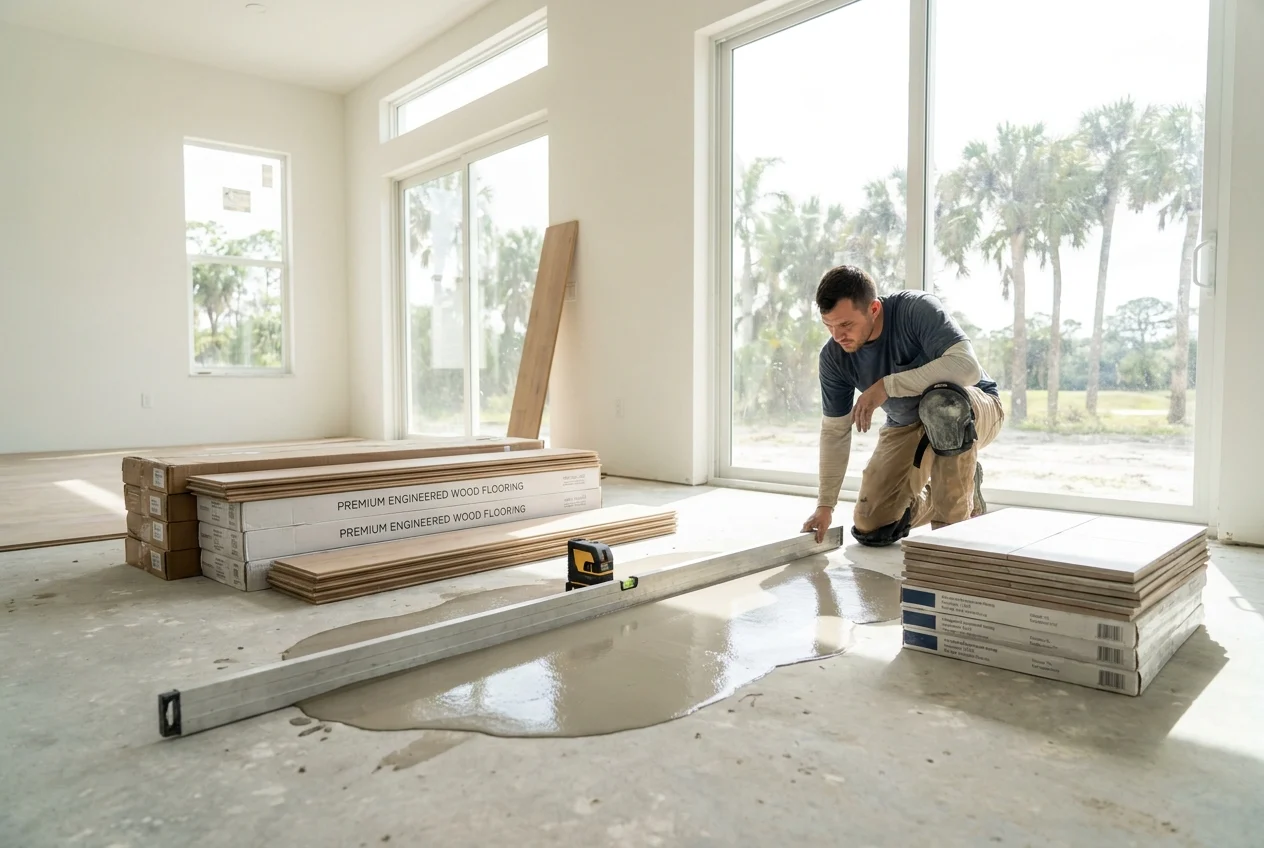
Moisture is one of the most common causes of surface failure in new construction. Fresh concrete, drywall compound, framing lumber, adhesives, and interior finishes all contain or react to moisture in different ways. If materials are installed before the building is properly dried in or before substrates reach acceptable moisture levels, problems can develop behind the finished surface.
Trapped moisture can lead to warped flooring, blistered paint, mold growth, swollen trim, loose tile, and coating failure. These issues are especially common when climate control is not active, ventilation is limited, or wet trades overlap too closely with finish installation.
Concrete Slabs and Flooring Failures
New concrete slabs need adequate time and the right conditions to release moisture before many floor coverings are installed. Installing vinyl, wood, laminate, carpet, or resinous coatings over a slab with excessive moisture can cause adhesive breakdown, cupping, bubbling, staining, and unpleasant odors.
Moisture testing is an important step because a slab can look dry on the surface while still holding moisture internally. Without testing and documentation, flooring problems may appear after the space is occupied, creating disputes over responsibility and adding significant repair costs.
Poor Substrate Preparation Before Paint and Coatings
Paint, sealers, stains, and specialty coatings rely on a clean and stable surface. When drywall dust, sawdust, curing compounds, oils, overspray, or construction residue remain on a surface, coatings may not bond evenly. The finish might look acceptable at first, but peeling, flaking, bubbling, flashing, or uneven sheen can appear after the building is in use.
New construction environments create a lot of fine dust that settles on walls, trim, doors, concrete, and millwork. If surfaces are not properly vacuumed, wiped, sanded, and primed before finish coats are applied, that dust can act as a bond breaker. This is especially problematic on glossy trim, metal surfaces, concrete floors, and previously primed materials that have been exposed to jobsite contamination.
Skipping Primer or Using the Wrong Primer
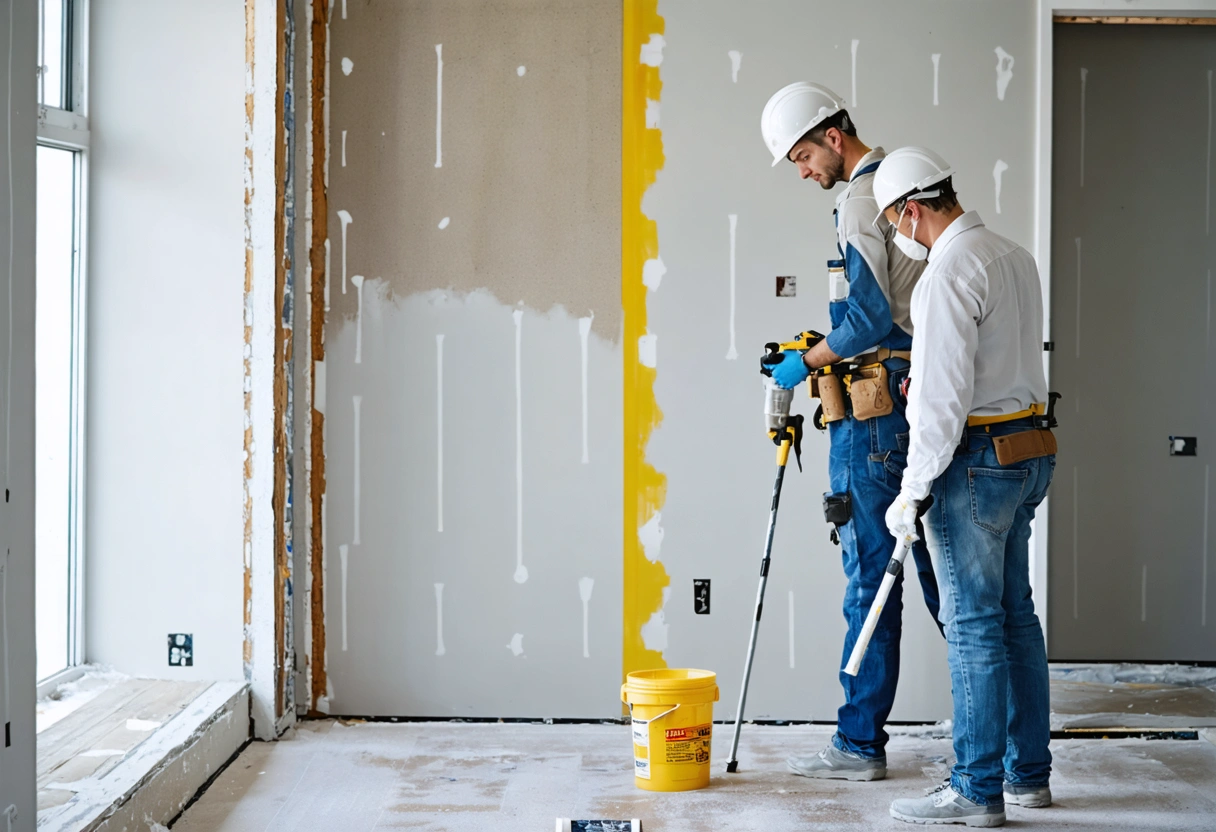
Primer is often treated as optional, but it is essential for many new construction surfaces. New drywall, patched areas, raw wood, masonry, metal, and stain-prone substrates all require the correct primer to seal porosity, improve adhesion, and create a consistent base for the finish coat.
Using the wrong primer can be just as damaging as using none at all. A general-purpose wall primer may not block tannin bleed from wood, bond properly to metal, or handle alkaline conditions on masonry. When primer selection does not match the surface, stains can bleed through, paint can peel, and color or sheen may appear inconsistent across the finished area.
Painting Before Drywall Compound Is Fully Dry
Drywall finishing compounds need sufficient drying time before sanding, priming, and painting. If paint is applied too soon, moisture trapped in the compound can affect adhesion and create visible imperfections. Joint lines, patches, and fastener spots may telegraph through the paint, especially under strong lighting.
Humidity, temperature, compound thickness, and airflow all influence drying time. In new construction, enclosed spaces without stable climate control can slow this process significantly. Rushing the paint schedule may save a day during construction but lead to widespread touchups or full repainting later.
Uneven Floors and Walls That Affect Finished Materials
Many finish failures begin with surfaces that are not flat, level, plumb, or properly aligned. Flooring, tile, cabinets, countertops, doors, and trim all depend on accurate substrate conditions. Small variations can become highly visible once finished materials are installed.
An uneven floor can cause luxury vinyl planks to separate, hardwood to flex, tile to crack, and cabinets to sit out of level. Walls that are bowed or out of square can create gaps at countertops, uneven backsplashes, poor trim fit, and doors that do not operate correctly. These problems often require labor-intensive corrections after finish work is already complete.
Floor Flatness Issues Under Hard Surface Flooring
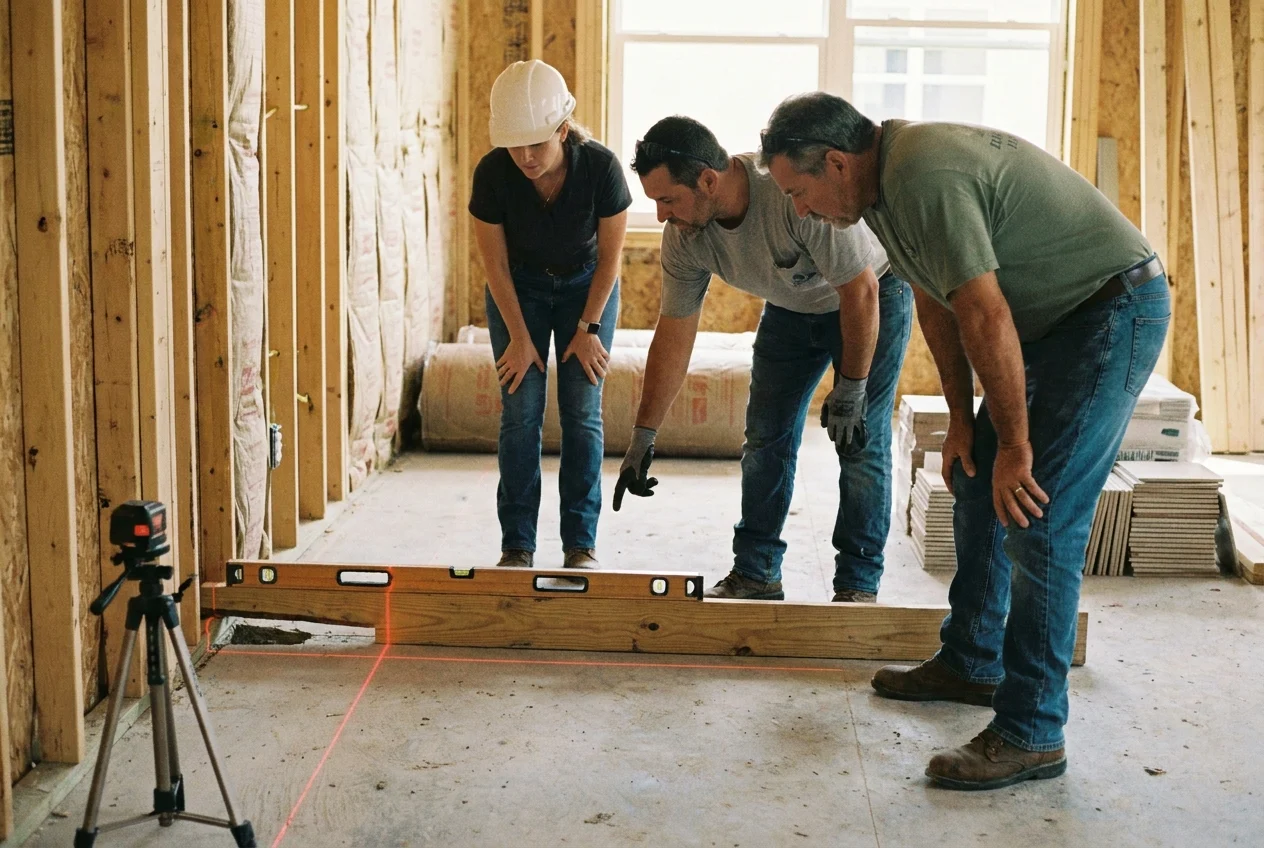
Hard surface flooring products usually have specific flatness requirements. If high spots are not ground down or low spots are not filled with the correct leveling compound, the finished floor may move, bounce, gap, or wear unevenly. Floating floors are especially sensitive to dips and humps because movement beneath the planks can damage locking systems over time.
Self-leveling underlayment can help correct slab irregularities, but it must be installed over a clean, properly primed substrate. Pouring leveling material over dust, paint overspray, adhesive residue, or uncured concrete can cause debonding and cracking. The result is a weak layer beneath the flooring that can fail under normal foot traffic.
Wall Irregularities Behind Tile, Cabinets, and Millwork
Tile and cabinetry installations reveal wall imperfections quickly. A wavy wall behind tile can cause lippage, uneven grout joints, and weak bond coverage. Cabinets installed against uneven walls may require excessive shimming, leaving gaps that are difficult to conceal. Countertops may not sit properly if base cabinets are out of plane due to wall or floor irregularities.
Correcting these issues before finishes are installed is usually straightforward compared with repairing them afterward. Proper framing checks, drywall finishing, substrate flattening, and layout review can prevent expensive rework and improve the final appearance of high-visibility spaces such as kitchens, bathrooms, lobbies, and retail interiors.
Incorrect Curing Times for Concrete, Mortar, and Adhesives
Curing is a performance requirement, not simply a waiting period. Concrete, mortar, grout, patching compounds, adhesives, and coatings need time under suitable conditions to develop strength and stability. When these materials are covered, loaded, sealed, or exposed to traffic too soon, the surface system may not reach its intended durability.
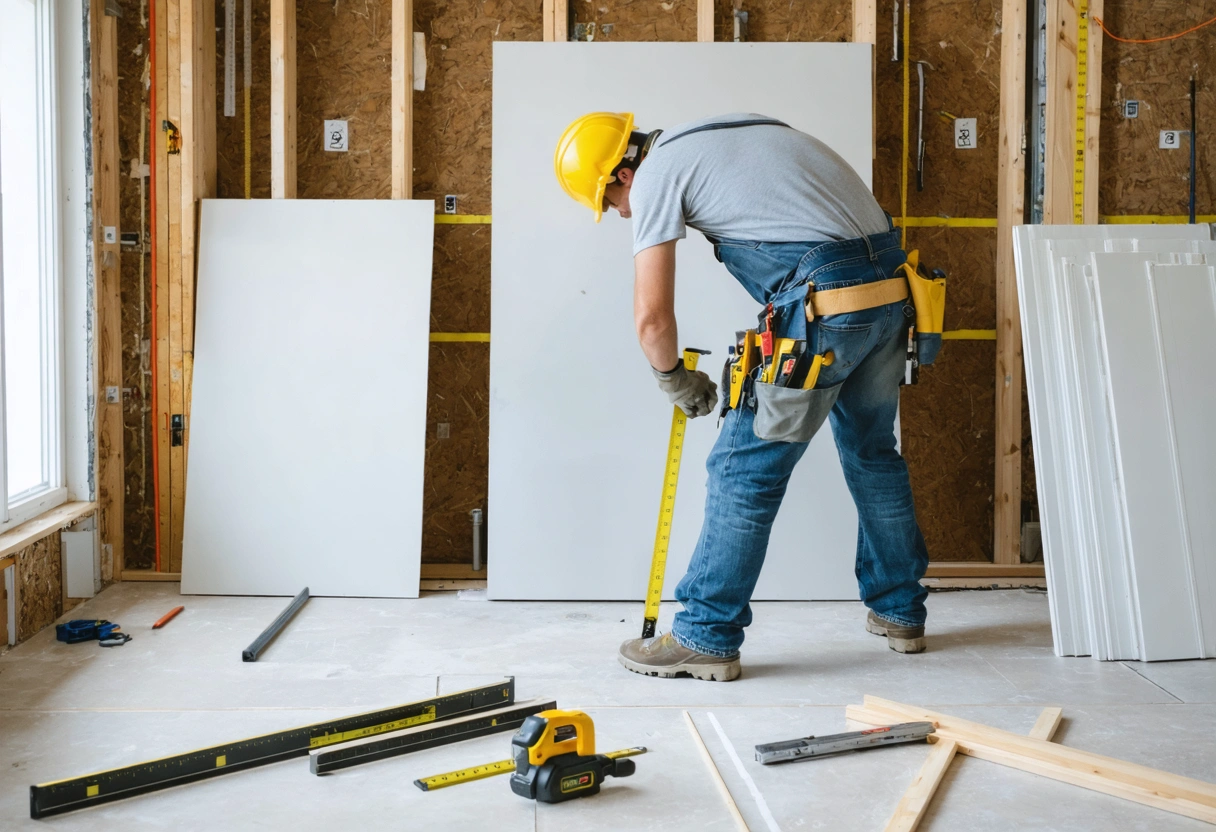
Premature installation over curing materials can trap moisture, interfere with chemical reactions, or weaken bond strength. In new construction, this often happens when trades are scheduled too tightly and one crew begins work before the previous material has fully cured.
Sealing Concrete Too Early
Concrete sealers and coatings must be applied at the right time and under the right conditions. Applying a sealer before the slab is ready can trap moisture and cause whitening, cloudiness, bubbling, or peeling. Decorative concrete finishes are especially vulnerable because moisture-related defects can affect both appearance and performance.
Surface profile also matters. A concrete surface that is too smooth may not allow coatings to grip, while a surface contaminated with curing compounds or laitance can prevent proper bonding. Proper cleaning, profiling, and moisture evaluation help ensure that the coating system performs as intended.
Grout and Mortar Disturbance
Tile assemblies rely on mortar and grout curing correctly. Walking on tile too soon, grouting before mortar has set, or exposing fresh grout to excessive moisture can weaken the installation. Over time, this can lead to loose tiles, cracked grout, hollow sounds, and water intrusion.
Large format tile requires particular attention because it often needs specialized mortar, proper trowel technique, and adequate cure time. If the substrate is uneven or the mortar does not achieve proper coverage, the tile may crack under load even when the surface initially appears well installed.
Contamination From Other Trades
New construction sites involve many trades working in close sequence, and surface contamination can happen quickly. Paint overspray, drywall dust, joint compound residue, silicone smears, oil, grease, marker stains, adhesive drips, and cleaning chemicals can all interfere with later finishes.
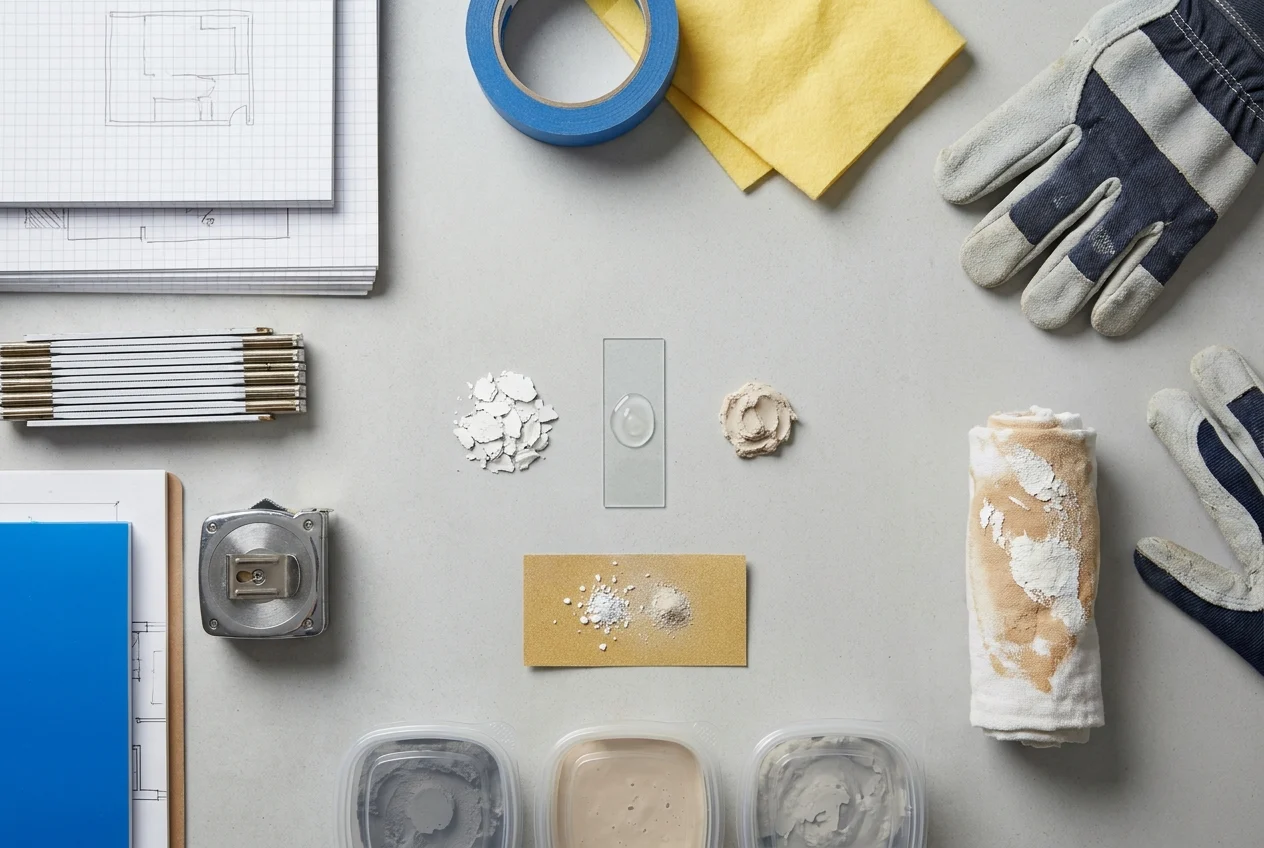
These contaminants are not always visible after basic sweeping or wiping. Some leave a thin film that prevents adhesives, caulks, stains, or coatings from bonding properly. Others can stain porous materials such as stone, concrete, grout, wood, or unfinished trim.
Overspray on Concrete, Glass, Metal, and Flooring Substrates
Paint and texture overspray can create serious problems when it lands on surfaces scheduled to receive flooring, coatings, sealants, or other finishes. On concrete, overspray can prevent adhesives and floor coatings from bonding. On glass and metal, it can be difficult to remove without scratching or damaging factory finishes.
Protection and sequencing are essential. Masking finished surfaces, controlling spray zones, and cleaning contamination immediately can prevent costly removal work. Once overspray cures, removal may require scraping, solvents, grinding, or replacement, depending on the affected material.
Silicone and Release Agents That Prevent Bonding
Silicone residue, form release agents, oils, and certain cleaners can create invisible bond failures. Caulk, paint, sealers, and adhesives may pull away from these areas because they cannot properly wet or grip the surface. This is common around windows, doors, countertops, bathroom fixtures, and concrete forming areas.
Using compatible products and cleaning methods is important. A surface that has been wiped with the wrong cleaner may appear ready but still contain residue that affects the next material.
Need help with Common New Construction Surface Mistakes That Lead to Costly Repairs Later?