
How Paver Sealing Protects Your Outdoor Spaces: Costs, Benefits, and Best Practices
Creating a beautiful outdoor space is an investment that not only enhances the aesthetic appeal of your property but also increases its value. Whether you have a patio, driveway, or walkway, pavers are a popular choice for such projects due to their durability and visual appeal. However, to maintain their pristine condition and extend their lifespan, paver sealing is essential. This blog post will delve into how paver sealing protects your outdoor spaces, explore the associated costs and benefits, and provide best practices for ensuring optimal results.
The Importance of Paver Sealing
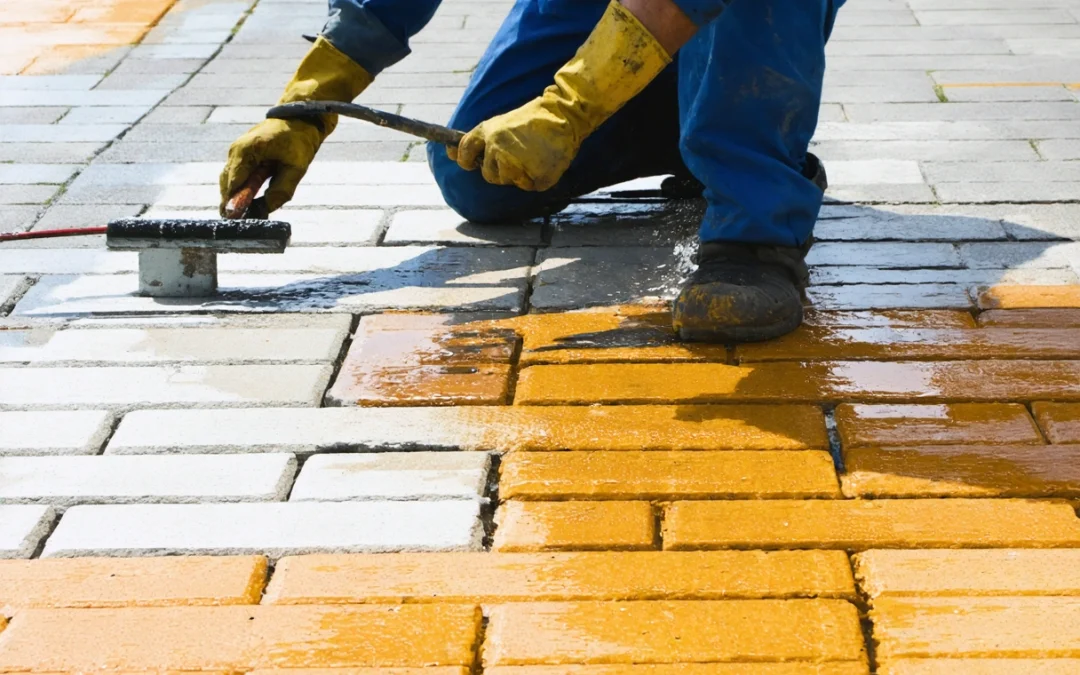
Paver sealing is a process that involves applying a protective layer over the surface of pavers. This layer acts as a barrier against various elements that can cause harm, such as UV rays, water, dirt, and chemicals. Unsealed pavers are susceptible to fading, staining, and even structural damage over time. By sealing your pavers, you can prevent these issues and maintain the beauty of your outdoor spaces.
One of the primary threats to unsealed pavers is the sun’s UV rays, which can lead to fading and discoloration. Additionally, water can seep into the pores of the pavers, causing erosion and weakening the structure. Sealing pavers creates a waterproof barrier that prevents water penetration, thereby protecting the integrity of the surface. Furthermore, the sealant helps to resist stains from oil, grease, and other substances, making maintenance easier and preserving the original color of the pavers.
Cost Considerations of Paver Sealing
When it comes to paver sealing, understanding the costs involved is crucial for making an informed decision. The cost of sealing pavers depends on several factors, including the size of the area, the type of pavers, the quality of the sealant, and whether you choose to hire a professional or opt for a DIY approach.
On average, professional paver sealing services can range from $1 to $3 per square foot. This cost typically includes cleaning, preparation, and the application of the sealant. For a DIY project, you may need to invest in cleaning supplies, a suitable sealant, and necessary tools. While DIY can save money, hiring professionals ensures a thorough job and may be more cost-effective in the long run due to their expertise and high-quality products.
Benefits of Sealing Pavers
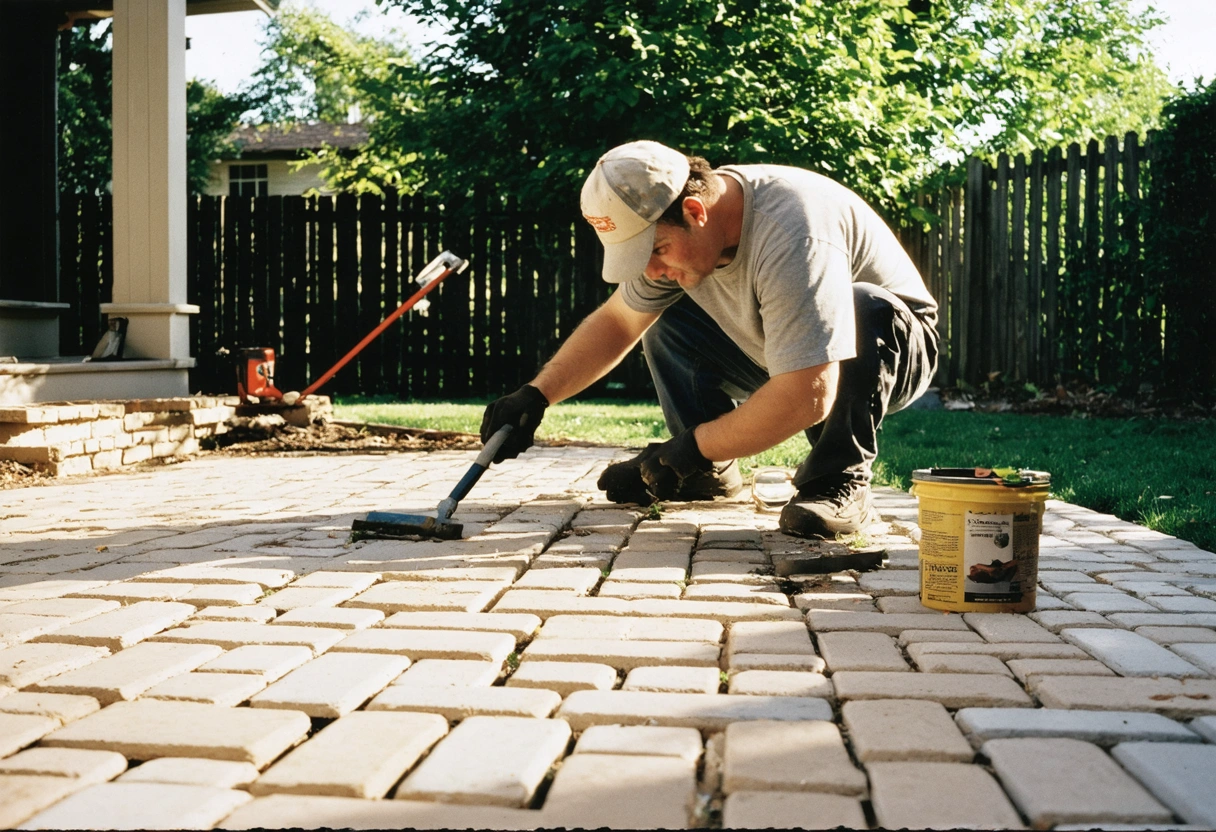
Sealing pavers offers numerous benefits that go beyond mere protection. Not only does it enhance the appearance of your outdoor spaces, but it also contributes to the longevity and functionality of the pavers. Here are some key advantages:
- Enhanced Appearance: A sealed surface looks clean, vibrant, and well-maintained. The sealant adds a subtle sheen that can highlight the natural colors and textures of the pavers, enhancing the overall aesthetic appeal of your outdoor space.
- Increased Durability: By protecting against wear and tear, sealing extends the lifespan of the pavers. This means fewer repairs and replacements, saving you money in the long term.
- Easy Maintenance: With a sealed surface, pavers are easier to clean and maintain. The sealant repels dirt, grime, and spills, making routine maintenance a breeze. Regular sweeping and occasional washing are usually sufficient to keep the surface looking its best.
- Value Addition: Sealed pavers can increase the value of your property. A well-maintained outdoor area is a significant selling point and can attract potential buyers, should you decide to sell your property in the future.
Best Practices for Paver Sealing
To ensure that your paver sealing project is successful, it’s essential to follow best practices. Proper preparation, application, and maintenance are key to achieving optimal results. Below are some expert tips:
Preparation
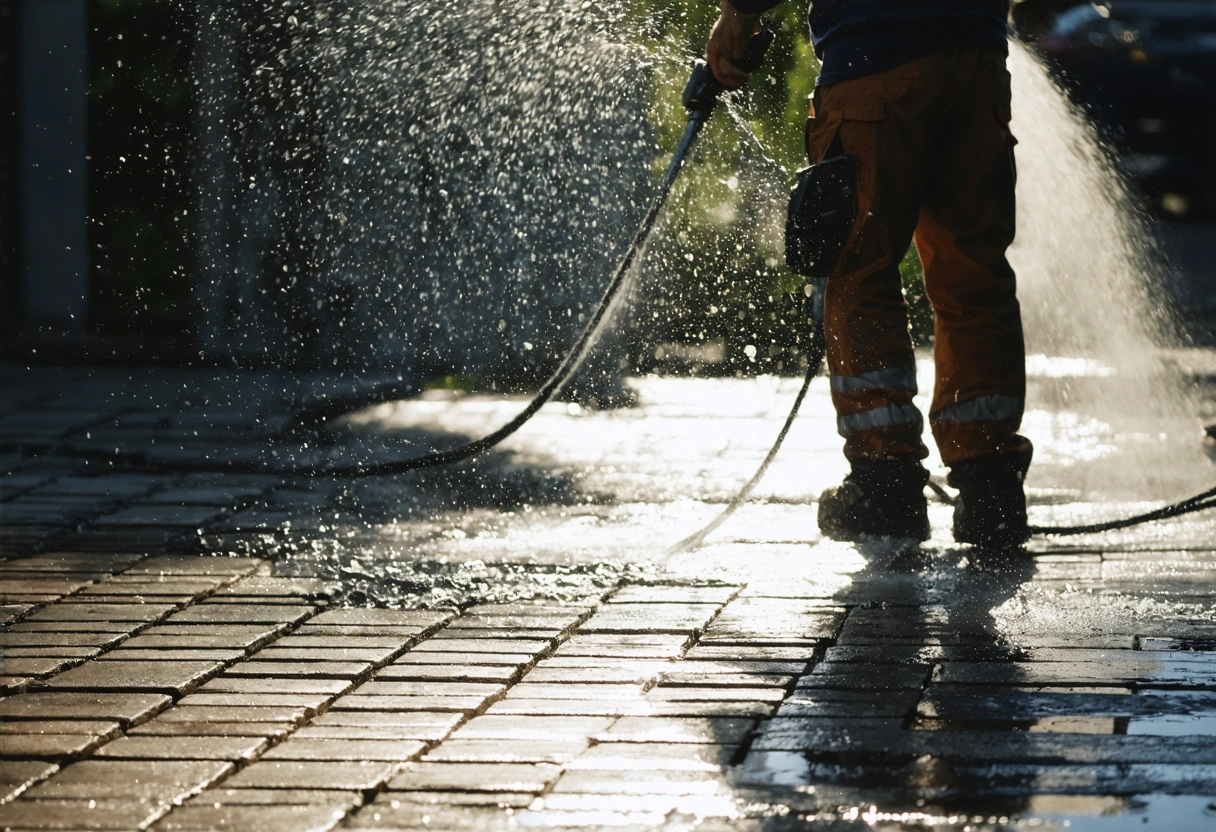
Before applying a sealant, the pavers must be thoroughly cleaned. Any dirt, grime, or stains should be removed to ensure that the sealant adheres properly. Pressure washing the area can effectively eliminate surface contaminants. Once cleaned, allow the pavers to dry completely before proceeding with the sealing process. Moisture trapped beneath the sealant can lead to a cloudy finish or adhesion issues.
Application
When applying the sealant, it’s crucial to follow the manufacturer’s instructions carefully. Use a quality sealant suitable for the type of paver you have. Application methods can vary, but using a sprayer or roller generally provides even coverage. Ensure that the entire surface is covered, paying special attention to the edges and corners. Multiple thin coats are often more effective than a single thick one, allowing for better penetration and adhesion.
Maintenance
After sealing, regular maintenance is essential to keep the pavers in top condition. Sweep the area regularly to remove debris and rinse off any spills promptly. While the sealant provides protection, it’s not invincible. Avoid using harsh chemicals or high-pressure washing, as these can degrade the sealant over time. Re-sealing every 2-3 years is recommended to maintain the protective barrier and aesthetic appeal of the pavers.
Choosing the Right Sealant
Selecting the right sealant is crucial for the success of your project. Sealants come in various formulations, such as water-based and solvent-based, each with its own advantages. Water-based sealants are eco-friendly and emit fewer fumes, making them a popular choice for residential areas. Solvent-based sealants, on the other hand, offer superior durability and are better suited for high-traffic areas.
Consider the appearance you desire for your pavers. Some sealants are designed to enhance the color and provide a glossy finish, while others offer a natural look with a matte finish. Always test a small area before applying the sealant to the entire surface to ensure it meets your expectations.
Environmental Considerations
When sealing pavers, it’s important to consider the environmental impact of the products you use. Opt for eco-friendly sealants that are low in volatile organic compounds (VOCs) to minimize air pollution and health risks. Additionally, proper disposal of any leftover sealant is crucial to prevent environmental contamination.
Sealing your pavers not only protects them but also contributes to sustainable landscaping practices. By extending the lifespan of your outdoor surfaces, you reduce the need for frequent replacements, conserving resources and minimizing waste.
Takeaways
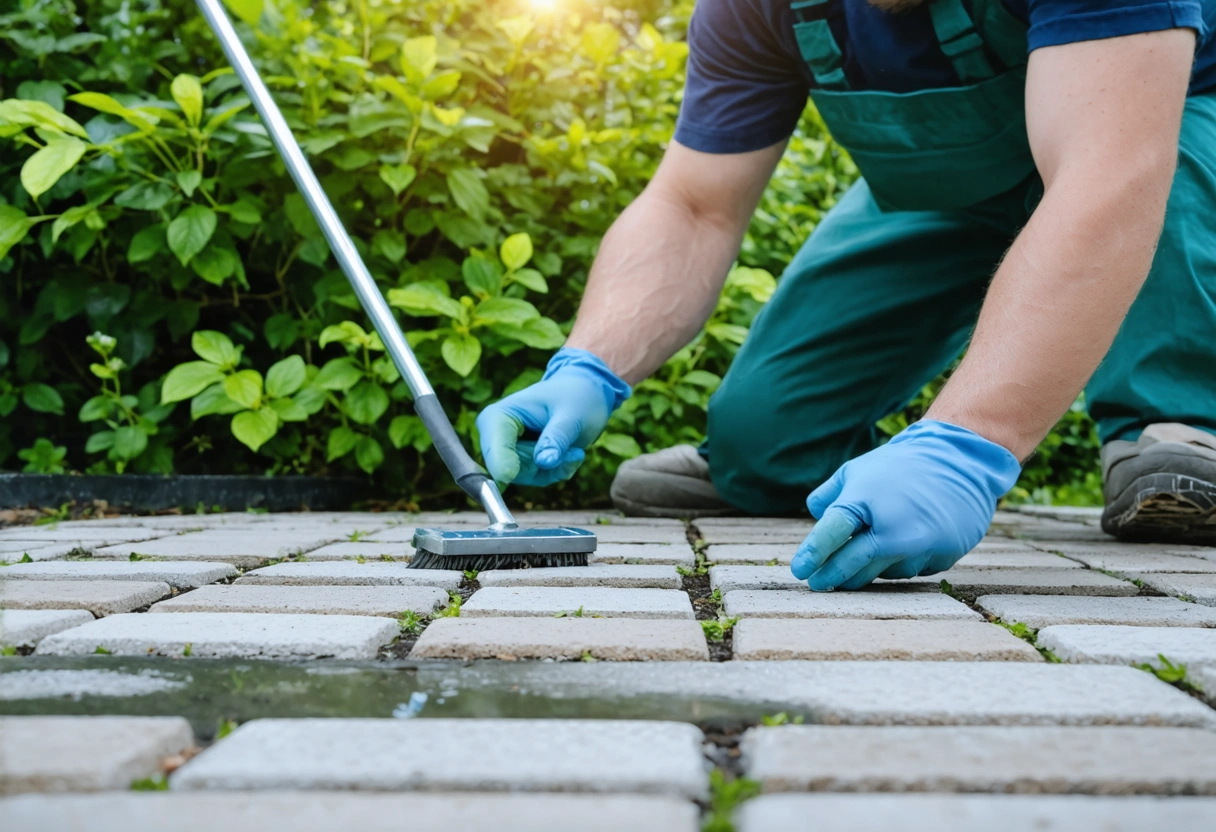
Paver sealing is an essential part of maintaining and protecting your outdoor spaces. By understanding the importance, costs, and benefits of sealing, you can make informed decisions that enhance the beauty and longevity of your pavers. Following best practices ensures that your investment is well-protected and continues to add value to your property for years to come.
For more in-depth information on paver maintenance and other related topics, consider exploring resources from reputable organizations such as the Interlocking Concrete Pavement Institute or expert guides on sealing pavers effectively. These resources provide valuable insights and detailed guidance to help you achieve the best results for your outdoor projects.
To further enhance your understanding of paver sealing, let’s explore some advanced tips and considerations that can elevate your sealing project to the next level. By incorporating these additional insights, you can ensure your outdoor spaces remain stunning and resilient for years to come.
Advanced Tips for Exceptional Paver Sealing
Timing is Everything
Choosing the right time for sealing is crucial. Avoid sealing during extreme weather conditions, such as intense heat or heavy rain, as these can affect the drying and curing process. Ideally, seal your pavers during mild, dry weather when temperatures are between 50°F and 90°F. This ensures optimal adhesion and a consistent finish.
Proper Joint Sanding
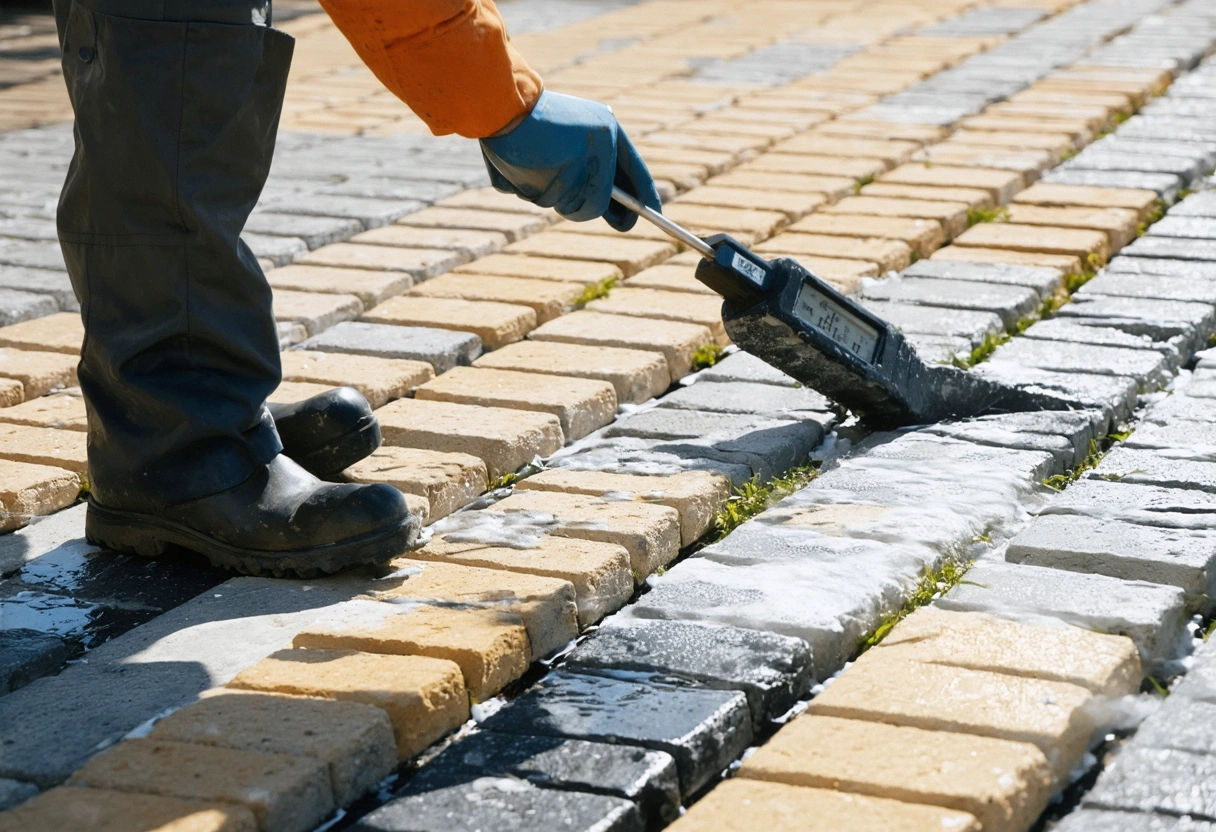
Before sealing, it’s important to address the joints between pavers. Re-sanding the joints with polymeric sand can improve stability and prevent weed growth. Polymeric sand hardens when wet, locking the pavers in place and providing additional protection against movement and erosion. Ensure the sand is properly compacted and the surface is clean before applying the sealant.
Addressing Efflorescence
Efflorescence is a natural occurrence where a whitish haze appears on the surface of pavers due to salt deposits. Before sealing, it’s essential to remove any efflorescence to ensure a clear finish. Specialized cleaners can help dissolve these deposits, allowing for a smooth, clean surface that enhances the effectiveness of the sealant.
Test Patches
Conducting a test patch is a valuable step in preventing unexpected results. Apply the sealant to a small, inconspicuous area and allow it to dry completely. This allows you to assess the color enhancement and finish before committing to the entire project. It’s a simple yet effective way to ensure satisfaction with the final outcome.
Common Mistakes to Avoid
Even with the best intentions, mistakes can occur during the paver sealing process. Being aware of common pitfalls can save you time and effort while ensuring a successful project.
- Over-Application: Applying too much sealant can lead to a cloudy or uneven finish. Follow the manufacturer’s guidelines for coverage rates and avoid excessive application.
- Ignoring Preparation: Skipping the preparation phase can result in poor adhesion and an unattractive finish. Thorough cleaning and drying are essential for achieving the best results.
- Using Incompatible Products: Not all sealants are suitable for every type of paver. Ensure that the sealant you choose is compatible with the material and environment of your outdoor space.
Exploring Further Resources
For those who want to delve deeper into the world of paver sealing and maintenance, numerous resources are available. Websites like Concrete Network’s guide on sealing and Family Handyman’s paver cleaning and sealing guide provide expert advice and detailed instructions. These resources can help you expand your knowledge and ensure your outdoor spaces remain impeccable.
Evaluating Long-Term Benefits
Investing in paver sealing is a decision that pays off in numerous ways. Beyond the immediate aesthetic improvements, sealing offers substantial long-term benefits. It reduces the need for frequent cleaning and repairs, saving you time and money. Moreover, the enhanced durability of sealed pavers contributes to a safer and more enjoyable outdoor environment.
By protecting your investment, you not only improve the visual appeal of your property but also contribute to its overall value. Sealed pavers can withstand the test of time, providing a beautiful and functional space for relaxation, entertainment, and recreation.
Sealing the Deal
Paver sealing is an essential practice for any homeowner looking to protect and enhance their outdoor spaces. By understanding the costs, benefits, and best practices, you can make informed decisions that maximize the value of your investment. Whether you’re a seasoned DIY enthusiast or prefer to hire professionals, the right approach to sealing can ensure your pavers remain a beautiful and enduring feature of your property.
For additional inspiration and ideas, consider exploring HGTV’s paver patio design ideas to see how sealed pavers can transform your outdoor space into a dream oasis. With the right knowledge and techniques, your outdoor spaces can remain a source of pride and enjoyment for years to come.
Need help with How Paver Sealing Protects Your Outdoor Spaces: Costs, Benefits, and Best Practices?