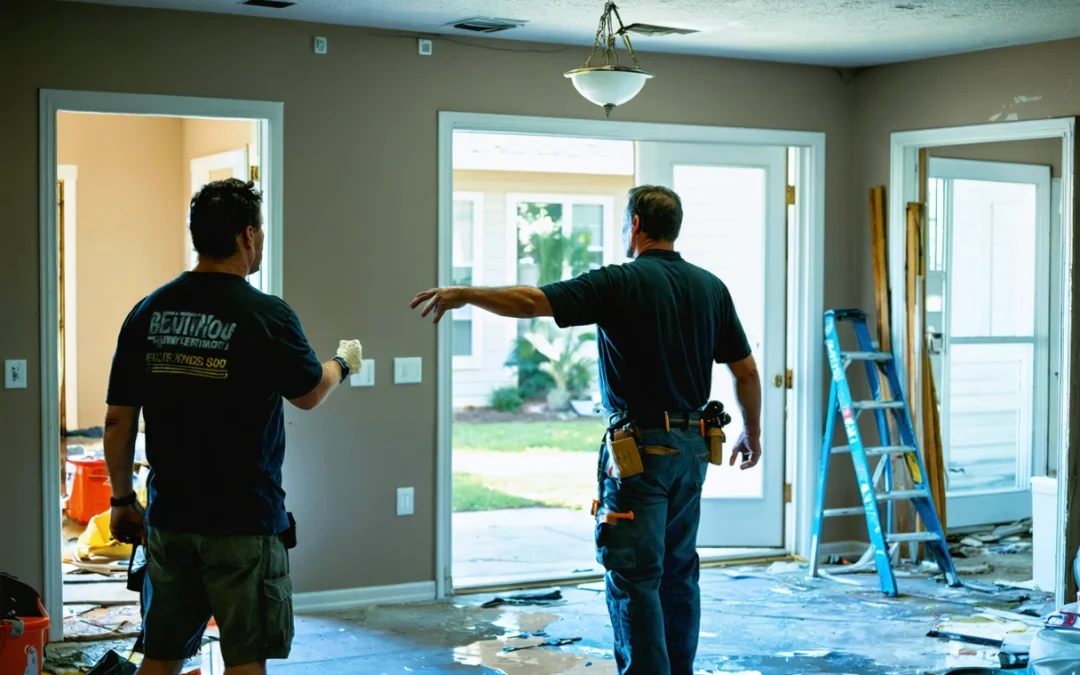
Damage in a rental home can range from an active water leak to worn flooring, stained walls, or broken fixtures. Addressing every issue at once may not be practical, so landlords and property managers need a clear method for deciding which repairs must happen immediately and which can be scheduled later.
A well organized repair plan protects occupants, prevents additional property damage, supports legal compliance, and controls restoration costs. The key is to assess each problem according to safety, urgency, habitability, and its potential to worsen over time.
Begin With Safety and Habitability Risks
Repairs that affect occupant safety or make the rental home uninhabitable should receive the highest priority. Examples include exposed electrical wiring, gas odors, structural instability, sewage backups, major plumbing failures, broken exterior locks, and a lack of essential utilities. These conditions may pose an immediate health or injury risk and can also create legal liability for the property owner.
Landlords should secure the affected area, arrange qualified professional assistance, and document when the problem was reported and how it was handled. Local rental housing requirements vary, but essential services such as water, electricity, heating, and sanitation commonly carry strict repair obligations. Prompt action demonstrates responsible property management while reducing the chance of tenant displacement or further damage.
Separate Emergencies From Urgent Repairs
Not every important repair is a true emergency. A sparking outlet or active ceiling collapse requires immediate intervention, while a refrigerator failure, a slow drain, or a damaged window may be urgent without presenting the same level of danger. Establishing clear categories helps direct contractors and funds toward the most serious conditions first.
A practical triage system can classify repairs as emergency, urgent, routine, or cosmetic. Emergency repairs require immediate action, urgent repairs should be scheduled as soon as reasonably possible, routine repairs can enter the normal maintenance calendar, and cosmetic work can wait until safety and functionality have been restored.

Stop Damage From Spreading
After immediate safety concerns are controlled, prioritize repairs that prevent the property from deteriorating further. Water intrusion, roof leaks, plumbing drips, missing shingles, damaged siding, and unsealed openings can quickly turn a manageable repair into a costly restoration project. Moisture can damage drywall, insulation, flooring, cabinetry, and framing while creating conditions that support mold growth.
The source of the damage should be corrected before cosmetic restoration begins. Repainting a water stained ceiling before repairing the roof leak wastes time and materials because the stain is likely to return. The same principle applies to replacing flooring before resolving a plumbing problem or patching drywall before confirming that hidden wall cavities are dry.
Use Temporary Measures Carefully
Temporary measures can limit damage while permanent repairs are being arranged. Turning off a water supply, covering a roof opening, boarding a broken window, or placing barriers around an unsafe area may help stabilize the rental home. These actions should be treated as short term controls rather than substitutes for proper repairs.
Record the condition with dated photographs, written notes, and contractor findings before cleanup changes the scene. Thorough documentation helps establish the extent of the damage, supports insurance claims when applicable, and provides a reliable basis for estimating the restoration scope.
Evaluate Building Systems Before Surface Finishes
Once the rental home is stable and protected from additional damage, inspect the systems that support daily use. Electrical, plumbing, heating, cooling, ventilation, roofing, and structural components generally take priority over paint, trim, flooring appearance, and other finishes. A defect in one of these systems can affect several rooms and may cause newly completed cosmetic work to be removed later.
For example, a bathroom with peeling paint and loose flooring may have a failed toilet seal, inadequate ventilation, or moisture beneath the subfloor. Correcting only the visible defects would leave the underlying cause in place. A qualified contractor should identify the source, determine whether concealed materials are damaged, and confirm that the area is dry before finishes are restored.
Check for Hidden Damage
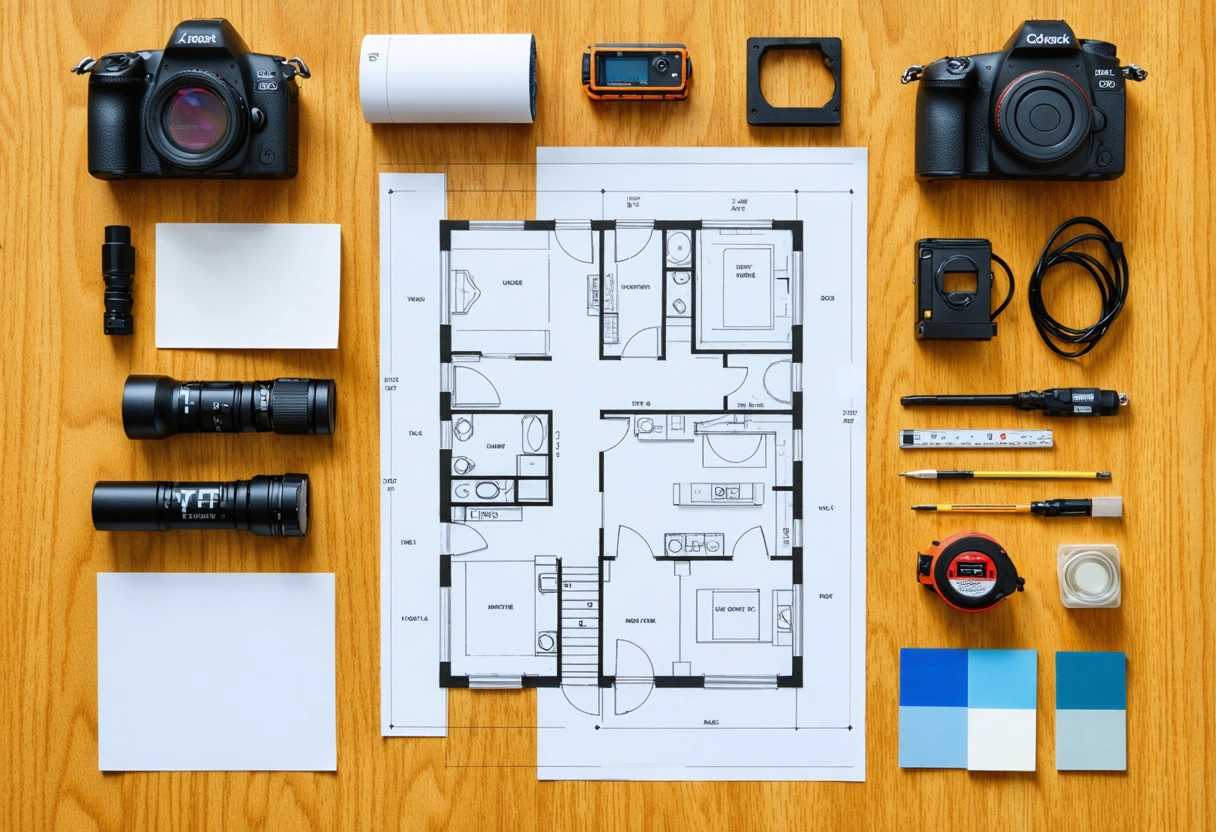
Visible damage does not always reveal the full repair scope. Water may travel through wall cavities, smoke residue can enter ventilation systems, and impact damage can weaken framing behind intact drywall. Musty odors, soft flooring, recurring stains, unusually high utility bills, and intermittent electrical problems can indicate concealed conditions that require further investigation.
Inspections should be proportionate to the risk. Moisture meters, thermal imaging, electrical testing, plumbing pressure tests, and targeted openings may help determine whether hidden damage exists. Destructive investigation should be limited and properly documented, but delaying necessary inspection can allow serious defects to remain undiscovered.
Review Legal, Code, and Lease Obligations
Repair priorities must also reflect applicable housing codes, building regulations, lease terms, and notice requirements. Smoke alarms, carbon monoxide alarms, safe exits, secure doors, functioning sanitation facilities, and required heating equipment may have specific compliance standards. Local rules can also establish deadlines for responding to tenant repair requests.
Permits and licensed contractors may be required for structural, electrical, plumbing, mechanical, or major restoration work. Beginning regulated work without the proper approvals can lead to failed inspections, fines, delays, and repeated construction. The repair plan should account for permit processing, inspection scheduling, and any required tenant notices.
Coordinate Repairs in an Occupied Rental
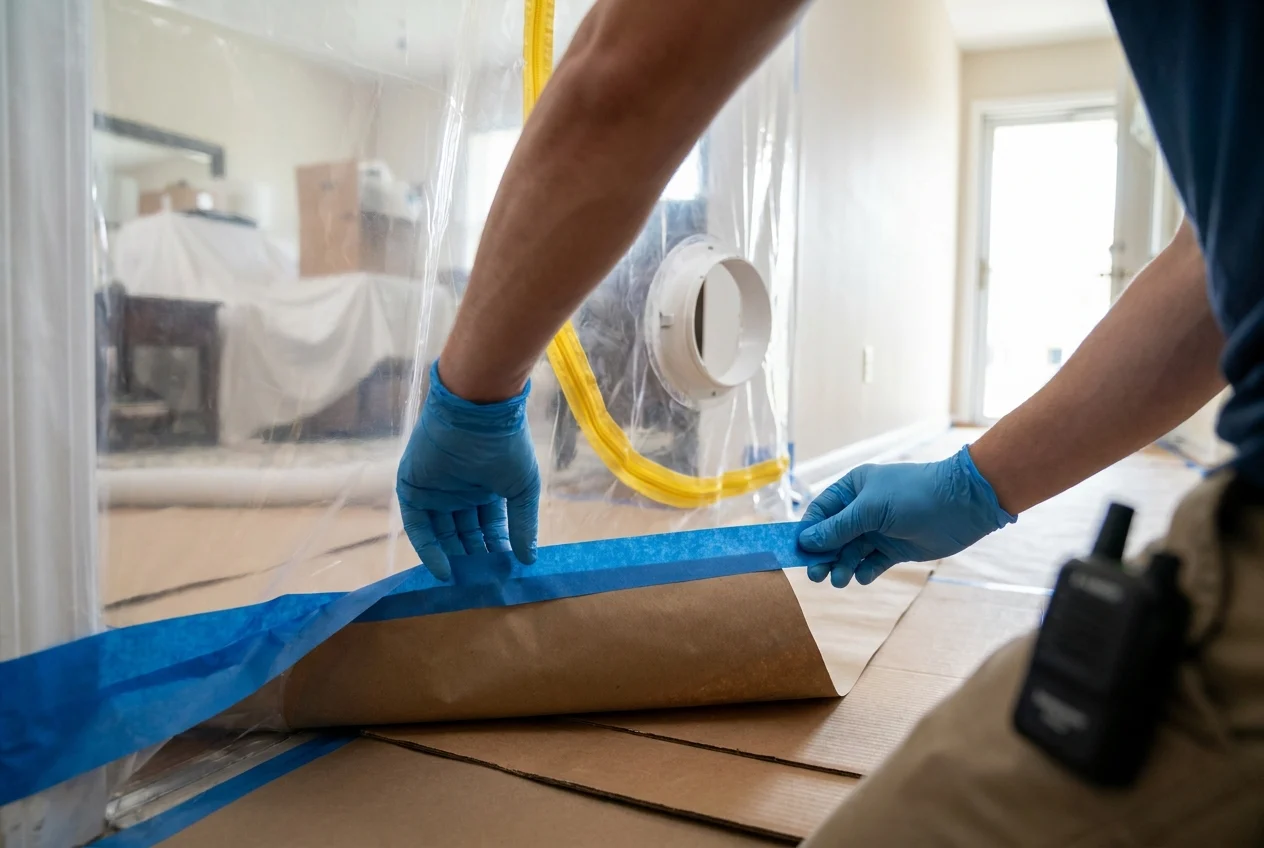
When tenants remain in the home, the work must be organized around safe access and reasonable use of the property. Contractors may need to isolate work areas, control dust, protect belongings, maintain clear exits, and restore utilities at the end of each work period. Tenants should receive clear information about entry dates, expected disruptions, and areas that cannot be used.
If repairs require water, electricity, heating, cooking facilities, or bathrooms to remain unavailable for an extended period, the owner should evaluate whether temporary accommodations or other arrangements are necessary. Requirements differ by location and circumstance, so property managers should confirm their obligations rather than relying on assumptions.
Restore Essential Function Before Appearance
After safety, moisture control, and compliance issues are addressed, prioritize repairs that restore the normal function of the rental home. A functioning toilet, usable kitchen sink, reliable hot water supply, secure entry door, and working heating system usually matter more than scratched cabinets or faded paint.
Functional problems should also be ranked by how much they affect daily living. A home with two bathrooms may remain usable while one toilet is repaired, but the same failure in a one bathroom property may require a much faster response. Similarly, a broken bedroom window that cannot close or lock has greater urgency than a damaged interior closet door.
Consider the Tenant’s Ability to Use Each Room
A room may technically remain accessible while being practically unusable. Saturated carpet, persistent odors, exposed subflooring, heavy construction dust, or missing fixtures can prevent normal use. Assess the condition from the occupant’s perspective rather than relying only on whether the room can be entered.
Children, older adults, and occupants with disabilities may face additional risks from loose flooring, poor lighting, disrupted access routes, or prolonged utility interruptions. These circumstances can change the urgency of a repair and should be considered when planning temporary protections and contractor access.
Determine the Cause and Responsibility for Damage
Repair scheduling should not be delayed while responsibility is disputed, especially when a condition threatens safety or could worsen. The owner can stabilize the property first, preserve evidence, and review cost responsibility afterward. Waiting for a final determination may increase both the repair cost and the disruption to the tenant.
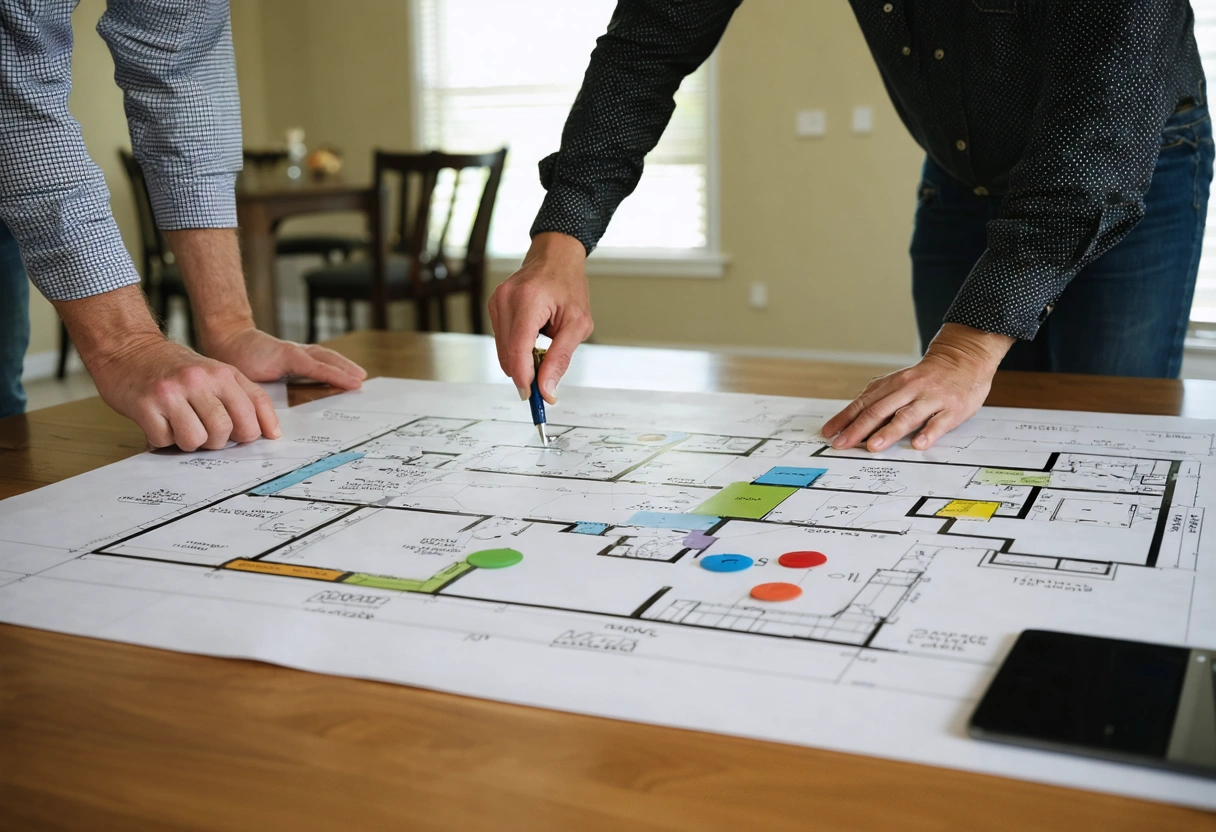
Normal wear includes deterioration expected from ordinary residential use, such as gradual carpet wear, minor wall scuffs, and aging finishes. Damage may include broken doors, large holes, burns, unauthorized alterations, or harm caused by misuse or neglect. Product failure, storm damage, plumbing defects, and contractor errors may involve other responsible parties.
Document Facts Rather Than Assumptions
Move in records, inspection reports, maintenance histories, tenant communications, photographs, invoices, and contractor opinions can help establish how a condition developed. Documentation should identify what was observed, where it occurred, when it was reported, and what actions were taken. Avoid stating that a tenant caused damage unless the available evidence supports that conclusion.
Insurance coverage should also be reviewed promptly when the loss involves fire, water, storms, vandalism, or another potentially covered event. Policies often require timely notice and reasonable steps to prevent additional damage. Damaged materials should not be discarded until the insurer or adjuster confirms that documentation is sufficient, unless removal is necessary for safety or sanitation.
Sequence Restoration Work Correctly
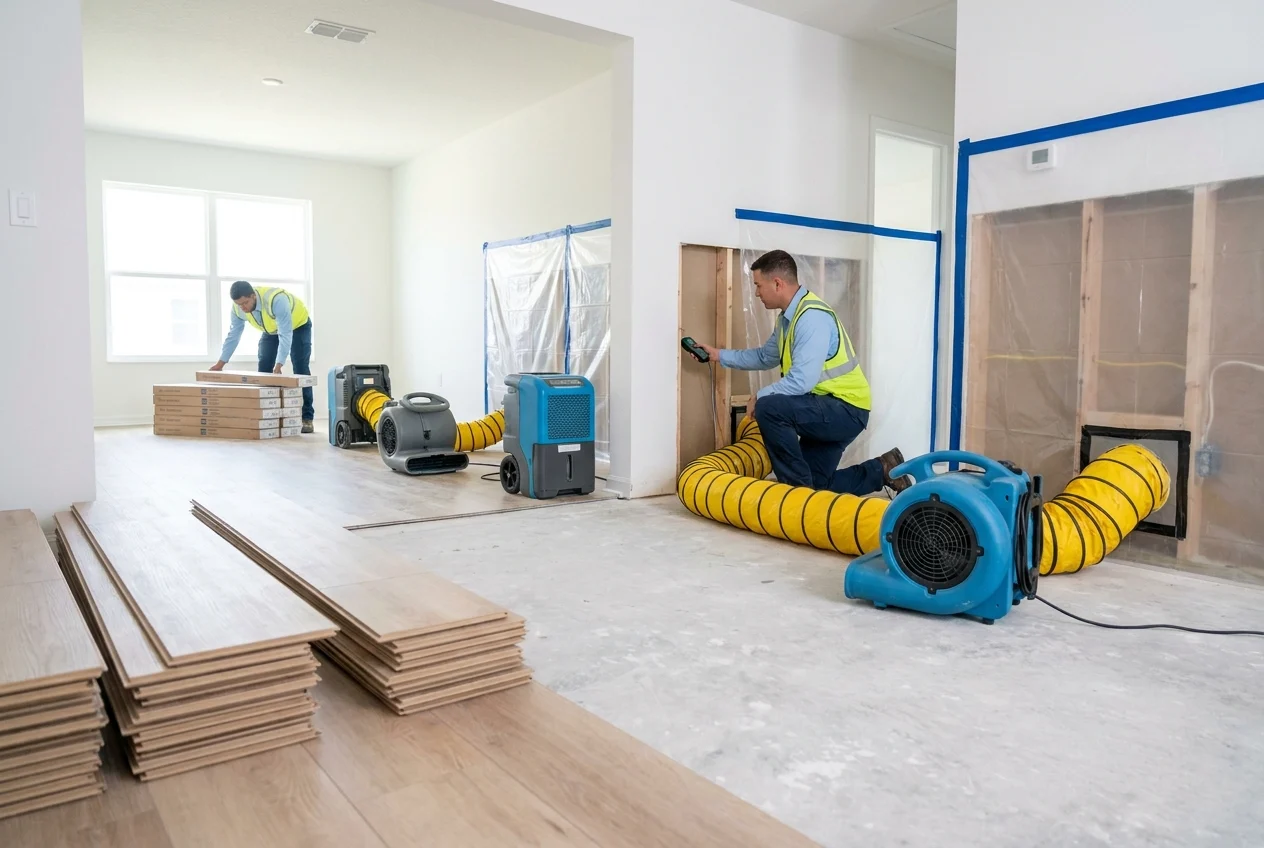
A sound repair sequence prevents completed work from being damaged by later trades. Demolition, structural correction, weatherproofing, rough plumbing, electrical work, mechanical work, insulation, drywall, flooring, cabinetry, painting, and finish installation should be coordinated according to the project scope. The exact order can vary, but underlying systems should generally be completed and inspected before surfaces are closed.
Drying and sanitation are especially important after water or sewage damage. Wet materials should be evaluated, unsalvageable materials removed, contaminated areas cleaned, and remaining assemblies dried to appropriate levels before reconstruction.
Avoid Repeated Mobilization and Rework
Related repairs can often be grouped to reduce contractor visits and tenant disruption. If several outlets in one room require replacement, addressing them during the same electrical visit may be more efficient.
Grouping work should not postpone an urgent repair merely to create a larger project. A leaking supply line should be repaired immediately even if a broader plumbing upgrade is planned for a later date.
Use Condition, Remaining Life, and Cost to Rank Routine Repairs
When several nonemergency items compete for the same budget, consider each component’s current condition, remaining useful life, repair cost, replacement cost, and likelihood of failure.
Frequency also matters. A minor problem that repeatedly disrupts the tenant or requires multiple contractor visits can deserve a higher priority than its individual repair cost suggests.
Distinguish Cosmetic Work From Preventive Maintenance
Not every unattractive condition is purely cosmetic. Peeling exterior paint can expose wood to moisture, cracked grout may allow water into an assembly, and a small gap around a window can contribute to air and water leakage.
Faded interior paint, small countertop scratches, dated hardware, and minor flooring discoloration can usually wait when they do not affect sanitation, safety, or function. These improvements are often best scheduled between tenancies or combined with future renovation work.
Need help with How to Prioritize Repairs in a Rental Home After Damage, Wear, and Tear?

