
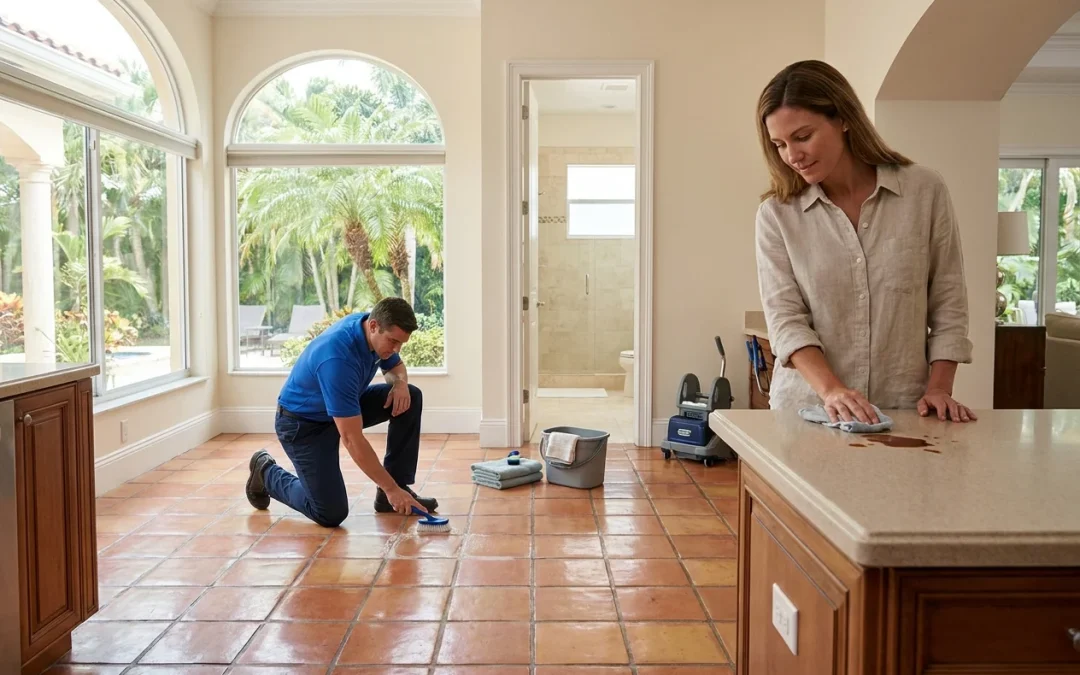
Grout may seem like a small detail in a tile floor, but it plays a major role in how well the surface resists everyday wear.
Sealing grout helps create a protective barrier that slows absorption and makes routine cleaning more effective. Understanding how grout sealer works, when it is needed, and what can happen when grout is left unprotected is the first step toward keeping tile floors cleaner, healthier, and longer lasting.
Why Grout Needs More Protection Than Tile
Most floor tiles are dense, glazed, or manufactured to resist moisture and stains. Grout is different. It is commonly made from a cement-based mixture that contains tiny pores, which can soak up liquids and trap soil.
When unsealed grout absorbs liquids, stains can settle below the surface instead of staying where they can be wiped away. Coffee, cooking oils, pet accidents, muddy water, soap residue, and bathroom moisture can all discolor grout over time.
Sealing does not make grout completely waterproof or maintenance-free, but it significantly improves resistance to common household problems. A quality grout sealer gives homeowners more time to clean spills before they penetrate and helps prevent grime from bonding deeply into the grout lines.
The Difference Between Stain Resistance and Waterproofing
One common misconception is that grout sealer turns grout into a waterproof barrier. In reality, most sealers are designed to reduce absorption, not eliminate it entirely.
Stain resistance means spills and residue are less likely to soak in quickly. Waterproofing suggests complete protection against water intrusion, which grout sealer usually does not provide on its own.
How Grout Sealer Helps Prevent Stains, Moisture Damage, and Mold
Grout sealer works by filling or coating the microscopic pores in the grout. This creates a protective layer that limits how quickly liquids, dirt, and contaminants can enter.
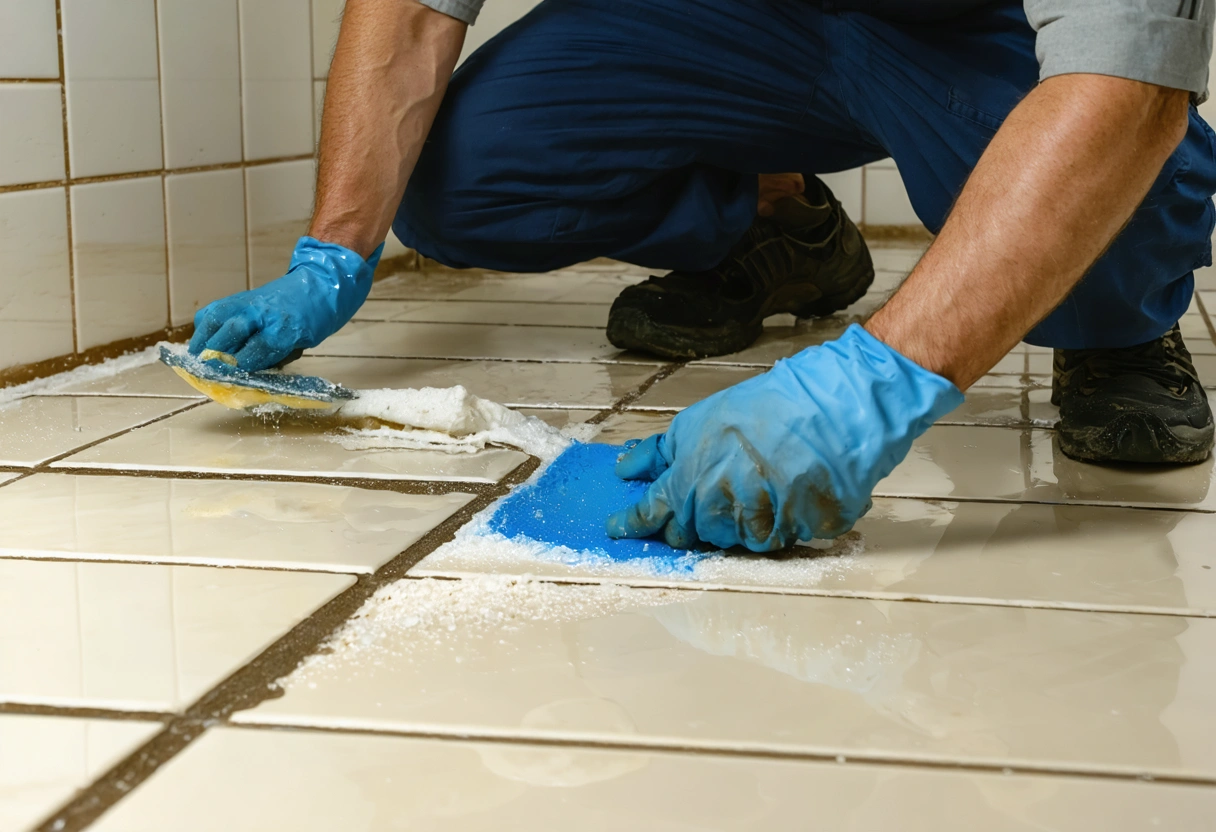
In stain-prone areas such as kitchens and dining spaces, sealing grout can help reduce discoloration from food spills, oils, sauces, and tracked-in debris. Instead of immediately soaking into the grout, many spills remain closer to the surface long enough to be cleaned up.
Moisture protection is another major benefit. In bathrooms, laundry rooms, mudrooms, and basements, grout may be exposed to water from wet feet, damp towels, leaks, humidity, or cleaning.
Why Mold Often Appears in Grout Lines
Mold does not grow on grout simply because grout exists. It grows when moisture, organic residue, and limited airflow create the right environment. Grout lines can collect soap film, skin oils, dust, and cleaning product residue, all of which may provide a food source for mold or mildew when moisture is present.
Sealed grout is easier to keep clean because contaminants are less likely to penetrate deeply. While sealing alone will not solve an existing mold problem, it can support better long-term prevention when combined with regular cleaning, quick drying, and improved ventilation in damp rooms.
Types of Grout Sealers
Choosing the right grout sealer depends on the type of grout, the location of the tile floor, the amount of moisture exposure, and the look you want to maintain.
Penetrating Grout Sealers
Penetrating sealers are among the most common choices for cement-based grout. These products absorb into the pores of the grout and help repel water, oils, and stains from within.
A penetrating sealer is a good choice for kitchens, bathrooms, laundry rooms, hallways, and other areas where grout needs protection without changing its look. Many penetrating sealers are designed to allow vapor to escape, which can be useful in damp areas because trapped moisture can create additional problems beneath the surface.
Membrane-Forming Grout Sealers
Membrane-forming sealers create a protective film over the surface of the grout. This can provide strong initial stain resistance, but it may not be suitable for every floor.
These sealers may also wear unevenly on floors with heavy foot traffic. If a membrane-forming sealer begins to peel, haze, or discolor, it may need to be stripped before a new sealer can be applied.
Enhancing Sealers
Enhancing sealers are designed to darken or enrich the appearance of grout while also providing protection. They can make grout color look deeper and more saturated, which may be desirable when the grout has faded or when a richer design effect is preferred.
Because enhancing sealers can permanently change the appearance of grout, testing in a small hidden area is important. A grout color that looks subtle when dry may appear much darker after an enhancing sealer is applied.
Water-Based and Solvent-Based Sealers
Grout sealers may also be water-based or solvent-based. Water-based sealers are popular because they tend to have lower odor, easier cleanup, and good performance for many residential tile floors.
Solvent-based sealers may penetrate certain surfaces more deeply and can offer strong stain resistance in demanding settings. However, they often have stronger odors and require more careful ventilation during application.
When Grout Should Be Sealed
Grout should usually be sealed after it has fully cured. Fresh grout contains moisture from installation, and sealing too soon can interfere with curing or trap moisture inside the grout.
Older grout can also be sealed, but it must be cleaned thoroughly first. Sealing dirty grout can lock in stains, residue, and discoloration rather than correcting them.
Signs Your Grout May Need Sealing or Resealing
One of the simplest ways to check whether grout needs sealing is to place a few drops of water on a clean grout line. If the water beads on the surface for several minutes, the sealer may still be performing.
Other signs include grout that stains easily, looks darker after mopping, stays damp longer than surrounding areas, or becomes difficult to clean even with regular maintenance.
How Often Grout Should Be Resealed
The resealing schedule depends on the sealer, traffic level, cleaning habits, and moisture exposure. Some grout sealers may last one to three years on busy floors, while higher-performance products may last longer under ideal conditions.
Harsh cleaners, abrasive scrubbing, steam cleaning, and frequent exposure to standing water can shorten the life of a sealer. If the grout is cleaned aggressively or exposed to daily moisture, it should be checked more often.
How to Prepare Grout Before Sealing
Preparation is one of the most important parts of grout sealing. Even a high-quality sealer can fail to perform well if it is applied over dirt, soap film, grease, or moisture.
Clean the Grout Thoroughly
Before sealing, grout should be cleaned with a product appropriate for the type of tile and grout. Mild alkaline cleaners can help remove grease, body oils, and everyday soil.
A soft brush can help loosen dirt from grout lines without damaging the surrounding tile. Metal brushes or overly abrasive pads should be avoided because they can scratch tile, erode grout, or leave behind particles that cause discoloration.
Remove Existing Mold or Mildew First
If mold or mildew is present, it should be addressed before sealing. Applying sealer over mold does not kill the growth or solve the moisture problem.
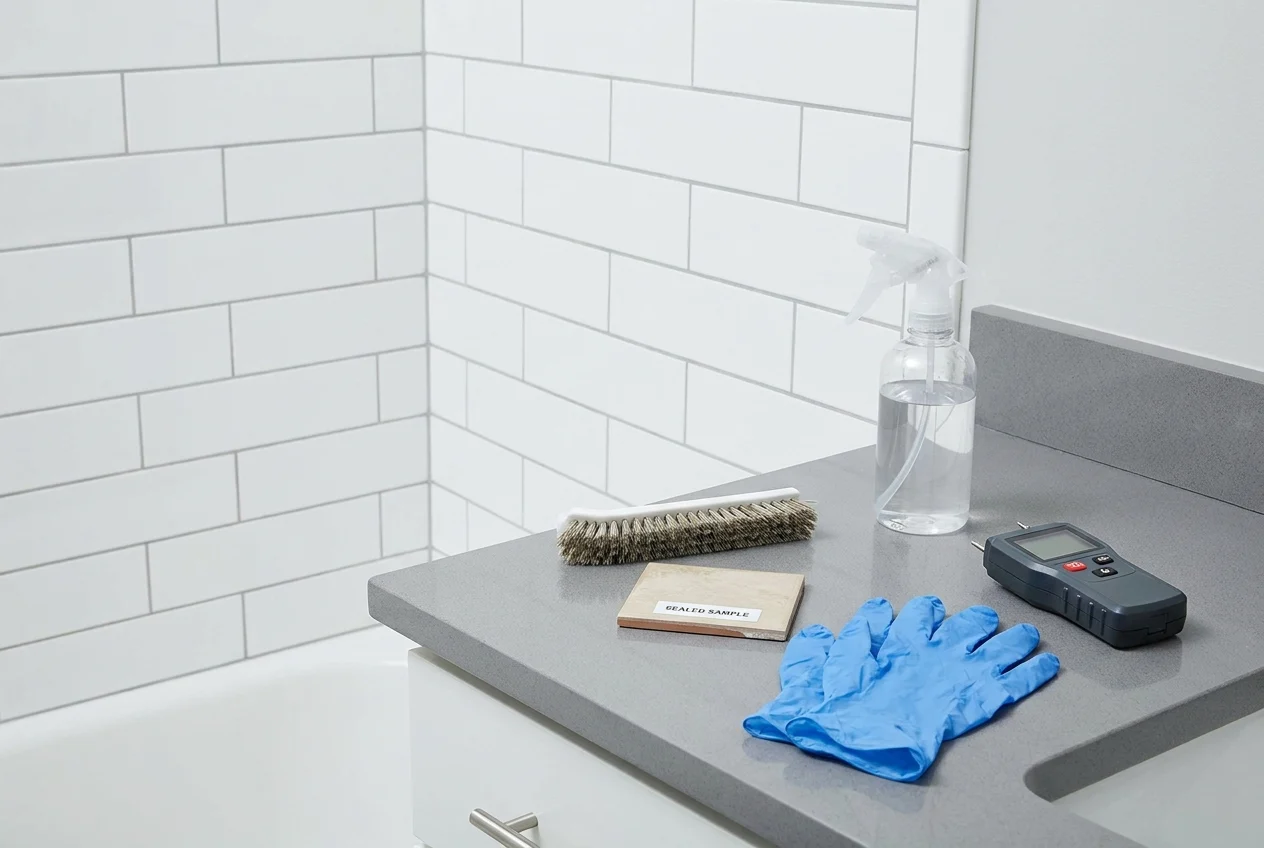
Small areas of mildew on grout surfaces may be cleaned with an appropriate tile-safe mildew cleaner, followed by thorough rinsing and drying. If grout is crumbling, deeply stained, or repeatedly growing mold despite cleaning, there may be a larger moisture issue that needs correction before sealing.
Allow the Grout to Dry Completely
Drying time is essential. Grout can look dry on the surface while still holding moisture deeper in the joint. If sealer is applied too soon after cleaning, it may not penetrate properly, and moisture may become trapped.
Most floors should dry for at least 24 hours after cleaning before sealing, although damp rooms, wide grout joints, cool temperatures, or poor airflow may require more time.
How Grout Sealer Is Applied
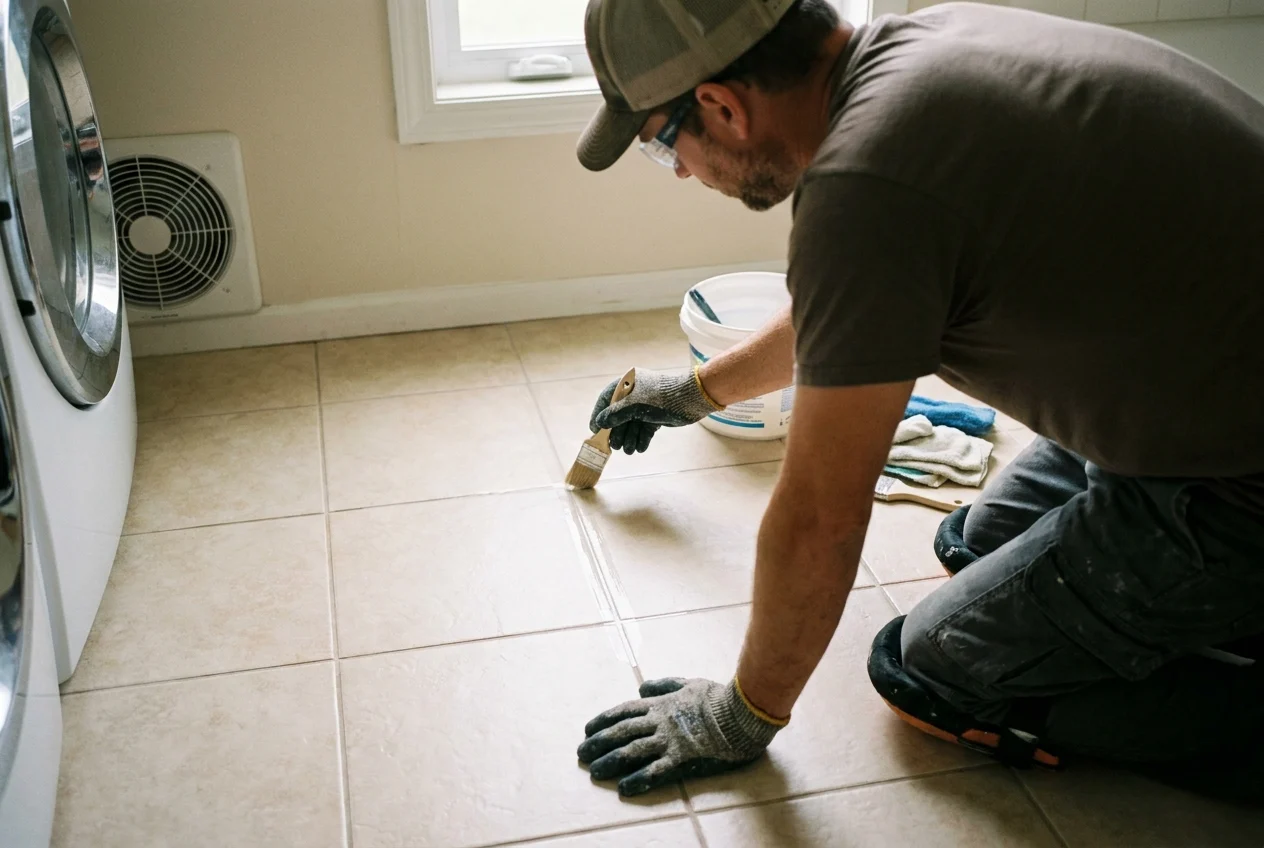
Grout sealer is typically applied directly to the grout lines using a small brush, roller applicator, foam pad, or narrow applicator bottle. The best tool depends on the width of the grout joints, the size of the floor, and the type of sealer being used.
After the sealer is applied, it usually needs a short dwell time so it can soak into the grout. Any sealer left on the tile should be wiped away before it dries, especially on glazed, polished, or natural stone surfaces.
Applying Multiple Coats
Some grout sealers require more than one coat for proper protection. A second coat may be recommended for very porous grout, older grout, wide grout joints, or areas exposed to frequent moisture and spills.
Applying too much sealer at once does not necessarily improve protection. Excess product can pool, dry unevenly, or create surface residue. It is better to apply thin, controlled coats and wipe away any sealer that does not absorb within the recommended time.
Curing Time After Sealing
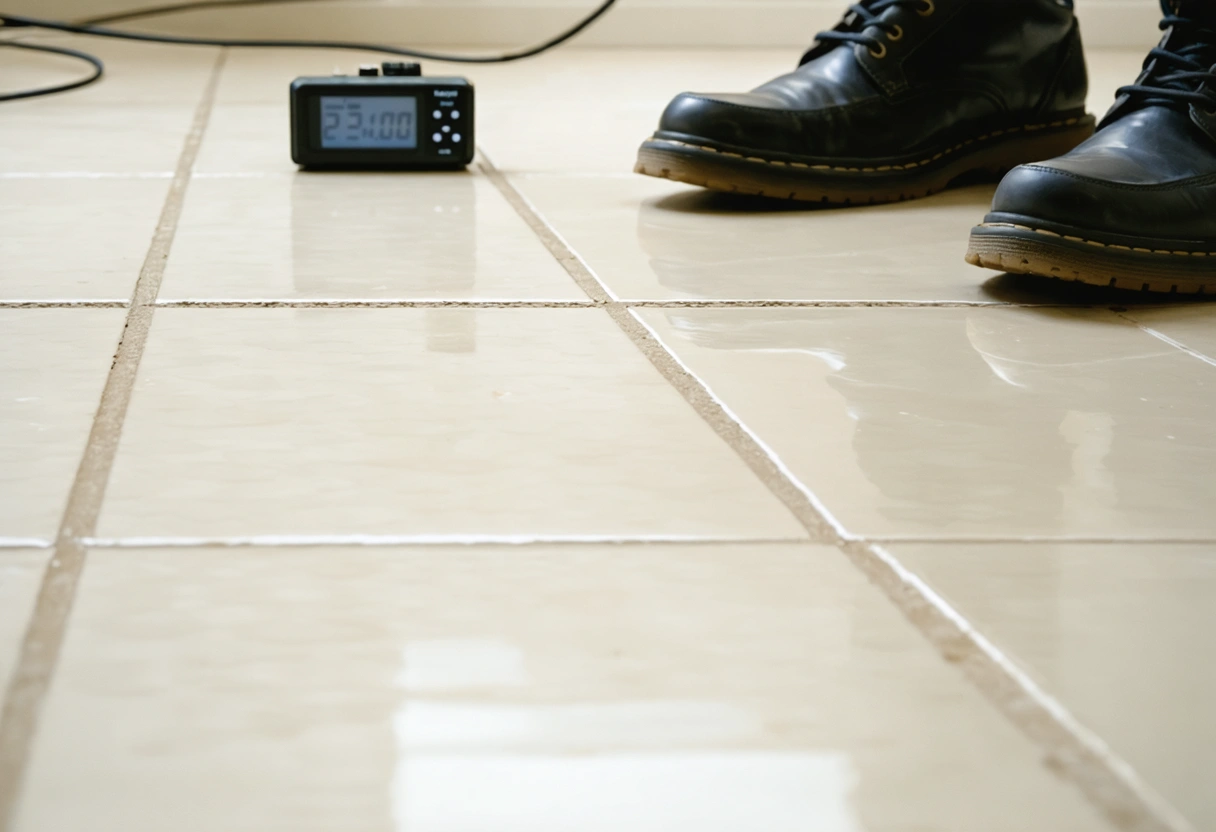
Once sealed, grout needs time to cure before the floor is exposed to normal use. Light foot traffic may be allowed after a few hours with some products, while others require longer.
Cure time can vary based on humidity, temperature, grout porosity, and the type of sealer. Rushing this step can reduce the effectiveness of the seal and may cause uneven protection.
Common Mistakes to Avoid When Sealing Grout
Grout sealing is a manageable project, but small mistakes can affect the final result. Many problems come from applying sealer too quickly, skipping preparation, or misunderstanding what the product can do.
Sealing Dirty or Damp Grout
Sealing over dirt, grease, soap film, or moisture is one of the most common problems. Instead of protecting clean grout, the sealer may lock in discoloration or fail to bond evenly.
Using the Wrong Sealer for the Surface
Some tile materials, especially natural stone, unglazed tile, and porous decorative tile, may absorb sealer differently than glazed ceramic or porcelain. A sealer that works well on grout could alter the appearance of surrounding tile if it is not compatible.
Leaving Sealer Residue on Tile
Grout sealer should protect the grout, not dry as a film across the tile surface unless the product is specifically designed for that purpose. Residue can appear as streaks, dull patches, or cloudy spots.
Assuming Sealed Grout Needs No Maintenance
Sealer improves resistance, but it does not stop all staining or eliminate cleaning needs. Spills should still be wiped up promptly, wet areas should still be ventilated, and floors should still be cleaned with appropriate products.
Need help with Grout Sealing: How to Protect Tile Floors from Stains, Moisture, and Mold?